
Buying a double deck bed frame is an excellent way to maximize floor space in your children’s bedroom, especially in compact urban homes. However, elevating a sleeping platform introduces unique safety considerations that every parent must address. To ensure a secure sleeping environment, you must systematically evaluate several critical safety features before making a purchase.
When shopping for a bunk bed, your primary focus should be on verifying guardrail dimensions, ladder stability, weight capacities, and material integrity. Additionally, confirming compliance with recognized safety standards and planning the physical layout of the room are essential steps to prevent accidents. This guide outlines the exact safety features and structural details you need to check to keep your children safe.
Evaluating Guardrails for Fall and Entrapment Prevention
Guardrails on the top bunk are the primary defense against accidental falls during sleep. You must measure the height of these rails relative to the mattress you plan to use. The top of the guardrail should stand at least 125 mm to 160 mm above the top surface of the mattress. Always check the manufacturer’s recommended mattress thickness, as a mattress that is too thick will compromise the protective height of the guardrail.
Products mentioned in this guide
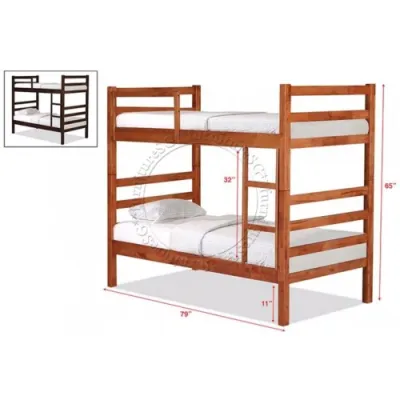
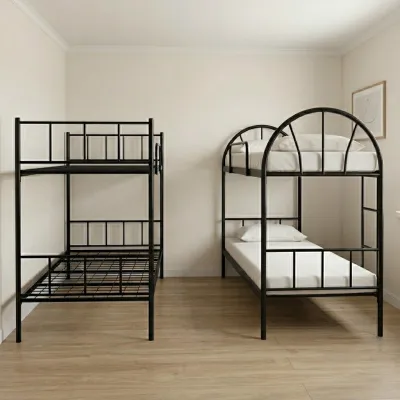
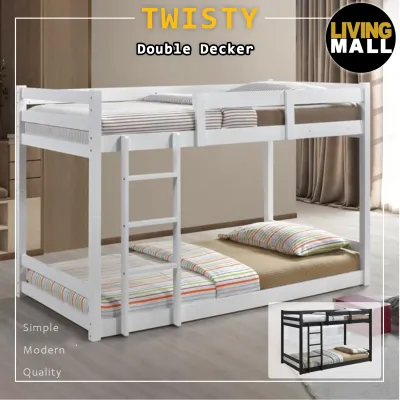
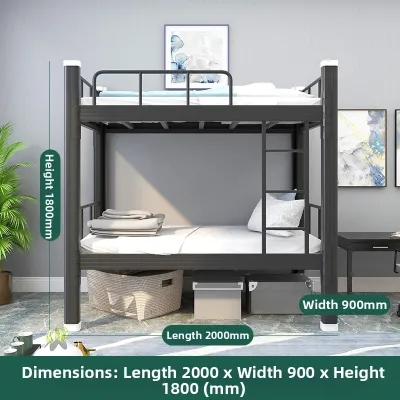
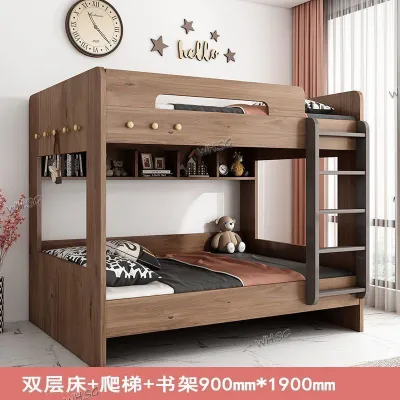
![[CozyNest ]FM Bunk Bed Baby Frame Double Decker For Kids s Modern Queen Bunk Bed With Drawer Mattress Set High Quality Wood Bed](https://img.lazcdn.com/g/p/1d40ada0ede5c3a9844f0c73ed74d659.jpg_webp_400x400q80.jpg_.webp)
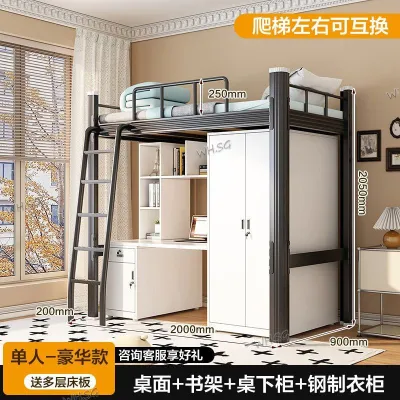
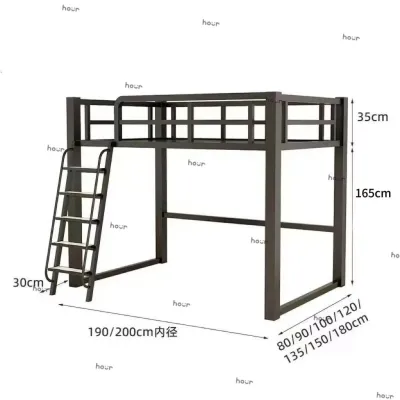
Prices are valid at publication and may change. Please refer to the product page for the latest price.
Equally important is the spacing between the guardrail slats and the bed frame. To prevent a child’s head or torso from slipping through and becoming trapped, ensure that no gap in the guardrail structure exceeds 75 mm to 90 mm. These narrow limits are designed to eliminate dangerous entrapment zones where a child could get stuck.
Continuous railing coverage is necessary on all four sides of the upper bunk. Even if you plan to position the bed directly against a wall, do not opt for a model that leaves the wall-facing side open. Children can easily slip into the gap between the mattress and the wall during the night, making a full-length guardrail on both sides a non-negotiable safety feature.
Finally, physically test the sturdiness of the guardrails. They should be rigidly attached to the main bed posts with heavy-duty bolts rather than simple wood screws or slide-in brackets. When you apply pressure, the rails must not wobble, flex, or show any signs of loosening, as they must withstand the dynamic force of a child leaning against them.
Assessing Ladder Design and Access Stability
The ladder is the only pathway to the top bunk, making its design critical to preventing slips and falls. When comparing options, integrated or securely bolted ladders are generally safer than detachable hook-on models. A fixed ladder cannot shift, slide, or lift off the frame when a child climbs up or down in a hurry.

Inspect the steps of the ladder closely. Broad, flat steps provide a much safer footing than narrow, round rungs, which can easily cause a child to lose their balance. Look for steps that feature textured surfaces, anti-slip grooving, or rubberized treads to provide reliable traction for bare or sock-covered feet.
The angle of the ladder also affects climbing safety. While a vertical ladder saves floor space, a slightly slanted ladder is much easier for a child to navigate safely. Assess your child’s physical coordination and choose an angle that allows them to maintain three points of contact easily while climbing.
Lastly, examine the connection points where the ladder meets the bed frame. The hardware must be completely flush with the frame to prevent clothing from snagging. There should be no small gaps or pinch points between the ladder steps and the bed frame that could trap fingers or toes.
Verifying Structural Integrity and Weight Limits
A high-quality double deck bed frame must remain completely stable under both static and dynamic loads. Start by locating the manufacturer’s official weight capacity labels. These ratings must clearly specify the maximum weight allowed for both the top and bottom bunks, factoring in the combined weight of the child, the mattress, and the bedding.
Examine the construction of the joints and corner posts. Look for heavy-duty metal-on-metal connectors, thick corner brackets, and robust support beams. Avoid frames that rely solely on wood screws driven directly into the timber, as these joints can degrade, strip, and loosen over time under the stress of daily use.
The mattress support system beneath the bed is another critical structural element. Ensure the frame uses a robust slat system, with closely spaced wooden or metal slats that are individually secured to the side rails. A central support beam or a solid platform base adds an extra layer of structural security, preventing the mattress from sagging or falling through.
It is vital to distinguish between static weight limits and dynamic movement limits. A bed frame rated for a specific static weight may still wobble under the dynamic forces of climbing, rolling, or playing. Choose a frame with a generous safety margin to ensure it remains rock-solid and squeak-free during active use.
Inspecting Material Quality and Physical Hazards
Before finalizing your purchase, perform a hands-on inspection of the bed frame’s materials. Run your hands along all edges, corners, and accessible surfaces. For wooden frames, check for splinters, rough patches, or structural cracks. For metal frames, ensure there are no sharp burrs, exposed welds, or peeling finishes that could cause cuts.
Children frequently come into direct contact with the bed frame, making chemical safety a priority. Verify that the paints, varnishes, or powder coatings used on the frame are certified non-toxic and lead-free. Look for manufacturer documentation or product labels that confirm compliance with children’s toy and furniture safety standards.
Inspect the headboard and footboard designs for potential entrapment hazards. Any decorative cutouts or vertical gaps between the frame elements must be carefully sized. To prevent head or limb entrapment, these gaps should either be smaller than 75 mm or larger than 230 mm, leaving no dangerous middle ground.
Evaluate the overall durability of the material based on your home environment. In humid climates, untreated wood can warp and low-grade metal can rust, both of which compromise structural integrity over time. Opt for high-density solid hardwoods or thick-gauge steel with a rust-resistant finish to ensure long-term safety.
Confirming Safety Certifications and Age Guidelines
Safety certifications provide independent verification that a double deck bed frame has passed rigorous testing. Look for labels indicating compliance with recognized international standards, such as EN 747 or ASTM F1427. These standards test for structural strength, stability, and the elimination of entrapment hazards.
When assembling the bed, strictly follow the manufacturer’s instructions. Ensure that all included hardware, such as locking washers and safety brackets, is fully installed. Never substitute missing parts with makeshift hardware from a home toolbox; always request original replacement parts from the manufacturer.
Adhere strictly to the manufacturer’s age recommendations. The top bunk is not safe for children under the age of six, as younger children lack the coordination and spatial awareness required to navigate the height safely. Ensure this rule is clearly communicated to everyone in the household.
Keep all safety warning labels permanently attached to the bed frame. These labels serve as crucial reminders of weight limits, mattress thickness restrictions, and age guidelines. They ensure that even as your children grow or if the bed is passed down, future users remain aware of the safety parameters.
Planning Safe Room Placement and Clearances
Even the safest bed frame can become hazardous if placed incorrectly within a bedroom. Before buying, measure your room’s ceiling height carefully. In standard residential apartments, you must ensure there is at least 75 cm to 90 cm of headroom between the top of the mattress and the ceiling so your child can sit up comfortably without injury.
Pay close attention to the location of ceiling fans and light fixtures. The top bunk must be positioned far away from any moving fan blades or hot light bulbs. A minimum clearance of 1 meter from the outer edge of the fan blades to the bed frame is highly recommended to prevent severe head injuries.
Position the bed frame away from windows, blind cords, and curtain ties. Children climbing on the top bunk can easily reach these items, creating a significant risk of falls or accidental strangulation. Keep the bed situated against solid walls away from these external hazards.
Finally, avoid placing the bed directly under or next to air conditioning units or heating vents. Direct drafts can cause discomfort and disrupt sleep, while proximity to these units might tempt curious children to reach out and tamper with electrical appliances or vents.
Frequently Asked Questions (FAQ)
What is the recommended minimum age for the top bunk?
The universally accepted minimum age for sleeping on the top bunk is six years old. Children under this age do not possess the developmental coordination, balance, and spatial awareness required to climb the ladder safely or avoid falling out of bed, especially when waking up disoriented in the dark.
In addition to chronological age, consider your child’s individual maturity and sleeping habits. If your child is a restless sleeper, prone to sleepwalking, or frequently wakes up to use the bathroom at night, they should remain on the bottom bunk regardless of whether they have reached the age of six.
How often should I tighten the bed frame hardware?
You should perform the first hardware check approximately two to four weeks after assembling the bed. As the materials settle under the weight of the mattresses and daily use, the bolts and screws can naturally loosen slightly, requiring an initial tightening.
Following this initial check, establish a routine inspection every three to six months. Actively check for squeaking sounds, wobbling when your child climbs the ladder, or visible gaps at the joints. Tighten any loose fasteners immediately using the correct tools to maintain the frame’s structural integrity.
Community discussion
Share your experience or ask a question. Comments are reviewed before publication.