
Maximizing floor space in compact urban homes, such as Singapore’s HDB flats and condominiums, often leads families to consider vertical furniture solutions. A loft bed with a ladder is an excellent way to free up valuable floor area for study desks, play zones, or storage. However, elevating a child’s sleeping area introduces specific safety responsibilities that parents must address before making a purchase. Ensuring a secure setup requires a systematic evaluation of the bed’s structural design, safety features, and suitability for your child’s developmental stage.
To guarantee a safe sleeping environment, a children’s loft bed must feature robust guardrails, a highly stable ladder attachment, and a frame that resists wobbling. Safety is not just about the physical product; it also depends on proper room placement, strict adherence to weight limits, and the child’s ability to navigate the elevated space responsibly. By focusing on verifiable safety features and structural checks, you can confidently select a loft bed that offers both practical space-saving benefits and peace of mind.
Age and Weight Limits: Is Your Child Ready?
Before evaluating specific design features, the first step is determining whether an elevated bed is appropriate for your child’s current developmental stage. Most safety guidelines and manufacturers recommend that children under six years of age should not sleep on an upper bunk or loft bed. Younger children may lack the coordination, balance, and spatial awareness required to safely climb the ladder or navigate the elevated platform, especially when waking up disoriented in the middle of the night. Always locate and verify the manufacturer’s age recommendation label on the packaging or product manual before purchasing.
Products mentioned in this guide
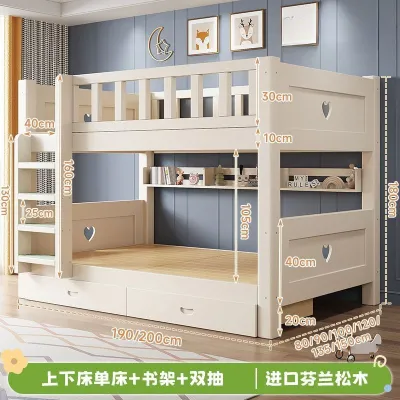

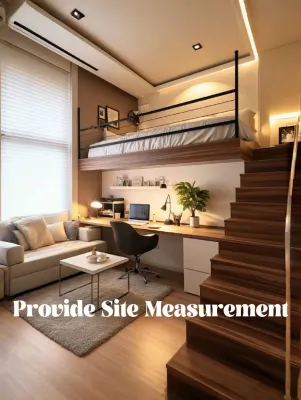




Prices are valid at publication and may change. Please refer to the product page for the latest price.
Weight capacity is another critical factor that requires careful calculation rather than estimation. When reviewing the manufacturer’s specified weight limit, remember that this figure must support more than just your child’s current body weight. You must factor in the weight of the mattress, pillows, heavy bedding, and the child’s projected growth over the next few years. If your child enjoys reading with you at bedtime, the frame must also be rated to handle the temporary additional weight of an adult, or you must establish a strict rule that storytime takes place on the ground level.
Physical readiness must be accompanied by behavioral readiness. Assess whether your child can consistently follow safety rules, such as climbing down the ladder step-by-step rather than jumping off, and refraining from roughhousing or playing tag on the top platform. If your child is prone to sleepwalking or frequently needs to use the bathroom during the night, a loft bed may not be the safest choice, regardless of their age or physical strength.
Guardrail Requirements for Fall Prevention
Guardrails are the primary defense against accidental falls during sleep, making their design and dimensions a top priority during your inspection. A safe loft bed must feature continuous guardrails on all four sides of the elevated platform. Even if the bed is positioned flush against a bedroom wall, a guardrail is still necessary on the wall-facing side to prevent a child from slipping into the gap between the mattress and the wall, which poses an entrapment risk.

The height of the guardrail relative to the mattress is a crucial safety metric. To prevent a sleeping child from rolling over the edge, the top of the guardrail must extend significantly above the top surface of the mattress. When shopping, check the manufacturer’s specifications for the maximum allowable mattress thickness to ensure that once the mattress is in place, the remaining guardrail barrier meets safety standards. This clearance must be maintained consistently across the entire perimeter of the bed, except for the designated ladder entry point.
The physical construction of the guardrails also requires close examination. Inspect the spacing between the vertical slats or spindles of the guardrail; these gaps must be narrow enough to prevent a child’s head, torso, or limbs from slipping through. Additionally, test the rigidity of the guardrails by applying firm outward pressure. The rails should be securely bolted to the main bed frame with heavy-duty hardware, showing no signs of flexing, bending, or loosening under pressure.
Ladder Stability and Safe Access
The ladder is the sole pathway to and from the elevated bed, meaning its stability directly influences daily safety. When comparing models, pay close attention to how the ladder attaches to the bed frame. Detachable ladders that simply hook over the side rail can easily shift or lift off during use if not properly secured. Prioritize designs where the ladder is permanently bolted or anchored to the bed frame with robust metal brackets, ensuring it cannot slide laterally or tip backward when a child climbs.
The design of the ladder rungs themselves plays a major role in preventing slips and falls. Narrow, round metal rungs can be painful on small feet and offer minimal traction, especially if a child is wearing socks. Look for flat, deep steps that provide a wider surface area for the child’s feet to grip. The steps should also feature a slip-resistant texture, tread tape, or grooved surfaces to enhance traction during early morning or late-night climbs.
The angle of the ladder is another trade-off to consider. A straight, vertical ladder takes up less floor space, which is highly beneficial in compact bedrooms, but it requires more physical coordination to climb. An angled ladder is generally easier and safer for a child to navigate because it distributes their weight more naturally, though it does extend further into the room’s walking path. Whichever style you choose, ensure the handholds at the top of the ladder are easy for small hands to grasp securely as they transition from the ladder to the bed platform.
Structural Integrity and Assembly Checks
A loft bed must be structurally sound to withstand years of daily use and the natural movement of a growing child. When inspecting a display model or reviewing product specifications, focus on the quality of the materials and the joints. Solid wood or heavy-gauge metal frames generally offer superior stability compared to lightweight particleboard. Examine the joint connections; look for heavy-duty metal-on-metal barrel bolts and corner bracing rather than simple wood screws, which can strip and loosen over time.
Before finalizing your purchase, verify the delivery and assembly conditions. If you plan to assemble the bed yourself, ensure the manufacturer provides comprehensive, step-by-step instructions and all necessary structural hardware. Never substitute missing parts with random screws from a home toolbox. If professional installation is available, it is often a worthwhile investment to ensure the frame is built exactly to specification and anchored correctly.
The finish of the bed frame also requires a tactile inspection. Run your hands along the wood or metal surfaces to check for smooth finishes, rounded corners, and the complete absence of splinters, sharp edges, or protruding bolt heads. Ensure there are no exposed hooks, knobs, or decorative elements that could catch on a child’s clothing or pajamas, as these create dangerous snag hazards.
Room Placement and Hazard Avoidance
Even the safest loft bed can become hazardous if it is positioned incorrectly within the bedroom. Before purchasing, measure your room’s dimensions carefully, paying special attention to the ceiling height. There must be adequate headroom between the top of the mattress and the ceiling so your child can sit up comfortably without bumping their head. In Singapore’s tropical climate, where ceiling fans are common fixtures, you must ensure the bed is positioned far away from the sweep of the fan blades and any hanging light fixtures to prevent severe impact injuries.
Window placement is another critical environmental factor. Avoid placing the loft bed directly adjacent to an operable window, even if the window has safety grilles installed. A child climbing on the bed could potentially reach the window latch or put pressure on the screen, creating a fall hazard. Position the bed against solid walls, keeping it clear of curtain cords, electrical wires, and wall-mounted shelves that a child might attempt to climb or pull down.
Finally, keep the floor area surrounding the bed and ladder completely clear. Avoid placing sharp-cornered furniture, toy boxes, or hard storage bins directly beneath the ladder exit. The landing zone at the bottom of the ladder should be free of slippery throw rugs and clutter, ensuring your child has a clear, stable surface to step onto every time they descend.
Frequently Asked Questions (FAQ)
Can I use a standard mattress on a children's loft bed?
You should not use a standard mattress without first checking its thickness against the loft bed manufacturer’s specifications. Standard mattresses are often too thick for loft beds, which significantly reduces the effective height of the safety guardrails. If the mattress is too tall, the guardrails will not provide a sufficient barrier to prevent your child from rolling off the bed during sleep. Always purchase a mattress that matches the specific thickness recommended by the bed manufacturer to maintain the required safety clearance.
How often should I inspect the loft bed for safety?
You should perform a thorough safety inspection of the loft bed at least once every few months, or immediately after periods of active play or a child’s growth spurt. During these checks, physically wiggle the frame to test for wobbling, and use the appropriate tools to tighten any loose bolts, screws, or joint connectors. Inspect the ladder attachments to ensure they remain flush and secure against the frame, and check the guardrails for any signs of structural weakness or loosening.
Community discussion
Share your experience or ask a question. Comments are reviewed before publication.