
Choosing a children bed frame is an exciting milestone for growing families, especially when selecting a bunk bed to maximize floor space in compact Singapore apartments. Bunk beds offer a practical, fun solution for shared bedrooms, but their elevated design introduces unique safety considerations that parents must address. Before you purchase any model, it is essential to look beyond aesthetics and focus on the structural and physical safety features of the frame. By systematically evaluating the bed’s stability, guardrails, ladder design, material quality, and room compatibility, you can create a secure sleeping environment that protects your children from preventable accidents. This guide outlines the critical safety checks every parent should perform before bringing a new bunk bed into their home.
Evaluating Structural Stability and Weight Limits
The foundation of bunk bed safety lies in its structural integrity and load-bearing capacity. When evaluating a children bed frame, verify the manufacturer’s weight limits for both bunks. This limit must accommodate the weight of your child, the mattress, pillows, blankets, and toys. A frame with a low weight capacity can pose a risk of structural failure as your child grows.
Next, assess the bed frame’s center of gravity. Bunk beds with a wider base or a slightly tapered design toward the top generally offer greater stability. Avoid frames that feel top-heavy or wobble when you apply light pressure to the upper structure. The bed should feel solid and anchored, with no noticeable swaying in the main posts.
Products mentioned in this guide
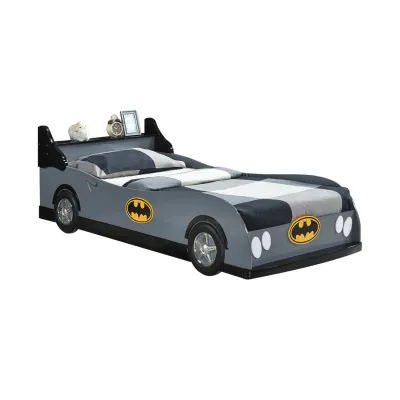
Prices are valid at publication and may change. Please refer to the product page for the latest price.
Inspect the joint reinforcements and support systems. High-quality bunk beds utilize heavy-duty metal-on-metal connectors, such as barrel nuts and bolts, rather than simple wood screws that can strip over time. Look for robust support slats under both mattresses; these should be closely spaced and securely fastened to prevent the mattress from falling through. If the model includes center support legs, verify that they make firm contact with the floor.
Consider delivery and assembly within your home. In Singapore, navigating tight corridors, doorways, and lift access is a common challenge. Ensure that the flat-packed components of the bed frame can easily fit through your building’s lift and your apartment’s entryway. Because proper assembly is critical to structural stability, check whether the retailer offers professional installation or if you will need to assemble it yourself using precise tools.
Checking Guardrails, Ladders, and Fall Prevention
Falls from the upper bunk are the most common source of bunk bed injuries, making fall-prevention features a critical area of inspection. The top bunk must be equipped with continuous guardrails on all four sides, leaving an opening only for the ladder. When checking these guardrails, measure their height relative to the mattress. The top of the guardrail must extend significantly above the surface of the mattress to prevent a sleeping child from rolling over the edge.

The ladder is another high-risk component that requires careful evaluation. It must be securely attached to the bed frame using heavy-duty bolts or brackets, rather than simply hooking over the side rail where it could easily be dislodged. Look for wide, flat steps with anti-slip textures or treads. Narrow, round rungs are difficult for children to grip and can easily lead to slips, especially when navigating the ladder in the dark.
Pay close attention to the spacing of the ladder steps and the gaps within the bed frame. Step spacing should be uniform and age-appropriate, allowing your child to climb comfortably without stretching or tripping. Additionally, inspect the entire frame for potential entrapment hazards. Children can get trapped if the gaps between the guardrails, the mattress, and the headboard or footboard are too wide. Ensure all openings are small enough to prevent a child’s head or torso from slipping through.
Inspecting Materials, Finishes, and Hardware
The physical materials and hardware used in a children bed frame play a significant role in daily safety. Begin your inspection by running your hands along all accessible surfaces, edges, and corners of the frame. Check for any splinters, rough patches, or sharp angles that could cause scratches or cuts. Rounded corners and smooth, sanded edges are essential features for any furniture designed for children.
Next, investigate the finishes, paints, and protective coatings applied to the bed. Since children spend a significant portion of their day in close proximity to their bed, it is vital to ensure that these materials do not emit harmful chemicals. Look for product labels or manufacturer documentation confirming the use of non-toxic, child-safe, and low-VOC finishes. Avoid products with strong chemical odors, which can indicate the off-gassing of harmful substances.
Finally, examine the hardware and fasteners used to hold the frame together. All bolts, screws, and brackets should be recessed into the wood or metal, or covered with smooth, secure plastic caps. Protruding hardware is a major hazard, as it can easily snag clothing, bedding, or hair, potentially leading to falls or entanglement. Ensuring that all hardware is flush with the frame’s surface is a simple but crucial check.
Measuring Room Clearance and Installation Space
Accurate room measurements are essential to ensure that a bunk bed fits safely within your home. In Singapore, where ceiling heights in HDB flats and condominiums are often standardized and relatively low, measuring vertical clearance is your first priority. There must be ample space between the top of the upper mattress and the ceiling to allow your child to sit up comfortably and move around without bumping their head.
Beyond ceiling height, you must carefully assess the surrounding environment of the bedroom. Position the bunk bed well away from ceiling fans, light fixtures, and air conditioning units. A ceiling fan operating near the top bunk poses an extreme physical hazard to a child. Additionally, keep the bed away from windows, even if they are fitted with safety grilles, to prevent any risk of falls or climbing accidents.
Window coverings and cords present another hidden danger that requires careful planning. Ensure that window blind cords, curtain pull strings, and electrical cables are completely out of reach from both the top and bottom bunks to eliminate any risk of strangulation. Finally, review the manufacturer’s instructions regarding wall-anchoring. Many bunk beds require anchoring directly to the wall to prevent tipping; verify that your bedroom walls are suitable for drilling and that you have the appropriate brackets.
Setting Age Limits and Safe Usage Boundaries
Even the safest children bed frame requires responsible usage to prevent accidents. Safety standards universally recommend that the top bunk is not suitable for children under six years of age. Younger children often lack the coordination, balance, and spatial awareness required to safely navigate the ladder and sleep on an elevated platform. Keep younger siblings on the bottom bunk or in a separate single bed until they reach the appropriate developmental milestone.
Once the bed is installed, establish clear and consistent household rules for its use. Teach your children that the bunk bed is a place for sleeping, not a playground. Prohibit jumping on both the top and bottom bunks, as this places immense stress on the support slats and joints, potentially leading to structural failure. Additionally, make it clear that hanging items such as ropes, belts, bags, or clothes hangers from the bed frame is strictly forbidden, as these items can easily become strangulation hazards.
As your children grow, continue to monitor how they interact with the bed. Regularly assess whether they are approaching the manufacturer’s weight limits or if they have outgrown the physical dimensions of the frame. If a child begins to feel cramped on the top bunk, or if the frame shows signs of wear that cannot be resolved by tightening the hardware, it is time to transition them to a standard children bed frame or a larger single bed that suits their developmental needs.
Frequently Asked Questions (FAQ)
Can I use any standard mattress on a bunk bed?
No, you cannot use just any standard mattress on a bunk bed, particularly for the top bunk. The thickness of the mattress is a critical safety factor because a mattress that is too thick will reduce the effective height of the guardrails, making it easier for a child to roll over the edge. Always check the manufacturer’s guidelines for the maximum allowable mattress thickness, which is typically around 15 centimeters. Additionally, ensure the mattress fits snugly within the bed frame with no gaps along the sides, as gaps can create dangerous entrapment hazards for limbs or fingers.
How often should I inspect and tighten the hardware?
You should perform your first hardware inspection a few weeks after assembling the bed frame, as the materials settle and the joints adjust to daily use. After this initial check, establish a routine maintenance schedule to inspect and tighten all bolts, screws, and brackets every three to six months. Wood can expand and contract with changes in humidity, and regular movement can cause fasteners to loosen over time. If you ever notice the bed frame squeaking, wobbling, or shifting when your child climbs the ladder, inspect and tighten the hardware immediately.
Are metal bunk beds inherently safer than wooden ones?
Neither metal nor wooden bunk beds are inherently safer; safety depends entirely on the build quality, joint design, and structural engineering of the specific model. Metal frames are often lighter and may feature welded joints, but they can be prone to squeaking and require regular checks for metal fatigue or loose bolts. Wooden frames are typically heavier and offer a solid, stable feel, but they require inspection for wood splitting, splinters, or joint loosening. When choosing a children bed frame, focus on the specific structural features, joint reinforcements, and safety certifications of the individual model rather than the material alone.
Community discussion
Share your experience or ask a question. Comments are reviewed before publication.