
Choosing a children’s bunk bed frame (上下床架) is an excellent way to maximize floor space, especially in compact urban homes where bedrooms serve multiple purposes. However, elevating a sleeping surface introduces unique safety considerations that parents must address before making a purchase. Falls, structural failures, and entrapment are real risks that can be mitigated by selecting a frame designed with robust safety features.
To ensure a safe sleeping environment, you must look beyond aesthetics and color schemes. A truly safe bunk bed frame relies on a combination of precise engineering, high-quality materials, secure fastening systems, and proper room integration. By understanding what to look for on product labels, during showroom inspections, and within manufacturer manuals, you can confidently select a bed that protects your children while they sleep and play.
Guardrail Height and Entrapment Gaps
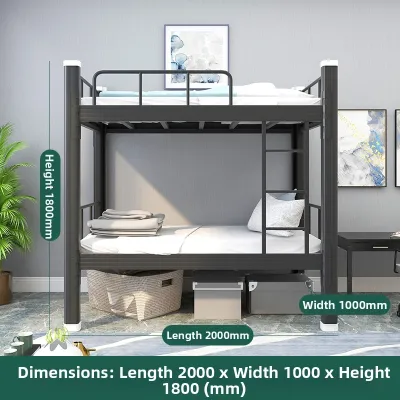
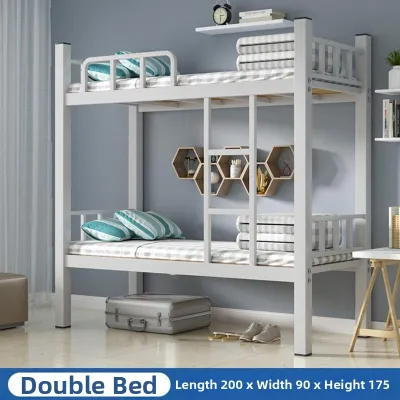
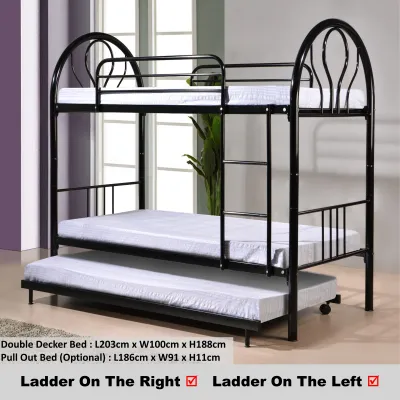
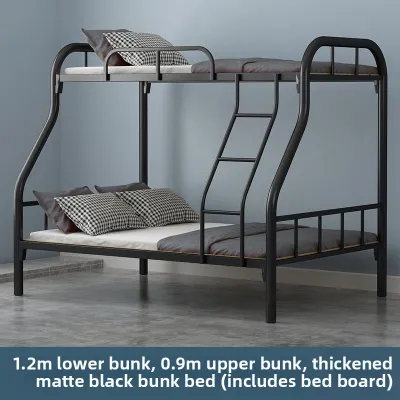
The guardrails on the top bunk serve as the primary defense against accidental falls during sleep. When evaluating a bunk bed frame, the height of these guardrails is one of the most critical specifications to verify. The guardrail must extend significantly above the top surface of the mattress to prevent a child from rolling over the edge. The top of the guardrail should sit at least 12.7 centimeters above the mattress. This means you must consider both the frame’s guardrail height and the thickness of the mattress you plan to install, ensuring the combined setup maintains this protective barrier.
Products mentioned in this guide
![[TheGoodFurniture] Single size Double Deck Metal Bed Frame. Bunk Bed. Double- Storey Bed for Siblings / Dormitory / Tenants / Helpers. Heavy Duty. FAST DELIVERY](https://img.lazcdn.com/g/p/a5ca265c12d6b6ab38371a5b4ffd7b65.jpg_400x400q80.jpg_.webp)
![[Tt Logistics] New In Box - Double Decker Metal Bed](https://img.lazcdn.com/g/p/c4846828e060a172dead06e56cc4cad9.jpg_400x400q80.jpg_.webp)
Prices are valid at publication and may change. Please refer to the product page for the latest price.
Equally important is the spacing of the guardrail slats and the gap between the bottom rail and the bed frame. If these gaps are too wide, a child’s body could slip through, leading to dangerous head or limb entrapment. To prevent this, verify that all gaps within the guardrail assembly, as well as the space between the guardrail and the mattress foundation, are less than 9 centimeters. This spacing is small enough to prevent a young child’s torso or head from passing through, eliminating a major safety hazard.
Furthermore, guardrails must be continuous and present on all four sides of the top bunk. It is a common misconception that the side of the bed placed against a wall does not require a guardrail. In reality, beds can shift slightly over time, creating a dangerous gap between the frame and the wall where a child could fall and become trapped. A full-perimeter guardrail system ensures that no matter how the bed is positioned in the room, your child remains securely contained within the sleeping area.
Ladder Design and Access Stability
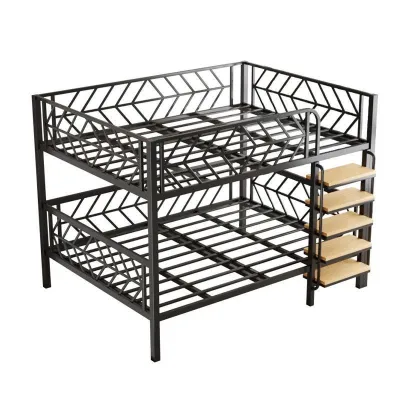
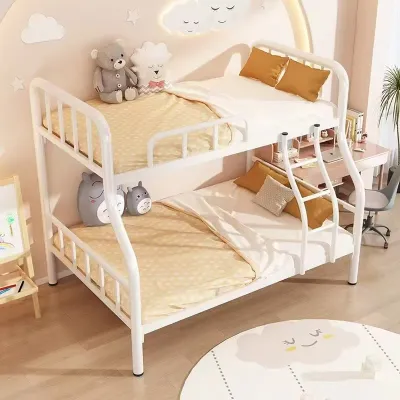
Accessing the top bunk safely requires a well-designed ladder or staircase that matches your child’s physical capabilities. When comparing different bunk bed frames, you will generally choose between a vertical straight ladder, an angled ladder, or built-in storage stairs. Straight ladders are highly space-efficient, making them popular for smaller rooms, but they require greater upper-body strength and coordination to climb. Angled ladders offer a gentler slope that is easier to navigate, while wide staircases with handrails provide the most stable and secure climbing path, making them ideal for younger children.

Regardless of the style you choose, pay close attention to the design of the steps or rungs. Narrow, round metal rungs can be painful on bare feet and offer limited traction, increasing the risk of slips. Look for ladders with wide, flat steps that provide a comfortable and secure platform for the entire foot. Additionally, the steps should feature anti-slip treads, textured surfaces, or grip tape to ensure secure footing even if your child is wearing socks.
The method used to attach the ladder to the bed frame is another crucial safety checkpoint. Avoid ladders that simply hook over the top rail without any locking mechanism, as these can easily lift, slide, or detach when a child climbs them. Instead, look for ladders that are securely bolted directly to the bed frame at both the top and bottom connection points. This rigid attachment prevents any shifting or wobbling, ensuring the ladder remains a stable pathway for years to come.
Frame Stability and Weight Capacity
A bunk bed frame must be structurally sound to withstand the dynamic forces of children climbing, rolling, and moving throughout the day and night. Before purchasing, locate the manufacturer’s official weight capacity rating for both the top and bottom bunks. This rating must accommodate not only the weight of your children as they grow but also the weight of the mattresses, bedding, and any toys. Keep in mind that the top bunk typically has a lower weight limit than the bottom bunk, and this limit must be strictly respected to prevent structural fatigue.
During a physical inspection in a showroom, pay close attention to the materials and connection points of the frame. Solid hardwood frames and heavy-gauge metal frames offer the greatest stability, whereas cheap composite woods may degrade or strip at the joint connections over time. Inspect the hardware used to assemble the frame; high-quality bunk beds utilize heavy-duty bolts and metal-on-metal barrel nuts rather than simple wood screws. Metal-on-metal connections can be tightened repeatedly without damaging the material, ensuring the frame remains rigid and squeak-free.
The mattress support system is another area where structural integrity is paramount. Verify that the slats are made of sturdy wood or metal and are securely fastened to the side rails of the bed frame. A center support rail with additional legs is highly recommended for double or full-sized bottom bunks to prevent sagging. While inspecting the frame, run your hands along the edges and corners to check for sharp protrusions, exposed bolt heads, or rough splinters that could cause scratches or cuts during daily use.
Age Limits and Household Safety Rules
Even the most securely built bunk bed frame can become hazardous if used inappropriately. Manufacturer guidelines universally recommend that the top bunk should not be used by children under the age of six. Younger children often lack the motor skills, balance, and spatial awareness required to safely navigate the ladder and sleep at an elevated height. When planning your children’s room sharing arrangement, ensure the older child is assigned to the top bunk and is fully comfortable with the height before allowing them to sleep there.
Establishing clear, non-negotiable household safety rules is essential for preventing accidents. Children must understand that a bunk bed is a place for sleeping and quiet reading, not a playground. Prohibit jumping on both the top and bottom bunks, as this exerts extreme dynamic forces that can compromise the frame’s joints and slats. Additionally, enforce a strict rule against hanging any items from the bed frame, including belts, jump ropes, bags, or clothing. These items can easily create a strangulation hazard if a child entangles themselves while playing or climbing.
To maintain the safety of the bunk bed over time, implement a routine maintenance schedule. Every few months, perform a quick inspection of the entire frame. Check all connection bolts and tighten any that have loosened due to the natural shifting of the wood or metal. Inspect the ladder attachments to ensure they remain rock-solid, and examine the wooden slats or metal mesh for any signs of cracking, bending, or wear. Taking a few minutes to perform these checks ensures that the bed remains as safe as the day it was assembled.
Ceiling Clearance and Room Placement
Proper room placement and spatial measurements are just as important as the safety features built into the bed frame itself. Before finalizing your purchase, measure your room’s ceiling height carefully. In Singapore, where standard residential ceilings are around 2.6 meters, you must ensure there is sufficient clearance above the top bunk. Ideally, there should be at least 75 to 90 centimeters of open space between the top of the mattress and the ceiling. This clearance allows your child to sit up comfortably in bed to read or adjust their blankets without risk of bumping their head.
The position of the bunk bed relative to other fixtures in the room is another critical safety factor. Never place a bunk bed directly beneath or adjacent to a ceiling fan or a hanging light fixture. A child sitting up or climbing onto the top bunk could easily come into contact with moving fan blades or hot light bulbs, leading to severe injuries. Maintain a safe distance of at least 1 meter between the bed frame and any overhead fixtures.
Additionally, consider the proximity of the bed to windows, electrical outlets, and wall decorations. Avoid placing the top bunk directly next to a window, even if the window has safety grilles installed. Keep the bed away from window blind cords, curtain strings, and heavy wall-hung shelving or framed pictures that could fall onto the bed. By carefully planning the layout of the room, you create a protective buffer zone around the bunk bed, minimizing external hazards.
Frequently Asked Questions (FAQ)
Does a bunk bed need a specific safety certification in Singapore?
While there is no single mandatory local certification exclusive to Singapore for residential bunk beds, reputable manufacturers design their frames to comply with recognized international safety standards. When shopping, look for labels indicating compliance with standards such as EN 747 (the European standard for bunk beds) or ASTM F1427 (the American standard). These certifications verify that the frame has undergone rigorous testing for structural strength, stability, guardrail height, and entrapment hazards. If you cannot find these safety marks on the product packaging or the frame itself, ask the retailer to provide the manufacturer’s test reports or compliance documentation to verify the bed’s safety credentials.
How thick should the mattress be for the top bunk?
The thickness of the mattress on the top bunk directly impacts the effectiveness of the guardrails. If you install a mattress that is too thick, it will reduce the remaining height of the guardrail, making it easier for a child to accidentally roll over the edge. Most manufacturers specify a maximum mattress thickness for the top bunk, which is typically between 15 and 20 centimeters. Many bunk bed frames feature a safety line or warning label printed on the inside of the guardrail indicating the maximum allowable mattress height. Always measure the mattress thickness before purchasing and strictly adhere to the manufacturer’s guidelines to ensure the guardrails can perform their protective function effectively.
Community discussion
Share your experience or ask a question. Comments are reviewed before publication.