
Selecting a bunk bed with desk is an excellent way to maximize floor space in a child’s bedroom, especially in space-constrained urban homes. However, combining a high sleeping platform with an active study workspace introduces specific safety considerations that require careful evaluation before making a purchase. To ensure a secure environment for both sleep and study, parents must look beyond aesthetics and focus on structural integrity, precise dimensions, and certified safety features.
Before finalizing your purchase, prioritize verifying the guardrail height relative to the mattress, the robustness of the connection points between the desk and the bed frame, and the inclusion of reliable wall-anchoring hardware. Checking these critical elements helps prevent falls, structural failures, and tip-over accidents, providing peace of mind and a safe space for your child.
Evaluating Structural Stability and Weight Limits
When assessing a bunk bed with desk, structural stability is the foundation of safety. Because these units support a sleeping child above and a functional workspace below, they experience dynamic forces from both climbing and daily desk use. Begin by checking the manufacturer-stated weight limits for both the top bunk and the integrated desk surface. These limits must comfortably accommodate the weight of your child, the mattress, bedding, and any heavy study equipment like laptops, books, and desk lamps. Keep in mind that weight capacities are not standardized across brands, making it essential to verify the exact specifications for each model.
Products mentioned in this guide
![LXE [Pre order] Solid Wood Bunk Bed with Desk Wardrobe Compact High Low Bed Combo for Kids Space-Saving Design](https://img.lazcdn.com/g/p/4db09eabd74d16a273c343b37191c575.jpg_400x400q80.jpg_.webp)
![LXE [pre-order]Cream Style Solid Wood High Low Bunk Bed Integrated Desk Bed Table Combination for Small Family Kids Student](https://img.lazcdn.com/g/p/49ecc5c15b63badcbd71b86e272b3fc5.png_400x400q80.png_.webp)
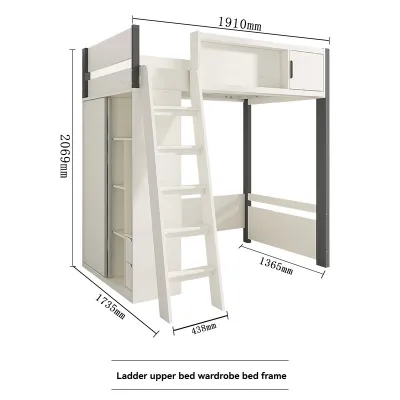
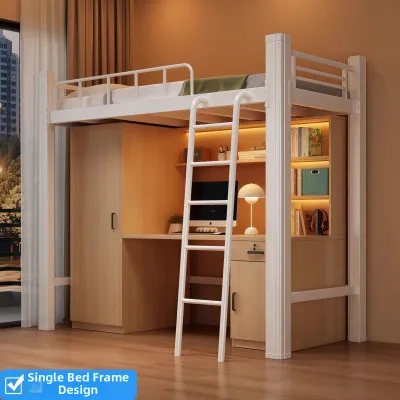
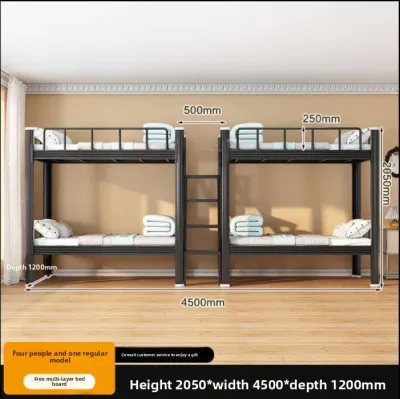
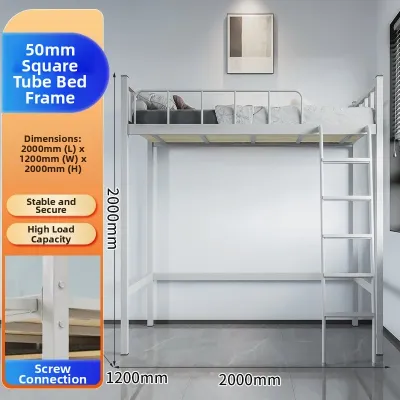
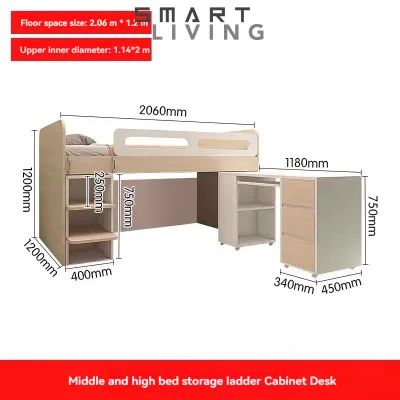
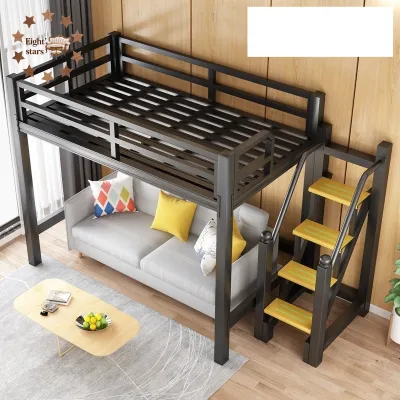
Prices are valid at publication and may change. Please refer to the product page for the latest price.
Examine the connection points where the desk meets the bed frame. High-quality units utilize heavy-duty metal-on-metal connectors, such as barrel nuts and bolts, rather than simple wood screws that can strip over time. Inspect the frame for wobble by physically testing a display model if possible, or by checking assembly diagrams for cross-bracing and corner gussets. A stable unit should not sway or creak when pressure is applied to the desk or when climbing the ladder. If the frame feels flexible or unstable during a physical check, it may lack the necessary bracing for long-term safety.
To prevent catastrophic tip-over accidents, look for included anti-tip kits or wall-anchoring hardware. A lofted bed with an attached desk has a high center of gravity, which can shift when a child climbs the frame or leans heavily on the desk edge. Securing the unit to the wall is a critical safety step. Ensure the included hardware is compatible with your home’s wall type, such as concrete anchors for solid masonry walls or heavy-duty toggle bolts for drywall studs.
Finally, look for recognized safety certification marks on the product packaging, labels, or user manuals. Certifications from established testing bodies indicate that the furniture has undergone rigorous testing for structural strength, material safety, and entrapment hazards. Avoid relying solely on vague marketing claims of durability; instead, look for explicit references to international safety standards to confirm the unit’s structural integrity.
Fall Prevention: Guardrails, Gaps, and Mattress Fit
Falls from the top bunk represent a significant safety risk, making guardrail design and mattress selection critical areas of inspection. The guardrail must provide a continuous, robust barrier around all four sides of the top bunk, including the side that will face the wall. Gaps between the bed and the wall can still present entrapment or fall hazards if a child slips through, so a rear guardrail is non-negotiable.

When evaluating guardrails, the most critical measurement is the distance from the top of the mattress to the top of the guardrail. Safety standards dictate that the guardrail must extend at least 12.7 centimeters (5 inches) above the top surface of the mattress. This means you cannot choose a mattress based on comfort alone; you must verify the manufacturer’s maximum recommended mattress thickness. Installing a mattress that is too thick reduces the effective height of the guardrail, significantly increasing the risk of a child rolling over the barrier during sleep.
Next, inspect the gaps between the individual slats of the guardrail, as well as the gap between the bottom rail and the bed frame. These openings must be narrow enough to prevent a child’s head, torso, or limbs from becoming trapped. Generally, gaps should be smaller than 9 centimeters (3.5 inches) to eliminate entrapment risks. Ensure that all slats are securely fastened and do not flex or bend when pressure is applied.
Additionally, check the fit of the mattress within the bed frame. The mattress should fit snugly on all sides, leaving no significant gaps between the mattress edge and the bed frame. A loose-fitting mattress can shift during the night, creating dangerous voids where a child’s limbs could become wedged. Always measure the inner dimensions of the bed frame and compare them directly with the mattress dimensions before purchasing.
Safe Access and Integrated Desk Ergonomics
Getting up to the bed and sitting down to study both require safe, ergonomic designs that accommodate a child’s physical proportions. Begin by inspecting the climbing mechanism, whether it is a ladder or a built-in staircase. Ladders should be securely bolted to the main frame of the bed rather than simply hooked over the edge, as hooks can slip or lift during use. Look for wide, flat treads rather than narrow, round rungs, as flat steps provide better traction and reduce the risk of slipping, especially when wearing socks.
If the unit features a staircase, verify that it includes a sturdy handrail and slip-resistant step surfaces. Staircases often double as storage drawers, which is excellent for space-saving but requires checking that the drawer slides operate smoothly and do not create tripping hazards when left partially open. Ensure the climbing path is completely clear of the desk area so that a child climbing down in the dark does not step onto the desk surface or collide with a chair.
Under-bed ergonomics are equally important for the study area. Measure the vertical clearance between the desk surface and the underside of the bed frame to ensure your child has adequate headroom. They should be able to sit upright at the desk without any risk of bumping their head when standing up. Similarly, check the leg clearance beneath the desk, ensuring there are no low-hanging support bars that restrict movement or cause painful knee bumps.
Examine the physical design of the desk itself. The edges and corners of the desk surface should be rounded rather than sharp to minimize the severity of accidental bumps. There must also be sufficient floor space around the desk for a study chair to slide in and out easily without blocking walkways or interfering with the ladder access. A cramped layout can lead to awkward sitting postures or tripping hazards in the room.
Room Placement, Assembly, and Ongoing Maintenance
Even the safest bunk bed with desk can become hazardous if it is poorly positioned, incorrectly assembled, or neglected over time. Before purchasing, carefully measure your child’s room, paying close attention to ceiling height. Ensure there is ample clearance between the top of the guardrail and the ceiling so your child can sit up comfortably in bed. Crucially, plan the layout to keep the top bunk far away from ceiling fans, light fixtures, windows, and blind cords, which pose severe strangulation and impact risks.
During assembly, follow the manufacturer’s instructions with absolute precision. Never skip steps, omit parts, or substitute hardware. If the manual specifies using a particular bracket or support bar, install it exactly as directed. When anchoring the unit to the wall, ensure you are drilling into solid wall studs or using appropriate masonry plugs for concrete walls. If you are unsure about your ability to assemble and anchor the unit securely, consider hiring a professional assembly service.
Once assembled, safety requires ongoing vigilance. Wood and metal can expand, contract, or shift slightly due to changes in room temperature and humidity, which can loosen joints over time. Establish a routine to inspect the bed and desk unit every few months. Check all bolts, screws, and brackets, and tighten any that have worked loose. Inspect the ladder attachments and the wall anchors to ensure they remain rock-solid.
Teach your child the rules of safe use, emphasizing that the top bunk is for sleeping only, not for jumping or rough play. If you ever detect structural damage, such as cracked wooden posts, bent metal supports, stripped screw holes, or a persistent wobble that cannot be resolved by tightening the hardware, discontinue use immediately. Contact the manufacturer or a professional furniture technician to source original replacement parts or to assess whether the unit can be safely repaired.
Frequently Asked Questions (FAQ)
What is the recommended minimum age for a child to use the top bunk?
Safety guidelines and industry standards generally recommend that children under six years of age should not sleep on the top bunk or use a lofted bed. Younger children often lack the coordination, balance, and developmental maturity required to safely navigate ladders and elevated platforms, especially when waking up disoriented in the dark. Always supervise younger siblings who may be tempted to climb the bed, and establish strict rules against playing on the ladder or top bunk.
Can I use a thicker mattress on the top bunk for extra comfort?
No, you should never exceed the manufacturer’s specified maximum mattress thickness for the top bunk. Doing so reduces the effective height of the guardrails, which must remain at least 12.7 centimeters (5 inches) above the top of the mattress to prevent falls. Always check the safety label on the bed frame for the maximum allowable mattress height before purchasing a mattress, and prioritize safety margins over extra mattress depth.
How do I know if the desk area is safe from tipping if my child leans on it?
To ensure the desk area remains stable when weight is applied, the entire bunk bed unit must be securely anchored to the wall using the manufacturer-provided anti-tip hardware. This anchoring prevents the high center of gravity from shifting forward. Additionally, check the desk’s specific load-bearing capacity, instruct your child not to sit or stand on the desk surface, and avoid hanging heavy bags or equipment from the outer edges of the frame.
Community discussion
Share your experience or ask a question. Comments are reviewed before publication.