
Creating a functional minimalist living room is not about stripping your home of personality or living in an empty, sterile space. Instead, it is a deliberate design approach focused on selecting a few highly intentional, versatile furniture pieces that serve your daily routines while preserving open floor space. By prioritizing a streamlined sofa, multi-functional tables, and smart concealed storage, you can establish a serene environment that feels spacious, remains highly usable, and resists the accumulation of daily clutter.
To achieve this balance, every item introduced into the room must justify its presence through utility, comfort, or clear aesthetic value. This approach is particularly beneficial in compact urban apartments, such as high-rise flats in Singapore, where floor area is at a premium and layout efficiency is paramount. By focusing on quality materials, smart proportions, and thoughtful placement, you can transform your living room into a peaceful retreat that feels open and organized.
Defining the Core Minimalist Living Room Layout
Establishing a successful minimalist layout requires defining the primary zones of your living room before purchasing any furniture. A standard functional layout consists of three essential zones: seating, surfaces, and concealed storage. By mapping out these zones on a floor plan, you can identify exactly what you need and prevent the temptation to overbuy accent pieces that serve no real purpose.
Products mentioned in this guide
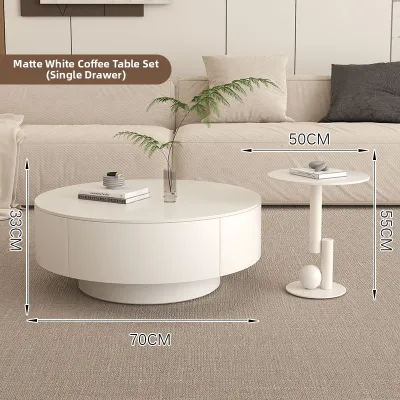
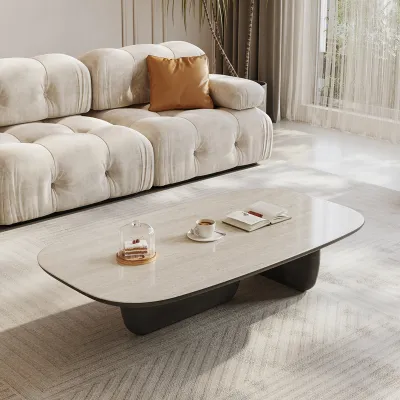
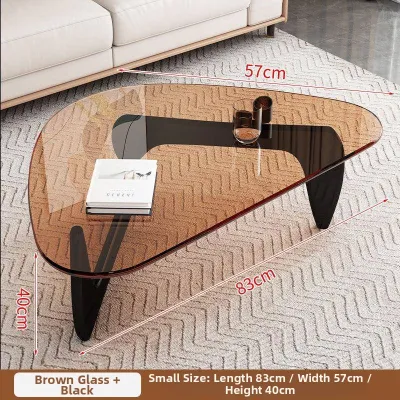
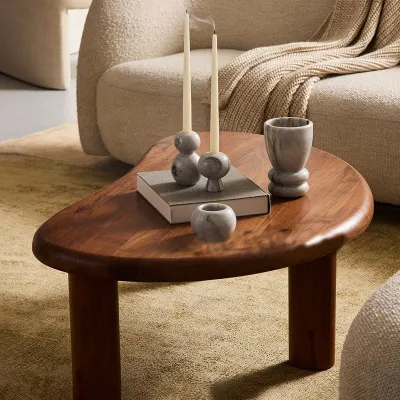

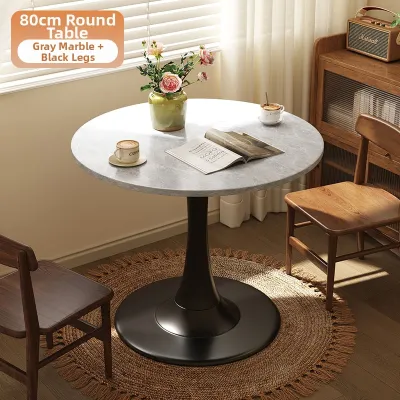
Prices are valid at publication and may change. Please refer to the product page for the latest price.
To begin, evaluate your household’s daily routines to eliminate redundant or purely decorative items. If your family primarily gathers around the dining table for conversation and uses the living room solely for evening relaxation, you may not need a sprawling sectional sofa or multiple accent chairs. A single, well-proportioned sofa paired with a lightweight lounge chair often provides sufficient seating while keeping the room’s footprint open and flexible.
Visual weight and floor clearance are critical factors when planning a minimalist layout. Furniture that sits flat on the floor with solid, blocky bases absorbs light and makes a room feel smaller and heavier. To maintain an airy atmosphere, select pieces that feature raised legs or wall-mounted designs. Keeping the floor visible beneath your furniture creates an illusion of continuous space, making the entire room feel larger and significantly easier to clean.
Selecting the Right Minimalist Sofa
The sofa is almost always the focal point of the living room, meaning its design sets the tone for the entire space. When selecting a minimalist sofa, look for clean silhouettes with low-back profiles, streamlined arms, and exposed legs. Low-back designs keep sightlines open across the room, while narrow or track arms maximize the actual seating area without expanding the sofa’s overall external footprint.

Material selection is equally important, especially in warm or humid climates where comfort and maintenance are top priorities. Before buying, review the manufacturer’s care labels and material specifications to verify stain resistance, breathability, and cleaning codes. Performance fabrics, tight flat weaves, and high-quality leather are excellent options to check, as they tend to withstand daily wear while remaining straightforward to clean with standard upholstery care methods.
Scale and modularity must be carefully verified against your available floor space. Measure the wall or area where the sofa will sit, ensuring there is at least 30 to 45 centimeters of breathing room on either side rather than wedging the piece tightly into a corner. Modular sofas are highly advantageous for minimalist spaces because they allow you to customize the configuration to fit your exact room dimensions, and they can be easily rearranged or downsized if your living situation changes.
Choosing Functional and Unobtrusive Tables
Coffee and side tables should provide daily utility without adding unnecessary visual weight to the center of your living room. To maintain clear sightlines, explore design features such as nesting tables, glass-topped surfaces, or slender metal frames. Nesting tables are particularly useful because they can be stacked together to save space when not in use and expanded when you have guests.
Multi-functional tables with hidden storage are excellent tools for keeping surfaces clear of daily clutter. Look for coffee tables that feature integrated drawers, lower shelves, or lift-top mechanisms that conceal remote controls, chargers, and reading materials. By keeping these small items tucked away, you preserve the clean, unadorned look of the table’s top surface.
When positioning tables, apply strict proportion rules to ensure comfortable movement throughout the room. The height of your coffee table should align closely with the height of your sofa’s seat cushions, typically within 5 centimeters. Additionally, maintain a walkway clearance of 30 to 45 centimeters between the edge of the sofa and the table to allow for easy leg movement and comfortable traffic flow.
Smart Storage Solutions to Prevent Clutter
Minimalism cannot exist without effective storage that hides everyday items from view. The key to successful minimalist storage is balancing closed cabinets with minimal open shelving. Closed cabinets are ideal for concealing visual noise, such as gaming consoles, board games, and paperwork, while a single open shelf can be reserved for a highly curated display of books or a single ceramic piece.
Floating media consoles are a premier choice for minimalist living rooms because they mount directly to the wall, completely exposing the floor underneath. This design choice not only simplifies vacuuming and mopping but also enhances the feeling of spaciousness by eliminating bulky furniture legs. When planning to install a floating console, verify the wall type (such as concrete or drywall) to ensure you use the correct mounting hardware and anchors.
Before finalizing a storage purchase, check the product specifications for built-in cable management features and weight capacity. High-quality consoles often include pre-drilled grommets or hidden channels to route power cords and HDMI cables out of sight. Additionally, ensure the unit’s rated weight capacity safely accommodates your television, media boxes, and any decorative items you plan to place on top.
Lighting and Accent Pieces for Minimalist Spaces
Rather than filling a room with numerous small decorative items, a minimalist approach relies on a few intentional, high-quality accent pieces to add warmth and character. Lighting is an excellent way to introduce functional art into the space. Select statement lighting with sculptural or streamlined profiles, such as a matte-finished arching floor lamp or a sleek, geometric pendant light that draws the eye upward.
When decorating walls, adopt a “less but better” philosophy. Instead of creating a busy gallery wall with multiple small frames, choose one large-scale, high-quality artwork to anchor the room. A single focal point gives the eye a clear place to rest, reducing visual stimulation and reinforcing the calm, orderly atmosphere of the space.
Incorporating natural elements is another effective way to soften the clean lines of minimalist furniture without adding clutter. A single, well-placed indoor plant—such as a fiddle-leaf fig, monstera, or snake plant—housed in a simple, unadorned ceramic planter adds organic texture and color. Choose a plant size that matches the scale of your room, ensuring it complements the layout rather than crowding walkways or blocking natural light.
Pre-Purchase Checklist for Minimalist Furniture
To avoid costly returns and unwanted clutter, it is essential to verify spatial compatibility and functional needs before committing to any furniture purchase. Use this practical checklist to guide your decision-making process:
- Measure Delivery Clearance: Measure the width, height, and diagonal depth of the furniture piece. Compare these dimensions against your home's entry path, including lift doors, stairwell turns, hallway widths, and the front door frame to guarantee a smooth delivery.
- Verify Product Specifications: Check the manufacturer's spec sheets for exact dimensions, weight limits, and assembly requirements. Determine if the piece requires professional installation or specialized tools that you do not own.
- Review Material Care Instructions: Ensure the materials align with your lifestyle and maintenance preferences. Check if wood surfaces require periodic oiling, or if fabrics need specialized dry cleaning.
- Apply the Replacement Rule: To maintain your minimalist baseline over time, commit to a strict "one-in, one-out" policy. If you purchase a new accent chair or side table, plan to sell, donate, or recycle an existing piece to prevent furniture accumulation.
Frequently Asked Questions (FAQ)
How do I maintain a minimalist living room with kids or pets?
Maintaining a minimalist aesthetic in an active household requires prioritizing durable, easy-to-clean materials and smart storage. Look for performance fabrics that resist stains and can be easily wiped down, and choose furniture with rounded corners rather than sharp edges to ensure safety. Utilize multi-functional furniture, such as storage ottomans or closed sideboards, to quickly sweep toys, pet accessories, and blankets out of sight at the end of the day.
Is it okay to mix different materials in a minimalist living room?
Yes, mixing materials is highly recommended because it adds necessary texture and warmth, preventing a minimalist room from feeling cold or sterile. To maintain visual cohesion, use a restrained color palette of neutrals and earth tones to unify different materials like natural wood, matte metal, and glass. Repeating one or two core finishes—such as a specific oak tone or black powder-coated metal—across different pieces will tie the entire space together beautifully.
Community discussion
Share your experience or ask a question. Comments are reviewed before publication.