
Selecting the right outdoor furniture cover in Singapore requires a careful balance of water resistance, breathability, and structural stability. Because of the island’s unique tropical climate, a basic plastic sheet is rarely sufficient. To protect your balcony or patio investments, a high-quality cover must feature robust waterproof fabrics with sealed seams, built-in ventilation to prevent mold, secure anchoring systems to withstand sudden squalls, and UV-resistant treatments to combat intense, year-round sunlight.
By focusing on these specific material and design features, you can prevent moisture from becoming trapped against your furniture, stop wind from blowing the cover away, and shield your outdoor tables and chairs from premature fading and cracking.
How Singapore's Climate Affects Outdoor Furniture and Covers
Singapore’s tropical rainforest climate presents a relentless combination of high humidity, heavy rainfall, and intense solar radiation. With relative humidity levels frequently exceeding 80 percent, moisture is a constant threat. When unprotected furniture is exposed to this damp air, metal frames can rust, wooden structures can warp or rot, and synthetic wicker can degrade.
Products mentioned in this guide
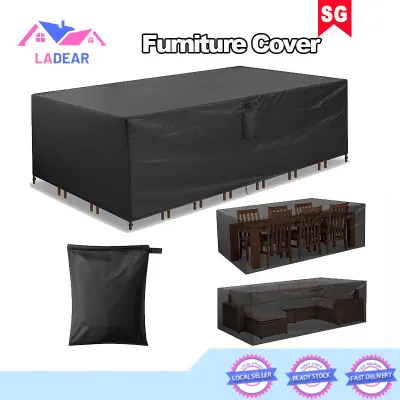
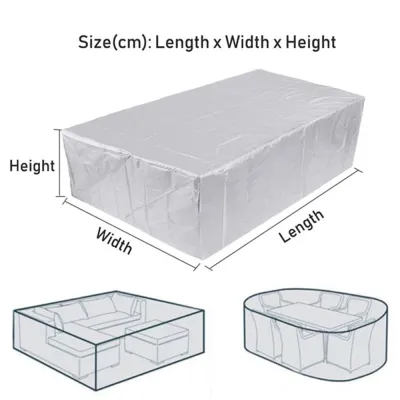
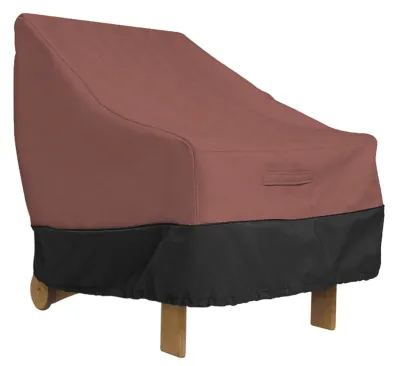
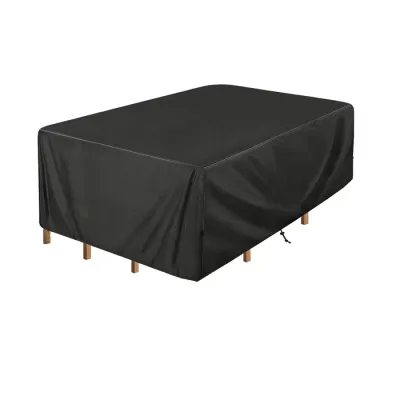
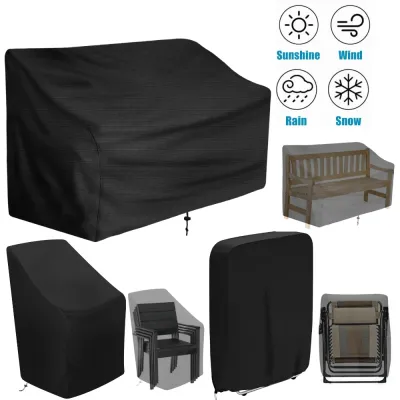
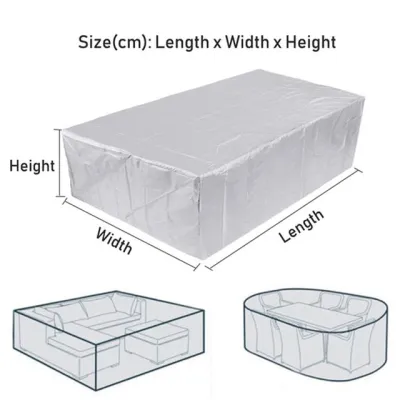
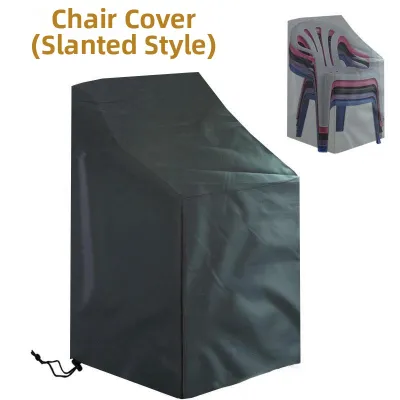
Prices are valid at publication and may change. Please refer to the product page for the latest price.
The island also experiences sudden, heavy downpours, particularly during the monsoon seasons. These intense rain events can quickly pool water on flat surfaces, putting immense pressure on fabric seams. If a cover lacks proper water-shedding capabilities, the weight of the pooled water can stretch the material or seep through to the furniture below.
Furthermore, the equatorial sun delivers high levels of ultraviolet (UV) radiation throughout the year. This constant exposure breaks down the chemical bonds in unprotected plastics, fabrics, and wood finishes. Over time, this leads to severe fading, surface cracking, and structural brittleness, rendering both the furniture and low-grade covers unusable within a few seasons.
Essential Material Properties for Rain and Humidity Protection
When evaluating materials for an outdoor furniture cover, water resistance is the first line of defense. Look for heavy-duty fabrics, such as high-denier polyester or solution-dyed acrylic, which are designed to repel water. It is important to check the manufacturer’s specifications for water resistance ratings and to verify whether the cover features seam-sealed construction, where the stitching is reinforced with waterproof tape to prevent water from dripping through the needle holes.

However, keeping water out is only half the battle; allowing trapped moisture to escape is equally critical. In Singapore’s humid environment, condensation naturally forms under tight covers as temperatures fluctuate. To prevent this moisture from turning into a breeding ground for mold and mildew, choose covers made from breathable materials or those equipped with built-in ventilation panels. These vents allow air to circulate freely, keeping the interior dry even during prolonged damp spells.
The inner surface of the cover also deserves close attention. Rough backing materials can rub against your furniture during windy conditions, scratching delicate wood finishes, powder-coated metal frames, or glass tabletops. Opt for covers that feature a soft, non-abrasive inner lining, such as a brushed polyester or fleece layer, which cushions the furniture and prevents surface abrasions.
Design Features for Secure Fit and Water Runoff
A cover can only protect your furniture if it stays firmly in place. Singapore’s weather is known for sudden wind gusts, particularly during afternoon squalls. To prevent your cover from ballooning or blowing away entirely, look for robust anchoring systems. Adjustable hem cords, elasticized hems, and heavy-duty buckle straps that loop around the legs of your furniture provide the necessary wind resistance to keep the cover secure.
Water accumulation is another common issue that can damage both the cover and the furniture underneath. Flat surfaces on tables and deep sofa seats naturally invite water to pool. To combat this, look for covers designed with sloped profiles, or consider using a support pole or water-shedding device underneath the cover. Elevating the center of the cover creates an artificial slope, encouraging rainwater to run off the sides immediately rather than pooling in the center.
When choosing between custom-fit and universal covers, consider the trade-offs in fit and performance. Universal covers are widely available and generally more affordable, but they may fit loosely, leading to excess fabric that flaps in the wind and collects water. Custom-fit covers, or those designed for specific furniture shapes, offer a snug fit that minimizes wind resistance and reduces the risk of water pooling, though they require precise matching to your furniture’s dimensions.
UV Protection and Heat Management Considerations
To survive the intense equatorial sun, an outdoor furniture cover must possess excellent UV resistance. Untreated fabrics will quickly become brittle, fade, and tear under constant sun exposure. Look for materials that are specifically treated with UV inhibitors during the manufacturing process, or opt for solution-dyed fabrics where the color pigments are added before the fibers are spun, ensuring deep-seated resistance to fading and sun damage.
Heat management is another factor that influences the lifespan of your furniture. Dark-colored covers absorb significant amounts of solar heat, raising the temperature underneath the cover. This trapped heat can warp plastic components, soften adhesives, or cause wooden joints to expand and weaken. Choosing reflective, light-colored, or neutral-toned covers helps deflect solar radiation, keeping the temperature under the cover more stable.
When shopping, take a close look at the manufacturer’s warranty terms, particularly regarding UV degradation and color fading. A warranty that specifically covers UV-related damage is often a reliable indicator of the manufacturer’s confidence in the material’s durability. It suggests the fabric has been engineered to withstand prolonged sun exposure without losing its structural integrity.
Step-by-Step Guide to Measuring and Choosing the Right Cover
Finding a cover that fits correctly is essential for effective protection. Follow these steps to measure your outdoor furniture accurately before making a purchase:
- Measure the overall width and length: For a dining set, push all the chairs completely under the table and measure the outermost edges from one side to the other. For sectional sofas, measure each piece individually or as a combined unit depending on whether you plan to cover them together or separately.
- Measure the height: Measure from the ground to the highest point of the furniture, which is typically the back of a chair or sofa. Note that the cover should be slightly shorter than the actual height of the furniture—ideally leaving a gap of 2 to 5 centimeters from the ground—to prevent the hem from dragging in puddles and to allow air to circulate from underneath.
- Account for protrusions: Take note of any unusual shapes, such as wide armrests, reclined backs, or decorative features that extend beyond the main frame, and include them in your maximum dimensions.
Once you have these measurements, compare them carefully against the product dimensions listed on online marketplaces or in local retail shops. Avoid buying a cover that matches your measurements exactly; instead, select a cover that is slightly larger—by about 1 to 2 centimeters on each side—to allow for easy installation and removal without putting undue stress on the seams.
Routine Maintenance to Extend Cover Lifespan
Proper maintenance ensures that your outdoor furniture cover continues to provide reliable protection over its lifespan. Clean the cover regularly to remove dust, bird droppings, and organic debris, which can degrade the fabric and encourage mold growth. Use a soft brush or sponge with mild soap and lukewarm water to gently scrub the surface, avoiding harsh chemical detergents, bleach, or high-pressure washers that can strip away the waterproof coatings.
After cleaning, or after a heavy rainstorm, always allow the cover to dry completely before folding or storing it. Folding a damp cover traps moisture within the creases, leading to rapid mildew growth and unpleasant odors. Hang the cover in a shaded, well-ventilated area until it is bone dry.
Finally, perform periodic inspections of the cover’s critical points. Check the seams for loose threads, inspect the buckle straps and drawcords for fraying, and look for any small tears or thinning areas in the fabric. Addressing minor wear early—or replacing the cover when the fabric begins to feel brittle or thin—will ensure your outdoor furniture remains fully protected from Singapore’s demanding weather.
Frequently Asked Questions (FAQ)
Can I use a standard tarp instead of a purpose-built furniture cover?
Standard blue or silver tarps are generally unsuitable for long-term outdoor furniture protection. While they are waterproof, they lack the tailored fit, secure buckle straps, and aesthetic appeal of purpose-built covers. More importantly, standard tarps are not breathable, which traps humidity underneath and creates a greenhouse effect that accelerates mold, mildew, and rust on your furniture. They also tend to flap loudly in the wind and degrade quickly under intense UV exposure.
How often should I remove the cover to let the furniture breathe?
It is highly recommended to remove the cover at least once every two to three weeks, especially during dry, sunny spells. Removing the cover allows any trapped condensation or humidity to evaporate completely. Take this opportunity to wipe down the furniture surfaces, check for any signs of mold or pests, and let both the furniture and the underside of the cover air out for a few hours before replacing it.
Community discussion
Share your experience or ask a question. Comments are reviewed before publication.