
To protect outdoor furniture from Singapore’s intense tropical climate, a high-quality outdoor furniture cover must offer more than basic dust protection. The ideal cover must feature robust waterproofing with sealed or taped seams, verified UV resistance to prevent material degradation, active ventilation to combat high humidity, and secure fastening mechanisms to withstand sudden monsoon winds. Relying on a generic cover without these specific features often leads to trapped moisture, accelerated mold growth, and rapid fabric breakdown.
Singapore’s weather presents a unique combination of environmental challenges: high relative humidity year-round, frequent heavy downpours, and intense UV radiation. When outdoor furniture is left exposed on open balconies, patios, or rooftop gardens, these elements work together to degrade materials quickly. Understanding how to evaluate and select the right protective cover is essential for preserving your outdoor investment.
Matching Cover Features to Local Weather Threats
Before purchasing an outdoor furniture cover, assess how your specific furniture materials react to tropical weather. Natural wood furniture, such as teak or acacia, is highly susceptible to moisture retention, which can cause warping, splitting, or deep-seated mold. Metal furniture, including wrought iron and steel, faces the constant threat of rust and corrosion when exposed to rain and high humidity. Even synthetic wicker can become brittle and crack under prolonged exposure to intense ultraviolet rays.
Products mentioned in this guide
![🇸🇬 [New Product Sale] Heavy Duty Outdoor Furniture Cover Waterproof Rainproof Tear and Fade Resistant](https://img.lazcdn.com/g/p/ff06093c393005e90b10d4599bd3bea1.jpg_400x400q80.jpg_.webp)
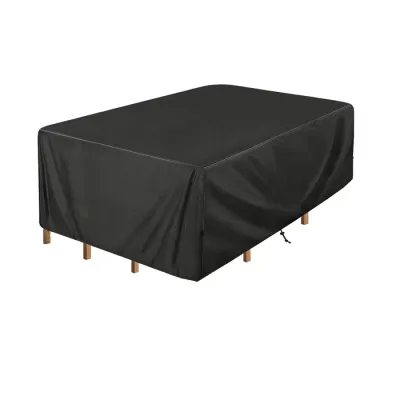
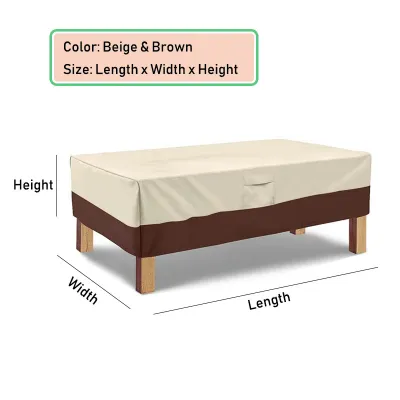
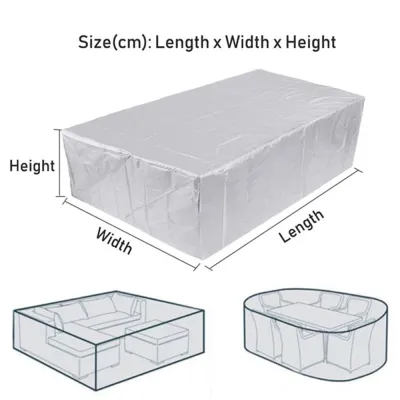
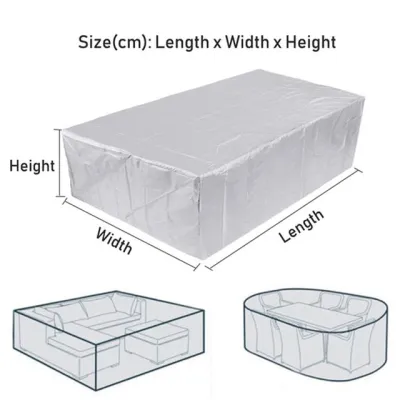
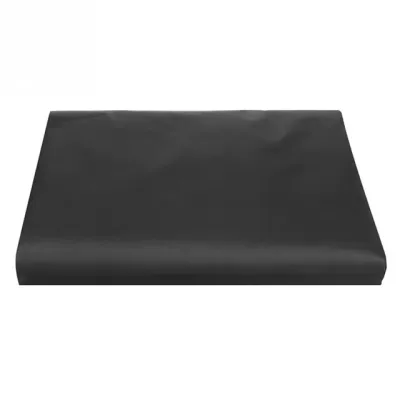
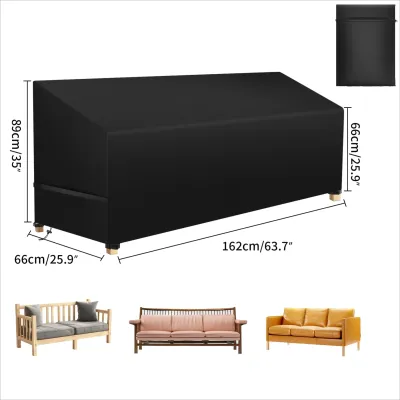
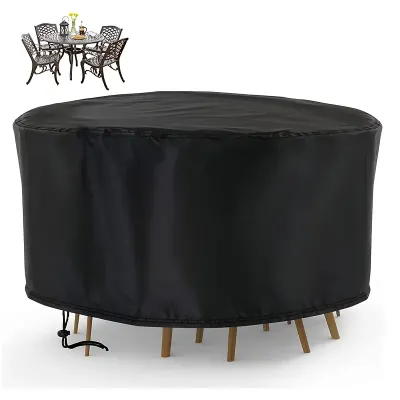
Prices are valid at publication and may change. Please refer to the product page for the latest price.
Your furniture’s physical location also dictates which cover features you should prioritize. If your furniture sits on a fully exposed high-rise balcony, it will bear the full brunt of midday sun and driving monsoon rains, making UV resistance and heavy-duty wind fastenings paramount. Conversely, if your furniture is placed on a partially shaded ground-floor patio, it may be shielded from direct sunlight but will face rising ground moisture and stagnant air. For these shaded areas, maximizing breathability and ventilation is the most critical factor to prevent mold and mildew from thriving in the damp environment.
Verifying Waterproofing and Seam Construction
When shopping for an outdoor furniture cover, distinguish between “water-resistant” and “waterproof” labels. Water-resistant covers are typically treated with a light water-repellent coating that allows water to bead up and roll off during a light shower. However, during Singapore’s intense monsoon downpours, water-resistant fabrics will eventually saturate, allowing moisture to seep through. For reliable year-round protection, look for covers explicitly specified as fully waterproof.

The fabric itself is only part of the waterproofing equation; the seams are often the weakest point. Standard manufacturing processes use industrial sewing machines that pierce the fabric, leaving thousands of tiny needle holes along every seam. During heavy rain, water pools in the crevices of the cover and slowly leaks through these needle holes. To prevent this, inspect the product specifications for sealed, taped, or welded seams. Taped seams feature a specialized waterproof tape applied under heat and pressure over the interior stitching, effectively sealing the needle holes and preventing water ingress.
Additionally, verify the presence of inner waterproof coatings or laminates. High-quality covers often feature a durable outer fabric layer, such as solution-dyed polyester, paired with a thermoplastic polyurethane (TPU) or polyvinyl chloride (PVC) inner lining. This multi-layer construction ensures that even if the outer fabric becomes saturated during prolonged rain, the inner barrier prevents water from reaching the furniture. Always check the manufacturer’s technical specifications to confirm the presence of these internal protective layers rather than relying solely on visual appearance.
Identifying UV Resistance on Product Labels
Singapore’s proximity to the equator means outdoor furniture covers are subjected to intense, direct sunlight throughout the year. Over time, ultraviolet (UV) radiation breaks down the chemical bonds in untreated plastics and synthetic fibers, leading to color fading, loss of material strength, and eventual cracking or tearing. To ensure your cover survives more than a few months of sun exposure, you must verify its UV resistance properties before purchasing.
Look for manufacturer specifications that explicitly detail UV-treated fabrics or the inclusion of UV-inhibitor additives. High-quality covers often use solution-dyed fabrics, where the color pigments and UV inhibitors are mixed into the polymer melt before the fibers are extruded. This process ensures the UV protection is embedded throughout the entire thread, rather than just applied as a temporary surface coating. Check for specific ratings, such as a high ultraviolet protection factor (UPF) or a specified number of hours of tested UV resistance, which indicate a higher level of durability.
It is important to recognize that a material name alone does not guarantee UV resistance. For example, while polyester and canvas are strong materials, an untreated polyester cover will degrade rapidly under tropical sun. Do not assume a cover is UV-resistant simply because it feels heavy or durable. Always look for explicit confirmation of UV treatment on the product label. Furthermore, review the manufacturer’s warranty terms; a warranty that specifically covers UV degradation or premature fading is a reliable indicator that the manufacturer has engineered the product to withstand prolonged sun exposure.
Prioritizing Breathability and Ventilation to Prevent Mold
In a high-humidity environment like Singapore, preventing water from entering is only half the battle. You must also prevent moisture from becoming trapped underneath the cover. When warm, humid air is trapped under a completely sealed, non-breathable cover, condensation forms as the temperature drops in the evening. This trapped moisture, combined with tropical warmth, creates an ideal breeding ground for mold, mildew, and wood rot, which can ruin your furniture faster than rain itself.
To combat this, prioritize covers with built-in ventilation features. Look for covered mesh vents strategically positioned along the sides of the cover. These vents are designed with protective fabric flaps that face downward, allowing warm air and moisture vapor to escape while preventing wind-driven rain from entering. For larger furniture sets, such as outdoor dining tables or sectional sofas, ensure the cover has multiple vents to facilitate effective cross-ventilation and continuous airflow.
Compare breathable fabric technologies against standard, non-breathable plastic covers. While cheap plastic or vinyl covers are completely waterproof, they act like a greenhouse, trapping ground moisture and condensation. High-quality covers utilize breathable membranes or structured ventilation paths that allow microscopic water vapor molecules to pass out of the cover while blocking larger liquid water droplets from entering. Investing in a cover with proper ventilation is essential for maintaining the structural integrity and appearance of wood, metal, and fabric cushions alike.
Choosing Secure Fastenings for Heavy Rain and Wind
Sudden squalls and monsoon winds can easily lift and blow away unsecured furniture covers, leaving your outdoor items completely exposed to the elements. To prevent this, you must select a cover equipped with robust and reliable fastening mechanisms. Different furniture shapes and sizes require different securing methods to ensure the cover stays firmly in place during severe weather.
Compare the available fastening options to find the best match for your setup. Drawstring hems feature an adjustable cord running through the bottom edge of the cover, allowing you to pull it tight around the base of the furniture. This is highly effective for round tables or compact chair sets. Buckle straps, which click securely around individual furniture legs, offer the highest level of wind resistance. For maximum security, look for covers that combine both drawstrings and buckle straps. Elastic hem cords provide a snug, self-adjusting fit, but they can lose their elasticity over time when exposed to constant tropical heat.
When fitting the cover, ensure the dimensions allow for proper overlap and securement without stretching the material overly tight. A cover that is stretched to its absolute limit puts immense stress on the seams and zippers, making them prone to tearing during high winds. Additionally, check for reinforced grommets or tie-down points along the bottom edge. These allow you to thread extra bungee cords or ropes through the cover for added security during storm seasons. Padded handles are also a valuable feature, making it much easier to pull the cover on and off without putting unnecessary strain on the fabric.
Final Feature Checklist for Your Purchase Decision
To simplify your shopping process, use this consolidated checklist of essential features when comparing outdoor furniture covers online or in-store. A high-performance cover suitable for Singapore’s tropical climate should feature fully waterproof fabric with taped or sealed seams, verified UV-treated materials (preferably solution-dyed), built-in covered mesh vents for cross-ventilation, and a combination of adjustable drawstrings and heavy-duty leg buckles.
Be on the lookout for red flags that indicate a cover may not survive the local climate. Avoid covers with unsealed, standard-stitched seams, as these will inevitably leak during heavy downpours. Steer clear of covers that lack any form of ventilation, as they will trap humidity and promote mold growth. Finally, avoid products with vague material descriptions, such as “heavy-duty fabric,” that do not explicitly state waterproofing, UV resistance, or breathability specifications.
Accurate measurement is critical to ensuring your cover performs effectively. Before purchasing, measure the overall width, depth, and height of your furniture. For dining sets, push all chairs completely under the table and measure the entire outer perimeter. Always account for protruding elements like armrests, high backrests, or wheels. Choose a cover that is slightly larger than your measured dimensions—ideally by one to two centimeters—to allow for easy installation and removal, but avoid excessively loose covers that can sag, collect water pools, or flap violently in the wind.
Frequently Asked Questions (FAQ)
Do I need to remove a breathable cover when it rains heavily?
No, you do not need to remove a properly designed breathable cover during heavy rain. The breathable vents are engineered with protective, downward-facing flaps that deflect direct rain while allowing internal moisture vapor to escape. However, after an exceptionally heavy monsoon downpour, it is wise to check if any water has pooled on top of the cover and gently brush it off to prevent prolonged standing water from seeping through.
How often should I clean the outdoor furniture cover in a humid climate?
In Singapore’s humid climate, you should perform a visual inspection of your cover every few weeks. Clean it every three to six months, or whenever you notice dirt, bird droppings, or organic debris accumulating. Follow the manufacturer’s care label strictly, usually using a soft brush, mild soap, and cool water. Crucially, always allow the cover to dry completely in a shaded, well-ventilated area before folding, storing, or placing it back over your furniture to prevent mold and mildew from taking hold.
Community discussion
Share your experience or ask a question. Comments are reviewed before publication.