
Finding the perfect three-seater foldable sofa bed for your Housing & Development Board (HDB) flat requires balancing daily living comfort with overnight functionality. Because HDB living rooms often serve multiple purposes, a sofa bed must fit seamlessly into your layout without disrupting the flow of your home. To avoid buying a piece that is too bulky to unfold or impossible to bring through your front door, you must verify several critical dimensions before making a purchase. Taking precise measurements of your room, the furniture itself, and the delivery route ensures a smooth transition from store to home.
Measuring Your HDB Living Room Layout
Before browsing online marketplaces or visiting showrooms, you must establish the boundaries of your available floor space. Start by measuring the length and depth of the designated wall or corner where the sofa bed will sit. Use a metal tape measure for accuracy, and note down the maximum footprint your room can comfortably accommodate. Remember to measure from the face of the skirting board rather than the bare wall to get a realistic starting point.
Walkway clearances are equally vital for maintaining a comfortable home environment. In typical HDB layouts, keeping a clear pathway of at least 60 to 75 centimeters around your furniture allows family members to walk past without squeezing. When planning your layout, map out how the sofa bed will interact with other furniture pieces like coffee tables, TV consoles, and side tables. You may need to choose lightweight or wheeled secondary furniture that can be easily shifted when it is time to convert the sofa into a bed.
Products mentioned in this guide
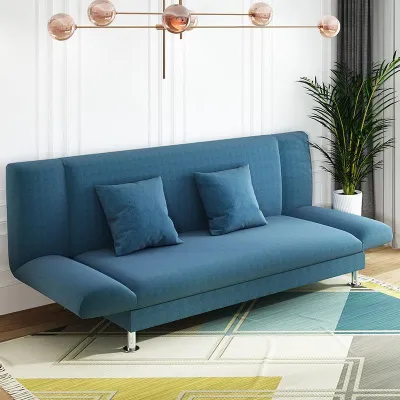
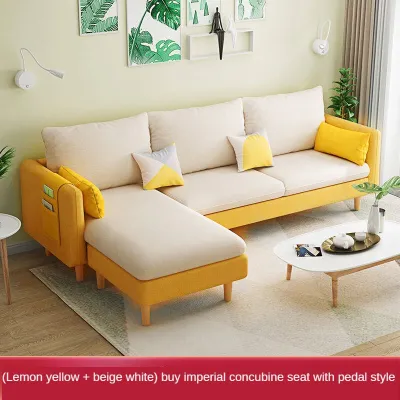
![[SG Seller] Fabric Sofa Bed 3 Seater Sofabed Fast Delivery From Singapore. Free Assembly. High Quality Sofas and Sofabeds. 1 Year Warranty. Fast Delivery from Singapore.](https://img.lazcdn.com/g/p/348901f321b96fa2ba1866c7a1619f40.jpg_400x400q80.jpg_.webp)
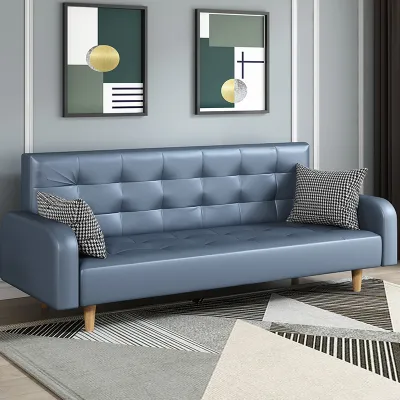
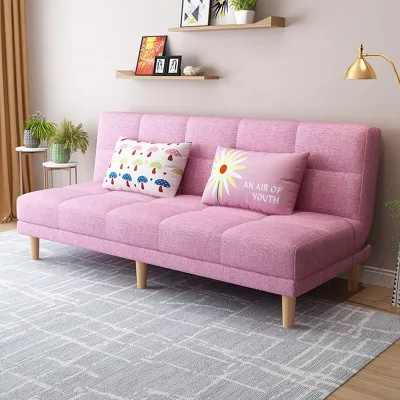
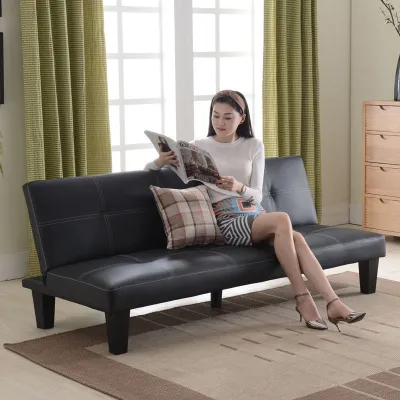
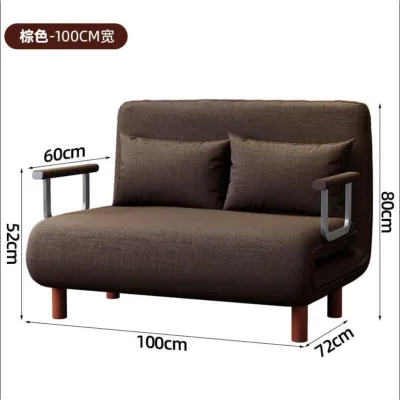
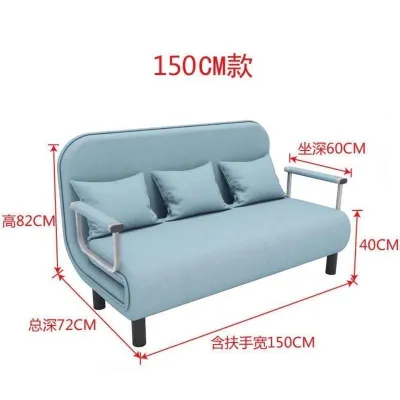
Prices are valid at publication and may change. Please refer to the product page for the latest price.
Additionally, you must account for the swing radius of nearby doors, windows, and balcony sliders. A sofa bed placed too close to a bedroom entry or a balcony door can restrict movement or cause physical damage over time. Open every door and window fully to check if they clear the proposed position of the sofa. If you have floor-to-ceiling curtains or blinds, measure their depth as well, as they can push the sofa forward by several centimeters.
Comparing Folded and Unfolded Footprints
A three-seater foldable sofa bed has two distinct identities, and you must plan for both configurations. Start by checking the manufacturer’s listed width, depth, and height for the folded sofa state. This represents your daily footprint. Ensure the overall width fits comfortably within your designated wall space, leaving a small buffer on either side so the sofa does not look cramped or press tightly against adjacent walls.

Next, verify the extended length and depth of the sofa bed when it is fully unfolded into its sleeping configuration. Depending on the folding mechanism, a three-seater sofa bed typically extends outward into a double or queen-sized sleeping surface. This transition can double or even triple the depth of the unit. You must ensure that this extended footprint does not collide with your TV console, block the main pathway to the kitchen, or completely seal off the living room.
Finally, plan for adequate perimeter clearance around the unfolded bed. Guests using the bed will need space to get in and out comfortably without stepping directly onto other furniture. Aim for at least 50 centimeters of open space on at least one side and the foot of the bed. If your living room layout is tight, visualizing this extended footprint by laying masking tape on the floor can help you assess whether the space remains functional when the bed is in use.
Navigating HDB Delivery and Access Constraints
Even if a sofa bed fits perfectly in your living room, it must first survive the journey into your flat. Delivery day can quickly turn stressful if the packaged furniture cannot clear the tight spaces common in HDB estates. Begin by measuring your HDB main door’s width and height, taking care to measure the clear opening space within the inner door frame rather than the door panel itself. If you have a metal gate installed outside your main door, measure its maximum opening width as well, as some gates do not swing open a full 180 degrees.
Next, assess the journey from the ground floor to your unit. Measure the lift cabin’s interior height, width, and depth, along with the clear opening width of the lift doors. Bulky three-seater sofa beds, especially those delivered fully assembled, often require being tilted diagonally to fit inside standard HDB passenger lifts. You should also observe the corridor outside your unit; tight corners, narrow turning radiuses, or neighborly fixtures can severely limit the space available for delivery personnel to maneuver a long box.
If your building’s lift is too small or if you live in an older estate with split-level access, manual stair delivery may be necessary. In these cases, you must measure the width of the stairwells and the clearance height of the landings. Be sure to check with your retailer regarding their delivery policies, potential stair-carrying fees, and packaging dimensions to avoid unexpected delivery failures or additional charges on arrival.
Allowing for Mechanism and Fabric Clearances
The mechanical design of your chosen sofa bed dictates how much breathing room it requires to operate. For example, popular “click-clack” models require the backrest to fold backward to flatten into a bed. If you place this type of sofa flush against a wall, you will have to drag the heavy frame forward every time you want to convert it. To avoid this physical strain, check if the model requires a permanent rear clearance of 10 to 15 centimeters, or look for “zero-wall” clearance designs that slide forward automatically as they unfold.
Upholstery materials also play a significant role in the actual physical footprint of the furniture. Fabric sofa beds often feature plush cushioning, overstuffed armrests, or thick back support that can add several centimeters to the manufacturer’s base frame measurements. When reviewing product specifications, look for the “overall dimensions” rather than just the seating area dimensions. If space is exceptionally tight, opting for a sleek, low-profile fabric design with thin armrests can save valuable centimeters without sacrificing sleeping space.
Do not forget to account for the height and depth of your home’s skirting boards. These wooden or tiled borders run along the base of your walls and can prevent the back of your sofa from sitting flush against the wall. If the sofa bed’s frame does not have a recessed base to accommodate skirting boards, it will be pushed forward slightly, altering your carefully calculated clearances.
Common Space Planning Mistakes to Avoid
One of the most frequent oversights when buying a sofa bed is forgetting to measure the diagonal depth of the packaged item. When delivery teams need to pivot a long box through a narrow HDB doorway or around a tight corridor corner, the diagonal measurement of the box often determines whether it will pass through. Always ask the retailer for the packaged dimensions, not just the assembled product dimensions, to ensure a successful delivery.
Another common mistake is assuming that all three-seater sofa beds share standard dimensions. In reality, there is no universal standard for a “three-seater” label; one brand’s model might measure 180 centimeters in width, while another’s could easily exceed 220 centimeters due to wide armrests or decorative framing. Always rely on exact centimeter measurements rather than generic category names.
Lastly, pay close attention to vertical obstacles in your living room. Low-hanging wall-mounted air conditioners, floating display shelves, picture frames, or heavy window valances can obstruct the sofa’s backrest when it is in its upright position. Ensure there is ample vertical clearance above the sofa, especially if the model features a high backrest or if you plan to mount storage units directly above the seating area.
Frequently Asked Questions (FAQ)
Do I need to measure the skirting boards before placing a fabric sofa bed?
Yes, measuring your skirting boards is highly recommended. Because skirting boards protrude from the wall, they can prevent a flat-backed sofa bed from sitting completely flush. This creates a small gap behind the sofa where items can fall, and it can also affect the stability of the backrest during conversion. When shopping, check if the sofa bed features a recessed base or angled legs designed to clear standard skirting boards, allowing the upper frame to rest neatly against your wall.
What should I do if my HDB main door is narrower than the sofa packaging?
If your main door clearance is smaller than the packaged sofa bed, contact the retailer before finalizing your purchase. Many modern three-seater sofa beds are designed to be flat-packed or delivered in multiple smaller boxes, with components like armrests, legs, and backrests assembled on-site. Confirming that the item can be disassembled or delivered in parts allows you to bypass narrow doorway constraints safely without damaging your new furniture or your home’s door frame.

Community discussion
Share your experience or ask a question. Comments are reviewed before publication.