
Choosing a children’s bunk bed involves looking beyond the frame style or ladder design. The safety of both sleeping tiers relies heavily on the bed board support system, which acts as the structural foundation holding the mattress and child. To ensure complete safety, parents must verify specific technical details: slat spacing, slat thickness, secure mechanical fastening, and certified weight capacities.
In Singapore’s compact apartments, bunk beds are a popular space-saving solution, but they introduce vertical safety risks. A failure in the upper bunk’s support system can lead to catastrophic consequences for the child sleeping below. Prioritizing these hidden specifications during your purchase ensures the bed remains stable, rigid, and safe over years of active use.
Why Bed Board Support is Critical for Bunk Beds
The bed board support system—whether it consists of individual wooden slats, a solid bunkie board, or a flat panel—is the primary load-bearing component of any bunk bed. While the outer frame provides the shape and vertical posts, the support system takes the direct brunt of both the static weight of the mattress and the dynamic forces of a child tossing, turning, or climbing.
Products mentioned in this guide

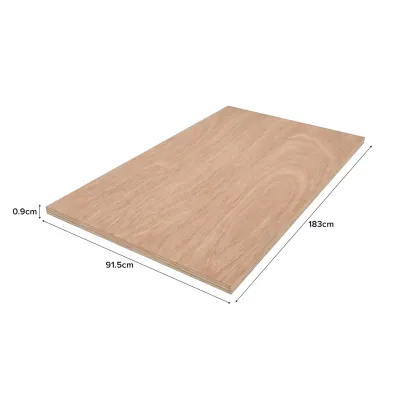
Prices are valid at publication and may change. Please refer to the product page for the latest price.
For the upper bunk, the design of this support system directly dictates the vertical clearance and headroom available for the lower bunk. A bulky or poorly designed support system can eat into the lower bunk’s overhead space, increasing the risk of head bumps. Conversely, a system that is too thin or weak compromises the entire bed’s structural rigidity, allowing the frame to sway or warp.
Neglecting these support specifications can lead to severe safety hazards, including structural failure where the upper mattress collapses onto the lower tier. Additionally, inadequate support causes mattress sagging, which can create dangerous gaps along the guardrails. These gaps present a serious risk of limb or head entrapment for younger children.
Key Slat Dimensions and Spacing to Verify
When evaluating a bunk bed’s support system, individual slat dimensions and spacing determine whether the bed complies with international children’s safety standards.

Slat Spacing and Entrapment Risks
The gaps between individual slats must be narrow enough to prevent physical hazards and maintain mattress shape. If the gaps are too wide, the mattress can dip or slide between the slats, which compromises comfort and creates uneven sleeping surfaces. More critically, wide gaps present a severe risk of limb entrapment if a child slips their foot or hand between the mattress and the frame.
To ensure safety, do not rely on a quick visual estimation. Check the manufacturer’s official specifications to verify that the gap between each slat is less than 7.5 centimetres (approximately 3 inches). This spacing aligns with standard safety regulations designed to prevent accidental entrapment.
Your choice of mattress also dictates spacing. Traditional innerspring mattresses can handle wider gaps, but modern pocket-spring or memory foam mattresses require closer slat spacing—often 5 centimetres or less—to prevent sagging and protect the mattress warranty.
Slat Width, Thickness, and Flexibility
Slat width and thickness govern how well the bed board support distributes weight across the frame. Thicker, wider slats offer superior resistance to bowing and flexing when a child moves actively. Slats that are too thin will bend excessively under pressure, putting extra stress on the side rails and joint fasteners.
When inspecting materials, verify whether the slats are made of high-grade solid timber (such as rubberwood, pine, or beech) or engineered wood. Solid wood slats offer excellent durability, but they must be free of major structural defects. Look closely for large knots, deep cracks, or highly irregular grain patterns in the wood, as these natural imperfections act as stress concentrators where a slat could suddenly snap under sudden impact.
Structural Reinforcements and Attachment Methods
A high-quality bed board support system relies on more than just the strength of individual slats. The way these slats are integrated into the overall frame and reinforced against vertical and lateral forces determines the long-term safety of the bunk bed.
Center Support Rails and Legs
For wider bunk bed configurations, such as a single-over-double or double-over-double setup, standard side-to-side slats are not enough to prevent sagging. These wider spans require a dedicated center support rail running from headboard to footboard to halve the span of the slats.
This center rail must be reinforced by vertical support legs to distribute weight downward. When inspecting a bunk bed, check whether these vertical legs extend all the way to the floor for the bottom bunk, or rest securely on a heavy-duty lower crossbeam for the top bunk. Without these reinforced vertical paths, the center rail will bow under load, pulling the side rails inward and destabilizing the frame.
Slat Attachment and Hardware
How slats attach to the frame is a critical safety differentiator. Budget bunk beds often feature loose slats that simply rest on a wooden ledge or slide into a routed groove without fasteners. This design is highly risky, as active children can cause slats to shift, bunch up, or slip off the ledge entirely, leading to a sudden collapse.
To prevent this, choose a bunk bed where the slats are mechanically fastened directly to the frame using heavy-duty wood screws or bolts. Securely screwing down the slats locks the side rails together, preventing them from bowing outward and ensuring the slats cannot slide or overlap. Additionally, examine the hardware holding the support ledges to the side rails. High-quality systems use steel brackets, metal dowels, or heavy-duty plastic clips rather than simple glue and finishing nails.
Understanding Weight Capacity and Load Distribution
Understanding weight limits is essential when evaluating a bunk bed’s safety. Parents must distinguish between static load—the dead weight of the mattress and a sleeping child—and dynamic load, which includes the sudden forces exerted when a child climbs, rolls, or jumps.
Always ask the retailer for the specific weight capacity of the bed board support system itself, rather than just the overall frame. The upper bunk typically has a lower weight rating than the bottom bunk due to height and stability constraints. In Singapore, standard quality bunk beds often rate the upper support system for a capacity of around 90 to 100 kilograms, but you must verify the exact manufacturer specification.
Select a support system with a certified weight capacity that comfortably exceeds your child’s current weight plus the weight of the mattress. This provides a necessary safety margin that accommodates your child’s natural growth and the dynamic forces of active daily use.
Quick Inspection Checklist for Showroom or Delivery
Before finalizing your purchase or signing off on a home delivery, perform a hands-on inspection of the bed board support system. Use this practical checklist to verify structural integrity:
- Visual Check: Inspect every slat for uniform thickness and width. Look for a straight wood grain and ensure there are no visible cracks, deep splits, large knots, or rough splinters that could catch on the mattress fabric or injure a child.
- Physical Test: Apply firm downward hand pressure to the center and outer edges of the support slats. Listen closely for any squeaking, creaking, or rubbing sounds, which indicate loose joints, and observe whether the slats flex excessively under moderate force.
- Hardware Verification: Run your hand along the attachment points to ensure all screws, bolts, and brackets are completely flush with the wood. Loose or protruding hardware can snag bedding, scrape skin, or back out over time, compromising stability.
Frequently Asked Questions (FAQ)
Do I need a bunkie board instead of standard slats for a bunk bed?
A bunkie board is a slim, low-profile barrier—typically made of solid plywood or a fabric-wrapped slatted frame—designed to sit directly beneath the mattress. It provides a perfectly flat, rigid surface, making it an excellent alternative to standard slats when extra support is required.
You may need a bunkie board if you are using a specialty mattress, such as a memory foam or hybrid model, which requires continuous support to prevent sagging and maintain its warranty. It is also highly useful if your bunk bed’s existing slats are spaced more than 7.5 centimetres apart, as the board bridges the gaps to create a safe, uniform platform.
Keep in mind that adding a bunkie board increases the height of the mattress platform slightly. You must factor this added height into your safety calculations, as it will reduce the effective height of the upper bunk’s guardrails and decrease the vertical headroom for the child sleeping on the lower bunk.
Community discussion
Share your experience or ask a question. Comments are reviewed before publication.