
Finding the right esports chair in Singapore requires balancing structural durability, ergonomic adjustability, and long-term value against the unique demands of a humid climate and typical home layouts. Instead of relying on marketing buzzwords, a successful purchase depends on verifying physical specifications, measuring your workspace, and understanding how different materials perform over years of daily use. By establishing a clear evaluation framework, you can confidently compare brands to find a seating solution that supports your posture and fits your budget.
Core Evaluation Criteria for Esports Chairs
To make an informed decision, you must evaluate esports chairs across three primary pillars: structural build, ergonomic comfort, and long-term value. Structural build determines how well the chair supports weight and resists wear over time. Ergonomic comfort focuses on how the chair adapts to your body shape to prevent strain during long sessions. Long-term value weighs the initial purchase price against the warranty coverage and the expected lifespan of the materials.
Before looking at specific brands, you need to measure your personal physical requirements. Take note of your height, weight, and the height of your existing desk. Consider your daily usage hours, as a chair used for eight hours a day requires more robust support mechanisms than one used occasionally.
Products mentioned in this guide
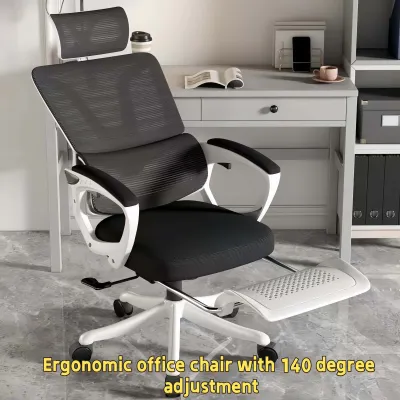
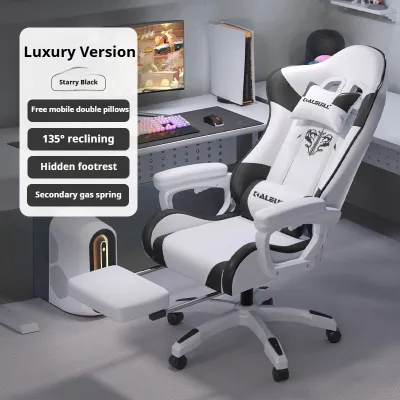
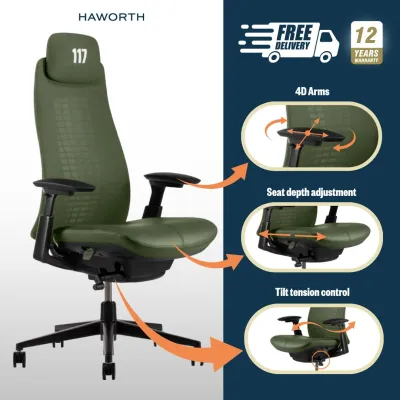
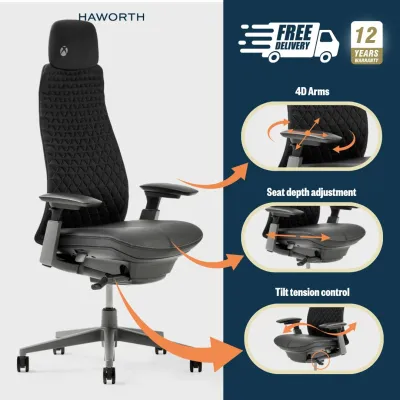
Prices are valid at publication and may change. Please refer to the product page for the latest price.
It is also essential to measure your physical environment. In Singapore, where room dimensions in HDB flats or condominiums can be compact, you must check the outer dimensions of the chair. Ensure the wheelbase can roll freely without blocking walkways or hitting nearby furniture. Additionally, verify that the chair’s packaged box can fit through your doorway and lift access during delivery.
Always prioritize verifying manufacturer specifications and physical labels over general marketing claims. Look for official documentation regarding weight capacities, material certifications, and adjustment ranges. This objective data provides a reliable basis for comparison, whereas promotional descriptions often obscure critical differences in build quality.
Comparing Build Quality and Structural Durability
The foundation of any durable esports chair lies in its internal frame and base materials. High-quality models typically feature a full steel frame that resists bending and warping under continuous use. When reviewing product manuals, check whether the base is constructed from reinforced nylon, steel, or aluminum alloy. While aluminum bases are lightweight and highly durable, a solid steel base also offers excellent stability, whereas basic nylon bases may have lower weight thresholds.

Upholstery and padding materials require careful scrutiny, especially given Singapore’s high humidity. Synthetic leathers, such as polyurethane (PU) or polyvinyl chloride (PVC), are easy to wipe clean but can trap heat and moisture against your skin. If your gaming setup is not in a constantly air-conditioned room, look for breathable fabric options or high-grade mesh that allows air circulation.
When evaluating the padding, check the foam density specifications. High-density mold-shaping foam, often referred to as cold-cure foam, retains its shape and supportive properties over years of use, preventing the seat from flattening out. Low-density cut foam may feel soft initially but tends to sag quickly, leading to discomfort and poor posture support.
The gas lift is another critical component that dictates safety and longevity. Verify that the chair uses a Class 4 gas lift, which is the industry standard for safety and durability. Check the manufacturer’s documented maximum load limit to ensure it comfortably exceeds your body weight, providing a safe margin for daily movement.
Finally, examine the wheelbase and caster design. Hard nylon casters are suitable for carpeted floors but can scratch parquet or vinyl flooring. If you have hard flooring, look for polyurethane-coated casters or consider purchasing a dedicated floor mat to protect your surfaces and ensure smooth, quiet mobility.
Evaluating Comfort and Ergonomic Adjustability
Ergonomic adjustability is what separates a basic office chair from a high-performance esports chair. The recline and tilt mechanisms are central to this comfort. Check the maximum degree of recline and whether the chair features a multi-function tilt mechanism that allows you to tilt the seat base independently of the backrest. A tilt lock feature is essential for securing the chair at your preferred angle for different tasks.
Armrest adjustability plays a vital role in preventing shoulder and neck strain. Look for multi-directional armrests, often labeled as 3D or 4D. These allow you to adjust the height, depth, angle, and width of the armrests. Proper adjustment ensures your elbows rest at a 90-degree angle, aligned perfectly with your desk and keyboard height, which helps prevent repetitive strain injuries.
Lumbar and headrest support systems vary significantly across brands. Some chairs utilize external pillows secured by elastic straps, which are adjustable but can shift during use. Premium models often feature integrated, adjustable internal lumbar support systems that let you customize the depth and height of the curve via a side dial. Ensure the support matches the natural curvature of your spine.
Seat dimensions must be carefully matched to your body type to prevent pressure points. Measure the seat width and depth to ensure your thighs are fully supported without the front edge of the seat pressing against the back of your knees. A gap of two to three fingers between the seat edge and your knees is ideal for maintaining healthy blood circulation.
Assessing Value, Pricing Tiers, and Warranty Support
When evaluating the local market, esports chairs generally fall into three pricing tiers. Budget options focus on essential height and recline adjustments, often utilizing standard nylon bases and basic synthetic leather. Mid-range models introduce better adjustability, such as 3D armrests and denser foam padding. Premium options offer advanced ergonomics, aluminum bases, high-grade breathable materials, and extensive customization.
Warranty coverage is a major indicator of a manufacturer’s confidence in their product. Compare the standard warranty lengths offered by different brands, paying close attention to the fine print. Check which components are covered under the warranty; some brands offer long warranties on the steel frame but limit coverage on the upholstery, armrests, or gas lift to a much shorter period.
After-sales service is particularly important when dealing with heavy furniture. Verify whether the brand has a local service center in Singapore or if you must coordinate replacement parts internationally. A brand with a local presence can significantly reduce the time and hassle required to resolve any component failures or assembly issues.
Be sure to factor in potential hidden costs before finalizing your purchase. Delivery fees can vary based on your residential access, such as whether your building has lift access or requires climbing stairs. Professional assembly charges are another consideration; while many chairs are designed for self-assembly, paying for professional setup ensures the chair is put together correctly and safely.
Decision Framework: Matching Brands to Your Needs
To narrow down your choices, align your purchase with your specific priorities, budget, and physical constraints. If you prioritize extensive adjustability, high-density materials, and comprehensive long-term warranties, investing in a premium brand is the most logical path. These models are built to withstand heavy daily use over several years, making them a cost-effective choice in the long run.
If you need a reliable balance of solid ergonomic features and reasonable pricing for daily use, a mid-tier brand is often the sweet spot. These chairs provide the necessary adjustability to maintain good posture without the premium price tag associated with advanced internal mechanisms or specialized material finishes.
For those with strict spatial or financial constraints, a budget brand offers a functional entry point. When choosing a budget model, focus on verifying the basic safety specifications, such as the gas lift class, and accept that you may need to replace the chair sooner due to standard wear on the padding and upholstery.
Before making a final decision, always verify if you have specific physical requirements or existing back conditions. If possible, visit a local showroom to test the chair in person. Sitting in the chair allows you to verify the seat depth, armrest comfort, and lumbar support alignment before committing to a delivery.
Frequently Asked Questions (FAQ)
How do I know if an esports chair will fit my body type?
To ensure a proper fit, start by measuring your personal inseam, torso height, and shoulder width. Cross-reference these measurements with the brand’s official size guide and weight limits, which are typically available on their website or product manual. Pay close attention to the specific seat depth and backrest height specifications; a backrest that is too short will not support your head, while a seat that is too deep can restrict circulation behind your knees.
What is the best way to maintain the upholstery in a humid climate?
Maintaining your chair’s upholstery in Singapore’s humid climate requires regular, gentle care. For fabric chairs, perform routine dusting and vacuuming to remove skin flakes and debris that can trap moisture. If your chair is synthetic leather, wipe it down weekly with a damp microfiber cloth to remove sweat and body oils, avoiding harsh chemical cleaners that can cause the material to peel. Ensure your room is well-ventilated and keep the chair out of direct sunlight to prevent premature material degradation.
Community discussion
Share your experience or ask a question. Comments are reviewed before publication.