
Choosing the right ergonomic chair for your home office in Singapore is a highly personal decision that directly impacts your daily comfort, productivity, and long-term physical health. With many professionals spending eight or more hours a day sitting at their desks, a standard dining chair or a basic office chair often falls short, leading to back strain, neck tension, and overall fatigue. ErgoTune has become a prominent name in the local market, known for its highly adjustable mesh chairs. However, the ideal seating solution is never one-size-fits-all. The best chair for your setup depends entirely on your unique body measurements, budget, work habits, and the physical constraints of your home environment.
To make an informed choice, you must evaluate how ErgoTune compares to alternative brands across several critical performance areas. While ErgoTune excels in offering comprehensive, multi-dimensional adjustability at a competitive mid-range price point, alternative brands might serve you better if you require premium heritage build quality, ultra-compact footprints for tight spaces, or specific aesthetic designs that blend seamlessly into your home decor. By understanding the key trade-offs in adjustability, materials, spatial requirements, and warranty structures, you can confidently select a chair that supports both your body and your workflow.
Quick Answer: Choosing Between ErgoTune and Alternatives
When deciding between ErgoTune and other ergonomic chair brands in Singapore, your choice should be guided by your specific postural needs, budget, and spatial constraints. ErgoTune is an excellent option if you prioritize extensive, highly customizable adjustments—such as dynamic lumbar tracking and multi-directional armrests—at a mid-range price point. Their chairs are particularly well-suited for users who appreciate a suspended, breathable mesh feel and want a chair that actively responds to their movements throughout the day.
Products mentioned in this guide
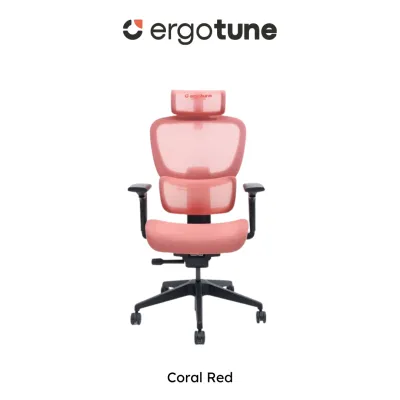
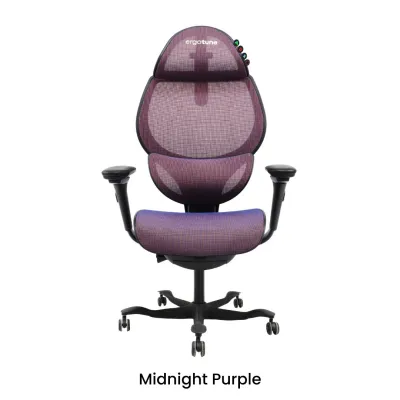
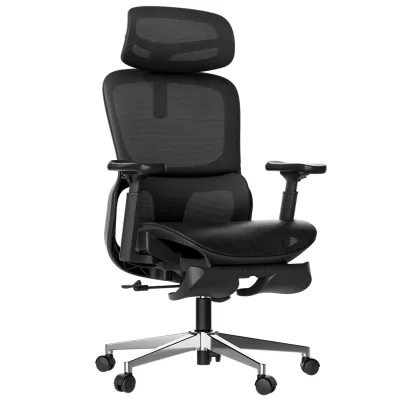
Prices are valid at publication and may change. Please refer to the product page for the latest price.
On the other hand, you should consider alternative brands if you are looking for different specific characteristics:
- Premium Heritage Brands: If you have a larger budget and want proven, decade-long durability backed by extensive orthopedic research, premium global heritage brands offer exceptional build quality and prestige.
- Compact or Aesthetic Designs: If your home office is integrated into a bedroom or living room, you might prefer brands that prioritize minimalist aesthetics, fabric finishes, or smaller wheelbases that do not dominate the room visually.
- Budget-Friendly Options: If you only use your home office occasionally, simpler ergonomic chairs from local retailers or online marketplaces can provide adequate basic support at a fraction of the cost.
Ultimately, personal comfort is highly subjective. The ideal chair is the one that matches your physical dimensions and fits comfortably within your home workspace.
Key Dimensions for Comparing Home Office Chairs
Evaluating an ergonomic chair goes far beyond looking at its product photos or reading a list of features. Because your chair acts as the primary physical interface with your body during the workday, you must analyze how its design translates to real-world comfort and utility. This is especially true in Singapore, where unique environmental factors—such as tropical humidity and compact residential layouts—play a major role in how furniture performs over time.

To systematically compare ErgoTune against other brands, you should focus on three main pillars:
- Ergonomic Adjustability and Posture Support: How precisely the chair can be tailored to your body's proportions.
- Material Breathability and Climate Suitability: How well the chair manages heat and moisture in a tropical climate.
- Space Footprint and Home Aesthetics: How easily the chair integrates into your physical room layout and visual decor.
Ergonomic Adjustability and Posture Support
The core promise of any ergonomic chair is its ability to support your body in a neutral posture, reducing strain on your spine, neck, and joints. Achieving this requires a high degree of adjustability, as a chair that cannot be customized will force your body to adapt to its rigid shape, leading to discomfort over time. When comparing chairs, look closely at the depth and range of their adjustment mechanisms.
A critical feature to evaluate is lumbar support. ErgoTune utilizes a dynamic, auto-tuning lumbar support system designed to automatically adjust its tension and position as you shift from an upright typing posture to a relaxed recline. This is highly beneficial for active sitters who move frequently. In contrast, many alternative chairs use manual lumbar support systems, where you adjust the height and depth of a dedicated cushion or pad. While manual systems require initial setup, they often provide a firmer, more locked-in feel that some users prefer for strict upright work.
Beyond lumbar support, consider the following adjustment dimensions:
- Seat Depth: A crucial adjustment that allows you to slide the seat pan forward or backward. Proper seat depth ensures your lower back is fully supported by the backrest while leaving a small gap (about two to three fingers wide) behind your knees to prevent pressure on blood vessels.
- Armrest Articulation (3D, 4D, or 5D): Highly adjustable armrests can move up and down, forward and backward, side to side, and pivot inward or outward. This level of customization allows you to keep your elbows bent at a comfortable 90-degree angle, reducing strain on your shoulders and neck whether you are typing on a keyboard or holding a mobile device.
- Recline Tension and Tilt Lock: The ability to adjust how easily the chair reclines, along with multiple locking angles, allows you to transition smoothly between focused work, video calls, and brief rest periods.
Remember that brand names and marketing labels do not guarantee a perfect fit. Before purchasing, always verify the manufacturer’s official specification sheet for exact adjustment ranges, weight capacities, and recommended user height limits to ensure the chair is physically compatible with your body dimensions.
Material Breathability and Climate Suitability
Singapore’s tropical climate, characterized by high temperatures and relative humidity, makes material selection one of the most important comfort factors for a home office chair. If you work in a room without air conditioning during the day, or if you prefer to save on energy costs by using a fan, a chair made of the wrong material can quickly become uncomfortably warm and sticky.
Mesh is widely considered the most suitable upholstery material for Singaporean home offices due to its exceptional breathability. High-quality mesh allows air to circulate freely around your back and thighs, effectively dissipating body heat and preventing sweat buildup. However, the quality of mesh varies significantly across brands. ErgoTune uses a specialized elastomeric mesh blend designed to offer a balance of support, flexibility, and ventilation. When comparing mesh options, check the tension and elasticity; premium mesh should feel supportive without being overly stiff or abrasive against bare skin. Additionally, look at the frame design—some mesh chairs feature hard plastic edges on the seat pan that can press against the underside of your thighs, potentially restricting blood circulation during long sitting sessions.
Alternative materials offer different trade-offs:
- Fabric and Foam: Fabric-covered foam seats provide a traditional, plush cushioning that many users find more comfortable and familiar than the suspended feel of mesh. However, foam acts as an insulator, trapping body heat and moisture. Over time, fabric can also absorb sweat, leading to staining and odors if not regularly cleaned.
- Leather (Genuine or PU): While leather chairs offer a classic, executive aesthetic, they are generally poorly suited for warm, humid environments without constant air conditioning. PU (polyurethane) leather is particularly prone to cracking and peeling over time when exposed to humidity and body oils.
To ensure long-term durability, always check the manufacturer’s care instructions. For mesh chairs, maintenance is usually simple, requiring only occasional vacuuming or wiping with a damp cloth. For fabric seats, look for models with removable, washable covers or consider using a fabric protector spray to guard against spills and stains.
Space Footprint and Home Aesthetics
In Singapore, where many home offices are set up in cozy HDB flats or condominium apartments, the physical size and visual design of your chair are major practical considerations. A massive, corporate-looking chair can easily overwhelm a small study corner, block walkways, or clash with your home’s interior design.
Start by measuring the physical footprint of the chair, particularly the wheelbase diameter. A wider wheelbase (typically between 65cm and 70cm) provides excellent stability and prevents the chair from tipping over when fully reclined, but it also requires more floor space. Ensure the wheelbase can fit comfortably between your desk legs and does not obstruct nearby pathways. You should also measure the maximum clearance required when the chair is fully reclined, especially if your desk is positioned close to a wall, wardrobe, or bed.
Another important spatial dimension is armrest clearance. Check the minimum height of the armrests when fully lowered; ideally, they should be low enough to slide completely under your desk when the chair is not in use. This simple feature can save a significant amount of floor space in multi-functional rooms, allowing you to push the chair in fully and keep your room tidy.
From an aesthetic perspective, many traditional ergonomic chairs are designed for corporate offices, featuring heavy black plastic frames and industrial metal accents. However, home offices often require a softer visual touch. Many modern brands, including ErgoTune, offer lighter frame colors (such as light grey or white) and neutral or pastel mesh options. These lighter tones help the chair blend more naturally into popular home decor styles, such as Scandinavian, Japandi, or minimalist interiors, making the workspace feel like a cohesive part of your home rather than an intrusive corporate addition.
Evaluating Price, Warranty, and Long-Term Value
An ergonomic chair is a long-term investment in your health, and evaluating its true value requires looking beyond the initial purchase price. Because retail prices and promotional discounts fluctuate frequently, you should focus on the overall value proposition, comparing the base cost against the included features and the security of the warranty.
When comparing pricing, always check what is included in the standard package. Some brands advertise a lower starting price but charge extra for essential ergonomic components, such as an adjustable headrest, specialized lumbar supports, or premium casters designed for hard floors. Ensure you are comparing complete configurations so you know the true total cost of ownership. You can easily check official brand websites and authorized online retailers in Singapore to see current pricing, bundle deals, and seasonal promotions.
The warranty is a critical indicator of a chair’s long-term durability and the manufacturer’s confidence in their product. When reviewing warranties, pay close attention to the fine print:
- Structural Frame vs. Wear-and-Tear Parts: A brand might advertise a "12-year warranty," but this often only covers the steel or aluminum structural frame. Moving parts like the gas lift, tilt mechanism, armrest pads, and the mesh or fabric upholstery are typically covered for a much shorter duration (often 2 to 5 years).
- Warranty Registration: Some brands require you to register your product online within a specific timeframe after purchase to activate the full warranty period.
- Local Support: Purchasing from a brand with an established, authorized local distributor in Singapore is incredibly valuable. If a component fails, a local distributor can quickly dispatch replacement parts or arrange for on-site repair. If you buy a parallel import or order from an international seller without local representation, you may have to pay expensive international shipping fees to send heavy parts back overseas for warranty claims.
Additionally, consider the availability of home trial periods or return policies. Some brands offer a multi-day trial (such as 21 days), allowing you to test the chair in your actual home office environment. This is highly beneficial, as sitting in a chair for a few minutes in a showroom cannot replicate the physical experience of working an entire eight-hour shift.
How to Research and Compare Alternative Brands
The ergonomic chair market in Singapore is highly competitive, offering a wide range of choices from premium global heritage brands to local direct-to-consumer labels and budget-friendly options on online marketplaces. To navigate this crowded landscape and find the best alternative for your needs, you should adopt a structured research methodology focused on objective verification rather than marketing hype.
Use this practical checklist when researching and comparing alternative brands:
- Verify Local Warranty and Support: Always confirm that the brand has an authorized local distributor or a dedicated customer service office in Singapore. Avoid relying on third-party sellers who cannot guarantee official replacement parts or warranty fulfillment.
- Locate Physical Showrooms: Never buy an ergonomic chair purely based on online reviews or photos. Locate the brand's physical showroom in Singapore and schedule a visit. Spend at least 15 to 20 minutes sitting in the chair, adjusting it to your exact body proportions, and testing how the materials feel against your skin.
- Analyze Long-Term User Reviews: Look past the initial "unboxing" reviews, which often focus only on aesthetics and delivery speed. Search online forums, community groups, and verified customer review platforms for feedback from users who have owned the chair for one to three years. Pay close attention to comments regarding mesh sagging, squeaking joints, gas lift reliability, and the responsiveness of the brand's after-sales service.
- Cross-Reference Dimensions and Specifications: Measure your desk height and your own physical dimensions (such as your height and inseam). Compare these measurements against the chair's official specification sheet. Pay attention to the minimum and maximum seat height, seat width, and the adjustment range of the armrests to ensure a precise physical match.
Be cautious of brands that make vague, unsupported claims such as “orthopedic-approved” or “space-grade materials” without providing clear, verifiable technical specifications. A reputable brand will always provide detailed information about their materials, testing standards, and exact adjustment dimensions.
Your Final Decision Checklist for Buying
Before making your final purchase, go through this step-by-step checklist to ensure you have covered all critical aspects of choosing a home office chair:
- Measure Your Space: Note your desk height, the clear width between the desk legs, the distance to the nearest wall or furniture, and the width of your doorways, corridors, or lift access to ensure smooth delivery and installation.
- Identify Your Non-Negotiable Ergonomic Needs: Determine which features are essential for your daily comfort. Do you require highly adjustable armrests for typing or gaming? Do you need dynamic lumbar support that moves with you? Is a high recline angle important for taking breaks?
- Set a Realistic Budget: Establish a clear budget that includes the base price of the chair plus any potential additional costs, such as delivery fees, professional assembly charges, or optional accessories like specialized floor-protecting wheels.
- Plan a Showroom Visit: Visit local showrooms wearing the type of clothing you typically wear when working from home. Spend time adjusting each candidate chair to your exact proportions and sit in them for an extended period to test for any pressure points.
- Review the Return and Exchange Policies: Confirm the exact terms of the retailer's return policy or trial period. Understand who covers the cost of return shipping or restocking fees if the chair does not meet your expectations.
By systematically working through this checklist, you can eliminate guesswork and choose a chair that provides reliable support and comfort for years to come. Remember that personal comfort is the ultimate tie-breaker; no specification sheet or online review can replace the physical experience of sitting in the chair yourself.
Frequently Asked Questions (FAQ)
Do I need a headrest for my home office chair?
A headrest is primarily beneficial if you frequently recline, take brief rests, or spend significant time watching presentations and participating in passive video calls where you can lean back. It supports the weight of your head and reduces neck strain during these relaxed postures. However, for active, upright typing and writing tasks, a headrest is generally unnecessary because your head should naturally align over your shoulders without touching the backrest. If you choose a chair with a headrest, ensure it is highly adjustable in both height and angle so it can be positioned precisely to support your neck rather than pushing your head uncomfortably forward.
How do I handle warranty claims for online chair purchases in Singapore?
To ensure smooth warranty support, always save your digital invoice, order confirmation email, and physical receipt in a safe place. Many brands also require you to register your purchase on their official website within a few weeks of delivery to activate the warranty. If you experience an issue, contact the local authorized distributor’s customer service team directly, providing your order details, a clear description of the problem, and photos or videos showing the faulty component. Purchasing from an authorized local distributor ensures that replacement parts can be delivered or on-site repair services can be scheduled quickly. Avoid parallel imports, as they often lack local warranty coverage, meaning you may have to cover expensive international shipping costs to send the chair back to an overseas seller for repairs.

Community discussion
Share your experience or ask a question. Comments are reviewed before publication.