
No single material can completely eliminate dust, but the surface structure, static properties, and sealing methods of a furniture protector significantly influence how dust accumulates and penetrates. To find a protector that actually blocks dust, you must look beyond generic marketing claims and evaluate the physical properties of the material, such as its porosity, weave density, and static resistance. Choosing the right material depends on whether you need an absolute barrier against spills and fine particles or a breathable fabric that traps dust on its surface for easy washing.
Understanding How Dust Interacts with Furniture Protectors
Dust is a complex mixture of dead skin cells, fabric fibers, pollen, pet dander, and microscopic soil particles carried by air currents. When these particles settle in a home, they interact with furniture surfaces in two distinct ways: surface accumulation and deep fiber penetration. Understanding these interactions is the first step in selecting a protector that keeps your tables, sofas, and mattresses clean.
Surface dust settling occurs when airborne particles land on a flat, stable surface. On smooth, non-porous materials, this dust remains loose on the top layer, making it easy to wipe away with a damp cloth. However, on woven fabrics, dust particles can slip between the individual threads, eventually working their way deep into the fibers where they become difficult to extract.
Products mentioned in this guide
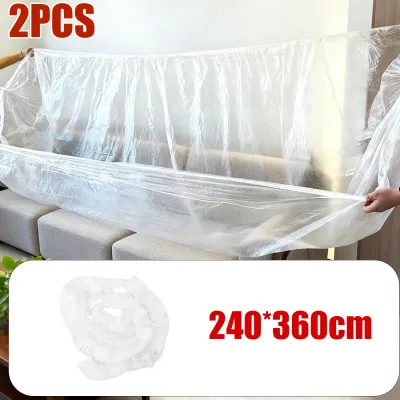
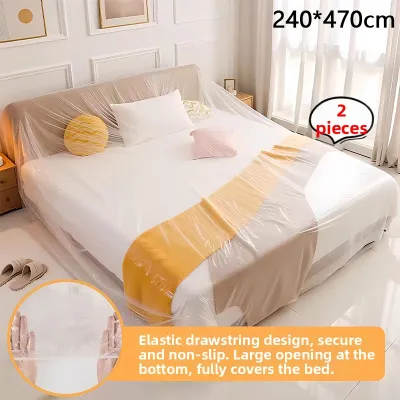
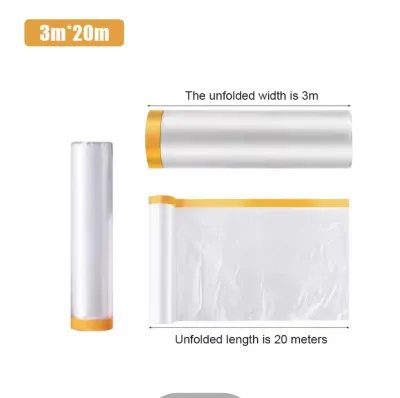
Prices are valid at publication and may change. Please refer to the product page for the latest price.
Static electricity plays a major role in how quickly dust accumulates on synthetic materials. Many plastic-based protectors, such as untreated PVC or polyester, naturally build up a static charge through friction. This charge acts like a magnet, actively pulling airborne dust particles out of the air and holding them tightly to the surface.
The texture of the protector surface also determines how dust behaves over time. A highly textured or rough surface provides microscopic pockets where dust can settle and resist light dusting. Conversely, a completely smooth surface allows dust to sit loosely, though it remains highly visible until cleaned.
Evaluating Common Protector Materials for Dust Resistance
When browsing online marketplaces or local home goods stores, you will encounter a wide variety of material names and proprietary fabric blends. Rather than relying on vague product descriptions, you can make a more reliable decision by categorizing protectors into two main structural types: non-porous barriers and woven textiles.

Each category manages dust through entirely different physical mechanisms. Non-porous materials act as a physical wall that blocks particles from passing through, while woven textiles rely on fiber density to filter out dust while maintaining breathability.
Smooth and Non-Porous Materials
Smooth, non-porous materials like silicone, vinyl, and specialized polyurethane coatings offer an absolute barrier against dust and moisture. Because these materials have no open pores or woven threads, dust particles cannot penetrate the surface to reach the furniture underneath. This makes them highly effective for protecting solid wood dining tables, desks, and sideboards.
When evaluating non-porous protectors, check the product specifications for anti-static treatments. High-quality silicone and vinyl protectors often undergo surface processing to minimize static cling, preventing the material from becoming a dust magnet. Without this treatment, a smooth plastic protector may require more frequent wiping to stay clear of fine white particles.
Edge design is another critical factor for non-porous protectors, especially flat table pads. Look for options with precision-cut edges or bound borders that lie completely flat against the furniture surface. If the edges curl or lift, dust will inevitably drift underneath, defeating the purpose of the protector and potentially scratching the wood finish through friction.
Woven and Textured Materials
Woven protectors, including microfiber, heavy cotton canvas, and tightly knit polyester blends, are commonly used for sofas, armchairs, and mattresses. These materials do not block dust through an absolute barrier; instead, they rely on a dense weave to filter out particles. The tighter the weave, the harder it is for dust to pass through to the upholstery.
To evaluate a woven protector, look for specifications regarding thread count, fabric weight, or fiber density. Microfiber is particularly effective because its extremely fine synthetic fibers are woven so closely together that they create a highly restrictive path for dust. However, woven fabrics naturally trap dust within their fibers over time, which means the dust is held in place rather than floating back into the air.
Because woven materials trap dust, they require regular washing to maintain their effectiveness. Before purchasing, verify the manufacturer’s care instructions to ensure the fabric can withstand frequent machine washing at temperatures high enough to remove embedded dust and allergens. If a fabric is dry-clean only or prone to shrinking, accumulated dust may become permanently embedded in the weave.
Key Features to Check When Shopping for Dust-Proof Protectors
To find a protector that delivers reliable dust control, you must look past promotional headlines and carefully analyze the technical details of the product listing. Start by verifying the exact material composition on the product label. Avoid listings that use vague terms like ‘dust-proof fabric’ without specifying whether the material is polyester, cotton, silicone, or a laminated blend, as this composition dictates how the protector behaves.
Next, measure your furniture carefully and compare the dimensions to the product sizing chart. A dust protector can only perform its job if it covers the entire surface area of the furniture. For tables, ensure the protector extends fully to the edges; for sofas and mattresses, look for options that offer complete 360-degree coverage to prevent dust from entering through the sides or bottom.
The method used to secure the protector is just as important as the material itself. Look for edge designs that create a tight seal against the furniture, such as fitted elastic skirts, adjustable straps, or weighted hems. A loose, draped cover allows air currents to carry dust underneath, where it can accumulate unseen and cause abrasive wear on the furniture’s finish.
Finally, examine the product listing for clear care and maintenance guidelines. A high-quality protector should have explicit instructions on how to clean the material without degrading its protective qualities. For coated fabrics, ensure the instructions do not require harsh laundering methods that could strip away the dust-resistant or water-resistant laminate.
Maintenance and Cleaning to Sustain Dust Protection
Proper maintenance is essential to keep your furniture protector functioning as an effective dust barrier over time. Always follow the manufacturer’s care label for washing or wiping protocols. For non-porous materials like silicone or vinyl, a regular wipe-down with a damp microfiber cloth is usually sufficient to remove loose dust without scratching the surface.
Avoid using harsh chemical cleaners, bleach, or abrasive scrubbing pads on any protector material. These harsh tools can create microscopic scratches on smooth surfaces, which then act as traps for fine dust particles. On woven fabrics, aggressive chemicals can break down protective coatings or loosen the weave, allowing dust to penetrate more easily.
Over time, all protectors will show signs of wear that compromise their dust-blocking capabilities. Inspect your protectors regularly for observable signs of degradation, such as pilling on woven fabrics, surface cracking on vinyl, or a loss of water resistance on laminated covers. When these signs appear, or when dust begins to pass through to the furniture underneath, it is time to replace the protector to ensure continued protection.
Frequently Asked Questions (FAQ)
Do anti-slip backing materials attract more dust?
Yes, certain anti-slip backing materials can attract and trap dust on the underside of the protector. Backings made from soft rubber, latex, or textured silicone grip patterns are designed to create friction against the furniture surface, but this same texture can easily catch loose dust, pet hair, and fine debris. If dust gets trapped between the anti-slip backing and your furniture, it can act like sandpaper, causing fine scratches when the protector shifts. To prevent this, check the backing material’s care instructions and plan to lift and clean both the furniture surface and the underside of the protector regularly.
How do I know if a protector needs to be replaced for dust control?
A protector should be replaced when it shows visible signs of physical wear that compromise its barrier properties. For non-porous materials like vinyl or silicone, look for deep scratches, yellowing, stiffness, or cracks where dust can settle and penetrate. For woven or fabric protectors, indicators include thinning fabric, frayed edges, persistent pilling, or permanent dust staining that does not wash out. If you notice that dust is consistently accumulating on the furniture surface directly beneath the protector, the material has lost its effectiveness and should be replaced according to the manufacturer’s recommended lifespan.
Community discussion
Share your experience or ask a question. Comments are reviewed before publication.