
Deciding whether to buy a dust proof cover or rely on regular furniture polish depends on how often you use your furniture, your home’s ventilation, and the local climate. For daily-use items in active living spaces, regular cleaning and polishing are usually sufficient to maintain the surface and repel light dust. However, if you are leaving furniture unused for long periods, dealing with nearby renovation dust, or protecting delicate pieces in highly humid environments, a physical dust proof cover is an essential barrier that polish alone cannot replace.
How Dust Actually Affects Your Furniture
Dust is more than just an unsightly layer on your tables and shelves; it is a complex mixture of fine mineral particles, fibers, skin flakes, and outdoor pollutants. When these abrasive particles settle on polished wood or veneer, they act like fine sandpaper. Wiping dry dust across a surface with a dry cloth can cause micro-scratches that gradually dull the finish over time.
In humid environments, dust poses an even greater threat to furniture longevity. High ambient humidity causes dust particles to absorb moisture from the air, turning a dry layer into a damp, sticky film. This trapped moisture can sit directly on porous wood finishes, potentially leading to discoloration, finish degradation, or even mold growth in hard-to-reach crevices.
Products mentioned in this guide
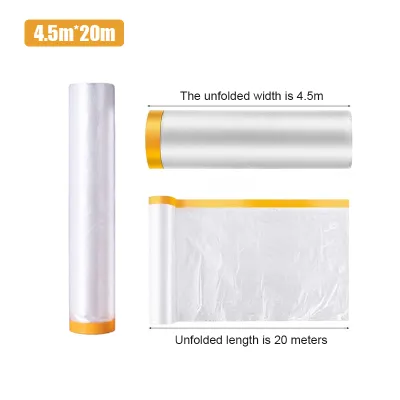
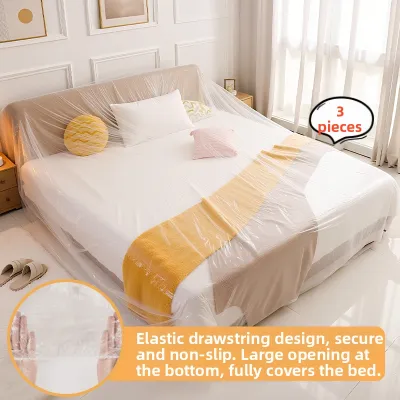
![[2-3 Days Delivery] 4.5m x 20m Plastic Dust Cover Protective Plastic Sheet Disposable Furniture Dustproof Cover Protective Cover Plastic Cover Plastic Film for Home Improvement CNY Gift Present](https://img.lazcdn.com/g/p/37fceab8fc43d4b3b58593d55aae9bcb.jpg_400x400q80.jpg_.webp)
Prices are valid at publication and may change. Please refer to the product page for the latest price.
Furthermore, soft furnishings and textured wooden details easily trap dust, creating a breeding ground for allergens. Over time, this buildup becomes increasingly difficult to extract without deep cleaning. Understanding these physical risks helps you see why dust management is a matter of structural preservation rather than just aesthetics.
What Regular Furniture Polish Can and Cannot Do
Regular furniture polish is designed to enhance the natural beauty of wood and provide a temporary protective barrier. Many commercial polishes contain anti-static agents that help reduce the static charge on furniture surfaces, making it harder for light dust particles to cling. By checking the product label, you can verify if your chosen polish offers these specific dust-repellent properties.

Beyond dust control, polish fills in microscopic pores and minor surface imperfections, creating a smooth, slick finish. This increased surface slip makes daily dusting much safer, as particles glide off easily rather than catching and scratching the wood. It also provides a mild barrier against minor liquid spills and fingerprints during daily use.
However, furniture polish has clear limitations. It cannot protect against heavy falling debris, physical impacts, or prolonged exposure to sunlight. If a room is left neglected for weeks, polish will eventually lose its effectiveness as dust layers accumulate and bind with ambient moisture, rendering the initial application useless without active maintenance.
When a Dust Proof Cover Becomes Necessary
A physical dust proof cover becomes indispensable when furniture is left unattended for extended periods. If you travel frequently, maintain a seasonal property, or have guest rooms that remain closed for months, a cover prevents thick layers of grime from settling on your investments. It eliminates the need for a deep, abrasive scrub when you return.
Active renovation zones and homes near busy roads or construction sites also demand physical barriers. Fine drywall dust, concrete particles, and outdoor soot can easily bypass window screens and settle deep into furniture joints and upholstery. In these high-exposure scenarios, liquid polishes offer virtually no protection against the sheer volume of abrasive particles.
Delicate antiques, intricate carvings, and highly textured surfaces are also prime candidates for physical covers. Cleaning deep crevices in ornate furniture is incredibly tedious and carries a high risk of snagging or chipping fragile details. Placing a breathable cover over these pieces when they are not in use preserves their condition without requiring constant, risky manual cleaning.
Signs Your Current Polishing Routine Is Enough
For many households, a dedicated physical cover is unnecessary, and a standard polishing routine is perfectly adequate. If a piece of furniture is used daily—such as a dining table, a living room coffee table, or a study desk—covering and uncovering it constantly is highly impractical. The natural wear of daily use is best managed through regular, gentle wiping and periodic polishing.
Modern furniture with factory-sealed finishes, such as polyurethane, lacquer, or laminate, is highly durable and easy to maintain. These surfaces do not require heavy wax or deep oil treatments to stay protected. A simple routine of wiping with a damp microfiber cloth followed by an occasional light polish is more than enough to keep them looking pristine.
Additionally, if your home features a controlled indoor environment with active air filtration, closed windows, and regular air conditioning, dust accumulation is naturally minimized. In these clean, stable conditions, the protective film provided by a quality polish easily handles the minor dust that manages to settle between your scheduled cleaning sessions.
Building Your Furniture Protection Plan
Creating an effective protection plan requires matching your furniture’s material and usage frequency to the right preventative measures. For active, daily-use items, stick to a gentle dusting schedule using microfiber cloths and apply a compatible polish only when the surface begins to lose its luster or slip. Always check the manufacturer’s care instructions to ensure the polish is safe for your specific finish.
For stored or rarely used items, invest in high-quality, breathable fabric covers rather than plastic sheets. Plastic can trap ambient humidity against the wood, leading to condensation and mold, whereas breathable fabrics allow moisture to escape while keeping dust out. Before covering any item, ensure it is thoroughly clean and completely dry.
When dealing with highly valuable antiques or severely degraded finishes, avoid applying heavy commercial polishes or tight covers without professional guidance. If you notice sticky residue buildup, cracking, or cloudiness on your furniture, it is best to stop and consult a professional conservator. They can recommend specialized restoration techniques tailored to your piece’s historical and material needs.
Frequently Asked Questions (FAQ)
Can I use a dust proof cover on freshly polished furniture?
No, you should not cover furniture immediately after polishing. Polishes and waxes require time to dry, cure, and outgas. Covering the surface too quickly can trap chemical solvents and moisture, leading to a cloudy finish, sticky residue, or even permanent bonding between the cover fabric and the furniture finish. Always consult the product labels of both the polish and the cover for recommended drying and curing times before application.
Do dust proof covers trap moisture and cause mold?
Yes, certain types of covers can trap moisture, especially in humid climates. Non-breathable materials like heavy plastic or vinyl prevent air circulation, creating a greenhouse effect that traps ambient humidity against the wood and encourages mold growth. To prevent this, choose breathable fabric covers made of cotton or specialized non-woven materials, and ensure the furniture is completely dry before covering.
How often should I reapply furniture polish if I don't use a cover?
There is no universal schedule for reapplying furniture polish, as it depends on usage, climate, and the specific product. Instead of polishing on a strict calendar basis, rely on visual and tactile checks. If the surface feels dry, looks dull, or loses its slickness, it may be time for a reapplication. Always refer to the instructions on your specific polish bottle to avoid product buildup.
Community discussion
Share your experience or ask a question. Comments are reviewed before publication.