
Deciding how to protect your home’s interior from settling dust often comes down to a choice between physical shielding and chemical surface treatments. Neither solution is universally superior; the right choice depends on your furniture’s material, location, and usage frequency. Dust cover sheets provide a physical barrier ideal for long-term storage or low-use items, while furniture polish offers chemical dust-repellency and aesthetic enhancement for daily-use pieces. Evaluating your specific needs across protection, maintenance, and visual impact will help you make the best decision for your home.
In tropical climates with high humidity and open-window ventilation, dust accumulation can be rapid and persistent. Fine particles from nearby roads, construction, or general household activity settle on exposed surfaces daily. Managing this buildup requires a strategy that balances practical daily access with effective surface preservation. By understanding how physical covers and liquid polishes interact with different materials, you can establish a maintenance routine that keeps your living spaces clean without risking damage to your valuable furniture.
Understanding the Mechanisms: Physical Barriers vs. Chemical Repellents
To choose the most effective method, it helps to understand how each approach manages dust at a physical or chemical level. A dust cover sheet acts as a simple, mechanical shield. It drapes over the item, intercepting airborne particles before they can settle onto the actual surface of your tables, chairs, or sofas. This physical barrier is highly effective at blocking larger debris, lint, and pet dander, keeping the underlying material completely isolated from the surrounding air.
Products mentioned in this guide
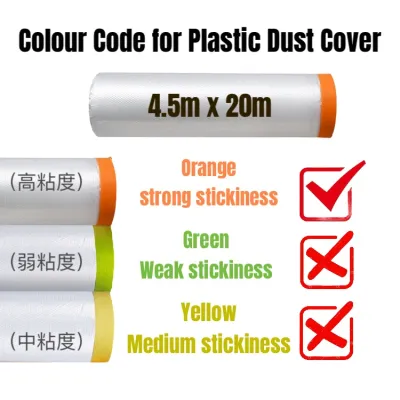
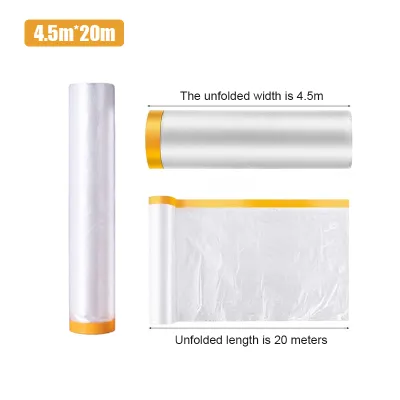
![[2-3 Days Delivery] 4.5m x 20m Plastic Dust Cover Protective Plastic Sheet Disposable Furniture Dustproof Cover Protective Cover Plastic Cover Plastic Film for Home Improvement CNY Gift Present](https://img.lazcdn.com/g/p/37fceab8fc43d4b3b58593d55aae9bcb.jpg_400x400q80.jpg_.webp)
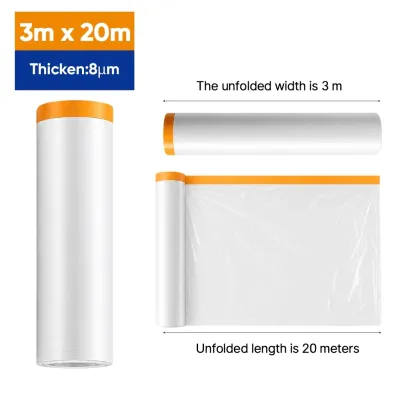
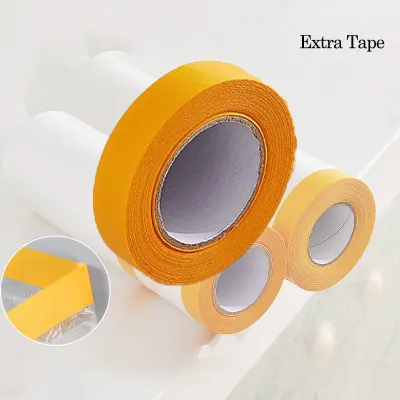
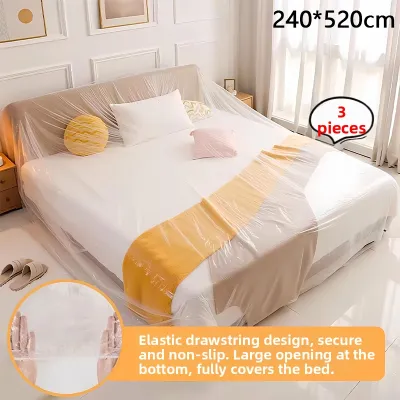
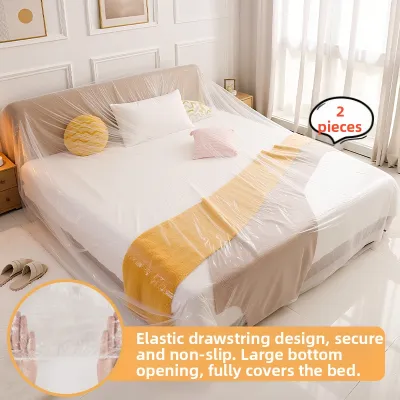
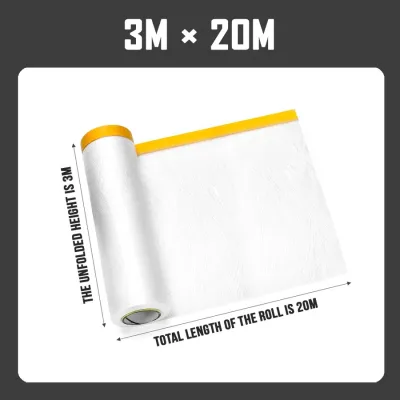
Prices are valid at publication and may change. Please refer to the product page for the latest price.
In contrast, furniture polish relies on chemical properties to manage dust on exposed surfaces. Many modern polishes are formulated with anti-static agents that reduce the static electrical charge that naturally builds up on dry surfaces, particularly wood and plastics. By neutralizing this charge, the polish minimizes the magnetic attraction that pulls fine dust particles out of the air. Additionally, polish creates a slick, smooth microscopic film that prevents dust from adhering firmly, making it much easier to wipe away during routine cleaning.
Material compatibility is a critical factor when applying either method. For instance, a heavy, non-breathable plastic cover can trap ambient moisture against wood or leather, potentially leading to mold growth or finish clouding. Conversely, using an incompatible chemical polish on delicate finishes, such as oil-rubbed wood or antique shellac, can dissolve the original coating or leave a sticky residue. Always verify the manufacturer’s care labels to ensure the fabric of your cover is breathable and the ingredients in your polish are safe for your specific furniture type.
Comparing Protection, Maintenance, and Visual Impact
When deciding between these two protective measures, you must weigh their performance across several practical dimensions. The primary trade-off lies between absolute protection and daily usability. A physical cover offers near-total dust prevention for the areas it covers, but it completely hides the furniture from view. A polish allows you to enjoy the natural beauty of your furniture’s grain and color, but it only reduces dust adhesion rather than preventing dust from settling entirely.

Maintenance frequency also differs significantly between the two options. Dust cover sheets require periodic washing to remove accumulated dust and allergens from the fabric, but they otherwise demand very little daily effort. Furniture polish, on the other hand, requires regular reapplication and manual buffing to maintain its anti-static properties and shine. Over-application of polish can lead to a greasy buildup that actually attracts more dust, requiring a deep strip-cleaning process to restore the original finish.
The visual and tactile experience of your home is deeply influenced by this choice. Covered furniture can make a room look unoccupied or transitional, which may not suit active living areas. Polished furniture enhances the visual warmth of wood, deepens the luster of finished surfaces, and provides a smooth, pleasant tactile feel. To help you compare these options systematically, the table below outlines key decision points based on typical household scenarios.
| Feature / Dimension | Dust Cover Sheets | Furniture Polish |
|---|---|---|
| Primary Mechanism | Physical barrier blocking airborne particles | Anti-static film reducing dust adhesion |
| Dust Prevention Level | High (blocks almost all direct settling) | Moderate (reduces static, simplifies wiping) |
| Aesthetic Impact | Conceals the furniture entirely | Enhances shine, grain, and surface luster |
| Maintenance Effort | Low (occasional washing of the cover fabric) | Moderate to High (regular buffing and reapplication) |
| Best Suited For | Long-term storage, guest rooms, vacant properties | Daily-use tables, active living areas, display items |
| Key Risk to Check | Moisture trapping under non-breathable fabrics | Product buildup and finish incompatibility |
Choose Dust Cover Sheets If…
A dust cover sheet is the most practical choice when long-term preservation outweighs daily accessibility. If you have seasonal furniture, such as outdoor patio sets stored indoors for the winter, or pieces in a dedicated guest room that is rarely occupied, a physical cover is highly efficient. It is also invaluable for protecting your belongings during active home renovations, painting projects, or when leaving your home vacant for extended holiday periods.
When selecting a dust cover sheet, prioritize breathable fabrics like lightweight cotton, canvas, or specialized microfiber. These materials allow air to circulate, preventing the microclimate under the cover from trapping humidity, which is especially important in warm, humid environments. Ensure you check the finished dimensions of the cover against your furniture; a cover that is too short will leave lower sections exposed, while one that is too long will drag on the floor, gathering dirt and creating a tripping hazard. Look for secure fastenings, such as elastic hems or tie-downs, to keep the sheet stable if pets or drafts disturb it. Quality breathable covers typically range from S$15 to S$50 depending on size, making them a cost-effective long-term investment.
However, physical covers have clear limitations. They are highly impractical for items you use every day, as removing and folding a large sheet daily quickly becomes tedious. There is also a risk of surface abrasion if a dusty cover is dragged roughly across a delicate polished surface. Furthermore, if a cover is placed over furniture that is even slightly damp, or if the room experiences extreme temperature fluctuations, trapped moisture can damage wood veneers or cause fabric cushions to develop musty odors.
Choose Furniture Polish If…
Furniture polish is the ideal solution for pieces that remain in constant use and display. Your daily dining table, living room coffee table, and hallway console are central to your home’s aesthetic and cannot be practically covered. For these items, a high-quality polish helps maintain a clean, presentable appearance by reducing the frequency of deep dusting sessions and giving the surface a healthy, clean luster.
Selecting the right polish requires matching the product formulation to your furniture’s specific finish. Water-based polishes are generally mild and suitable for modern polyurethane finishes, while oil-based polishes or traditional beeswax are often preferred for natural, oil-finished woods. Always read the manufacturer’s product label to verify compatibility, and perform a small spot test on an inconspicuous area before treating the entire piece. Applying the polish correctly involves spraying or wiping a thin, even layer onto a microfiber cloth rather than directly onto the furniture, followed by thorough buffing along the direction of the wood grain.
The main risk associated with furniture polish is product buildup. Over time, layers of wax or silicone can accumulate, creating a hazy, sticky film that actually traps dust and fingerprints. This buildup can be difficult to remove without specialized wood cleaners. Additionally, polish is not a universal cleaner; it should never be applied to unsealed wood, raw stone, or fabric upholstery, as it can cause permanent staining or discoloration.
Combining Both Methods for Seasonal or High-Value Items
For high-value furniture, family heirlooms, or pieces that undergo seasonal storage, combining both methods can provide an optimal level of protection. This dual-layer approach utilizes the aesthetic and protective benefits of polish alongside the absolute barrier of a physical cover. However, executing this strategy requires careful preparation to avoid trapping chemical residues or moisture that could degrade the furniture’s finish over time.
The process begins with a thorough cleaning of the furniture surface to remove any existing dust, dirt, or oils. Next, apply a thin layer of compatible furniture polish or wax according to the manufacturer’s instructions, buffing it completely to a dry, smooth finish. It is critical to allow the polished surface to fully cure and dry—often requiring several hours or even a full day depending on the product and local humidity levels. Only when the surface is completely dry and free of active chemical vapors should you drape a clean, breathable dust cover sheet over the item.
Never rush this process by covering a freshly polished or waxed surface while it still feels tacky or emits a strong chemical odor. Trapping active solvents or moisture under a cover can cause the finish to soften, discolor, or develop a cloudy appearance known as blooming. If you are dealing with highly specialized coatings, delicate antique finishes, or furniture under a strict manufacturer warranty, it is best to stop and consult a professional conservator or the furniture manufacturer before applying any polishes or heavy covers.
Frequently Asked Questions (FAQ)
Can I use a dust cover sheet on leather furniture?
Yes, you can use a dust cover sheet on leather furniture, but you must ensure the cover is made of a highly breathable fabric like 100% cotton or canvas. Avoid plastic, vinyl, or synthetic covers that do not allow air circulation, as they can trap ambient moisture against the leather. This trapped humidity can lead to mold growth, musty odors, and premature cracking of the leather surface. Always check the leather manufacturer’s care instructions before covering.
Does furniture polish actually repel dust or just make it easier to wipe?
Furniture polish does not actively repel dust in a magnetic sense, but it reduces the static electricity that attracts dust to dry surfaces. By creating a slick, smooth microscopic barrier, the polish prevents dust particles from adhering tightly to the surface. This makes daily maintenance much easier, allowing you to wipe away settled dust with a dry microfiber cloth without scratching the finish. Regular dusting is still necessary, as polish cannot prevent gravity from causing dust to settle.
How often should I wash my dust cover sheets?
You should wash your dust cover sheets every few months, or more frequently if they are used in high-dust environments, homes with pets, or areas with high humidity. Visual cues such as visible dust buildup, pet hair, or a musty smell indicate that the cover needs cleaning. Always follow the specific washing instructions on the cover’s care label to prevent shrinkage, fabric degradation, or loss of breathability, ensuring the sheet continues to protect your furniture effectively.
Community discussion
Share your experience or ask a question. Comments are reviewed before publication.