
Finding a bean bag that survives the daily energy of pets and children in a Singapore home can be a constant struggle, especially when sharp claws, spilled drinks, and rough play threaten to rupture the fabric and scatter thousands of tiny polystyrene beads across your living room. To prevent these messy and potentially hazardous cleanups, the most effective solution is to equip your soft seating with a highly durable, washable bean bag liner made from high-denier Oxford cloth or heavy-duty canvas, complete with a waterproof thermoplastic polyurethane (TPU) backing and child-safe locking zippers. Investing in a robust inner liner not only safeguards your home from chaotic spills but also simplifies the maintenance process, allowing you to easily remove and wash the outer cover while keeping the filling securely contained. In Singapore’s warm and humid climate, choosing the right combination of breathable, resilient materials ensures your family’s lounging areas remain hygienic, comfortable, and intact for years to come.
Which bean bag liner materials withstand scratches and tears from pets and children?
To withstand scratches and tears from pets and children, look for high-density woven fabrics such as Oxford cloth, heavy-duty cotton canvas, or high-denier nylon, which offer excellent resistance to punctures and abrasions compared to standard lightweight synthetics. When pets stretch, dig, or jump onto a bean bag, their claws can easily catch on loose weaves or thin materials, leading to micro-tears that gradually expand under the weight of a sitting person. By understanding the structural properties of different textiles, you can select a liner that acts as an impenetrable second skin for your bean bag filling.
Heavy-Duty Canvas and Cotton Blends
Heavy-duty canvas and cotton-polyester blends are excellent choices for high-traffic play areas due to their exceptional abrasion resistance. Canvas is naturally thick and tightly woven, meaning that even when subjected to the friction of sliding toddlers or nesting pets, the fibers resist fraying and thinning. While pure cotton canvas offers excellent breathability—a vital feature in Singapore’s humid environment—blending it with polyester enhances its tensile strength and reduces the likelihood of stretching out of shape over time. When evaluating canvas liners, check the fabric weight; heavier options (typically measured in ounces per square yard or grams per square meter) indicate a denser pack of threads that can better absorb the impact of rough play.
Products mentioned in this guide
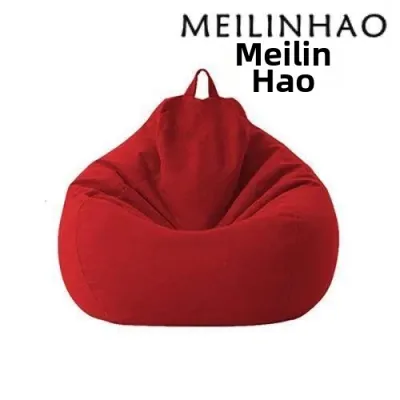
Prices are valid at publication and may change. Please refer to the product page for the latest price.
Oxford Cloth and High-Denier Synthetics
Oxford cloth and high-denier nylon or polyester are engineered specifically for rugged use, making them highly effective at mitigating scratch damage. Denier (often abbreviated as “D”) measures the thickness of individual threads used in the fabric; a higher denier rating directly correlates with increased tear strength. For households with active dogs or cats, look for liners constructed from at least 300D to 600D Oxford cloth. This material features a basket-weave structure that provides a smooth yet tough surface, preventing pet claws from finding a foothold or snagging the individual threads. Additionally, synthetic fibers like nylon are naturally slicker than natural fibers, which helps claws slide off the surface rather than puncturing it.
Evaluating Weave Density and Texture
When reviewing product specifications, pay close attention to the weave density and surface texture of the liner fabric. A tight, uniform weave is critical because any visible gaps between threads represent weak points where a sharp claw or a toy corner could penetrate. Run your fingers over the material if you are inspecting it in person; it should feel firm and substantial, without excessive stretch in any direction. If you are shopping online, look for terms like “ripstop,” which indicates that reinforcement threads are woven into the fabric at regular intervals to prevent small punctures from turning into major tears. Avoid liners with highly textured or looped surfaces, as these are highly attractive to cats looking for a scratching post and are prone to rapid degradation.
Limitations of Standard Lightweight Synthetics
Standard lightweight polyester and thin microfiber liners are generally unsuitable for homes with active pets or toddlers. While these materials are inexpensive and soft to the touch, they lack the structural integrity required to handle dynamic loads and sharp objects. Under the pressure of a jumping child, the seams of a thin polyester liner can easily stretch and fail, while cat claws can slice through microfiber with minimal effort. Furthermore, lightweight synthetics often lack the necessary coatings to prevent fine dust from the filling from escaping into your living space, which can compromise indoor air quality. Choosing a sub-par liner to save on initial costs often results in premature failure and the arduous task of vacuuming escaped beads from your floorboards.
What liner features make cleaning up pet accidents and child spills manageable?
Managing pet accidents and child spills requires a bean bag liner equipped with a reliable moisture barrier, such as a thermoplastic polyurethane (TPU) or polyurethane (PU) inner coating, alongside a highly washable design. In a busy household, liquid mishaps are a matter of “when” rather than “if,” whether it is a spilled juice box, a knocked-over coffee cup, or a pet marking its territory. If these liquids penetrate the inner filling, they can ruin the bean bag entirely, as cleaning and drying thousands of tiny polystyrene beads or shredded foam pieces is nearly impossible and highly prone to mold growth.

Inner Liners vs. Removable Outer Covers
Understanding the division of labor between your outer cover and inner liner is key to maintaining a hygienic lounging setup. The outer cover serves as the primary aesthetic and comfort layer, which should be easily removable via a perimeter zipper for regular washing. However, the inner liner must act as the ultimate defensive shield. While a washable outer cover handles surface dirt and light sweat, a high-quality inner liner ensures that any liquid that seeps through the outer fabric is stopped dead in its tracks. This dual-layer system allows you to simply unzip the soiled outer cover, toss it in the washing machine, and wipe down the protected inner liner with a damp cloth and mild sanitizer without ever exposing the loose filling.
Waterproof Barriers and TPU Coatings
When selecting a liner, look for options that feature an internal waterproof backing, with thermoplastic polyurethane (TPU) being a highly reliable standard for residential use. Unlike older polyvinyl chloride (PVC) backings, which are stiff, chemically off-gass, and make a loud crinkling noise every time you sit down, TPU is highly flexible, silent, and environmentally friendly. It provides a reliable barrier against urine, saliva, and sugary drinks without altering the soft, conforming feel of the bean bag. When reviewing product descriptions, verify that the waterproof coating is applied to the inside of the liner fabric, which protects the coating itself from friction and wear caused by the outer cover rubbing against it.
Stain-Resistant Treatments and Care Constraints
Some premium liners come treated with stain-resistant finishes on the exterior surface to repel liquids and prevent odors from bonding with the fabric. While these treatments are incredibly convenient, they often come with specific care constraints that you must follow to preserve their effectiveness. For instance, harsh detergents, bleach, and fabric softeners can strip away these protective coatings over time. Additionally, high washing temperatures can melt or crack TPU and PU backings, rendering them useless. Always check the manufacturer’s care label; most waterproof liners require a gentle, cold-water cycle and should be air-dried in a shaded area rather than placed in a hot dryer.
Verifying Washing Instructions and Shrinkage Warnings
Before making a purchase, carefully verify the manufacturer’s washing instructions and check for potential shrinkage warnings, particularly if the liner contains natural fibers like cotton. If a liner shrinks even slightly after washing, re-inserting the filling or fitting the liner back inside the outer cover can become an incredibly frustrating struggle. For synthetic liners like Oxford cloth, shrinkage is less of a concern, but they are still sensitive to high heat. It is wise to opt for liners that are pre-shrunk or designed with a small amount of dimensional tolerance, ensuring that the liner remains slightly larger than the volume of the filling to prevent unnecessary tension on the fabric and seams during washing cycles.
How do you select safe closures and reinforced seams for households with young children?
Selecting safe closures and reinforced seams requires choosing liners with dual-zipper systems featuring locking mechanisms, hidden zipper flaps, and multi-row, double-stitched seams that prevent curious toddlers from accessing the filling. Loose bean bag filling, particularly expanded polystyrene (EPS) beads, poses a severe choking and inhalation hazard to young children and pets. If a child manages to unzip a bean bag liner, the static-charged beads can quickly cling to hands, clothing, and faces, leading to dangerous situations. Therefore, the structural integrity of the closures and seams is the most critical safety aspect of any bean bag design.
Child-Safe Zipper Mechanisms
A highly secure bean bag liner should feature a locking zipper mechanism that cannot be opened by small fingers. These specialized zippers often lack a traditional pull tab; instead, they require a small tool, such as a paperclip or a safety key, to unlock and slide the zipper open. This simple yet highly effective design ensures that only adults can access the filling for top-ups or cleaning. Furthermore, look for liners that incorporate hidden zipper flaps or recessed zipper pockets. These fabric guards cover the zipper head completely, preventing it from scratching your wooden floors, catching on carpets, or drawing the attention of curious toddlers and playful pets.
Seam Reinforcement and Stress Points
The seams of a bean bag liner bear the brunt of the force when someone sits, flops, or jumps onto the furniture. To prevent catastrophic seam blowouts, look for liners constructed with double-stitched or flat-felled seams using high-tensile nylon or polyester thread. Single-stitched seams are highly vulnerable to unraveling if a single thread snaps. Pay close attention to the stress points, particularly around the corners, the base, and any integrated handles. These areas should feature reinforced stitching, such as bar tacks or cross-stitching, which distributes the pressure evenly across the fabric rather than concentrating it on a single point of failure.
Material Safety and Certifications
Because children and pets spend hours in close contact with bean bags, ensuring the materials are non-toxic is paramount. Look for independent safety certifications on the product tag, such as the OEKO-TEX Standard 100, which guarantees that the fabric and coatings have been tested for harmful levels of toxic chemicals, heavy metals, and flame retardants. Avoid liners that emit a strong, chemical odor upon opening, as this often indicates the presence of volatile organic compounds (VOCs) or low-quality PVC backings. Opting for certified non-toxic materials provides peace of mind, especially in air-conditioned, enclosed Singapore apartments where indoor air quality is highly valued.
When to Pause and Consult the Manufacturer
If a product description is vague about its safety features, zipper mechanisms, or seam construction, you should pause and consult the manufacturer or retailer before purchasing. Do not assume a liner is child-safe simply because it is labeled as an “inner cover.” Ask specific questions: Does the zipper require a tool to open? Are the seams double-stitched? What materials are used in the waterproof backing? If the seller cannot provide clear, satisfactory answers or if the product lacks visible safety labeling, it is safer to choose an alternative product from a transparent, reputable brand that prioritizes household safety.
Which bean bag sizes and fill types require specific liner support for active families?
The most suitable liner support depends heavily on whether you use lightweight expanded polystyrene (EPS) beads or dense shredded memory foam, as each filling places distinct demands on the liner’s tensile strength, breathability, and overall dimensions. Active families often subject their furniture to unpredictable loads, from multiple children piling on at once to pets using the bean bag as a launching pad. Matching the liner’s structural capabilities to your specific filling type and bag size is essential to prevent premature wear and ensure a comfortable, supportive sit.
EPS Beads vs. Shredded Memory Foam
The choice between EPS beads and shredded memory foam dictates the physical properties your liner must possess. EPS beads are extremely lightweight and rely on the displacement of air within the bag to conform to your body. Consequently, an EPS liner must be highly breathable to allow air to escape quickly when sat on; otherwise, the trapped air will create immense pressure, risking a seam blowout. Conversely, shredded memory foam is significantly heavier and denser, requiring a liner with exceptional tensile strength and a slight degree of elastic stretch. A rigid, non-stretch liner paired with heavy foam will feel stiff and uncomfortable, whereas a flexible, strong liner allows the foam to contour naturally while supporting the substantial weight.
Sizing and Weight Capacity for Active Play
When selecting a liner, ensure its dimensions match your outer cover precisely to avoid structural issues. A liner that is too small will be subjected to excessive tension, pulling the seams taut even before anyone sits down, which dramatically increases the risk of tearing during active play. On the other hand, an oversized liner will bunch up inside the cover, creating uncomfortable lumps and restricting the fluid movement of the filling. For shared family use, larger bean bags (such as L-shaped loungers or giant round bags) require liners with clearly stated weight capacities that can accommodate the combined weight of kids and parents without sagging or bottoming out.
Evaluating Base Seam Stress and Dynamic Loads
It is important to distinguish between static weight capacity and dynamic loads. While a liner might be rated to hold 100 kilograms of static weight, the instantaneous force of a child jumping onto the bean bag can easily exceed that limit. To handle these dynamic loads, look for liners with reinforced base panels and perimeter gussets. A gusseted design adds depth and structural volume, allowing the filling to distribute sideways rather than forcing the seams to stretch outward. This structural feature is particularly important for larger bean bags, where the sheer volume of filling exerts continuous outward pressure on the lower half of the liner.
Delivery and Space Clearance in Singapore Homes
Before ordering a large bean bag liner and filling, carefully measure your living space and check the clearance of your entryways, hallways, and elevators. In Singapore, many residential buildings, including HDB flats and condominiums, have tight lift entrances and narrow corridors that can make transporting fully assembled, large-format furniture challenging. While unfilled liners and compressed foam are easy to bring home, once they are fully expanded and filled, they can become incredibly bulky. Ensure that the finished dimensions of your bean bag will fit comfortably through your doorways and leave enough clearance in your living room so that it does not obstruct high-traffic pathways or ventilation.
Community discussion
Share your experience or ask a question. Comments are reviewed before publication.