
Selecting the right drawer slide bracket is the difference between a drawer that glides effortlessly and one that binds, sags, or fails to close. To make the correct choice, you must align the physical dimensions of your cabinet with the technical specifications of the hardware. By evaluating load capacity, extension type, mounting style, and physical thickness, you can ensure a precise fit that preserves the structural integrity of your furniture.
Understanding Load Capacity and Weight Ratings
Every drawer slide bracket is rated for a specific weight limit, which manufacturers split into dynamic and static load capacities. The dynamic load rating represents the maximum weight the slide can support while in motion, which is the most critical figure for daily use. The static load rating refers to the weight the hardware can support when the drawer is fully closed and stationary.
To determine the capacity you need, calculate the total weight of the empty drawer box itself and add the weight of the heaviest items you plan to store inside. For kitchen drawers holding heavy cookware or pantry items, you will require a significantly higher load rating than for a bedroom dresser holding lightweight clothing.
Products mentioned in this guide


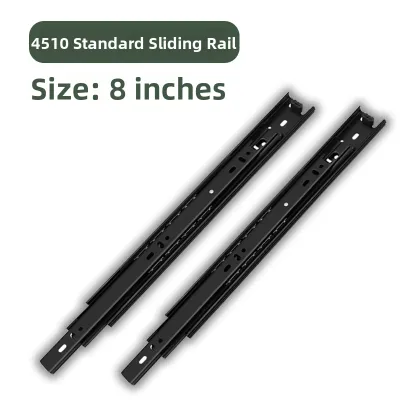
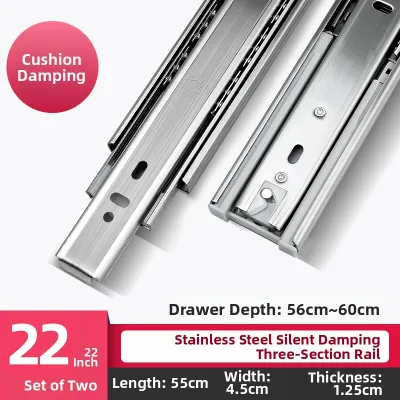
Prices are valid at publication and may change. Please refer to the product page for the latest price.
While it might seem logical to purchase the highest-rated bracket available, heavy-duty slides are often bulkier, stiffer, and more expensive. For light-duty applications, matching the slide closely to your actual needs—while leaving a reasonable safety margin recommended by the manufacturer—ensures smoother operation without unnecessary bulk.
Choosing the Right Extension Type for Access
Extension type determines how much of the drawer body pulls out from the cabinet face, directly impacting how easily you can reach items at the back. Partial-extension slides leave a portion of the drawer inside the cabinet, making them suitable for shallow spaces or areas where full access is not critical. Full-extension slides allow the drawer box to align flush with the cabinet opening, offering complete access to the entire interior.

For specialized applications where you need to clear overhanging countertops or deep cabinet lips, over-travel slides extend beyond the cabinet face. However, your choice of extension is strictly limited by the physical depth of your cabinet. A slide cannot extend further than the internal clearance allows without risking structural interference at the back panel.
Longer extensions also place greater leverage on the bracket and cabinet frame when the drawer is fully open. As extension length increases, lateral stability can decrease, making precise installation and robust mounting brackets essential to prevent the drawer from wobbling or sagging under load.
Mounting Styles and Installation Clearances
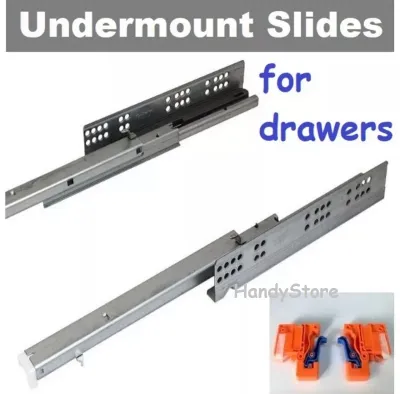
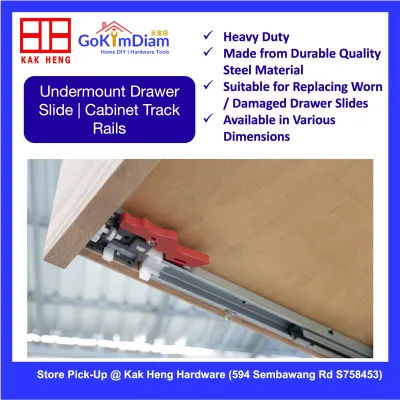
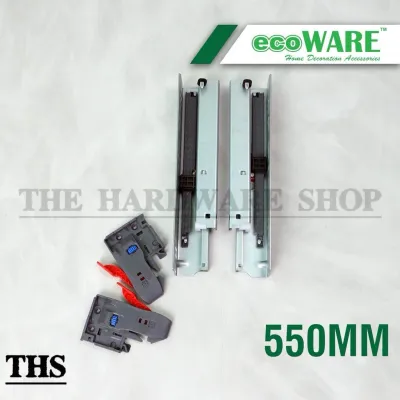
The mounting style of your drawer slide bracket dictates where the hardware attaches to the drawer box and the cabinet interior. Side-mount brackets are highly common and forgiving, requiring a specific, consistent gap on each side of the drawer box. Under-mount brackets attach beneath the drawer, hiding the hardware from view and allowing for a wider drawer box, but they require precise bottom clearances and specific drawer construction.
Center-mount brackets run directly down the middle of the drawer bottom and are typically used for light-duty or traditional furniture. Because clearance requirements vary significantly between brands and mounting styles, you must consult the specific product manual to determine the exact spacing needed. Even a millimeter of deviation can cause the slide to bind or slip out of its tracks.
Before finalizing your hardware choice, inspect the cabinet interior for squareness, bowing, or structural obstructions like plumbing or internal frames. If the cabinet walls are not perfectly parallel or square, you may need to install shims or adjust the brackets to ensure the slides run parallel to each other.
Matching Bracket Thickness and Drawer Dimensions
The physical thickness of the drawer slide bracket must match the clearance gap between the drawer box and the cabinet opening. For example, if a side-mount slide has a thickness of 12.7 mm, the total width of your drawer box must be exactly 25.4 mm narrower than the cabinet opening. Failing to match these dimensions precisely will result in a drawer that is either too tight to slide or too loose to stay on track.
Vertical dimensions are equally critical when planning your installation. You must measure the drawer box height and compare it to the cabinet opening to ensure that under-mount or side-mount brackets do not interfere with the drawer face, top stretchers, or the bottom panel of the cabinet.
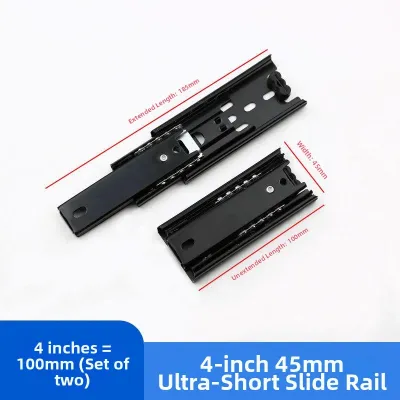
Finally, verify the exact length of the slide assembly against the internal cabinet depth. The slide length should always be slightly shorter than the available internal depth, leaving a small safety margin at the back wall to accommodate screw heads, brackets, or minor cabinet irregularities.
Step-by-Step Specification Checklist for Your Project
To ensure a successful installation, follow this systematic workflow before purchasing your drawer slide brackets. First, use a reliable tape measure to record the exact height, width, and internal depth of your cabinet opening, as well as the exterior dimensions of your drawer box.
Next, calculate the total anticipated load by adding the weight of the drawer box to the maximum weight of its future contents. Use this figure to select a slide with an appropriate dynamic load rating, keeping the manufacturer’s recommended safety margins in mind.
Cross-reference your preferred mounting style with the physical clearance measurements and your desired extension type. Ensure that the slide thickness matches the side or bottom gaps perfectly and that the slide length fits comfortably within the cabinet’s internal depth.
If you discover that your cabinet walls are uneven, or if the physical dimensions of the hardware conflict with your measurements, stop the installation. Consult the hardware manufacturer’s detailed technical specifications or contact a qualified professional to avoid damaging your cabinetry.
Frequently Asked Questions (FAQ)
Can I use a longer drawer slide than the cabinet depth?
No, you cannot use a drawer slide that is longer than the internal depth of your cabinet. The slide assembly must fit entirely within the cabinet carcass when closed; if the slide is too long, it will strike the back wall, preventing the drawer from closing fully. Additionally, oversized slides can interfere with rear mounting brackets, electrical wiring, or plumbing located behind the cabinetry.
Do soft-close mechanisms change the required clearance?
Yes, soft-close mechanisms often alter the physical clearance and depth requirements of drawer slides. The integrated dampening components typically require additional space at the rear of the slide or specific side clearances to operate smoothly. Always check the specific product manual for soft-close models before building or modifying your drawer box to ensure the hardware has adequate room to function.
Community discussion
Share your experience or ask a question. Comments are reviewed before publication.