
Maximizing vertical space is a necessity in compact Singapore HDB flats, where floor area is at a premium. Utilizing the back of your doors with a door storage rack is one of the most efficient ways to clear floor clutter and organize everyday items. However, finding the right rack requires balancing storage capacity with the structural limits of your doors. The ideal door storage solution must fit securely, allow the door to operate smoothly, and handle your items without causing long-term damage to the door frame or hinges.
To make an informed decision, you must evaluate your specific household needs, the type of door you plan to use, and the mounting methods available. Whether you are organizing a bedroom, kitchen, or bathroom, understanding how different racks interact with your home’s layout ensures a clutter-free environment. This guide outlines the essential factors, types, measurement steps, and safety checks to help you select the perfect door storage rack for your HDB flat.
Key Factors to Consider Before Buying a Door Storage Rack
Before purchasing any door storage rack, you must evaluate the physical conditions of your door and the surrounding space. HDB flats feature various door types, ranging from heavy, solid timber main entrance doors to lighter, hollow-core bedroom doors and moisture-resistant bathroom doors. Each of these doors has different structural capabilities and weight limits that dictate what kind of storage system it can safely support.
Products mentioned in this guide
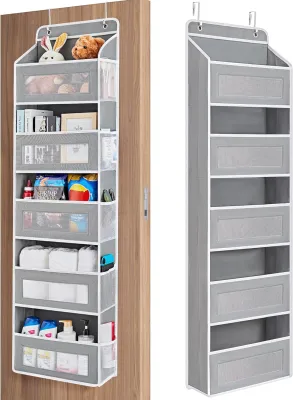
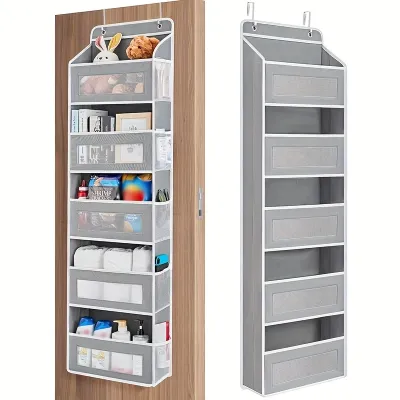
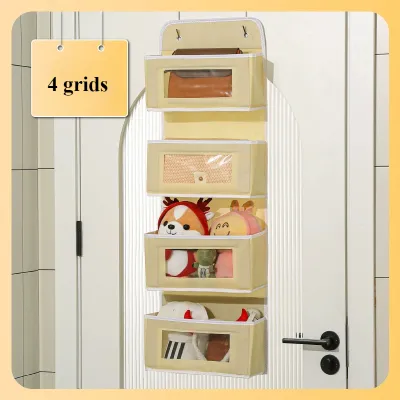
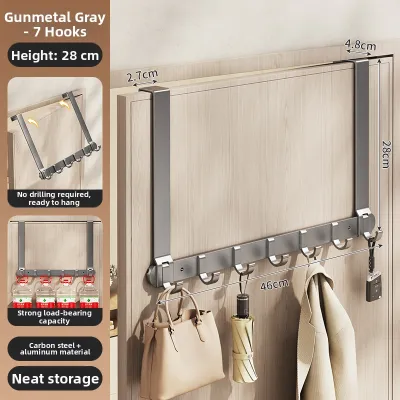
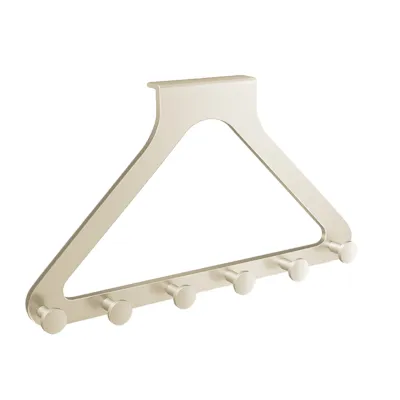
Prices are valid at publication and may change. Please refer to the product page for the latest price.
First, consider the clearance space around the door frame. Over-the-door hooks require a specific gap, often referred to as the header clearance, between the top of the door leaf and the frame. If this gap is too narrow, the door will scrape against the frame, making it difficult to close and potentially damaging the paint or wood. You must also check the side clearance near the hinges and the latch to ensure the rack does not jam when the door is fully closed.
Weight capacity is another critical factor that depends heavily on the door’s material. Hollow-core doors, which are common for bedrooms in HDB flats, are constructed with a cellular cardboard or light timber interior. These doors cannot support heavy, concentrated loads without warping or pulling the hinges loose over time. Solid wood doors can handle more weight, but adding excessive load still puts strain on the hinges and screws, which may require tightening or upgrading.
The swing direction of the door and the placement of nearby furniture are equally important. A bulky door rack can restrict how far a door can open, potentially blocking walkways or hitting adjacent walls and cabinets. You must ensure that the rack does not interfere with the door handle, lock mechanism, or digital lock systems commonly installed on HDB main doors.
Finally, consider the environmental conditions of the room. Singapore’s high relative humidity can cause certain materials to degrade quickly. Metal racks without rust-resistant coatings may corrode in bathrooms or kitchens, while cheap fabric organizers might harbor mold or mildew if placed in poorly ventilated areas. Always check the manufacturer’s material care labels to ensure the rack is suitable for the intended room’s climate.
Types of Door Storage Racks for Compact Spaces
Selecting the right door storage rack involves matching the design of the organizer to the specific items you need to store. Different styles offer varying levels of stability, storage volume, and visual impact. While some designs focus on quick accessibility for lightweight items, others provide heavy-duty shelving for pantry goods or cleaning supplies.

When choosing a style, you must balance the desire for maximum storage with the potential for visual clutter. Open wire baskets make items easy to find but can look messy if not organized neatly. Closed pockets or solid bins offer a cleaner look but may limit visibility. Use the following breakdown to match your storage needs with the most appropriate rack style for your space.
Over-the-Door Hooks and Shelves
Over-the-door hooks and hanging shelves are among the most popular choices for HDB flats because they require no drilling or permanent modifications. These systems feature flat metal brackets that drape over the top edge of the door, suspending hooks or a series of lightweight wire shelves below. They are highly versatile and can be moved from one door to another in seconds, making them excellent for temporary storage.
These racks are best suited for hanging lightweight, daily-use items such as jackets, bags, towels, or small accessories. However, their ease of installation comes with a few trade-offs. Because they hang loosely over the door, they can swing or rattle when the door is opened or closed quickly. This movement can lead to annoying noises and can scratch the door’s surface over time.
To prevent scratches and noise, look for models that include foam backing, felt pads, or adjustable tension screws. These features help secure the bracket tightly against the door leaf, dampening vibrations and protecting the finish. Additionally, you must verify that the bracket thickness is compatible with the gap at the top of your door frame to avoid scraping.
Hanging Organizers with Pockets
Hanging organizers made of fabric, canvas, or plastic pockets offer a lightweight and flexible storage solution. These organizers typically hang from two or three simple hooks over the top of the door and drape flat against the surface. They are particularly useful in bedrooms, closets, and children’s rooms for sorting smaller, lightweight items.
These pocket-style organizers are ideal for storing shoes, socks, accessories, toys, or light cleaning supplies. Because they are made of soft materials, they do not rattle or scratch the door surface like metal or plastic racks can. When not in use, they can be folded flat and stored away easily, making them highly adaptable for changing household needs.
Before buying a pocket organizer, you must verify the dimensions of the individual pockets against the items you plan to store. Small, shallow pockets are excellent for shoes or cosmetics but will not accommodate larger bottles or bulky items. Additionally, ensure the fabric is breathable or easy to wipe clean, especially if you plan to store damp items or use the organizer in a humid environment.
Door-Mounted Racks and Baskets
For heavier storage needs, door-mounted racks and baskets provide the highest level of stability and weight capacity. These systems are typically secured directly to the door leaf using screws, heavy-duty adhesive strips, or a combination of both. Because they are firmly anchored to the door, they do not swing, rattle, or shift when the door is operated.
These racks are highly effective in HDB kitchens and utility rooms, where they can hold pantry items, spice jars, or heavy cleaning bottles. However, because they often require semi-permanent mounting, you must check your tenancy agreement or HDB alteration guidelines before drilling into any doors. Drilling is generally not recommended for hollow-core doors, as the screws may not grip the thin outer veneer securely.
When installing a door-mounted rack, you must carefully plan the placement to avoid blocking essential door hardware. Ensure the baskets do not obstruct the door handle, lock, or peephole. It is also crucial to distribute the weight evenly across the mounting points to prevent localized stress on the door structure.
How to Measure and Check Your Door for Compatibility
To avoid the hassle of returning a product that does not fit, you must perform a thorough physical check and take precise measurements of your door before making a purchase. A door rack that is even a few millimeters too wide or thick can prevent your door from functioning properly, leading to frustration and potential damage.
Start by measuring the thickness of your door leaf. Most standard HDB internal doors are between 35mm and 40mm thick, while main entrance doors can be thicker, often ranging from 45mm to 50mm. Over-the-door hooks are designed to fit specific door thicknesses; if the hook bracket is too narrow, it will not slide onto the door, and if it is too wide, it will wobble and tilt forward.
Next, measure the clearance gap at the top of the door frame. To do this, place a coin, such as a Singapore one-dollar coin (which is about 2.5mm thick), on top of the door and try to close it. If the door closes smoothly without catching the coin, you generally have enough clearance for standard over-the-door brackets. If the gap is extremely tight, you may need to look for ultra-thin flat brackets or opt for an adhesive-mounted solution instead.
You must also measure the available vertical and horizontal space on the door face. Note the position of the door handle and any locks, as the rack must not overlap with these areas. If you have a door closer mechanism installed at the top of the door, ensure the rack’s brackets or frame do not interfere with its arm or housing during operation.
Finally, identify the material of your door to determine the safest mounting method. Tap the door gently; a hollow sound indicates a hollow-core door, which is unsuitable for heavy screw-mounted racks but works well with lightweight over-the-door hooks or adhesive organizers. Solid timber doors can support screws, but you should still pre-drill pilot holes to prevent the wood from splitting. For glass, PVC, or aluminum doors, adhesive hooks or suction-based systems are the only viable options.
Installation and Safety Checks for HDB Doors
Proper installation and ongoing maintenance are essential to ensure your door storage rack remains safe and functional without causing damage to your home. Even a high-quality rack can cause problems if it is overloaded or installed incorrectly, putting unnecessary strain on your door’s hardware.
When loading your door rack, always practice proper weight distribution. Place the heaviest items in the lowest baskets or pockets, and keep the lighter items near the top. This low center of gravity minimizes the leverage force exerted on the top hinges when the door swings open and closed. Avoid placing heavy glass jars or liquid containers on high shelves where they could fall and cause injury or damage.
To protect the door’s finish, always use non-slip pads, felt protectors, or silicone bumpers. Apply these to any contact points where the metal frame or hooks touch the door leaf. These pads not only prevent scratches and paint chipping but also dampen noise and prevent the rack from sliding side-to-side when the door is moved.
If you encounter resistance when closing the door after installation, or if you notice the door sagging or scraping against the floor, stop using the rack immediately. These are signs that the rack is too heavy for the door’s hinges or that the bracket is too thick for the frame clearance. In such cases, remove the rack and consult the manufacturer’s guidelines or a qualified handyman to assess the door’s structural integrity.
Regular maintenance is key to long-term safety. Periodically check the mounting screws, adhesive strips, or over-the-door brackets to ensure they remain tight and secure. Tighten any loose screws on the door hinges, as the added weight of the rack can cause them to back out over time. Inspect the rack itself for signs of wear, such as bent metal, frayed fabric, or peeling adhesive, and replace components as needed to prevent accidental falls.
Frequently Asked Questions (FAQ)
Will an over-the-door rack damage my HDB door?
An over-the-door rack can potentially damage your HDB door if it is installed incorrectly, overloaded, or lacks protective padding. Damage typically occurs in the form of paint scratches, wood gouges, or structural warping. Friction between metal brackets and the door frame can wear down the finish, while excessive weight can strain the hinges, causing the door to sag or misalign.
To mitigate these risks, always use protective felt or foam padding at all contact points between the rack and the door. Ensure the bracket fits the door thickness precisely to prevent shifting. Most importantly, adhere strictly to the manufacturer’s weight limits and avoid slamming the door, which increases the impact force on both the rack and the door frame.
How much weight can a typical door storage rack hold?
The weight capacity of a door storage rack varies significantly depending on its design, materials, and how it is mounted. Lightweight fabric pocket organizers are generally rated for lighter loads, often between 3kg and 5kg in total, to prevent tearing. Over-the-door metal wire racks can typically support between 10kg and 15kg, provided the weight is distributed evenly across all shelves.
Heavy-duty, screw-mounted wooden or steel racks can support higher loads, sometimes up to 20kg or more, but their actual capacity is limited by the strength of the door itself. You must always check the specific product’s manufacturer specifications for exact weight limits. When using a new rack, it is best to test it with lighter items first and monitor the door’s movement before fully loading it.

Community discussion
Share your experience or ask a question. Comments are reviewed before publication.