
Deciding whether to invest in dust covers or rely on regular cleaning and polishing depends entirely on your living environment, furniture materials, and daily habits. While dust covers offer robust protection, they are not universally necessary and can sometimes cause harm if used incorrectly. This self-assessment guide will help you evaluate your specific situation to determine the most effective and practical maintenance strategy for your pieces. By understanding how dust interacts with different surfaces and climates, you can make an informed decision that preserves both the beauty and longevity of your home furnishings.
Assess Your Environment and Dust Exposure
The rate at which dust accumulates in your home is the first major factor to consider. If your residence is located near a busy road, an active construction site, or in an area with high outdoor particulate levels, dust will inevitably find its way indoors. Keeping windows open for natural ventilation invites these outdoor particles to settle directly onto your tables, shelves, and chairs, requiring frequent intervention to prevent buildup.
Indoor airflow patterns and cooling habits also influence dust behavior. In homes that rely heavily on air conditioning, closed windows help keep outdoor dust out, but indoor air circulation can still distribute fibers, skin cells, and lint. If your air conditioning units or ceiling fans are not cleaned regularly, they can continuously recirculate these particles, causing them to settle on flat furniture surfaces even in a seemingly sealed room.
Products mentioned in this guide
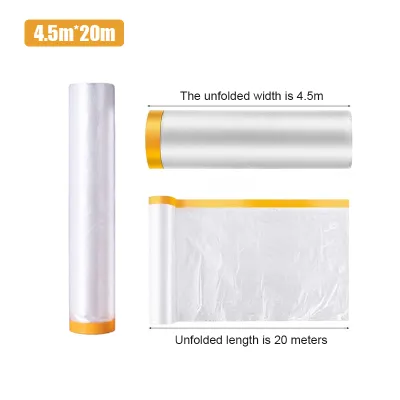
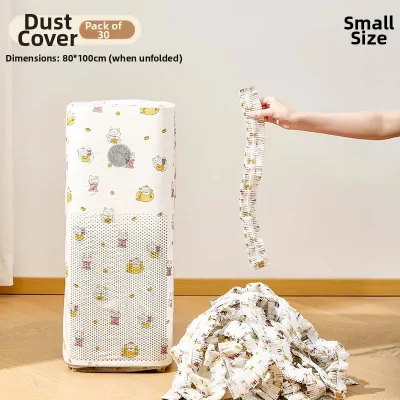
![[SG Stock] Stretch Film | Heavy Duty Shrink Wrap Packaging | Pallet Wrap | Cling Wrap | Furniture Wrap | 2.5/3kg](https://img.lazcdn.com/g/p/7c4636ed40f09d680825c6d01a74b8f8.png_400x400q80.png_.webp)
Prices are valid at publication and may change. Please refer to the product page for the latest price.
The presence of pets and the level of household activity further accelerate dust generation. Pets that shed fur and dander contribute significantly to the volume of airborne particles that eventually land on your furniture. High foot traffic from family members and guests constantly stirs up settled dust from floors and carpets, keeping it suspended in the air until it finds a resting place on your wooden or upholstered pieces.
Evaluate Your Furniture Materials and Finishes
Different furniture materials react differently to dust accumulation and cleaning methods. Porous, unsealed wood or pieces with oil finishes have open grain structures that can easily trap fine dust particles. Wiping these surfaces dry can cause the dust to act as a mild abrasive, leading to microscopic scratches that dull the finish over time. Conversely, sealed, varnished, or lacquered surfaces provide a smooth, protective barrier that makes dust removal much safer and easier.

Delicate fabrics, untreated leather, and intricate design details present unique cleaning challenges. Upholstered sofas, velvet chairs, and deeply carved wooden frames tend to harbor dust in hard-to-reach crevices where it can become deeply embedded. Over time, accumulated dust in fabric fibers can combine with ambient humidity, leading to discoloration, fabric degradation, and musty odors that are difficult to eliminate without professional deep cleaning.
Furniture polish and wax play a valuable role in protecting surfaces, but they have distinct limitations. A high-quality polish or wax creates a thin, protective layer that helps repel dust and minor moisture, making routine cleaning more efficient. However, this barrier cannot prevent heavy dust from settling, and applying too much polish too frequently can create a sticky buildup that actually attracts and holds onto airborne particles, defeating its original purpose.
Analyze Your Cleaning Routine and Lifestyle
Your personal schedule and maintenance habits are crucial in deciding whether dust covers are a practical addition to your home. Keeping uncovered furniture pristine requires a consistent commitment to weekly dusting and periodic polishing. If your professional or personal life leaves you with limited time for household chores, dust can quickly accumulate to a point where simple wiping is no longer sufficient, leading to more labor-intensive cleaning sessions later on.
Periods of prolonged absence are another important consideration for homeowners. If you travel frequently for business, take extended vacations, or leave a property vacant for weeks at a time, your furniture will sit undisturbed. Without regular cleaning, a thick layer of dust will settle and bond with the ambient humidity, making temporary dust covers an exceptionally practical solution to keep your home ready for your return.
Household health sensitivities should also guide your decision-making process. For individuals suffering from dust mite allergies, asthma, or other respiratory conditions, minimizing exposed dust reservoirs is essential for maintaining a comfortable living space. In these situations, using washable dust covers on rarely used furniture can significantly reduce the overall allergen load in the home, making indoor air quality much easier to manage.
When to Choose Dust Covers vs. Regular Polishing
Dust covers are highly effective in specific scenarios where long-term protection outweighs daily accessibility. They are the ideal choice for furniture placed in long-term storage, during home renovation or painting projects, or in seasonal properties that remain empty for months. Additionally, delicate antiques, heirloom pieces, or highly sensitive materials benefit greatly from the physical barrier a cover provides against light, dust, and accidental scratches.
Regular polishing and routine cleaning are far more suitable for daily-use furniture in active areas of the home. Covering your primary dining table, living room coffee table, or daily workspace is highly impractical and detracts from the aesthetic enjoyment of your living space. For these active pieces, maintaining a clean surface through regular dusting and occasional polishing allows you to enjoy the natural beauty of the materials while keeping them in excellent condition.
A balanced, hybrid approach often yields the best results for most households. You can utilize breathable dust covers for guest room furniture, stored items, or pieces near open windows that are rarely used, while relying on a structured cleaning and polishing routine for your main living areas. This strategy ensures that your most valuable or vulnerable items remain protected without sacrificing the daily comfort and visual appeal of your home.
How to Select the Right Dust Cover If Needed
If you decide that dust covers are necessary for certain pieces, selecting the right material is critical to avoid accidental damage. The most important feature to look for is fabric breathability. Woven cotton, canvas, or specialized breathable synthetic blends allow air to circulate freely, preventing stagnant air pockets from forming over your furniture’s finish and reducing the risk of moisture-related issues.
Accurate measurements are essential when choosing a cover to ensure proper fit and protection. Before purchasing, check the finished dimensions of your furniture, including the height, width, and depth. A cover that is too tight can rub against sharp corners and wear down delicate finishes, while an oversized cover that drags on the floor can collect dirt, block airflow underneath the piece, or create a tripping hazard in your home.
In tropical, high-humidity climates like Singapore, avoiding non-breathable plastic or heavy vinyl covers is absolutely essential for indoor wood furniture. These impermeable materials trap ambient moisture underneath, creating a greenhouse effect that can cause wood to warp, joints to loosen, or finishes to develop cloudy, white patches. Opting for lightweight, breathable fabric covers ensures that your furniture remains protected from dust while allowing wood to breathe naturally.
Frequently Asked Questions (FAQ)
Can dust covers trap moisture and damage wood?
Yes, dust covers made from non-breathable materials like plastic or heavy vinyl can trap ambient humidity, leading to moisture buildup on the wood surface. This trapped moisture can cause the wood to swell, warp, or develop mold, and can ruin delicate lacquer finishes. To prevent this, always ensure the furniture is completely dry and clean before covering, and choose breathable fabric covers that allow air circulation.
How often should I polish furniture if I don't use a cover?
There is no single schedule that fits every piece of furniture, as it depends on the material, finish, and your home’s environment. You should always check the manufacturer’s care label first, as many modern finishes do not require polishing and can be damaged by wax buildup. Generally, you should observe the surface; when it begins to look dull, feels dry, or loses its smooth texture, a light application of polish or wax can restore its luster, while routine dry dusting should be done weekly.
Community discussion
Share your experience or ask a question. Comments are reviewed before publication.