
A dustproof bed cover is not a universal necessity for every sleeper, but rather a targeted solution for specific environmental and health signals. Deciding whether you need one depends on your physical symptoms, bedroom ventilation, and mattress usage. While some households can manage dust with standard cleaning routines, others will find that a dedicated protective layer significantly improves sleep quality and extends the lifespan of their mattress. Before investing in one, it is essential to evaluate your current bedroom conditions, allergy symptoms, and mattress type to determine if an extra layer of defense is truly necessary.
Key Signs You Might Need a Dustproof Bed Cover
Persistent morning allergy symptoms are one of the most reliable indicators that your bed requires extra protection. If you regularly wake up with a stuffy nose, itchy eyes, sneezing fits, or a scratchy throat that gradually clears up after you leave the bedroom, dust mites residing in your mattress may be the trigger. These microscopic organisms thrive on shed human skin cells, and standard bed sheets do not provide a tight enough weave to prevent their allergens from rising into your breathing zone whenever you shift during sleep.
Another clear signal is the speed of dust accumulation on hard surfaces throughout your bedroom. In urban environments, especially in homes located near busy roads, construction sites, or areas with poor natural ventilation, airborne particles settle rapidly. If you notice a visible layer of dust forming on your bedside tables, shelves, or headboard within just a few days of cleaning, a substantial amount of that same dust is settling onto and penetrating your mattress fibers. Over time, this accumulated dust becomes deeply embedded, making it incredibly difficult to remove with standard vacuuming.
Products mentioned in this guide
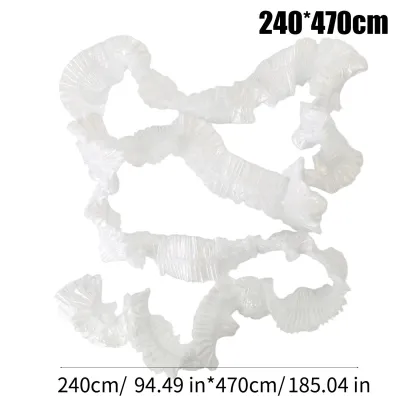
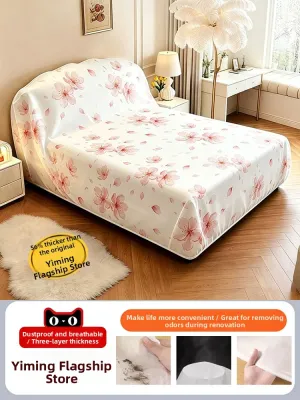
Prices are valid at publication and may change. Please refer to the product page for the latest price.
Pet owners should also closely monitor their indoor environment. If your dogs or cats share your bed, or even if they simply spend time in your bedroom, their dander and hair will inevitably find their way into your bedding. Pet dander is microscopic and sticky, serving as an abundant food source for dust mites and compounding respiratory irritation. A dustproof cover acts as an impermeable barrier, preventing these organic particles from sinking deep into the mattress core where they are nearly impossible to extract.
Finally, consider the usage patterns of the beds in your home. Guest rooms and seasonal mattresses that sit idle for weeks or months at a time are highly susceptible to gathering fine surface dust. Without a protective cover, these beds require a thorough, time-consuming deep clean before every guest arrival. Installing a dustproof cover ensures that the mattress remains pristine and ready for immediate use, saving you maintenance effort and protecting your investment from long-term dust settling.
When a Dustproof Cover Is Unnecessary or Less Effective
While a dustproof cover offers clear benefits for many, there are several scenarios where purchasing one is redundant or unlikely to solve your underlying bedroom issues. If your bedroom already utilizes a high-efficiency particulate air (HEPA) purifier that runs continuously, and you maintain a strict weekly routine of vacuuming your mattress and washing your bedding in hot water, the ambient dust load is likely already low enough that an additional cover will offer negligible improvement.

It is also crucial to understand the functional limits of a standard dustproof cover. These covers are designed to block microscopic dust and allergens, but they are not a solution for active bed bug infestations or severe mold problems. If your mattress has structural mold due to high indoor humidity or water damage, trapping it under a zippered cover can actually accelerate spore growth by sealing in moisture. Similarly, an active bed bug infestation requires professional pest control treatments and specialized, certified bed-bug-proof encasements rather than a standard dustproof protector.
Furthermore, many modern high-end mattresses are manufactured with advanced, tightly woven, or factory-sealed fabrics that are inherently hypoallergenic and resistant to dust penetration. If your mattress specifications explicitly state that the outer ticking is engineered to repel dust mites and allergens, adding a secondary dustproof cover is often unnecessary. Doing so may even interfere with the mattress’s built-in cooling technologies or moisture-wicking properties, reducing your overall sleep comfort.
How to Choose the Right Dustproof Cover for Your Bed
If you have confirmed that your sleep setup would benefit from a dustproof cover, selecting the right one requires careful attention to dimensions, materials, and care requirements. First, you must verify the exact dimensions of your mattress, including its length, width, and depth. A cover that is too loose will bunch up, slide, and create uncomfortable folds under your fitted sheet, while a cover that is too tight will strain the seams and zippers, eventually tearing and compromising the protective barrier. Be sure to measure the depth of your mattress carefully, especially if you use a plush pillow-top model or an additional mattress topper, as these require extra-deep covers.
Material breathability and noise levels are critical factors, particularly in warm and humid climates like Singapore. Avoid cheap, non-porous vinyl covers that trap body heat and create a loud rustling sound every time you turn over. Instead, prioritize quiet, air-permeable fabrics such as cotton terry, bamboo-derived rayon, or specialized microfibers bonded with a breathable polyurethane membrane. These modern materials feature microscopic pores that are small enough to block dust and allergens but large enough to allow heat and water vapor to escape, ensuring a cool and quiet night’s sleep.
Lastly, always check the manufacturer’s care labels to confirm that the cover supports routine machine washing and tumble drying. Because the cover’s primary job is to collect and trap allergens, it must be cleaned periodically to maintain its protective integrity. If a cover requires delicate hand washing or line drying only, it may become highly inconvenient to maintain, leading to neglected hygiene and a buildup of surface allergens over time.
Installation and Maintenance Tips for Long-Lasting Protection
To ensure your dustproof cover functions effectively without damaging your mattress, proper installation and ongoing maintenance are essential. Before installing the cover, make sure your mattress surface is completely dry and free of any residual moisture or stains. If you have recently spot-cleaned a spill or used a liquid sanitizer, let the mattress air out fully with a fan running for several hours. Trapping even a small amount of moisture beneath a zippered, water-resistant cover creates a dark, humid environment that is highly conducive to mold and mildew growth.
Establish a realistic washing frequency that aligns with your household’s needs. While your standard bed sheets should be washed weekly, a fully zippered dustproof mattress cover generally only needs to be laundered every two to three months, or during seasonal deep cleans. Washing the cover too frequently can accelerate the wear and tear on its protective backing. When you do wash it, strictly follow the manufacturer’s temperature and detergent guidelines, avoiding bleach and high-heat drying cycles which can melt or crack the polyurethane membrane.
During your regular bedding changes, take a moment to inspect the physical integrity of the cover. Check the zippers, seams, and corners for any signs of fraying, separation, or wear. A tiny tear or a broken zipper tooth is enough to let dust mites and allergens pass through, rendering the cover ineffective. If you spot any damage, repair it immediately or replace the cover to ensure your sleep environment remains fully protected.
Frequently Asked Questions (FAQ)
Can a dustproof cover completely eliminate dust mites?
A dustproof cover cannot completely eliminate dust mites on its own, but it serves as an incredibly effective barrier. It works by trapping existing dust mites inside the mattress, cutting off their food supply of dead skin cells and preventing them from releasing allergens into your sleeping space. At the same time, it prevents new mites from colonizing the mattress. To manage dust mites comprehensively, you must combine the cover with other practices, such as washing your sheets weekly in hot water and maintaining moderate indoor humidity levels.
Will a dustproof cover make my mattress sleep hotter?
Whether a cover makes you sleep hotter depends entirely on the material you choose. Older, low-quality vinyl or plastic covers trap body heat and moisture, leading to a sweaty and uncomfortable sleep experience. However, modern dustproof covers made from breathable fabrics like cotton, bamboo, or advanced microfibers are engineered with microscopic pores that allow air to circulate freely while blocking dust. If you are a hot sleeper, look for covers that explicitly highlight breathability or moisture-wicking properties on the packaging.
How often should I wash the dustproof bed cover?
Unlike standard bed sheets that require weekly washing, a zippered dustproof mattress cover only needs to be washed every two to three months under normal conditions. Washing it too often can degrade the protective membrane over time. However, you should wash it immediately if you experience a liquid spill, if your pets sleep directly on the bed, or if you are going through a period of heightened allergy symptoms. Always refer to the product’s specific care label to avoid damaging the material with excessive heat.
Community discussion
Share your experience or ask a question. Comments are reviewed before publication.