
Deciding whether to add a dust sheet to your bedding setup often comes down to balancing sleep comfort with allergen management. If you frequently wake up with a stuffy nose, itchy eyes, or skin irritation, your mattress might be harboring microscopic dust mites. A dust sheet—often referred to as an allergen barrier or mattress encasement—serves as a physical shield between you and these microscopic organisms. However, before purchasing one, it is essential to evaluate your specific sleeping environment, your daily habits, and the actual source of your discomfort to determine if this accessory is a necessary investment or a redundant layer.
Recognizing the Signs of Dust Mite Allergies
Identifying whether your sleep disruptions are linked to dust mites requires paying close attention to when and where your symptoms peak. Many people experience a distinct pattern of respiratory congestion, sneezing, or a runny nose immediately upon waking up or while lying in bed. Skin reactions, such as mild itching or eczema flare-ups, can also intensify after a night spent on an unprotected mattress. Because these microscopic pests thrive in the fibers of our bedding, your symptoms will often feel most acute during the hours you spend asleep.
It is easy to confuse dust mite sensitivities with other common environmental triggers. Seasonal allergies, outdoor pollen, and pet dander can produce remarkably similar respiratory and skin reactions. One key differentiator is the timing and location of your symptoms; if your congestion consistently improves once you leave the bedroom or step outdoors, indoor allergens like dust mites are highly suspect. Conversely, if your symptoms persist regardless of your location or fluctuate with the outdoor weather, other environmental factors or pet dander may be the primary culprits.
Products mentioned in this guide
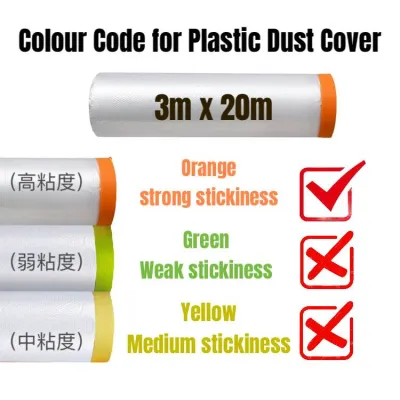
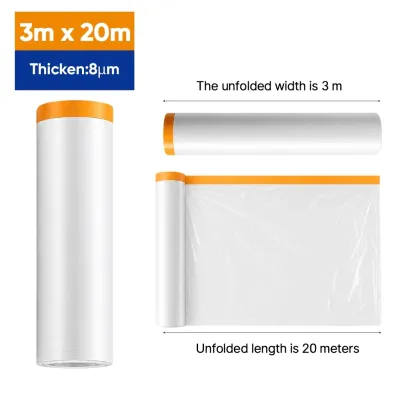
![[2-3 Days Delivery] 4.5m x 20m Plastic Dust Cover Protective Plastic Sheet Disposable Furniture Dustproof Cover Protective Cover Plastic Cover Plastic Film for Home Improvement CNY Gift Present](https://img.lazcdn.com/g/p/37fceab8fc43d4b3b58593d55aae9bcb.jpg_400x400q80.jpg_.webp)
Prices are valid at publication and may change. Please refer to the product page for the latest price.
While tracking your physical reactions provides valuable clues, a self-assessment cannot replace professional medical advice. If you suspect that dust mites are severely impacting your sleep quality or respiratory health, consulting a healthcare professional is a crucial step. A doctor can perform specific allergy tests to provide a formal medical diagnosis. This clarity ensures you do not spend money on specialized bedding accessories when your symptoms might require targeted medical treatment or different environmental interventions.
Evaluating Your Sleeping Environment and Household Factors
Your physical surroundings play a massive role in whether dust mites can establish a thriving colony in your bed. In Singapore, the year-round tropical climate provides the ideal breeding ground for these organisms, which flourish in high humidity and warm temperatures. Because indoor humidity levels in tropical regions regularly exceed the threshold where dust mites thrive, local bedrooms are naturally more susceptible to allergen accumulation. If your bedroom is not consistently air-conditioned or dehumidified, the ambient moisture levels make protective bedding much more relevant.

Beyond the climate, your immediate household habits and bedroom furnishings influence your exposure risk. Bedrooms with wall-to-wall carpeting, heavy fabric curtains, or numerous plush items tend to trap far more dust and dander than minimalist spaces with hard flooring. If you share your bed with pets, their shed dander serves as an additional food source for dust mites, accelerating their population growth. Your current laundry routine also matters; washing your standard bed sheets infrequently allows organic matter to accumulate, creating an inviting environment for allergens.
The age and material of your mattress and pillows are equally critical factors in this evaluation. Over years of nightly use, even high-quality mattresses accumulate dead skin cells, moisture, and dust, making older sleep surfaces primary reservoirs for allergens. If your mattress is several years old and has never been protected by a physical barrier, it is highly likely to contain a settled population of dust mites. Inspecting the seams, checking for visible wear, and noting the age of your pillows will help you gauge whether your current sleep setup requires an immediate protective intervention.
Understanding What Dust Sheets Actually Do
To make an informed choice, you must understand how dust sheets function to mitigate allergen exposure. Unlike standard decorative sheets, specialized dust sheets are engineered as physical barrier encasements made from tightly woven fabrics. The pore size of these fabrics is microscopic, designed specifically to prevent dust mites and their microscopic waste products from passing through the material. By completely enclosing the mattress or pillow, these barriers trap existing allergens inside while preventing new ones from settling into the core cushioning.
It is important to distinguish between the various types of protective bedding available on the market. A standard waterproof mattress protector primarily guards against liquid spills and stains, but it may not feature the microscopic pore weave or full-zipper closure needed to block allergens. A breathable dust sheet focuses on airflow while maintaining a tight weave to block particles, making it highly suitable for warm climates. For maximum protection, a full mattress encasement covers all six sides of the mattress with a secure zipper guard, offering a complete seal that standard fitted-sheet style protectors cannot match.
Maintaining these protective covers requires adhering to specific care instructions to preserve their structural integrity. Because the allergen-blocking capability relies on the tight weave of the fabric, washing them too frequently or using excessively high heat can degrade the fibers over time. Most manufacturers recommend washing the outer dust sheet only a few times a year, while keeping your regular decorative sheets on top for weekly washing. Always check the product label for specific temperature limits and detergent recommendations to ensure you do not inadvertently compromise the barrier’s effectiveness.
Making Your Decision: When to Invest and When to Skip
Deciding whether to purchase a dust sheet depends on a clear comparison of your health needs and bedroom conditions. Investing in a high-quality, fully zippered mattress encasement is highly recommended if you have a confirmed dust mite allergy, suffer from asthma triggered by indoor allergens, or experience persistent morning congestion. It is also a wise preventative measure if you are placing a brand-new, expensive mattress into a humid environment, as it preserves the hygiene of your investment from day one.
On the other hand, you might choose to skip a specialized dust sheet if you do not suffer from allergies and maintain a highly controlled indoor environment. If your bedroom is consistently air-conditioned, dehumidified, and free of carpets or pets, regular cleaning routines may be entirely sufficient. Instead of buying specialized bedding, you might find that washing your standard sheets weekly in hot water, vacuuming your mattress with a HEPA-filter vacuum, and utilizing an air purifier in the bedroom provides adequate allergen control without the need for an extra mattress layer.
If you decide to proceed with a purchase, focus on verifying specific product labels and material specifications rather than relying on vague marketing claims. Look for products that explicitly state their pore size, ideally verifying that it is small enough to block dust mite allergens. Check for breathable fabric certifications, such as cotton-terry surfaces or advanced polyester blends that allow heat to escape, which is vital for sleeping comfortably in tropical climates. Ensure the product features a secure, micro-zipper closure with a protective flap to prevent any gaps where allergens could escape.
Frequently Asked Questions (FAQ)
How often should I wash my dust sheet?
Unlike standard bed sheets that require weekly washing, a specialized dust sheet or mattress encasement only needs to be laundered every two to three months, or even less frequently if you use a standard fitted sheet over it. Washing it too often can wear down the microscopic weave or protective backing that blocks allergens. When you do wash it, follow the manufacturer’s instructions carefully, typically using warm water and a mild detergent, and avoid high-heat drying to prevent shrinkage or damage to the barrier membrane. If you notice visible thinning, tears, or peeling on the inner lining, it is time to replace the sheet.
Can dust sheets completely eliminate dust mites?
No, dust sheets do not eradicate or kill dust mites; instead, they act as a physical barrier that traps existing mites inside the mattress and prevents them from reaching your skin and airways. They also prevent new skin flakes from entering the mattress, eventually starving the trapped population. To manage dust mites effectively, you must combine dust sheets with regular bedroom cleaning, such as washing your top bedding in hot water, vacuuming carpets, and maintaining lower indoor humidity levels to stop mites from breeding elsewhere in the room.
Do dust sheets make the bed feel hotter to sleep on?
Some older or lower-quality dust sheets that rely on thick, non-breathable plastic backings can trap body heat and cause a warmer sleeping experience. However, modern dust sheets designed for tropical climates utilize advanced, breathable membranes or tightly woven natural fibers like cotton and bamboo that allow air to circulate while still blocking microscopic allergens. When shopping, check the product specifications for breathability ratings and look for materials that promote airflow to ensure your sleep comfort is not compromised in warm weather.

Community discussion
Share your experience or ask a question. Comments are reviewed before publication.