
You need a desk footrest if your feet cannot rest flat on the floor when your chair is adjusted to the correct height for your desk. This simple accessory bridges the gap between your body and your workspace, relieving pressure on your thighs and lower back. If you find yourself dangling your legs, tucking them under your chair, or slouching to reach the floor, your current setup is likely compromising your posture and overall comfort.
Physical Signs Your Body Needs Better Leg Support
Dangling feet or heels that hover above the floor are the most obvious signs that your lower body lacks adequate support. When your feet do not make solid contact with a flat surface, the weight of your legs pulls forward, placing continuous strain on your lower back and pelvis.
You might also notice a distinct pressure on the underside of your thighs, right near the edge of your chair seat. This pressure can compress blood vessels and nerves, leading to that familiar “pins and needles” sensation or general numbness in your lower limbs.
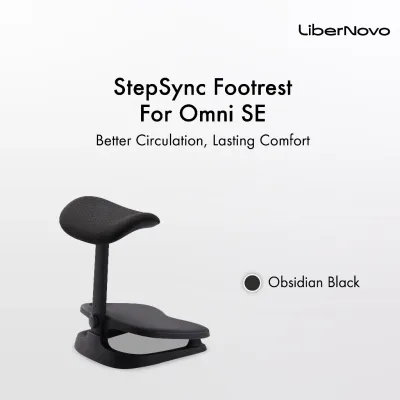
Products mentioned in this guide
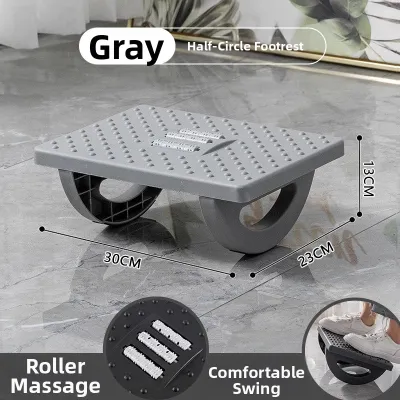
115 Lazada user ratings
It’s a pretty good deal overall, just had to tie it down since it came a bit loose, but the value for the price is still quite nice.
It feels really smooth to the touch, doesn't irritate me, and I've even kicked the habit of crossing my legs. Hehe 😁
Getting ready to buy another one, it's been great for the past two days, especially friendly for shorter people.
It works really well. It helps me stop crossing my legs at work while also providing a nice foot massage.
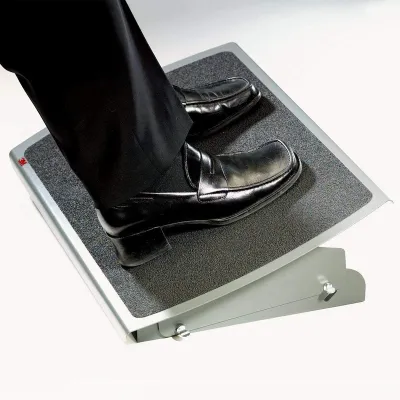
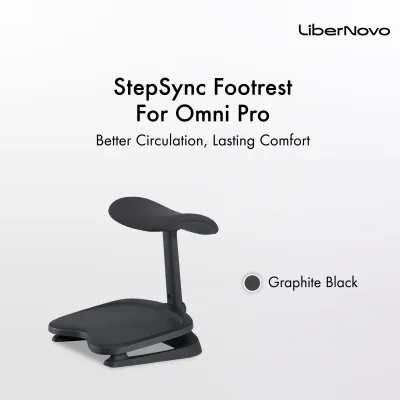
2 Lazada user ratings
Definitely a must have for any chairs as table height may not always be optimal. Great to use too when lay back flat. Comfort:Great comfort …Read full reviewShow less
Definitely a must have for any chairs as table height may not always be optimal. Great to use too when lay back flat. Comfort:Great comfort and pairs perfect with the omni pro Adjustability:Available to different height of users
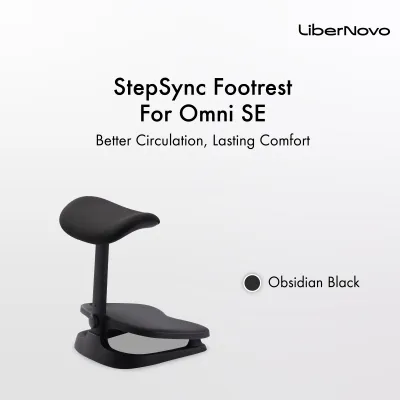
Prices are valid at publication and may change. Please refer to the product page for the latest price.
Restless legs are another common indicator. If you constantly shift your feet, cross your ankles, or tuck your legs under your chair frame, your body is actively searching for the stability it lacks. These subconscious adjustments are temporary fixes that actually introduce new postural imbalances.
Over time, this lack of support manifests as persistent physical discomfort. Lower back strain often develops because the lumbar spine loses its natural curve when the feet are unsupported. Hip tightness is also common, as the hip flexors remain under constant tension to keep your legs in place.
It is important to distinguish between temporary muscle fatigue and chronic postural issues. Temporary fatigue might occur after an unusually long session at your desk and resolves quickly with a short walk. Persistent stiffness, daily lower back aches, and swelling in your ankles at the end of every workday point to a fundamental mismatch in your desk height and leg support.
Workspace Setup Gaps That Cause Poor Posture
Evaluating your workspace begins with assessing how your desk height aligns with your upper body. When typing or using a mouse, your elbows should bend at approximately a 90-degree angle, allowing your forearms to rest parallel to the floor. Your wrists should remain neutral, rather than bending upward or downward to reach the keyboard.

Next, look at your monitor height. Your eyes should align naturally with the top third of your screen when you look straight ahead. If your desk is too high, you might find yourself raising your chair to align your elbows and eyes correctly, which often lifts your feet completely off the ground.
Now, examine your lower body alignment. In an ideal ergonomic position, your feet should rest flat on the floor, with your knees bent at a 90-degree angle. Your knees should be level with or slightly lower than your hips to maintain a neutral pelvis and reduce pressure on your lower spine.
If you have to raise your office chair to match a fixed desk height, your feet will likely dangle. Standard office desks are typically manufactured at a fixed height of around 73 to 75 centimeters. This standard design is optimized for individuals of a specific height range, leaving shorter users with a difficult choice: work with strained shoulders or let their feet hang.
Mismatch between fixed furniture dimensions and individual body proportions is the primary driver of poor posture. Without a way to adjust either the desk height or the floor height, your body is forced to adapt to the furniture, rather than the furniture adapting to your body.
When a Footrest Is the Right Solution (And When It Is Not)
A footrest is the ideal solution when you cannot lower your chair any further without compromising your upper body alignment. If your desk is fixed and your chair must remain elevated so your elbows can comfortably reach the keyboard, a footrest acts as an adjustable floor, bringing the support up to your feet.
This accessory is particularly beneficial for shorter individuals or those using shared workspaces where desks cannot be adjusted. It provides a stable platform that restores the natural 90-degree angle at your knees and hips, immediately relieving pressure on your thighs and lower back.
However, a footrest is not always the first or only step you should take. Before purchasing one, check if your chair can be lowered while still maintaining a comfortable typing height. If your desk is fully adjustable, lowering the entire work surface is often a more comprehensive solution than adding a footrest.
Sit-stand desks offer another alternative by allowing you to change the height of your entire workspace throughout the day. If you transition to standing, a footrest is obviously not in use, though some active standing mats or low stools can offer similar postural variety during standing intervals.
While ergonomic adjustments can resolve standard muscle fatigue and minor discomfort, they are not a substitute for medical advice. If you experience sharp, shooting pain, persistent numbness that does not go away after stepping away from your desk, or chronic joint pain, you should stop and consult a healthcare professional or an ergonomic specialist.
How to Choose and Position a Desk Footrest
When selecting a footrest, prioritize models that offer height adjustability. Because body proportions and chair heights vary, a one-size-fits-all block may not provide the precise elevation you need. Look for options with multiple height settings or stackable layers to customize the support.
Tilt options are another valuable feature to consider. An adjustable angle allows your ankles to rest at a comfortable, natural incline, which can reduce tension in your calves and Achilles tendons. Some models feature a free-floating tilt mechanism that encourages gentle rocking, promoting active blood circulation while you sit.
The surface texture of the footrest should match your daily habits. If you prefer working in socks or barefoot, a soft, memory foam cushion with a washable cover is often the most comfortable choice. For those who wear shoes at their desk, a rigid plastic or wooden model with non-slip rubber grips or massaging rollers is more durable and easier to clean.
Proper positioning is crucial to get the full ergonomic benefits of your new accessory. Place the footrest directly under your desk where your feet naturally land. Ensure your entire foot makes contact with the surface, from heel to toe, and check that your knees remain level with or slightly below your hips.
Before making a purchase, always check the product labels and manufacturer specifications for dimensions and weight limits. Ensure the footrest is wide enough to accommodate your natural sitting stance and fits comfortably between your desk legs. Additionally, verify the weight capacity, especially if you plan to use it as a step stool or apply significant downward pressure.
Frequently Asked Questions (FAQ)
Can I use a makeshift footrest instead of buying one?
You can use a temporary household item like a sturdy, flat-bottomed box, a stack of heavy books, or a firm yoga block to see if elevating your feet improves your comfort. This is an excellent way to test whether a footrest will resolve your posture issues before investing in a dedicated product.
However, makeshift solutions carry risks. Unstable objects like loose reams of paper or plastic containers can easily slip, slide, or collapse under pressure, which can lead to sudden muscle strains or falls. A dedicated ergonomic footrest is designed with non-slip bases and durable materials that remain securely in place during daily use.
How often should I change my leg position while working?
You should aim to shift your position or take a short movement break every 30 to 45 minutes. Even with a perfectly adjusted footrest, sitting in a static position for hours can lead to muscle stiffness and reduced circulation.
Use your footrest to alternate positions by sliding your feet forward, resting your heels on the edge, or using a tilting model to gently rock your ankles. Combine these subtle adjustments with standing up, stretching, or walking around your workspace for at least two minutes every hour to keep your body active and comfortable.

Community discussion
Share your experience or ask a question. Comments are reviewed before publication.