
Sitting at a desk for hours can take a toll on your body, especially if your feet do not rest comfortably on the floor. A desk footrest serves as an ergonomic bridge, filling the gap between your feet and the ground to promote a neutral sitting posture. While not every workspace requires this accessory, many people use one to resolve subtle posture issues that lead to daily fatigue. Determining whether you need a footrest involves a simple self-assessment of your physical comfort, your chair adjustments, and your desk dimensions. By evaluating how your body interacts with your current office furniture, you can decide if adding a footrest is the right step toward a more comfortable workday.
Physical Signs Your Body Needs Better Leg Support
Your body often communicates a lack of ergonomic support through subtle physical cues and discomfort during long work hours. One of the most obvious signs is dangling feet, or feet that only touch the floor with the tips of the toes. When your heels cannot plant firmly, your lower body lacks a stable foundation, which forces other muscle groups to compensate.
This lack of foundation often creates localized pressure points on the underside of your thighs. When your feet dangle, the front edge of your seat pan presses directly into the back of your thighs and the sensitive area behind your knees. Over several hours, this constant pressure can restrict blood flow, leading to a heavy sensation in your legs.
Products mentioned in this guide
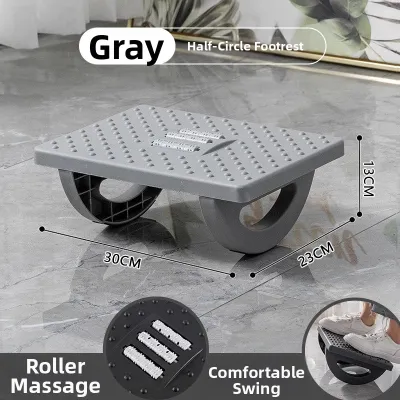
115 Lazada user ratings
It’s a pretty good deal overall, just had to tie it down since it came a bit loose, but the value for the price is still quite nice.
It feels really smooth to the touch, doesn't irritate me, and I've even kicked the habit of crossing my legs. Hehe 😁
Getting ready to buy another one, it's been great for the past two days, especially friendly for shorter people.
It works really well. It helps me stop crossing my legs at work while also providing a nice foot massage.
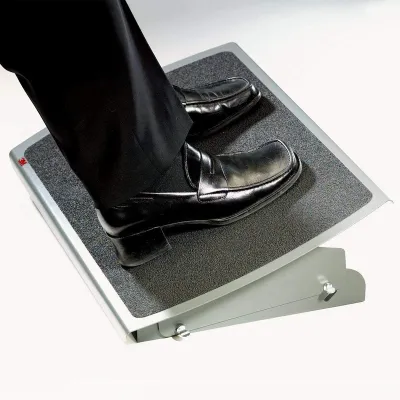
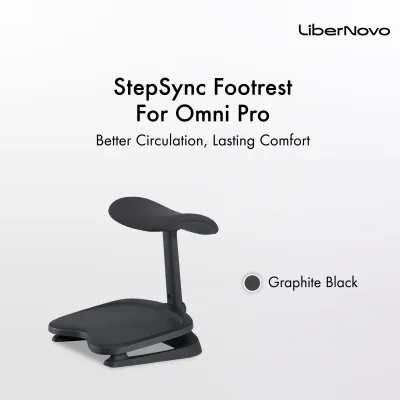
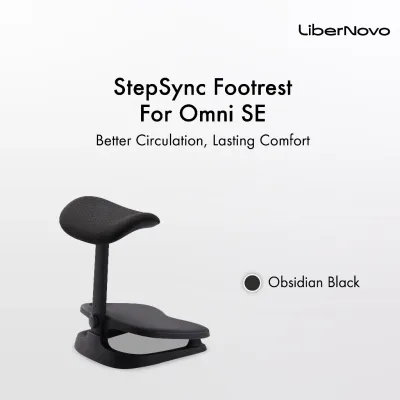
2 Lazada user ratings
Definitely a must have for any chairs as table height may not always be optimal. Great to use too when lay back flat. Comfort:Great comfort …Read full reviewShow less
Definitely a must have for any chairs as table height may not always be optimal. Great to use too when lay back flat. Comfort:Great comfort and pairs perfect with the omni pro Adjustability:Available to different height of users

Prices are valid at publication and may change. Please refer to the product page for the latest price.
You might also experience numbness, tingling, or mild swelling in your lower legs and feet by the end of the day. This pooling of fluid and restricted circulation is a common consequence of poor lower-body support and static posture. If you find yourself constantly shaking out your legs or rubbing your calves to restore sensation, your seating setup may be compressing key blood vessels.
Lower back strain and slouching are also closely linked to unsupported feet. Without a solid base, your pelvis tends to tilt backward, causing your spine to lose its natural curve and slump into the backrest. You might find yourself frequently shifting your weight, crossing your legs, or tucking them under your chair to find temporary relief. These postural adjustments are clear indicators that your body is searching for the stability that a flat floor or a dedicated footrest should provide.
Evaluating Your Current Chair and Desk Dimensions
Before purchasing any new office accessory, it is helpful to measure your existing furniture to see if a structural mismatch is causing your discomfort. A common issue arises with fixed-height desks, which typically stand around 73 to 75 centimeters tall. To work comfortably at this height without straining your shoulders or wrists, you may have to raise your office chair to a point where your feet can no longer reach the floor.

To evaluate your setup, sit fully back in your chair with your shoulders relaxed and your elbows bent at a 90-degree angle, level with your desk surface. In this position, observe where your feet rest. If they are suspended in the air or barely skimming the carpet, measure the vertical distance from the soles of your flat feet to the floor. This measurement represents the approximate height of the support you need.
Next, check the adjustment range of your office chair. Some chairs have a minimum seat height that is still too high for individuals of shorter stature, even when lowered completely. If you cannot lower the seat pan enough to place your feet flat on the ground while keeping your arms at a comfortable typing height, your furniture configuration has an unavoidable gap that requires a physical correction.
Non-adjustable furniture, such as built-in study desks or dining tables used as temporary workspaces, often creates these rigid structural gaps. When you cannot adjust the desk down or the chair up without creating ergonomic conflicts, a footrest becomes a practical tool to modify the floor height. Measuring these dimensions ensures you select an accessory that matches the exact physical deficit of your workspace.
When to Adjust Your Chair Instead of Buying a Footrest
A footrest is not always the correct solution, and in some cases, simple adjustments to your existing furniture can resolve your discomfort without any additional purchase. If your desk is fully adjustable, try lowering both the desk and your chair first. If you can set your chair low enough for your feet to rest flat on the floor while keeping your elbows level with the desk surface, you do not need a footrest.
You should also examine your chair’s seat depth and pan tilt adjustments. If the front edge of the seat is pressing hard into your calves, the seat pan might be too deep for your leg length rather than too high. Many modern ergonomic chairs allow you to slide the seat pan forward or backward. Adjusting this so that there is a gap of about two to three fingers between the edge of the seat and the back of your knees can relieve thigh pressure immediately.
Adding a footrest to an already optimized setup can sometimes introduce new ergonomic issues. If your feet are already flat on the floor and you add a high footrest, it may push your knees up above your hips. This position can compress your hip flexors, tilt your pelvis forward, and place unnecessary strain on your lower back. It can also restrict your ability to slide your chair close to the desk, forcing you to lean forward and strain your neck.
Regardless of how well your feet are supported, no single posture is healthy for an entire day. Even with a perfectly adjusted chair and footrest, static sitting can lead to fatigue. Prioritize taking regular movement breaks every 30 to 60 minutes to stand, stretch, and walk around. Changing your posture throughout the day is just as important as having the right physical support when seated.
How to Choose the Right Footrest for Your Setup
If your self-assessment confirms that your feet do not reach the floor and your furniture cannot be adjusted further, choosing the right footrest requires looking at several key features. An adjustable model is generally highly recommended over a fixed one. Look for options that allow you to modify both the height and the tilt angle, as this flexibility lets you fine-tune the support to match different footwear or minor changes in your chair height.
The surface material and texture of the footrest should align with how you work. If you prefer to work without shoes, a footrest with a soft, machine-washable fabric cover or a memory foam core offers comfortable cushioning. For those who wear shoes at their desk, a durable plastic or wooden model with a non-slip rubber grip or massaging rollers is easier to clean and resists wear from shoe soles.
Size and stability are critical factors for long-term comfort. The platform should be wide enough to support both of your feet when they are spread at a natural, shoulder-width distance. A platform that is too narrow will force your legs together, which can cause hip discomfort over time. Additionally, ensure the base has rubberized feet or a heavy design to prevent it from sliding away on hardwood floors or low-pile carpets when you apply pressure.
Finally, check the physical clearance under your desk before making a decision. Measure the width between your desk legs and ensure there is enough room for both the footrest and your chair’s wheelbase. You must also verify that the height of the footrest, combined with your legs, will not cause your knees to bump against the underside of the desk or any under-desk drawers and cable management trays.
Frequently Asked Questions (FAQ)
Can I use a regular box or books instead of a dedicated footrest?
Using a stack of books, a sturdy cardboard box, or a plastic storage container can serve as a helpful temporary test to see if elevating your feet improves your comfort. However, these household items often lack the stability, slip resistance, and ergonomic angling required for daily, long-term use. A dedicated footrest is designed to stay firmly in place, support your weight without collapsing, and often features an angled platform that matches the natural tilt of your ankles, making it a safer and more durable choice for a permanent workspace.
Will a footrest fix my lower back pain?
A footrest can play a supportive role in managing lower back discomfort by promoting better pelvic alignment and reducing the tendency to slouch or lean forward. When your feet are fully supported, it is easier to maintain the natural curve of your spine against your chair’s backrest. However, back pain can stem from many different factors, including core weakness, poor overall posture, or underlying medical conditions. While optimizing your workstation ergonomics is a beneficial step, persistent or severe back pain should always be evaluated by a qualified healthcare professional.
Community discussion
Share your experience or ask a question. Comments are reviewed before publication.