
Choosing the right display shelf size is a balancing act between the physical constraints of your room and the dimensions of the items you wish to showcase. In Singapore, where residential layouts like HDB flats and condominiums require highly efficient space planning, selecting an incorrectly sized unit can quickly make a living area feel cramped or leave valuable collectibles without proper support. To find the perfect fit, you must evaluate your room’s floor area, map out physical clearances, and match the shelf’s depth and weight capacity to your specific display items.
Assess Your Available Space and Clearances
To determine the ideal footprint of a floor-standing display shelf, start by measuring the exact width and depth of the designated floor area. Use a steel measuring tape for accuracy, as fabric tapes can stretch over time and yield incorrect figures. Write down the maximum allowable width, keeping in mind that even a few millimeters of overhang can prevent a shelf from fitting into a tight alcove or corner. For wall-mounted shelves, measure the clear wall height and width, making sure to note the positions of any wall-mounted fixtures such as light switches, power sockets, or air conditioning units.
Beyond the final placement spot, you must plan the delivery and assembly route. In Singapore’s high-rise residential buildings, large furniture items must navigate common corridors, tight lift doors, and low ceilings. Measure the height and width of your main entryway, the lift door frame, and the internal lift cabin dimensions before purchasing a fully assembled unit. If the display shelf arrives flat-packed, ensure you have a clear floor space adjacent to the assembly site that is at least twice the size of the finished unit to allow for safe construction.
Products mentioned in this guide
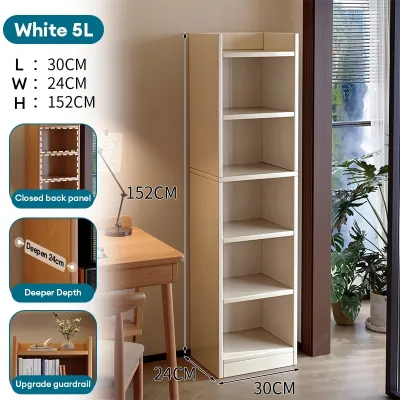
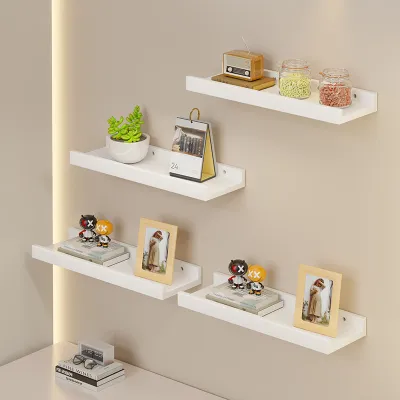
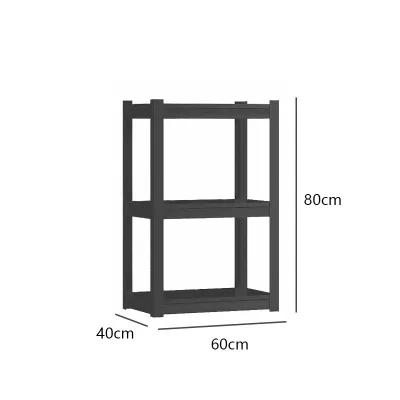
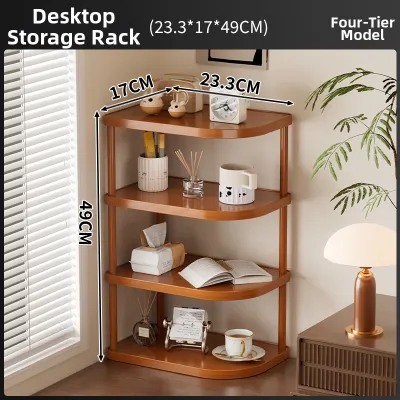
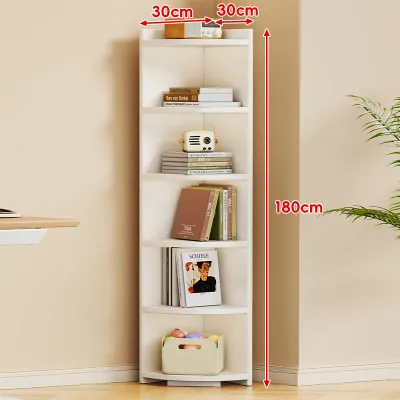
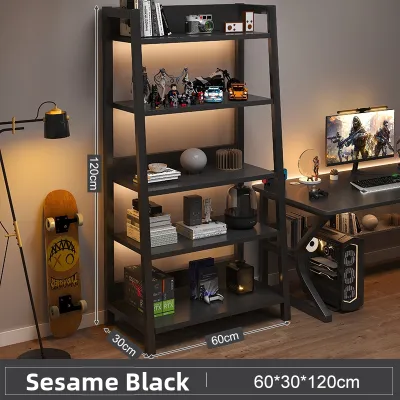
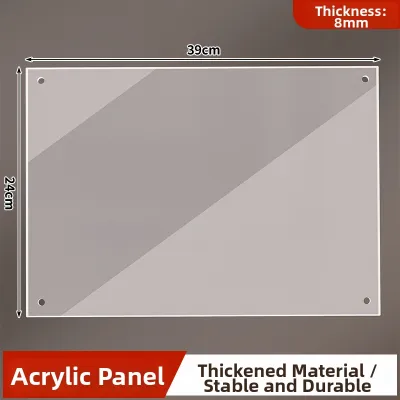
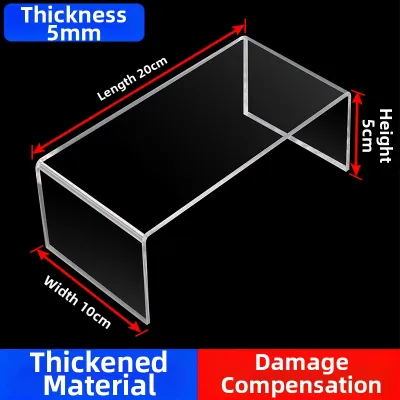
Prices are valid at publication and may change. Please refer to the product page for the latest price.
Visual comfort and physical traffic flow are equally critical when integrating a new piece of furniture. A display shelf should never obstruct natural walking paths; maintain a clear clearance of 60 to 90 cm in high-traffic zones to ensure household members can walk past without turning sideways. Additionally, check that the proposed depth of the shelf does not block the swing path of nearby doors or cabinet drawers, and position the unit far enough from air conditioning vents to prevent direct airflow from causing rapid temperature and humidity fluctuations around delicate display items.
Match Shelf Dimensions to Your Display Items
The dimensions of your display shelf must directly correspond to the physical characteristics of the items you intend to store. If you plan to display a collection of small decorative figurines, framed photographs, or standard paperback novels, a shallow shelf depth of 15 to 20 cm is highly efficient. These compact depths prevent smaller items from getting lost in deep shadows and keep the unit’s overall profile slim. Conversely, larger items such as vinyl records, heavy art books, or bulky collectibles require a deeper shelf depth of 25 to 35 cm to prevent the items from protruding past the front edge.

Vertical spacing within the shelf compartments determines both the aesthetic balance and the usability of the unit. Measure the height, width, and depth of your tallest and widest display pieces, adding a safety margin of at least 3 to 5 cm of clearance above and around each item for easy handling and visual breathing room. Choosing a display shelf with adjustable shelving tracks offers the greatest long-term flexibility, allowing you to reconfigure the interior compartment heights as your collection evolves over time.
Weight capacity is a critical safety consideration that is often overlooked in favor of aesthetics. Rather than assuming a material is durable based solely on its name—such as solid wood, engineered wood, or steel—always check the manufacturer’s certified load capacity per tier. A shelf’s structural integrity depends heavily on the thickness of the horizontal boards, the span distance between vertical supports, and the quality of the joining hardware. Long, unsupported spans are prone to sagging under heavy loads, so if you plan to store heavy glassware or extensive book collections, look for units with reinforced center supports or shorter individual shelf spans.
Floor-Standing vs. Wall-Mounted Display Shelves
Deciding between a floor-standing and a wall-mounted display shelf depends on your floor plan, storage needs, and the structural limits of your walls. Floor-standing units are excellent for maximizing vertical storage because they can reach high up the wall without requiring extensive drilling or complex mounting hardware. When selecting a floor-standing unit, measure the depth and height of your room’s skirting boards (baseboards). Many modern display shelves feature a recessed base or a cut-out at the back to accommodate standard skirting boards, allowing the unit to sit completely flush against the wall. If your chosen shelf does not have this feature, you must account for the gap created by the skirting board, which can affect stability. For safety, always secure tall, top-heavy floor-standing shelves to the wall using the manufacturer-provided anti-tip brackets.
Wall-mounted display shelves, on the other hand, are ideal for smaller rooms because they leave the floor space completely clear. This open floor area makes cleaning much easier and allows you to place low-profile furniture, such as a study desk or a small sofa, directly underneath the shelves. Wall-mounted options also create a lighter, more modern visual aesthetic, making narrow corridors or compact study rooms feel more spacious than they actually are.
However, wall-mounted installations demand strict adherence to safety and structural guidelines. Before mounting any shelf, you must identify the composition of your wall. In Singapore, residential walls are typically either solid concrete (structural walls and columns) or drywall partitions (often used to divide bedrooms or study spaces). Heavy or deep wall-mounted shelves must only be installed on solid structural walls using appropriate masonry wall plugs and screws. If you are dealing with an unidentified wall material or if the installation instructions conflict with your wall type, stop immediately and consult a qualified professional installer to prevent structural damage or personal injury.
Common Sizing and Placement Mistakes to Avoid
One of the most frequent errors when choosing a display shelf is failing to account for minor architectural features. A shelf that appears to fit perfectly on paper may block a crucial double power outlet, cover a light switch, or overlap with a window sill in reality. Always map out these static features on your wall before finalizing your purchase, ensuring you leave easy physical access to all electrical points and light switches.
Another common pitfall is overcrowding the room by selecting a shelf with excessive depth. In a narrow hallway or a compact bedroom, a shelf that protrudes too far into the room disrupts the natural flow of movement, turning a comfortable walkway into a cramped bottleneck. This mistake not only makes the room feel smaller but also increases the risk of accidentally bumping into the shelf and damaging fragile display items.
Finally, buyers often overlook the necessary top and side clearances required for assembly and home maintenance. Purchasing a “floor-to-ceiling” unit that matches your exact ceiling height can make assembly impossible, especially if the unit must be built flat on the floor and raised upright. Additionally, failing to leave adequate clearance around the top of the shelf can block air conditioning vents, interfere with the sweep of ceiling fans, or trap heat generated by nearby electronics, creating potential safety hazards.
Frequently Asked Questions (FAQ)
How much clearance should I leave around a display shelf?
To maintain a comfortable and functional living space, aim to leave at least 60 to 90 cm of clear walking space in front of and around your display shelf. If the shelf is located near a doorway, ensure it sits far enough back that the door can open fully without striking the frame. For floor-standing units that cannot sit flush due to thick skirting boards, a small gap of 1 to 2 cm is normal, but you must ensure the unit is safely anchored to the wall. Additionally, leave a minimum clearance of 10 to 15 cm between the top of the shelf and the ceiling to allow for easy cleaning, dusting, and adequate air circulation.
Can I install a wall-mounted display shelf on a drywall partition?
Standard drywall partitions cannot support heavy loads on their own and present a high risk of structural failure if overloaded. If you must mount a shelf on a drywall partition, limit the display to very light, shallow shelves holding minimal weight, and always use specialized hollow-wall anchors designed for gypsum boards. For secure mounting, you must locate the internal timber or metal wall studs using a stud finder and screw the shelf brackets directly into these structural supports. If you intend to display heavy items like books or heavy ceramic collectibles, avoid drywall mounting entirely and opt for a sturdy floor-standing display shelf instead.
Community discussion
Share your experience or ask a question. Comments are reviewed before publication.