
Selecting the perfect dining chairs for your Singapore home is a delicate balancing act. It requires a thoughtful blend of aesthetic harmony, spatial efficiency, and material resilience. The dining room often serves as a multi-functional hub in modern apartments, doubling as a workspace, a homework station, and a gathering spot for family meals. Therefore, the chairs you choose must do more than just look appealing; they must provide long-term comfort and withstand daily wear.
The right dining chairs act as a visual bridge, connecting your dining table to the broader design theme of your living space. This is particularly true in Singapore’s popular open-plan HDB flats and condominiums, where the dining zone is fully visible from the living room and kitchen. By choosing styles that complement your interior aesthetic—whether that is the clean simplicity of Scandinavian design or the rugged appeal of industrial decor—you can create a cohesive and welcoming environment.
To make an safe and informed decision, you must evaluate several factors beyond mere appearance. Understanding how proportion, scale, materials, and local climate conditions interact with your furniture is essential. This guide explores the most popular interior design styles in Singapore and outlines how to select dining chairs that perfectly match each aesthetic while addressing the practical realities of local homes.
Products mentioned in this guide
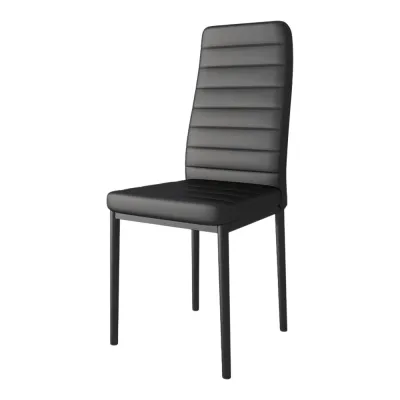
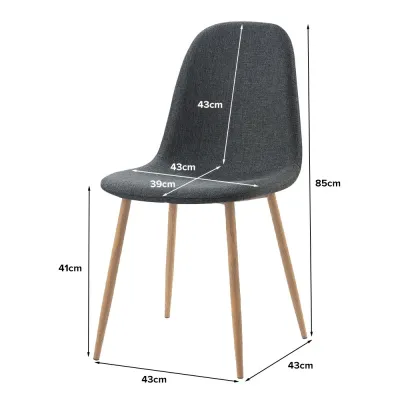
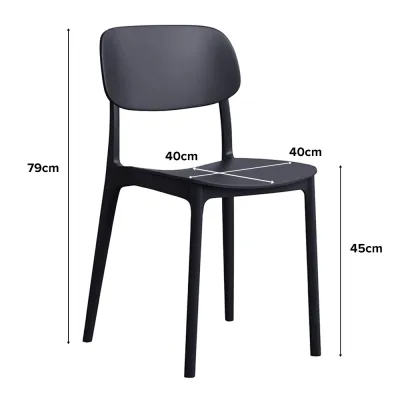
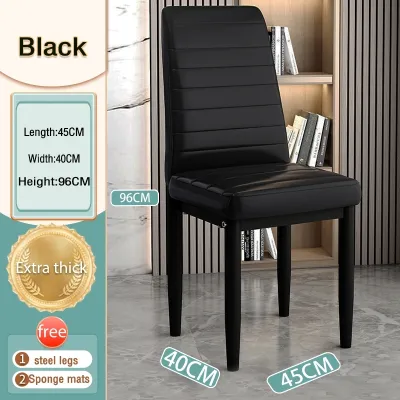
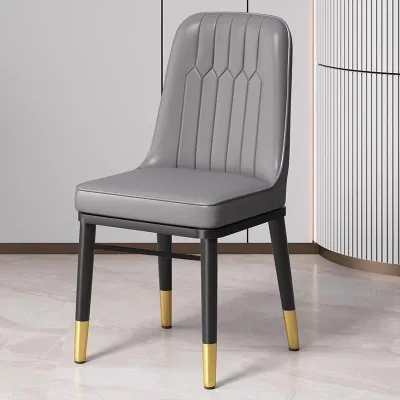
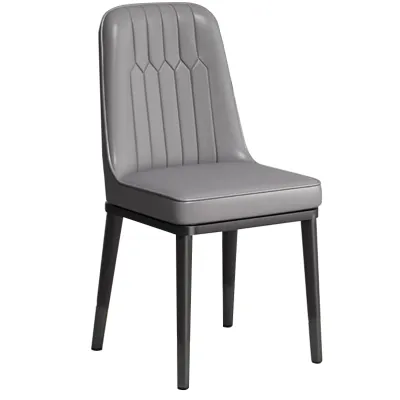
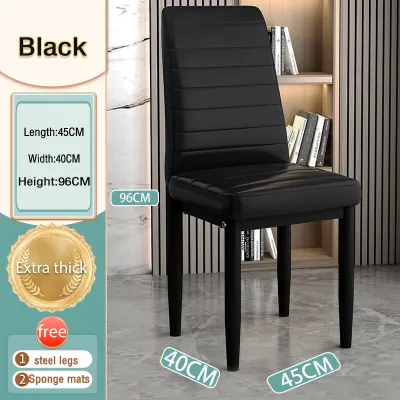
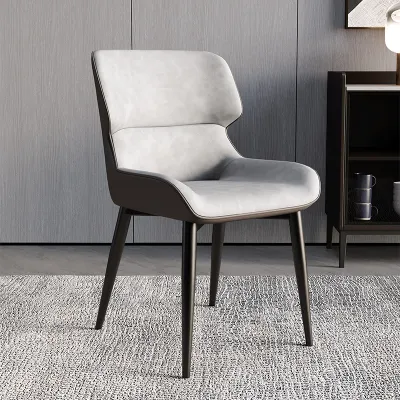
Prices are valid at publication and may change. Please refer to the product page for the latest price.
How to Match Dining Chairs to Your Interior Aesthetic
Achieving visual harmony in your dining space starts with understanding proportion and scale. A dining chair must relate physically and visually to both the dining table and the overall dimensions of the room. If you pair a massive, thick-topped wooden table with delicate, thin-framed wire chairs, the chairs will look visually lost and structurally inadequate. Conversely, surrounding a slender, glass-topped table with bulky, high-backed upholstered chairs can overwhelm the table and make the entire dining area feel cramped. Always measure the clearance under the table frame and ensure the visual weight of the chairs matches the table’s design.
Color palette coordination is another powerful tool for defining your dining space. You can choose to blend your chairs into the surrounding decor or use them as contrasting focal points. For a calm, minimalist, and cohesive environment, select chair frames or upholstery fabrics that match the dominant tones of your walls or the table itself. If you want to inject energy and create a clear visual boundary for your dining zone, opt for contrasting colors. For example, placing deep navy or forest green upholstered chairs around a light oak table instantly draws the eye and establishes the dining area as a distinct zone within an open-plan layout.
Texture and material selection are critical in establishing the sensory experience of your dining room. The physical materials of a chair—whether matte steel, woven rattan, soft velvet, or rich timber—provide immediate visual and tactile cues that define your home’s style. While the upholstery fabric introduces texture and comfort, the chair’s silhouette, from the angle of its legs to the curve of its backrest, is the primary driver of its stylistic category. Combining different textures, such as pairing a smooth marble table with textured bouclé chairs, adds depth and sophistication to the space.
Before you begin exploring showrooms or online furniture marketplaces, establish a clear pre-purchase assessment framework. Take precise measurements of your dining area, noting the distance to nearby walls and walkways. Ideally, you should leave at least 90 centimeters of clear space behind each chair when it is pulled out to allow people to walk past comfortably. Consider the height of your table’s apron, the existing color scheme of your walls, and the type of flooring in your home. This baseline preparation will prevent you from making impulse purchases that look stunning in a spacious showroom but feel restrictive or mismatched in your actual home.
Scandinavian Style: Light Woods and Minimalist Silhouettes
Scandinavian design remains incredibly popular in Singapore due to its ability to make compact spaces feel bright, airy, and expansive. When selecting dining chairs for a Scandinavian-inspired home, focus on light-toned solid woods. Timbers such as white oak, ash, and beech are ideal because they bring warmth and a natural element indoors without darkening the room. Natural woven elements, such as rattan, cane, or paper cord, are also staple materials of this style. These woven surfaces add organic texture and a lightweight, breathable feel to the seat or backrest, perfect for a relaxed dining environment.

The design features of Scandinavian dining chairs are defined by simplicity, clean lines, and organic curves. Look for chairs with tapered legs, gently curved backrests that contour to the body, and an absence of ornate carvings or heavy moldings. Every element of a Scandinavian chair serves a functional purpose, and the beauty of the piece lies in its structural honesty and craftsmanship. The joinery is often left visible as a design feature, highlighting the quality of the wood and construction.
For homes that prefer padded seating, upholstery options should maintain the light and airy aesthetic characteristic of Nordic design. Neutral linens, light gray wool blends, and unbleached cotton are excellent fabric choices. These materials provide soft comfort while adhering to a muted, nature-inspired color palette of whites, grays, beiges, and soft pastels. By keeping the fabric colors neutral, you allow the natural grain and beauty of the wooden chair frame to remain the focal point of the design.
Maintaining an uncluttered, functional feel is essential to preserving the Scandinavian aesthetic. However, minimalism should never come at the expense of seating comfort. Choose chairs with ergonomically designed backrests that support the spine naturally during long meals or work sessions. To keep the light timber looking its best, dust the chairs regularly with a dry microfiber cloth and avoid using harsh chemical cleaners. Periodically applying a wood-safe oil or conditioner will protect the timber from drying out and cracking, especially in air-conditioned dining spaces.
Industrial Style: Raw Metals, Leather, and Utilitarian Designs
Industrial style embraces a raw, unfinished, and urban aesthetic that works beautifully in modern lofts, apartments, and homes with an edgy design sensibility. The material palette for industrial dining chairs is characterized by hard-wearing, utilitarian elements. Look for chairs featuring matte black steel, brushed iron, or distressed metal frames. These cold, structural components are balanced by warm, tactile materials such as full-grain leather, distressed faux leather, or dark-stained solid woods like acacia, mango, or reclaimed timber.
Defining design elements of industrial chairs often draw inspiration from old factories, schools, and workshops. Look for classic features such as cross-back metal structures, exposed joints, visible weld marks, and hardware details like rivets, bolts, or metal brackets. Utilitarian shapes that emphasize strength, durability, and simplicity are key. These chairs often have a slightly weathered or aged appearance, which adds character and a sense of history to your dining space.
To achieve a cohesive and balanced look, pair industrial dining chairs with tables that share a similar rugged character. Concrete-topped tables, thick dark wood tables, or tables with heavy iron legs are perfect matches. If you find a fully metal-and-wood setup too harsh, you can soften the overall aesthetic by choosing industrial chairs with padded leather seats. The rich texture of the leather introduces warmth and comfort while maintaining the authentic, raw vibe of the industrial theme.
When shopping for this style, it is important to avoid finishes that are overly polished, glossy, or pristine. Highly reflective chrome, shiny plastics, and delicate, formal fabrics like silk or satin will clash dramatically with the raw, textured surfaces of an industrial home. Instead, embrace matte finishes, textured metals, and natural imperfections in wood and leather. These elements age beautifully over time, developing a unique patina that only enhances the industrial character of your dining area.
Modern and Contemporary: Sleek Lines and Statement Upholstery
Modern and contemporary interiors are defined by innovation, fluid forms, and a willingness to experiment with bold materials and textures. Dining chairs in this category often showcase cutting-edge manufacturing techniques and artistic silhouettes. Recommended materials include molded plastics, polished chrome, tinted or clear acrylic, and highly textured fabrics. Plush velvet, textured bouclé, and tightly woven tweeds are incredibly popular for contemporary upholstery, offering a luxurious feel and a rich sensory experience.
Structural features in modern dining chairs often challenge conventional design norms to create visual lightness and architectural interest. Look for cantilever bases made of tubular steel, which offer a sleek profile and a gentle, comfortable bounce. Geometric bucket seats, splayed metal legs, and seamless, continuous curves are also hallmarks of contemporary design. These shapes cradle the body comfortably while serving as striking sculptural elements in your dining room.
In contemporary Singaporean homes, the dining area is often a central focus, making it the perfect place to make a bold design statement. You can use your dining chairs to introduce vibrant colors, high-contrast piping, or dramatic, sculptural shapes against a highly minimalist, simple dining table. For example, surrounding a sleek white marble or black oak table with deep emerald velvet chairs or amber-tinted acrylic chairs instantly elevates the room, turning the dining set into a functional work of art.
While sleek lines and hard surfaces like acrylic or molded plastic look undeniably stylish, they can sometimes feel cold or uninviting during long, leisurely dinner parties. To ensure your dining area remains a comfortable space where family and guests want to linger, balance these hard surfaces with soft, inviting upholstery. Choose chairs that feature generous seat padding, or opt for designs that combine a sleek outer shell with a softly upholstered interior. This combination delivers the perfect balance of high-end contemporary style and cozy, practical comfort.
Traditional and Heritage: Rich Woods and Classic Profiles
Traditional and heritage-inspired interiors, including those that draw inspiration from classic European, colonial, or rich Peranakan designs, evoke a sense of timeless elegance, warmth, and history. The materials used in traditional dining chairs should reflect this heritage through high-quality craftsmanship and substantial weight. Look for rich, dark solid timbers such as walnut, mahogany, and premium teak. For upholstery, select heavy, luxurious fabrics that feature intricate patterns or deep textures, such as brocade, damask, jacquard, or heavily grained genuine leather.
Classic design profiles are rich in decorative details that showcase traditional craftsmanship. Key features to look for include elegant turned legs, classic cabriole legs, wingback silhouettes, ladder-back or splat-back designs, and subtle hand-carved motifs along the wooden frame. Upholstered traditional chairs often feature classic nailhead trim along the edges, deep button tufting on the backrest, or piped seams. These details add layers of texture and visual interest, giving the chairs a stately and formal presence.
Because traditional dining chairs carry significant visual and physical weight, they require careful spatial planning. These chairs are often larger and have higher backrests than their modern counterparts, meaning they can easily dominate a room. Consequently, they are best suited for dedicated, spacious dining rooms or larger open-plan areas rather than compact, narrow spaces where they might block natural light and restrict movement. Ensuring there is ample clearance around the table is vital to maintaining a balanced look.
To prevent a traditional dining space from feeling overly dark, formal, or dated, you can mix traditional chairs with transitional elements. For instance, pairing classic, dark-wood dining chairs with a slightly modernized, clean-lined wooden table softens the formality of the space. This blend of old and new creates a transitional aesthetic that feels warm, sophisticated, and highly relevant to modern living, allowing you to honor heritage design without sacrificing a fresh, welcoming atmosphere.
Space and Climate Practicalities for Singapore Homes
Living in Singapore comes with unique spatial and environmental considerations that directly influence furniture selection. With many residents living in HDB flats and condominiums, maximizing available floor space is a top priority. Armless dining chairs are highly practical for compact dining areas because they can be pushed fully under the table when not in use, keeping walkways clear. Stackable dining chairs are another excellent space-saving solution, allowing you to store extra seating neatly in a utility closet until you host guests. Alternatively, replacing the chairs on one side of your table with a dining bench allows you to slide the bench completely out of sight under the table, while comfortably seating more people during family gatherings.
Singapore’s tropical climate, characterized by high humidity and warm temperatures year-round, significantly impacts the longevity of furniture materials. High humidity can cause untreated woods to warp, swell, or crack over time. When purchasing wooden dining chairs, always verify that the timber has been properly treated and sealed with a moisture-resistant protective finish. For upholstery, steer clear of delicate, non-breathable fabrics that trap heat and sweat, or materials that are highly susceptible to mold and mildew. Instead, opt for breathable natural linen blends, easy-to-clean synthetic performance fabrics, or treated leathers that can be easily wiped down. Removable and washable slipcovers are also highly practical for local homes, allowing for easy maintenance.
Before finalizing any furniture purchase, it is crucial to verify the delivery logistics to avoid frustrating complications on delivery day. Measure the height, width, and depth of your HDB or condominium lift carriage, as well as the clearance of any tight stairwells or corridors leading to your unit. Do not forget to measure the width and height of your main entryway door and any internal hallways. Bulky, fully assembled traditional chairs or wide contemporary bucket chairs can be incredibly difficult to maneuver through narrow spaces, so opting for flat-packed or easily assembled designs can save significant hassle.
Finally, pay close attention to the base of your dining chair legs to protect your home’s flooring. Singaporean homes commonly feature flooring materials such as porcelain or ceramic tiles, luxury vinyl tiles (LVT), engineered wood, or polished marble. Constant sliding of dining chairs can cause unsightly scratches, scuffs, or deep grooves over time. Ensure that your chair legs are fitted with high-quality felt pads, durable rubber caps, or smooth plastic glides appropriate for your specific flooring type. Check these glides periodically and replace them when they wear down to ensure your chairs slide smoothly, quietly, and safely across your floors.
Frequently Asked Questions (FAQ)
Can I mix and match different dining chair styles in one room?
Yes, mixing dining chairs can create an eclectic and highly personalized look. The key to success is maintaining at least one unifying element across all the chairs to prevent visual chaos. For instance, you can use chairs with completely different backrest silhouettes as long as they share the same wood tone, matching upholstery fabric, or a consistent seat height. This creates a balanced, intentional design rather than an accidental assortment.
What is the ideal seat height for standard dining tables?
For comfortable seating and natural leg clearance, the standard distance between the top of the chair seat and the underside of the table apron should be approximately 25 to 30 centimeters. Most standard dining tables stand around 75 centimeters tall, meaning a chair seat height of 45 to 48 centimeters is generally ideal. Always measure your specific table’s clearance, especially if it has a thick support frame or drawers, before purchasing your chairs.
Community discussion
Share your experience or ask a question. Comments are reviewed before publication.