
Protecting your home’s flooring from the constant scraping of dining chairs requires matching the right protector material to your specific floor type. There is no single universal winner; the ideal dining chair leg cover depends entirely on your floor’s finish—such as glazed ceramic tiles, luxury vinyl planks, or sealed parquet—and how your household uses the dining space.
For instance, felt pads excel at providing a smooth, quiet glide on hard, flat surfaces, while flexible silicone or rubber caps offer excellent grip to prevent sliding on slick areas. Fabric socks can dramatically reduce noise but may require frequent washing. Before purchasing any protector, it is essential to verify the manufacturer’s compatibility labels to ensure the material will not cause staining, chemical reactions, or unexpected scratches on your specific floor finish.
Assessing Your Floor Type and Chair Movement Needs
Before selecting a material, you must evaluate the vulnerability of your flooring and the movement patterns of your household. Different floors react uniquely to pressure and friction. Highly scratch-resistant surfaces, such as porcelain or glazed ceramic tiles, can withstand harder materials but are still prone to grout-line chipping if heavy chairs are dragged across them. Conversely, softer surfaces like luxury vinyl, laminate, or unsealed natural wood are highly susceptible to deep scratches, scuffs, and pressure dents from unprotected chair legs.
Products mentioned in this guide
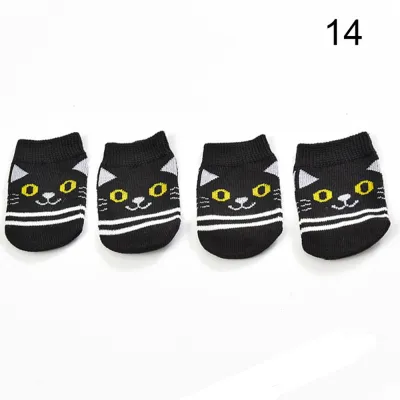
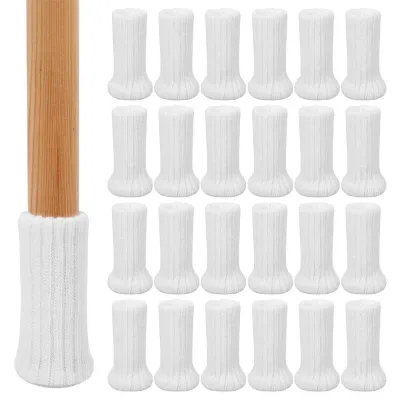
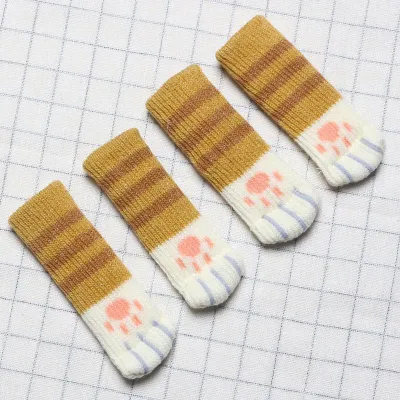
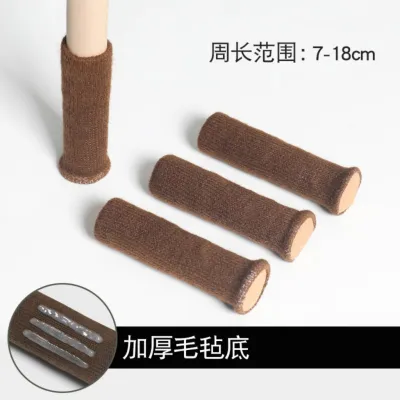
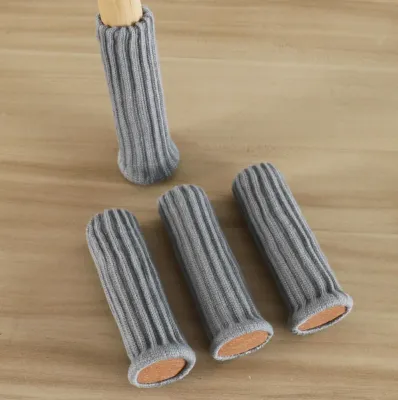
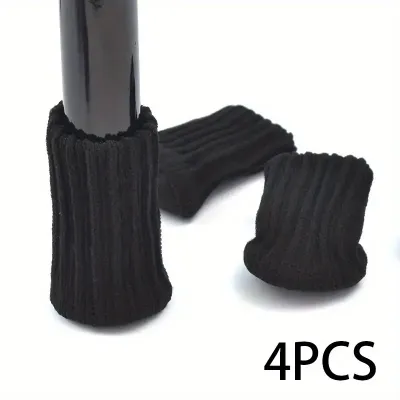
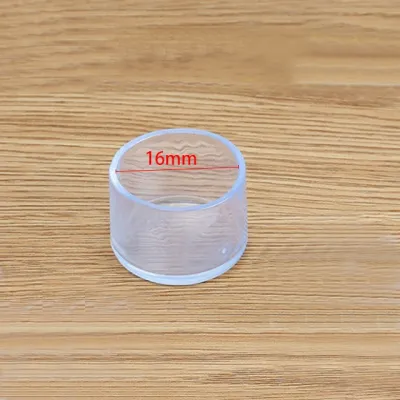
Prices are valid at publication and may change. Please refer to the product page for the latest price.
Consider how your dining chairs are used daily. In busy households with children or pets, chairs are frequently pulled out, pushed in, or dragged roughly. This constant movement accelerates wear on both the floor and the protector. If your dining area is prone to frequent spills, high humidity, or regular wet mopping, environmental factors must also influence your choice. Moisture can quickly degrade simple adhesives, cause porous materials to mold, or trap water against delicate wood finishes, leading to warping or discoloration.
Comparing Common Dining Chair Leg Cover Materials
To find the right match, you must compare materials across several key performance criteria: scratch prevention, noise reduction, grip, and ease of cleaning. Each material has distinct physical properties that make it suitable for specific scenarios and highly inappropriate for others.

Keep in mind that a material name alone does not guarantee performance. A low-quality silicone cap or a poorly manufactured felt pad can fail prematurely. Always check the product specifications, load capacity ratings, and manufacturer-intended surface labels to ensure the product is designed for your specific chair weight and flooring type.
Silicone and Rubber Caps
Silicone and rubber caps are flexible sleeves that stretch over the bottom of dining chair legs. They are best suited for slick, hard surfaces where you want to prevent the chair from sliding too easily, or for chairs with irregular, angled, or tapered legs where standard adhesive pads will not stay in place. The flexible nature of silicone allows it to conform tightly to various leg shapes, providing a secure, tool-free fit.
However, these materials have distinct limitations. If the rubber compound is not explicitly rated as floor-safe or “non-marking,” it can leave stubborn black scuff marks on light-colored vinyl or polyurethane floor finishes. Additionally, the exterior of silicone caps can accumulate dust, pet hair, and lint along their edges, requiring regular wiping to maintain a clean appearance.
Key Verification Steps:
- Check the product packaging for explicit "non-marking" or "floor-safe" certifications.
- Verify that the inner diameter of the cap matches your chair leg's bottom dimensions to prevent slipping.
- Inspect the bottom of the cap to see if it features an integrated felt base, which combines silicone's grip on the leg with felt's smooth glide on the floor.
Felt Pads and Sliders
Felt pads are the traditional choice for residential floor protection, offering an exceptionally smooth glide and excellent scratch prevention. They are best suited for flat, hard surfaces like sealed hardwood, parquet, polished natural stone, or smooth tiles where you want chairs to slide effortlessly and quietly. The soft, compressed fibers of high-quality felt cushion the contact point between the heavy chair leg and the delicate floor finish.
Despite their popularity, felt pads require active monitoring. The most common failure point is adhesive degradation; over time, the glue can slide off the leg, leaving a sticky residue that attracts dirt and scratches the floor. Furthermore, felt compresses under heavy loads, losing its cushioning ability. Most importantly, porous felt can trap tiny particles of grit, sand, or dirt. When a chair is dragged, this trapped grit acts exactly like sandpaper, carving fine scratches into your floor’s protective sealant.
Key Verification Steps:
- Look for heavy-duty, high-density felt rather than thin, soft crafting felt.
- Choose screw-in or nail-on felt glides for a permanent hold, provided your chair legs are wooden and can accept them without splitting.
- Verify that the adhesive backing is rated for high-friction furniture applications.
Fabric and Knit Socks
Fabric and knit socks are sleeve-like protectors that slide over chair legs, often resembling miniature socks. They are highly effective at reducing the harsh scraping noise of chairs moving across hard floors and provide basic protection against minor scuffs. Because they are flexible, they easily accommodate various leg shapes and sizes, making them a quick and highly accessible solution.
The primary limitation of fabric socks is their lack of waterproofing. In a dining room environment where liquid spills, dropped food, and wet mopping are common, fabric socks can absorb moisture and dirt rapidly. This trapped moisture can damage wooden chair legs or create a breeding ground for mold. Additionally, without an internal grip mechanism, fabric socks tend to stretch out, lose their elasticity, and slide down the chair leg over time.
Key Verification Steps:
- Check if the socks feature internal silicone grip strips to prevent them from sliding off the legs.
- Verify that the fabric is machine-washable or easy to clean.
- Ensure the bottom of the sock has a reinforced, double-layered knit or an integrated felt pad for added durability.
Hard Plastic and Nylon Glides
Hard plastic and nylon glides are typically dome-shaped protectors that are nailed, screwed, or tapped into the bottom of wooden chair legs. They are best suited for carpeted dining areas, where they allow heavy chairs to slide smoothly across dense carpet fibers without snagging or tearing the pile. They are also useful for heavy, commercial-grade furniture designed for high-load environments.
However, hard plastic and nylon should generally be avoided on delicate residential hard floors, such as luxury vinyl, laminate, or soft natural wood. Because these materials are rigid, any tiny grain of sand trapped beneath them will be pressed into the floor under the full weight of a sitting person, resulting in deep scratches or permanent dents.
Key Verification Steps:
- Confirm that the glide is specifically rated for carpet use if installing in a carpeted dining room.
- Avoid using these on vinyl or wood unless the manufacturer explicitly states they are made of a specialized, non-scratching polymer.
- Inspect existing glides on newly purchased chairs; if they are hard plastic, consider replacing them or covering them with felt before placing them on hard floors.
Decision Guide: Matching Protectors to Specific Flooring
To make a final decision, you must align the physical characteristics of the protector material with the specific vulnerabilities of your flooring type.
Tiles (Ceramic, Porcelain, or Natural Stone): Tiles are highly durable but feature grout lines that create uneven surfaces. When chairs slide, they bump against these grout edges, which can chip the tile or wear down the protector. For smooth, polished tiles, high-density felt pads provide the quietest glide. For textured or matte tiles, silicone caps with integrated felt bottoms offer the best balance of secure attachment and smooth movement. Ensure that any rubber or silicone used does not transfer color or oils into porous grout lines.
Vinyl and Laminate: These floors feature a thin protective wear layer over a printed design. They are highly sensitive to scratching from trapped grit and denting from concentrated pressure. Avoid hard plastic glides entirely. Opt for wide, flat felt pads or soft silicone caps with felt bottoms. The wider the protector, the more it distributes the chair’s weight, reducing the risk of deep pressure dents in soft vinyl.
Parquet and Solid Wood: Natural wood is highly vulnerable to both scratches and moisture. Water trapped beneath a protector can cause the wood to swell, discolor, or rot. For sealed wood floors, high-density felt pads are the gold standard because they glide smoothly without scratching. However, you must inspect them regularly to ensure they have not trapped grit. Avoid cheap rubber caps that can react chemically with polyurethane wood finishes, leaving permanent cloudy stains.
| Floor Type | Recommended Material | Key Verification Check | Avoid |
|---|---|---|---|
| Ceramic & Porcelain Tiles | High-density felt or silicone with felt bottoms | Check for secure fit over uneven grout lines | Hard, brittle plastics that chip easily |
| Luxury Vinyl & Laminate | Wide felt pads or soft silicone-felt caps | Verify adhesive is safe for vinyl wear layers | Narrow plastic glides and marking rubber |
| Parquet & Solid Wood | High-density felt (screw-in or heavy adhesive) | Inspect regularly for trapped grit and moisture | Cheap rubber caps that react with wood finishes |
Checking Fit, Installation, and Maintenance
No matter which material you choose, proper sizing, installation, and ongoing maintenance are critical to ensuring your floors remain undamaged over time.
Measuring Your Chair Legs: Before purchasing, accurately measure the bottom of your chair legs. For round legs, measure the diameter; for square legs, measure the width of one side. If the legs are angled or tapered, measure the exact point where the leg contacts the floor. Purchasing covers that are too large will cause them to slip off, while covers that are too small will stretch, tear, or fail to cover the entire contact area.
Installation Steps: For adhesive-backed pads, preparation is key to a long-lasting bond. First, thoroughly clean the bottom of the chair leg to remove old adhesive, dust, and oils. You can use a damp cloth with a mild soap solution, ensuring the wood or metal is completely dry before proceeding. If the surface is rough, lightly sand it to create a better grip for the adhesive. Press the pad firmly onto the center of the leg and allow the adhesive to cure—ideally overnight—before sitting on the chair.
Maintenance Routine: Establish a monthly schedule to inspect your chair leg covers. Run your finger over the bottom of each pad to check for embedded grit, pet hair, or flattening. If you hear a scraping sound when moving a chair, inspect the legs immediately.
Stop Condition: Replace the protectors immediately if you observe any of the following: the felt has compressed into a hard, shiny disc; the adhesive has slipped, exposing the bare chair leg; the silicone sleeve has cracked or torn; or the pad has embedded sharp debris that cannot be easily brushed away.
Frequently Asked Questions (FAQ)
Can I use the same chair leg covers for indoor and outdoor dining sets?
Outdoor dining environments present unique challenges, including exposure to ultraviolet (UV) rays, rain, temperature fluctuations, and rougher surfaces like concrete or decking. Standard indoor felt pads or fabric socks should not be used outdoors, as they will quickly absorb moisture, rot, mold, and peel off due to adhesive failure. For outdoor sets, look for heavy-duty, UV-stabilized rubber or plastic caps specifically labeled for outdoor use. These materials are designed to withstand weather exposure and resist tearing on rough outdoor surfaces while protecting your patio or balcony floor.
How do I remove adhesive residue left by old felt pads?
When old felt pads peel off, they often leave behind a sticky, stubborn layer of adhesive that attracts dirt and can ruin your floor’s finish. To remove this safely, start with the gentlest method: wipe the area with a soft microfiber cloth dampened with warm, soapy water. For stubborn residue on vinyl or sealed wood, you can use a specialized, floor-safe adhesive remover, but always test it on an inconspicuous spot first to ensure it does not dull the finish. Avoid using harsh chemical solvents like acetone, steel wool, or sharp metal scrapers, as these can easily scratch, melt, or strip the protective wear layer of your flooring.
Do chair leg covers completely eliminate the risk of floor scratches?
While high-quality chair leg covers significantly reduce the risk of floor damage, they do not completely eliminate it. Scratches can still occur if tiny particles of dirt, sand, or grit become trapped between the protector and the floor, turning the cover into an abrasive pad. Additionally, if the covers wear thin, slip out of alignment, or harden over time, the bare metal or wood of the chair leg can make direct contact with the floor. To ensure complete protection, combine the use of high-quality leg covers with regular floor sweeping, vacuuming, and routine inspections of the protectors themselves.
Community discussion
Share your experience or ask a question. Comments are reviewed before publication.