
Choosing a dining bench with back rest for your Singapore home is an excellent way to balance comfort, spatial efficiency, and interior design. Unlike traditional individual chairs, a backrest bench offers a clean, continuous visual profile that can make a dining room feel more cohesive while maximizing seating capacity along one side of the table. Whether you are furnishing a cozy build-to-order (BTO) flat or a spacious condominium, selecting the right style ensures your dining area is both highly functional and aesthetically pleasing.
To find the perfect fit, you must evaluate how different designs align with your existing home decor. Scandinavian interiors benefit from light woods and breathable woven textures, while industrial spaces call for robust metal frames and rich leathers. Modern minimalist dining rooms require sleek, unornamented silhouettes that maintain open sightlines. Understanding these stylistic nuances, along with essential spatial measurements, will help you select a bench that elevates your daily dining experience.
Core Selection Criteria for a Dining Bench with Back Rest
A dining bench with back rest behaves differently than a standard backless bench, primarily in how it occupies space. While a backless bench can be tucked completely under the table when not in use, a backrest adds permanent physical and visual height. This means the bench will occupy a fixed footprint, much like a row of dining chairs, but with a unified, continuous structure that reduces visual clutter. Before choosing a style, it is essential to consider how this fixed footprint affects movement around your dining table.
Products mentioned in this guide
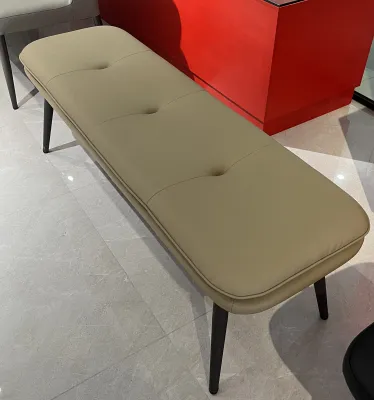
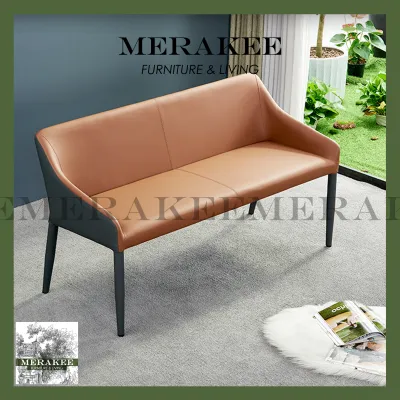
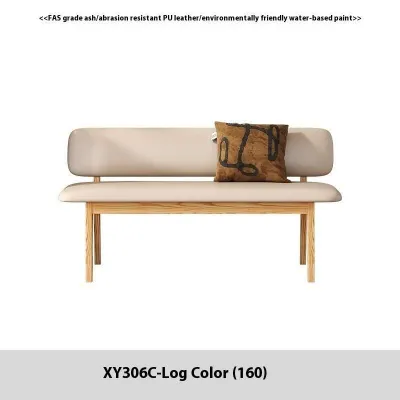
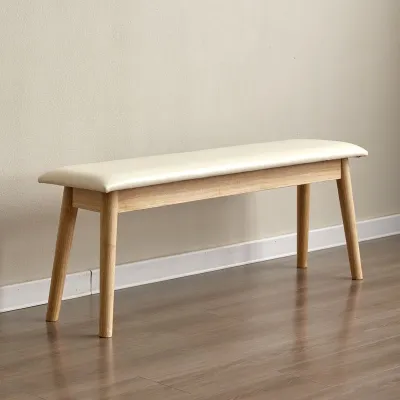
Prices are valid at publication and may change. Please refer to the product page for the latest price.
For comfortable dining over extended periods, the backrest angle and height are critical ergonomic factors. A backrest that is completely vertical can cause muscle strain during long meals, so look for a gentle backward recline of about 100 to 105 degrees to support natural spinal alignment. The height of the backrest should ideally reach the mid-back, which is typically around 30 to 45 cm above the seat surface. This provides adequate lumbar support without dominating the room’s sightlines.
Choosing between upholstered and hard-surface benches requires weighing comfort against maintenance. Upholstered benches offer superior cushioning but are susceptible to spills, which can be challenging in high-use dining areas. Solid wood and metal frames are highly durable and easy to wipe clean, though they may require separate seat pads if you prefer a softer sit. If you opt for upholstery, consider performance fabrics or high-quality faux leathers that resist staining and are simple to maintain.
Scandinavian Style: Light Woods, Rattan and Clean Lines
The Scandinavian and Japandi design philosophies focus on warmth, light, and natural materials. When selecting a bench for these styles, prioritize light-toned solid woods such as European oak, ash, or beech. These woods feature subtle grain patterns that bring a soft, organic texture to the dining room. Ensure the wood is treated with a matte, protective polyurethane or oil finish to guard against moisture without losing the natural look of the grain.

To enhance breathability in Singapore’s humid climate, look for benches incorporating woven rattan, cane, or paper cord into the backrest design. These open-weave materials allow air to circulate freely, preventing a sweaty or sticky feel during warm afternoons. The natural variation in rattan also introduces an artisanal, organic texture that softens the clean lines of Scandinavian dining tables.
If you prefer an upholstered seat or backrest, select light, neutral tones like beige, oatmeal, or soft grey. Linen and cotton-blend fabrics are highly popular for their relaxed, textured appearance. Because light fabrics are prone to showing stains, look for benches that feature removable, machine-washable covers, or treat the fabric with a water-repellent protective spray before its first use.
The physical silhouette of a Scandinavian bench should feel light and airy. Look for designs featuring rounded edges, tapered legs, and slender backrest spindles. These design details keep the visual weight of the bench low, ensuring that even a larger three-seater bench does not make a compact dining area feel cramped or heavy.
Industrial Style: Metal Frames, Leather and Raw Textures
Industrial style celebrates raw, utilitarian materials and structural honesty. A bench designed for an industrial dining room often features a robust frame made of black powder-coated steel, gunmetal, or brushed iron. Visible joinery, exposed welds, and industrial rivets along the frame add to the authentic, loft-style aesthetic while providing exceptional structural stability.
To contrast with the cold metal frame, the seat and backrest should feature warm, textured materials. Distressed genuine leather or high-durability synthetic faux leather in shades of cognac, charcoal, or deep brown work exceptionally well. Alternatively, heavily grained solid woods like reclaimed pine, acacia, or dark walnut offer a rugged, natural surface that develops a beautiful patina over years of daily use.
The key to a successful industrial look is the deliberate pairing of contrasting textures. Combining a smooth, matte-black metal frame with a richly textured, warm-toned wooden seat creates a striking visual balance. This combination prevents the dining set from looking overly sterile or cold, making the dining space feel inviting and grounded.
Because metal-framed benches are relatively heavy, they can easily scratch or scuff delicate flooring. When selecting an industrial bench, verify that the legs are fitted with durable rubber or felt floor protectors. This is particularly important for Singapore homes with polished homogenous tiles, vinyl planks, or natural parquet flooring, where dragging a heavy metal bench can cause permanent surface damage.
Modern Minimalist: Sleek Profiles and Neutral Finishes
Modern minimalism relies on precision, simplicity, and the elimination of unnecessary detail. A minimalist bench should display clean, continuous geometric lines and hidden or seamless joinery. The transition from the seat to the backrest should look fluid, avoiding bulky brackets or conspicuous screws. This architectural approach allows the bench to function as a sculptural element within the dining room.
Minimalist designs often utilize innovative materials and finishes to create visual interest without relying on ornamentation. Matte lacquer finishes, micro-cement coatings, or molded plywood structures offer sleek, smooth surfaces that are highly durable and easy to clean. Molded plywood is particularly effective, as it can be shaped into a single, continuous curve that provides ergonomic support while maintaining an ultra-thin profile.
For upholstered minimalist benches, choose tight-weave fabrics in a monochromatic palette, such as charcoal, off-white, or slate grey. Bouclé fabrics or tightly woven polyesters add subtle, sophisticated texture without breaking the clean visual plane. Opt for integrated, non-tufted cushions that lie flush with the frame to preserve the bench’s streamlined silhouette.
In open-plan apartments, maintaining unobstructed sightlines is essential for keeping the home feeling spacious. A minimalist bench often features a low-profile backrest that sits just high enough to provide lumbar support while remaining below the height of the dining table when viewed from across the room. This low visual profile prevents the dining set from dividing the living and dining zones too aggressively.
Space Planning and Clearance Checks for Compact Dining Areas
Before purchasing a bench, you must carefully measure your existing dining table. Pay close attention to the table’s apron—the wooden or metal frame directly underneath the tabletop—and the overhang of the tabletop. If the bench backrest is taller than the underside of the apron, the bench cannot be pushed under the table. Measure the height from the floor to the bottom of the apron to determine the maximum clearance height available.
In compact HDB or condominium dining areas, space behind the seating is at a premium. To allow family members to slide in and out of the bench comfortably, you need to maintain a clear walkway behind it. Ideally, leave at least 60 to 75 cm of clearance between the back of the bench and the nearest wall or piece of furniture. If the dining area is a major thoroughfare, increase this clearance to 90 cm to prevent traffic bottlenecks.
One often-overlooked aspect of buying a dining bench with a backrest is the delivery process. Unlike backless benches, benches with backrests are often delivered fully assembled or in large, awkwardly shaped boxes. You must measure your home’s entry points before ordering. Check the interior dimensions of your building’s lift, the clearance height of stairwell turns, and the width of your main front door to ensure the delivery team can safely maneuver the bench into your dining space.
Frequently Asked Questions (FAQ)
Can a dining bench with a backrest slide completely under the table?
In most cases, a dining bench with a backrest cannot slide completely under a standard dining table. This limitation is due to the height of the backrest, which typically extends well above the height of the table’s underside apron. If you attempt to push the bench in, the backrest will clash with the edge of the tabletop, leaving the seat partially exposed.
If achieving a flush, space-saving fit is your primary goal, you must measure the distance from the floor to the bottom of the table’s apron. Then, compare this with the exact height of the bench’s backrest. To make a flush fit possible, you will need to pair the bench with a table that features a very thin tabletop and lacks a lower apron or crossbar support, allowing the backrest to clear the underside of the table.
What is the ideal height difference between the dining table and the bench seat?
For an ergonomically comfortable dining posture, the ideal vertical distance between the top of the bench seat and the top of the dining table is between 25 and 30 cm. This gap provides sufficient legroom for most adults while ensuring that your arms rest naturally on the tabletop during meals without causing shoulder strain.
When calculating this gap, remember to account for seat cushion compression. A heavily padded upholstered bench seat may compress by 3 to 5 cm when sat upon, which can alter your sitting height. Always check the manufacturer’s exact specifications for both the table and the bench, and if possible, test the combination in person to ensure the seating height feels natural and comfortable.
Community discussion
Share your experience or ask a question. Comments are reviewed before publication.