
Finding the right bed for your child involves balancing aesthetics, functionality, and, most importantly, safety. If you are considering a devan bed for your child’s bedroom, you are likely evaluating how its design and manufacturing standards measure up against rigorous safety expectations. In Singapore, where children’s furniture is subject to general consumer safety guidelines, parents must take an active role in verifying the structural integrity and chemical safety of any bed frame before making a purchase. While a devan bed can offer an appealing blend of style and utility, confirming its safety requires a systematic look at certified test reports, material compositions, and physical design features.
How to Verify the Safety of Devan Children's Beds
Evaluating a specific brand like Devan requires looking beyond marketing claims to find verifiable proof of safety. When shopping for a devan bed, your first step should be a thorough review of the manufacturer’s official documentation. Reputable furniture brands typically publish detailed material disclosures and safety compliance statements on their official websites or provide them directly to authorized retail partners. You should actively look for specifications indicating the types of wood, engineered panels, adhesives, and finishes used during production.
If these details are not immediately visible on the online product listing, do not hesitate to contact the retailer or brand support directly to request the product’s technical datasheet. A transparent manufacturer will readily provide information regarding their quality control processes and any third-party laboratory testing their products have undergone. Requesting a copy of the official test report or compliance certificate is a standard practice for safety-conscious parents and helps confirm that the specific model you are interested in has been independently validated.
Products mentioned in this guide


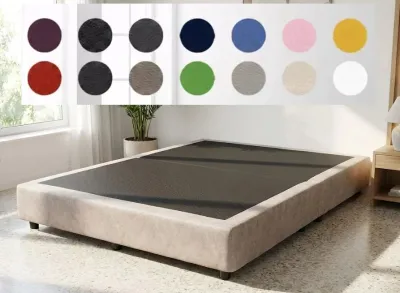
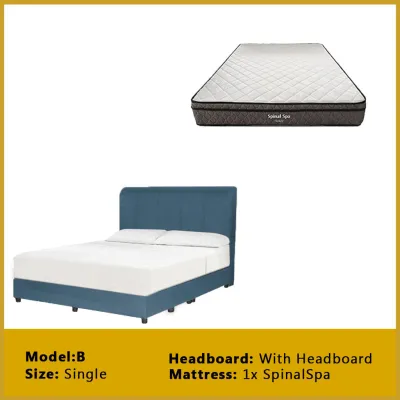

Prices are valid at publication and may change. Please refer to the product page for the latest price.
In addition to paper documentation, physical verification is highly valuable. If you have the opportunity to visit a local showroom in Singapore, take time to inspect the display models closely. Run your hands along the edges to check for smooth, rounded corners, and shake the frame gently to assess its stability and joinery. If you are purchasing online, scrutinize high-resolution product images and customer reviews, paying close attention to how the joints are secured and whether the guardrails appear robust. By combining document verification with physical or visual inspection, you can make a highly informed decision regarding the safety of a devan bed.
Key Safety Certifications and Standards to Look for in Singapore
In Singapore, the safety of general consumer goods, including children’s furniture, is overseen by the Consumer Product Safety Office (CPSO), which operates under Enterprise Singapore. While the CPSO monitors the market and has the authority to recall unsafe products, it does not pre-approve or certify every individual piece of furniture before it goes on sale. Therefore, the responsibility often falls on parents to look for voluntary compliance with internationally recognized safety standards, which serve as the gold standard for high-quality children’s beds.

When evaluating a devan bed or any other kids’ bed, look for compliance with major international standards such as ASTM F1427 or European standards like EN 747 and EN 716. The ASTM F1427 standard, established by the American Society for Testing and Materials, outlines strict safety specifications for bunk beds and high beds, focusing heavily on preventing falls and entrapment. Similarly, the European standard EN 747 regulates the safety, strength, and durability of bunk beds and loft beds, while EN 716 governs children’s cots and folding cots. These rigorous standards subject bed frames to intense mechanical testing, simulating years of heavy use to ensure the structure will not collapse, warp, or fail under stress.
Chemical safety is another critical dimension that requires verification. Children spend up to twelve hours a day in close contact with their beds, making the inhalation of toxic fumes a serious concern. Look for certifications that guarantee low emissions of Volatile Organic Compounds (VOCs), such as the Greenguard Gold certification, or compliance with the EN 71-3 standard, which restricts the migration of heavy metals and toxic chemicals in paint and finishes. Ensuring the bed utilizes lead-free, water-based finishes or non-toxic lacquers protects your child from harmful chemical exposure during sleep and play.
To verify these certifications, look for official safety marks and labels on the product’s packaging, within the assembly manual, or on the manufacturer’s technical specification sheets. Reputable brands often print certification logos directly on the carton or include a dedicated safety section in the user guide. If a product claims to be certified but lacks these visible indicators or supporting documentation, treat the claim with caution and verify it directly with the distributor.
Physical Safety Features to Inspect on Any Kids' Bed
While certifications provide peace of mind, conducting a physical safety audit of the bed frame is essential to identify immediate hazards. The first critical area to inspect is the guardrails, especially if you are purchasing a raised bed, loft bed, or bunk bed. The guardrails must extend at least 12.7 centimeters (5 inches) above the top surface of the mattress to prevent your child from rolling out of bed during the night. Additionally, the spacing between the slats of the guardrails and the bed base must be strictly controlled; these gaps should never exceed 6 centimeters (approximately 2 3/8 inches) to eliminate the risk of a child’s head, neck, or limbs becoming trapped.
The fit of the mattress within the bed frame is another crucial factor that is often overlooked. A mattress that is too small for the frame leaves dangerous gaps along the sides or ends, posing a severe entrapment hazard for younger children. When the mattress is placed inside the devan bed, perform a simple “two-finger test” by sliding your fingers between the edge of the mattress and the inner side of the bed frame. If you can easily fit more than two fingers into the gap, the mattress is too small for the frame, and you should select a better-fitting mattress to ensure a snug, secure boundary.
Stability and weight capacity are fundamental to preventing structural failures and tip-over accidents. Examine the base of the bed to ensure it is wide, low-profile, and balanced, which lowers the center of gravity and reduces the risk of tipping. Check the manufacturer’s documentation for the maximum weight limit, keeping in mind that this limit must accommodate not only your child’s current weight but also their projected growth, the weight of the mattress, and the occasional weight of a parent sitting on the edge during bedtime reading. A sturdy bed frame should feature heavy-duty wood or steel slats supported by a robust center rail and extra support legs.
Finally, pay close attention to the hardware and surface finish of the bed frame. Run your fingers over all exposed surfaces to check for rough spots, splinters, or sharp edges that could cause scratches. All assembly hardware, such as bolts, screws, and brackets, should be deeply recessed or covered with smooth plastic caps to prevent them from snagging your child’s clothing or bedding. Avoid beds with intricate, decorative cut-outs in the headboard or footboard, as these can easily catch a child’s fingers or clothing, creating a potential strangulation hazard.
Preventing Hazards: Safe Assembly and Ongoing Maintenance
Achieving a safe sleeping environment does not end with purchasing a certified bed; correct assembly and diligent ongoing maintenance are equally vital. When assembling your devan bed, you must follow the manufacturer’s instruction manual step-by-step without skipping any details. Always use the exact hardware provided in the packaging, and avoid substituting missing screws with random pieces from your toolbox, as improper thread pitches or lengths can compromise the structural integrity of the joints. Before beginning, measure your room’s dimensions and ensure you have adequate clearance from ceiling fans, light fixtures, and windows, particularly for elevated beds.
In Singapore’s high-density housing landscape, securing furniture is a critical safety step. If you are installing a loft bed, bunk bed, or a bed frame with an attached high headboard or storage unit, you must anchor the furniture securely to the wall to prevent accidental tip-overs. When drilling into the concrete walls of an HDB flat or private apartment, ensure you use high-quality wall plugs and heavy-duty L-brackets designed for masonry. This anchoring prevents the bed from shifting or tipping forward if a child attempts to climb the outer frame or headboard.
Singapore’s tropical climate, characterized by consistently high humidity and temperature fluctuations, presents unique challenges for wooden furniture. Over time, wood and engineered materials naturally expand and contract in response to moisture levels in the air, which can gradually loosen the joints and hardware of a bed frame. To counteract this, establish a routine maintenance schedule every three to six months to inspect the bed. Use a screwdriver or hex key to gently tighten all bolts, brackets, and screws, and inspect the wooden slats for any signs of hairline cracks or sagging.
Knowing when to stop using a bed is crucial for preventing injuries. If you notice persistent creaking noises when your child moves, structural wobbling that cannot be resolved by tightening the bolts, or cracked support slats, suspend use of the bed immediately. Do not attempt unverified DIY repairs, such as gluing cracked wood or using duct tape, as these temporary fixes cannot withstand dynamic loads. Instead, contact the manufacturer or authorized distributor in Singapore to obtain official, factory-approved replacement parts to restore the bed to its original safety specifications.
Frequently Asked Questions (FAQ)
Do all children's beds sold in Singapore require a specific safety certification?
No, children’s beds sold in Singapore do not carry a mandatory pre-market safety certification requirement under local law. While the Consumer Product Safety Office (CPSO) monitors general consumer goods for hazards and can enforce recalls, specific structural certifications remain voluntary. Reputable brands choose to comply with rigorous international standards, such as ASTM or European EN standards, to demonstrate their commitment to safety, making these voluntary certifications a key indicator of quality for parents.
How can I verify if a specific Devan bed model is certified?
To verify the certification of a specific Devan bed model, start by reviewing the detailed product specifications on the official brand website or the authorized retailer’s page. Look for explicit mentions of standards like ASTM F1427 or EN 747. If the information is not listed, contact the retailer’s customer support directly and request a copy of the model’s official test report or compliance certificate. Upon delivery, you can also check the physical packaging, assembly manual, or product labels for official certification marks.
Community discussion
Share your experience or ask a question. Comments are reviewed before publication.