
Selecting the right bed stand support hardware is essential for maintaining the structural integrity of your bed frame and ensuring a stable sleeping surface. When browsing for support legs and brackets, the load capacity ratings printed on the packaging or listed in product specifications serve as your primary guide. However, simply matching the weight of the sleepers to the rated capacity of the hardware is not enough to prevent sagging, squeaking, or sudden structural failure.
To make an informed decision, you must understand how manufacturers calculate these ratings and how real-world forces affect hardware performance. This involves distinguishing between different types of weight limits, calculating the cumulative load of your entire sleep setup, and evaluating the physical design of the hardware itself. By learning to read these specifications accurately, you can choose components that provide reliable, long-term support for your bed.
Understanding Static and Dynamic Load Specifications
Load capacity ratings are typically divided into static and dynamic loads. A static load rating refers to the maximum weight the hardware can support when the load is completely stationary and evenly distributed. This represents the baseline capacity of the bed stand support when the bed is unoccupied or when sleepers are lying still. While static ratings are often high, they do not reflect the actual stresses the bed experiences during daily use.
Products mentioned in this guide
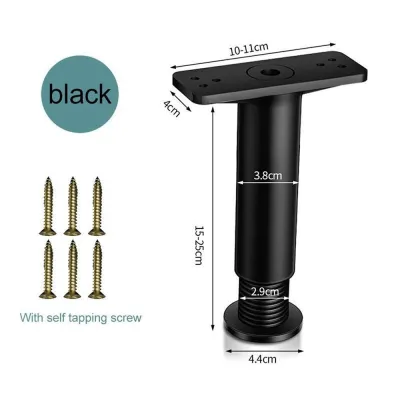
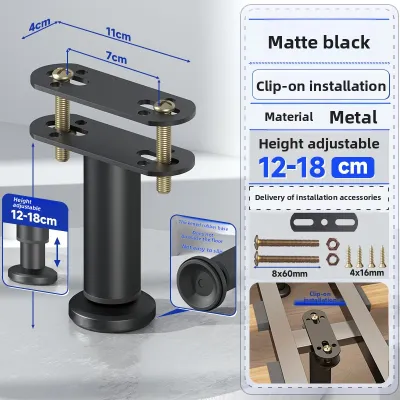
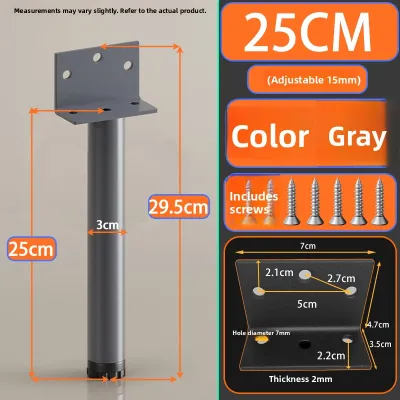
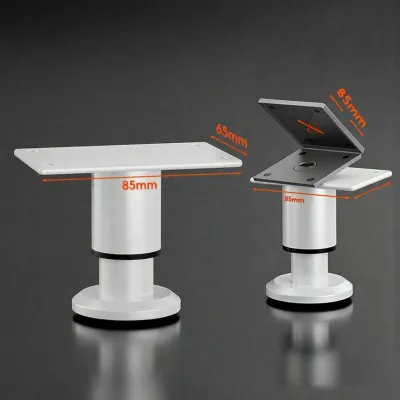
Prices are valid at publication and may change. Please refer to the product page for the latest price.
Dynamic load ratings, on the other hand, account for the impact forces and movement that occur when people get into bed, turn over, sit on the edge, or move around. These actions generate kinetic energy that momentarily increases the downward force on the support legs and brackets. A bracket that can easily hold a static weight may bend or shear under a much lower dynamic force if the impact is sudden or concentrated.
When evaluating bed stand support hardware, dynamic load capacity is the more critical specification for ensuring long-term joint and fastener integrity. Repeated dynamic stress can gradually loosen screws, warp brackets, or cause support legs to tilt. To verify these limits, look for manufacturer documentation that references specific testing standards or load classifications, and avoid hardware that only advertises a single, unspecified weight limit without clarifying whether it is static or dynamic.
Calculating Your Total Bed Load Requirement
To determine the minimum load capacity required for your bed stand support hardware, calculate the total weight of the entire bed assembly. This includes the mattress, foundation or box spring, bed frame, and the maximum combined weight of the sleepers. Only accounting for the sleepers’ weight can lead to severe overloading of the support system.

Check the manufacturer specifications for your mattress and foundation to find their weights. Add the weight of the heaviest sleepers who will use the bed, including any pets or children. Once you have this total, determine how that weight is distributed across the individual support points.
If your bed frame utilizes a central support rail with three adjustable legs, the weight will not be perfectly distributed among them. The center often bears a higher concentration of weight than the outer corners. To account for uneven distribution, concentrated pressure points, and dynamic forces, add a safety margin buffer of twenty to thirty percent to your total calculated weight before selecting hardware.
Reading Material and Structural Specifications
While load capacity ratings provide a numerical guideline, physical dimensions and material specifications offer concrete clues about actual durability. Do not rely solely on generic material names like “steel” or “heavy-duty metal,” as these terms cover a wide range of thicknesses and qualities. Instead, look for explicit measurements such as metal thickness, gauge, or leg diameter.
Thicker steel brackets and larger-diameter support legs offer greater resistance to bending under heavy loads. Pay close attention to structural design features. Brackets incorporating gussets—triangular reinforcing pieces welded into the corner—or stamped reinforcement ribs are significantly stiffer than simple flat-bent metal brackets, distributing loads more effectively without flexing.
Cross-reference these physical dimensions with the manufacturer’s official load capacity rating. If a product claims an exceptionally high load limit but features thin-gauge metal or lacks structural reinforcement, treat the claim with caution. Verifying physical specifications ensures the hardware possesses the structural rigidity necessary to back up its rated capacity.
Verifying Installation and Frame Compatibility
A hardware component’s load capacity rating is only valid if the installation is executed correctly and the bed frame is structurally sound. Manufacturers calculate load limits assuming the hardware is securely fastened to a compatible, rigid surface using recommended screws or bolts. If fasteners are loose, stripped, or driven into soft wood, the effective load capacity is drastically reduced.
Before purchasing new brackets or legs, inspect the bed frame’s side rails, center rails, and slats. The frame must transfer the weight of the mattress and sleepers to the support hardware without bending. If wooden slats are thin or flexible, they may bow under pressure, shifting the load at an angle that can cause support legs to slip or fold.
Furthermore, floor conditions play a major role in stability. Uneven floors, thick carpets, or soft flooring materials can prevent adjustable or castor-equipped support legs from making solid, perpendicular contact with the ground. This misalignment introduces lateral forces that can cause legs to bend or collapse, making it essential to ensure the floor surface is level and stable.
Frequently Asked Questions (FAQ)
Does adding more bed stand support legs increase the total weight limit?
Adding more support legs can help distribute weight more evenly, but it only increases the overall weight limit if the bed frame’s rails and slats are strong enough to transfer the load to those new points. If the frame itself is weak, flexible, or damaged, adding extra hardware will not prevent the wood or metal from sagging between the supports. Always ensure the frame’s structural components are in good condition before attempting to upgrade its capacity with additional legs.
What should I do if the packaging does not list a dynamic load rating?
If the hardware packaging or product manual only lists a static load rating, you should apply a conservative safety multiplier to estimate its safe working capacity. A common practice is to assume the safe dynamic capacity is significantly lower than the static rating, often requiring you to choose hardware rated for double your calculated static weight. For heavy-duty or high-impact use, it is best to contact the manufacturer or retailer directly to request explicit testing data before making a purchase.
Community discussion
Share your experience or ask a question. Comments are reviewed before publication.