
When planning a kitchen renovation, deciding how to organize your storage is just as critical as choosing your countertop material or cabinet fronts. The integration of a high-quality kitchen cabinet rack system can transform deep, dark cupboards into highly accessible, organized storage zones. Homeowners are typically faced with a pivotal choice: opt for custom-built cabinet racks supplied directly by their chosen kitchen cabinet brand, or purchase aftermarket modular inserts to install independently.
For a quick decision, custom-built racks are ideal if you want to maximize every square centimeter of a compact kitchen layout and ensure seamless warranty coverage under a single cabinetry contract. Conversely, aftermarket modular inserts are the superior choice if you are working within a strict budget, planning phased upgrades, or require highly specific, niche storage organizers that standard cabinet brands do not manufacture. The final path depends on your space constraints, budget flexibility, and willingness to coordinate third-party installations while verifying structural clearances.
In Singapore’s residential landscape, where HDB flats and condominiums feature increasingly compact kitchen footprints, space optimization is paramount. Choosing between these two systems requires a thorough understanding of physical dimensions, installation mechanics, long-term costs, and structural warranties. By analyzing how each option performs under daily wear and tear, you can make an informed decision that aligns with both your cooking habits and your renovation budget.
Products mentioned in this guide
![OKLIFE. SG]Kitchen Cabinet Dish Rack/Stainless Steel 304 Kitchen Cabinet Mounted Dish Drying Rack Organizer/Stainless Steel Dish Rack](https://img.lazcdn.com/g/p/644997fc49e05cee44e06e5fd41b9888.jpg_400x400q80.jpg_.webp)
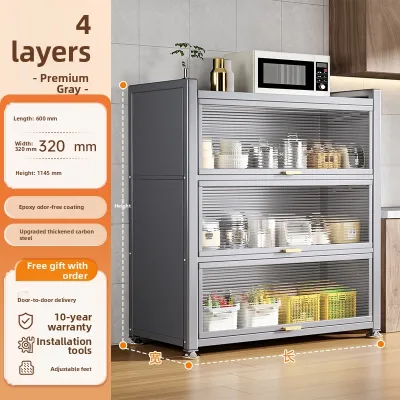
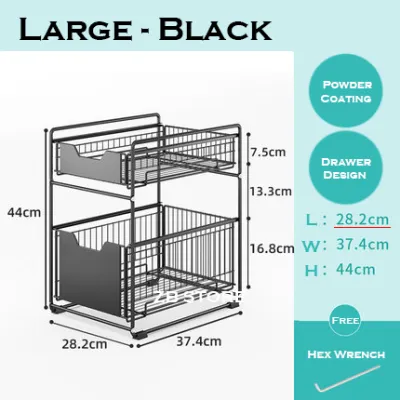
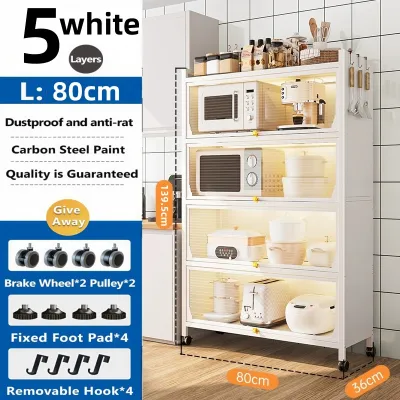
Prices are valid at publication and may change. Please refer to the product page for the latest price.
Key Differences at a Glance
Before diving into the technical specifications of carcass dimensions and hardware tolerances, it is helpful to compare these two storage strategies across their primary decision axes. This comparison outlines how each approach impacts your renovation timeline, budget, and long-term kitchen usability.
| Decision Dimension | Custom-Built Cabinet Racks | Aftermarket Modular Inserts |
|---|---|---|
| Fit & Space Optimization | Millimeter-precise fit; zero dead space or filler panels. | Standardized sizes; may require filler pieces or leave side gaps. |
| Upfront Cost Structure | Premium pricing; bundled into the main cabinetry contract. | Lower initial cost per unit; purchased separately as needed. |
| Installation Responsibility | Managed entirely by the cabinet brand's installers. | DIY or coordinated via a third-party handyman. |
| Warranty Implications | Fully covered under the cabinet brand's overall warranty. | May void the cabinet carcass warranty if self-installed. |
| Future Flexibility | Difficult to modify; tied to brand-specific replacement parts. | Highly adaptable; easy to swap, remove, or reconfigure. |
When evaluating this table, consider your immediate renovation timeline and project management preferences. If you prefer a hands-off, turnkey experience where the cabinet brand assumes all structural risks and handles the coordination, the custom route is highly advantageous. If you enjoy sourcing specialized hardware, have the patience to measure clearances yourself, and want to keep your upfront carpentry invoice lower, the aftermarket path offers excellent long-term adaptability.
Space Optimization and Custom Fit
Maximizing physical space is a primary goal in Singapore’s compact residential kitchens, where HDB flats and condominiums often feature highly constrained layouts. A custom-built kitchen cabinet rack is designed and manufactured to match the exact internal dimensions—the carcass width, depth, and height—of your specific cabinetry. Because these racks are built to order, they eliminate the “dead zones” that frequently occur in corners or narrow gaps. For instance, if your cabinet brand designs a bespoke pull-out larder or an L-shaped corner carousel, the hardware is engineered to glide smoothly within those exact boundaries, ensuring that no storage volume is wasted.

Furthermore, custom-built solutions allow for tailored appliance garages, dedicated spice pull-outs, and custom cookware drawers designed around your specific inventory. If you own a collection of heavy cast-iron pots or oversized baking trays, the cabinet designer can configure the rack heights and runner weight capacities to match these items perfectly. This bespoke approach ensures that every item has a dedicated home, reducing clutter on your countertops and maintaining a clean, minimalist kitchen aesthetic.
Aftermarket modular inserts, on the other hand, are manufactured in standardized industrial widths—typically in increments like 300mm, 400mm, 500mm, or 600mm. If your custom cabinetry features non-standard internal dimensions, such as a 450mm or 550mm carcass, a standard aftermarket rack will not fit flush. To bridge this gap, installers must use filler panels or accept empty, unusable spaces on either side of the runner rails. This can result in a significant loss of storage efficiency, which is particularly detrimental in smaller kitchens where every millimeter counts.
To avoid layout errors, always request the precise internal drawer and cabinet dimensions from your designer before purchasing any organizer. Homeowners must measure the clear opening width—taking into account the protrusion of cabinet hinges, door buffers, and sliding door tracks—to ensure that any aftermarket kitchen cabinet rack can slide out freely without striking the door face or damaging the cabinet edge. Additionally, check the manufacturer’s specification sheets for both the minimum cabinet depth and the exact height clearances required for the runners to operate without obstruction.
Cost, Budget, and Value Considerations
The financial commitment of kitchen organization systems extends beyond the retail price of the metal baskets. Custom-built racks are integrated directly into your overall kitchen renovation quote. While the upfront cost of these integrated systems carries a premium due to custom design, premium runner hardware, and professional assembly, it offers the convenience of a single, predictable invoice. There are no sudden surprises, and the cost of labor, shipping, and fitting is entirely absorbed into your primary carpentry contract.
This bundled pricing structure also provides long-term value by reducing project coordination overhead. When you purchase a custom-built system, the kitchen cabinet brand takes full responsibility for any manufacturing defects, shipping delays, or sizing errors. If a component arrives damaged or does not fit the carcass, the brand must resolve the issue at their own expense, sparing you the hassle of managing returns, negotiating with external suppliers, or delaying your renovation timeline.
In contrast, aftermarket inserts appear highly cost-effective at first glance. You can browse various price tiers on ecommerce platforms or local hardware suppliers, selecting basic wire baskets or stainless steel pull-outs that fit your immediate budget. However, these individual savings can quickly be offset by hidden expenses. If you are not comfortable with DIY installation, you must budget for third-party handyman fees, which can range significantly depending on the complexity of the alignment. Furthermore, if your cabinetry requires modifications to accommodate the aftermarket rails, you may face additional carpentry surcharges from your main contractor.
To make an accurate financial comparison, request an itemized quotation from your kitchen cabinet brand. Ask them to break down the cost of the carcass separately from the integrated rack hardware. This allows you to compare the brand’s markup directly against the retail price of equivalent aftermarket modular units plus estimated installation labor, giving you a clear picture of the actual price premium you are paying for convenience.
Installation, Warranty, and Structural Impact
The long-term durability of your kitchen cabinetry relies heavily on how hardware is mounted to the structural boards. Custom-built racks are installed by the brand’s certified carpenters, who understand the exact load-bearing capacities of the materials used—whether they are working with high-density fiberboard (HDF), melamine-faced chipboard (MFC), or solid plywood. These professionals ensure that runner tracks are perfectly level, weight is distributed evenly across the cabinet carcass, and heavy-duty screws are anchored into reinforced points. This precise alignment prevents the cabinet doors from sagging or going out of alignment over years of daily use.
Installing aftermarket inserts independently introduces structural risks, particularly in Singapore’s high-humidity climate, which can affect wood stability over time. Drilling holes into cabinet walls without professional guidance can compromise the integrity of the board material, leading to chipping, cracking, or moisture ingress. If the mounting screws are not perfectly aligned with the internal framing, a heavily loaded pull-out rack can tear out of the cabinet wall entirely, causing irreversible damage to the carcass. Furthermore, improper placement of aftermarket rails can interfere with the kitchen cabinet door hinges, preventing the doors from closing flush.
Warranty protection is another critical factor to verify before making modifications. Most reputable kitchen cabinet brands offer comprehensive structural warranties on their cabinetry, but these agreements almost always contain clauses regarding unauthorized alterations. If you drill into the cabinet walls to mount a third-party kitchen cabinet rack, you risk voiding the warranty on the entire cabinet unit. This means that if the cabinet carcass sags, cracks, or suffers from joint failure in the future, the manufacturer may refuse to cover the repair costs, citing the aftermarket installation as the primary cause of the damage.
To safeguard your investment, always consult your cabinet manufacturer’s written guidelines regarding maximum weight limits, approved mounting points, and warranty boundaries before installing any third-party hardware. If you do choose the aftermarket route, consider hiring a professional carpenter who specializes in kitchen retrofitting. They can assess the density of your cabinet boards, use appropriate expansion anchors or system screws, and ensure that the weight of the loaded rack is distributed safely across the structural panels without compromising the integrity of the cabinetry.
Flexibility and Future Upgrades
A kitchen is a dynamic space that must adapt to your household’s changing lifestyle over several years. Custom-built racks are highly specialized, permanent installations. Because they are engineered to fit a specific brand’s proprietary carcass system, they are exceptionally difficult to modify or replace if your storage needs change. If a specific custom runner breaks or if you decide you no longer need a multi-tiered spice rack, finding a direct replacement or an alternative layout usually requires ordering expensive proprietary parts from the original manufacturer, assuming they still produce that specific model.
This lack of adaptability can become a pain point as your cooking habits evolve. For instance, a highly specialized custom wine rack or a built-in plate organizer may become redundant if your household transitions to prioritizing bulk pantry storage or heavy appliance organization. Because these systems are integrated into the cabinet structure, removing them often leaves behind unsightly screw holes, exposed wood cores, or unlaminated sections that are vulnerable to moisture and pest intrusion.
Aftermarket modular inserts offer superior long-term adaptability. Because they rely on standardized mounting dimensions, you can easily remove, swap, or reconfigure them as your household evolves. For example, a cabinet once dedicated to baby food supplies and small bottles can easily be converted into a deep pot drawer or a heavy pan organizer simply by unscrewing the existing rack and mounting a different standardized insert onto the same footprint. This modularity is highly beneficial for homeowners who view their kitchen as an evolving workspace.
When deciding between these two paths, consider your long-term housing plans. If you are renovating a forever home where your cooking habits are well-established, investing in highly tailored, custom-built storage systems provides a luxurious, seamless daily experience. However, if you are living in a temporary residence, planning to rent out the property, or anticipate that your family structure will change significantly in the coming years, the flexibility of modular aftermarket inserts allows you to adjust your kitchen organization without undergoing another major renovation.
Decision Framework: Which Option Fits Your Renovation?
To finalize your storage strategy, evaluate your current renovation stage, spatial constraints, and project management preferences against these practical rules.
Choose Custom-Built Racks if:
- Space is at a Premium: You have a compact kitchen layout requiring zero dead space, and you need every millimeter of storage optimized.
- Turnkey Convenience is a Priority: You want a single point of contact for design, installation, and warranty, eliminating the need to coordinate with third-party handymen.
- Aesthetic Continuity Matters: You prefer a highly cohesive interior where all metal baskets, drawer runners, and cabinet finishes match perfectly.
- Long-Term Durability is Essential: You want the assurance that the hardware has been professionally engineered and installed to match the exact load-bearing capacity of the cabinet boards.
Choose Aftermarket Inserts if:
- You are Budget-Conscious: You want to save on upfront renovation costs and prefer to purchase storage organizers gradually over time.
- You Value Long-Term Flexibility: You want the ability to easily remove, swap, or reconfigure your cabinet organizers as your household's needs evolve.
- You Need Niche Storage Solutions: You require highly specific organizers—such as vertical baking sheet dividers or specialized spice pull-outs—that your cabinet brand does not offer.
- You are Comfortable with DIY: You have the tools, patience, and skills to measure clearances accurately and install the hardware securely without damaging the cabinet boards.
Verify First if:
- Mixing Both Approaches: If you plan to order "empty" carcasses from your cabinet brand and install aftermarket inserts yourself, always verify the internal clearances first. Ensure the cabinet manufacturer provides the exact internal dimensions, hinge placements, and structural backing required to support the weight of your planned third-party hardware.
Frequently Asked Questions (FAQ)
Can I install aftermarket pull-out racks in existing built-in cabinets?
Yes, retrofitting aftermarket pull-out racks into existing kitchen cabinetry is entirely feasible, but it requires meticulous planning. Before purchasing any hardware, measure the internal cabinet width, depth, and height at multiple points to account for any structural warping or slight misalignments in older cabinetry. You must also check for potential obstructions, such as protruding door hinges, plumbing pipes, electrical conduits, or structural crossbars that could block the path of a sliding rack. Finally, inspect the physical condition of your existing cabinet boards; older or moisture-damaged particleboard may not possess the structural integrity required to hold new mounting screws securely under heavy loads. If the boards are soft or crumbly, reinforce them with mounting plates before proceeding.
Do soft-close mechanisms work equally well on custom and aftermarket racks?
The performance and longevity of a soft-close mechanism depend on the specific hardware brand, runner quality, and weight distribution rather than whether the system is custom-built or aftermarket. High-quality runner brands offer exceptional damping performance regardless of how they are purchased. When comparing options, do not assume that a custom-built rack will automatically glide better than an aftermarket alternative; instead, check the manufacturer specifications for cycle-test ratings (such as 50,000 open-and-close cycles) and maximum load capacities. Ensuring that the rack is installed perfectly level and is not loaded beyond its rated weight limit is the most critical factor in maintaining smooth soft-close operation over time.
Community discussion
Share your experience or ask a question. Comments are reviewed before publication.