
In a compact HDB flat, maximizing every square meter is essential for maintaining an organized and comfortable living environment. Metal storage boxes offer a highly durable, structured, and modular alternative to standard plastic bins, allowing you to optimize underutilized zones. By thinking beyond simple closet storage, these robust containers can be integrated into your home layout as functional furniture, vertical shelving, or hidden organizers.
Successfully repurposing these boxes requires a clear understanding of your flat’s layout, the physical limits of the containers, and proper safety practices. With the right approach, you can transform simple metal bins into space-saving solutions that keep clutter out of sight while adding industrial character to your interior decor.
Evaluate Your Space and Box Specifications Before Repurposing
Before purchasing or repurposing any metal storage box, it is crucial to measure the exact clearances of your targeted storage zones. In typical HDB layouts, narrow corridors, the space beneath bed frames, and tight corners behind doors are prime candidates for extra storage, but they require precise physical planning. Always measure the height, width, and depth of these areas and compare them directly against the external dimensions of your boxes, factoring in any handles, hinges, or latches that might snag.
Products mentioned in this guide
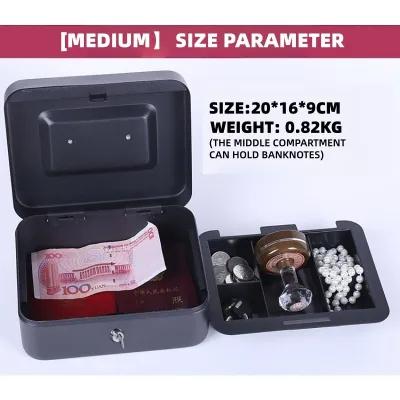
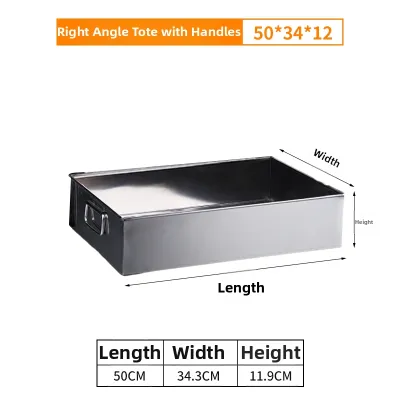
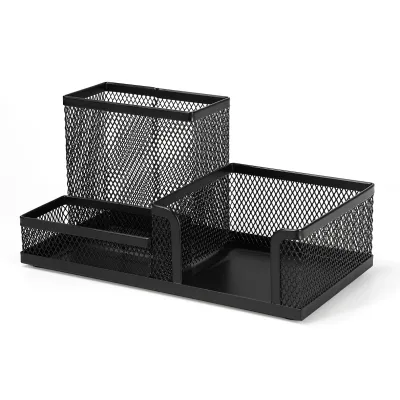
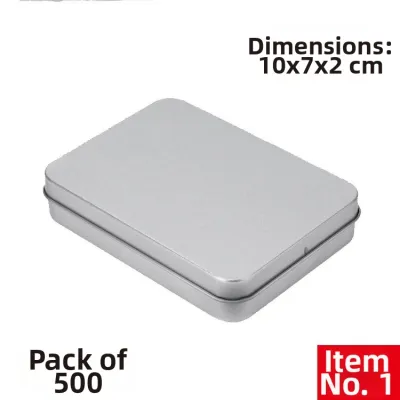
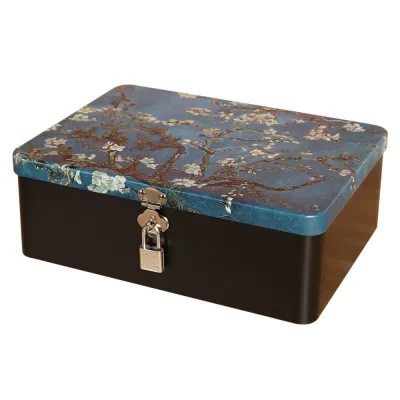
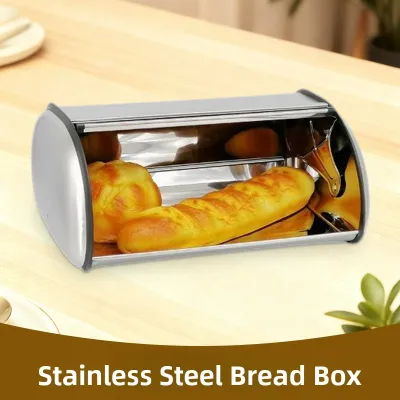
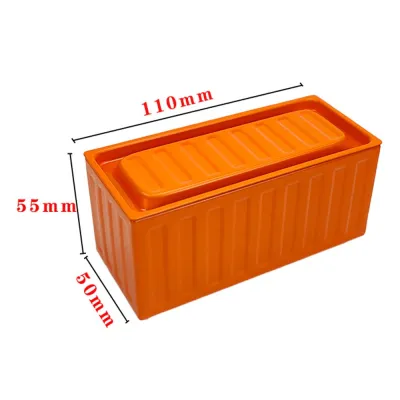
Prices are valid at publication and may change. Please refer to the product page for the latest price.
Additionally, inspect the structural integrity of the boxes themselves. Check the manufacturer’s specifications for weight limits and stackability features, as not all metal containers are designed to bear heavy loads. If you plan to stack multiple units or place them on wall shelves, verify the load-bearing capacity of the supporting surface or wall studs. Ensuring that your floor, shelf, or wall can safely support the combined weight of the metal boxes and their contents is a vital first step to preventing structural damage.
Maximize Vertical and Hidden Storage Areas
To free up primary living areas in a small flat, focus on utilizing vertical height and concealed spaces that otherwise go unused. Under-furniture storage is one of the most effective ways to hide seasonal items, extra bedding, or bulky household supplies. Look for low-profile metal boxes that easily clear the base of your sofa or bed frame. Opting for models with built-in wheels or adding adhesive caster wheels to the bottom of the boxes allows for smooth access without scratching your flooring.

Vertical stacking is another excellent strategy for creating modular storage without consuming additional floor space. By stacking interlocking metal boxes in unused corners of your living room or study, you can build a customized shelving unit. It is important to ensure the boxes are designed to lock together securely, or use heavy-duty fasteners to prevent the stack from shifting over time.
For smaller items, consider magnetic and wall-mounting options to keep your countertops clear. Lightweight metal boxes can be attached to the side of your refrigerator or mounted onto magnetic wall strips in the kitchen or home office. When using magnetic attachments, strictly adhere to the weight ratings of both the magnets and the mounting brackets to prevent the boxes from sliding or falling under load.
Repurpose Boxes into Multi-Functional Furniture and Zones
In a space-constrained home, furniture that serves a single purpose can make rooms feel cramped. Repurposing sturdy metal storage boxes into dual-purpose furniture pieces allows you to combine storage and utility seamlessly. For example, you can stack two or three uniform metal boxes to create an industrial-style side table or nightstand. To complete the look and provide a stable surface, top the stack with a custom-cut wood or glass panel. Always verify that the bottom box sits perfectly level on the floor, and apply non-slip felt or rubber pads to the base to protect your tiles or vinyl flooring from scratches.
You can also use the rigid structure of metal boxes to create indoor plant displays. Metal containers make excellent plant risers or decorative outer pots, adding height and visual interest to your green corners. However, because standard metal is susceptible to moisture, you must check if the box has a reliable rust-resistant finish. If the finish is untreated, always use a plastic protective liner or a drip tray inside the box to prevent water from pooling and causing corrosion.
Creating dedicated entryway drop zones is another practical application. Placing a few small-to-medium metal boxes on a console table or a low shelf near your front door provides a designated spot for keys, mail, and daily essentials. This keeps clutter from migrating into your main living spaces and ensures your daily items are always within reach.
Ensure Safety, Stability, and Long-Term Maintenance
While creative storage solutions are highly beneficial, safety must remain a priority when using metal boxes in non-traditional ways. Tall stacks of boxes or wall-mounted units present a tipping hazard, especially in high-traffic areas or homes with children and pets. To mitigate this risk, anchor any vertical arrangements exceeding waist height to the wall using heavy-duty brackets or anti-tip straps.
The physical condition of the metal also requires regular inspection. Run your hands carefully along the edges, corners, and seams of the boxes to check for sharp burrs, rough welds, or early signs of rust. Use fine-grit sandpaper to smooth down any rough spots, and apply a matching touch-up paint or install silicone corner guards to protect family members from accidental scratches.
Given Singapore’s humid climate, moisture and rust management are essential for preserving metal storage items. Avoid placing untreated carbon steel boxes in high-humidity zones like bathrooms or service yards. Regularly wipe down the surfaces with a dry microfiber cloth, and inspect the joints and hinges periodically for any discoloration or corrosion, addressing rust early with a metal-safe rust converter or protective sealant.
Frequently Asked Questions (FAQ)
Can I paint or modify metal storage boxes to match my home decor?
Yes, you can customize metal storage boxes to match your interior design, but the process requires careful preparation. Start by lightly sanding the surface to help the paint adhere, then apply a high-quality, metal-specific primer. Once the primer is dry, apply your chosen topcoat, such as a durable spray paint or acrylic enamel. Keep in mind that sanding can strip away the factory-applied rust-proofing, so you must seal the entire surface thoroughly. Always perform any sanding and painting in a well-ventilated area, such as an open service yard or corridor, to avoid inhaling fumes.
Are metal storage boxes safe to use in humid areas like bathrooms?
Using metal storage boxes in humid environments depends entirely on the specific material and protective coating. Stainless steel and high-quality powder-coated metal boxes are generally suitable for bathroom use, as they are designed to resist moisture. Bare or untreated metals, such as carbon steel or tin, will rust quickly when exposed to steam and dampness. Before placing any metal box in your bathroom, check the manufacturer’s specifications for moisture resistance, ensure your bathroom has adequate ventilation, and regularly inspect the base and corners for early signs of rust.
Community discussion
Share your experience or ask a question. Comments are reviewed before publication.