
The choice of a cowhide sofa in Singapore is a major investment, serving as the visual and functional centerpiece of a living room. When comparing leading cowhide sofa brands, the ideal choice depends on whether you prioritize natural leather aesthetics and breathability or high durability and extensive structural warranties. There is no single “best” brand; instead, different manufacturers cater to distinct consumer profiles and household environments.
For homeowners who desire a premium, tactile feel and appreciate the natural patina that develops over time, brands specializing in full-grain or aniline leather are the optimal choice. These sofas offer unmatched breathability but require regular, specialized maintenance and a controlled indoor environment. Conversely, for households with pets, young children, or those seeking low-maintenance furniture, brands offering heavily protected top-grain leather are more practical. These sofas are often backed by comprehensive, long-term frame warranties and are designed to withstand Singapore’s humid climate. Before making a purchase, it is highly recommended to verify the current warranty terms, leather origins, and specific exclusions directly with the retailer, as brand policies and material sourcing can change over time.
Decoding Leather Quality: Grades, Finishes, and Climate Impact
When shopping for a cowhide sofa, understanding the terminology used by furniture retailers is essential. The term “cowhide” simply denotes the animal source of the material; it does not indicate the quality, thickness, or longevity of the leather. To make an informed comparison, buyers must look closely at the leather grades, finish types, and how these materials perform under local environmental conditions.
Products mentioned in this guide
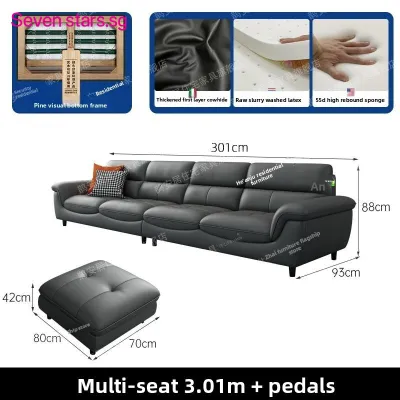
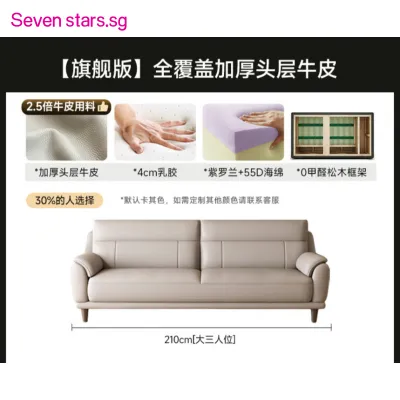
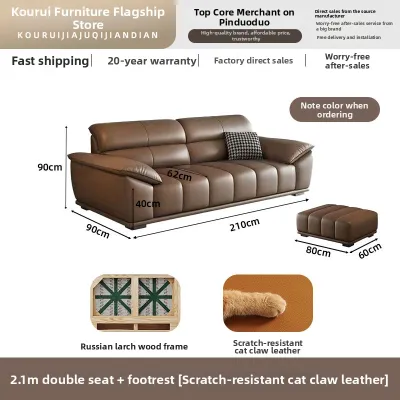
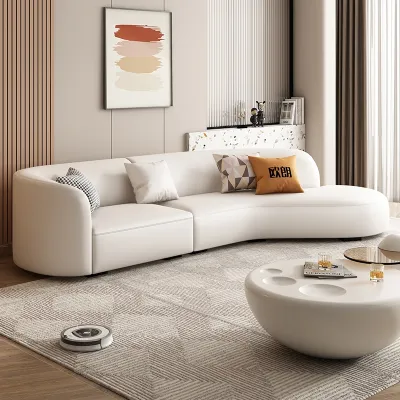
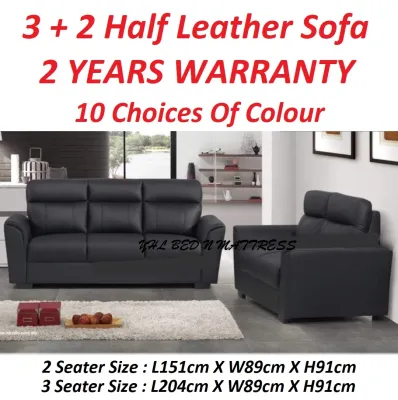
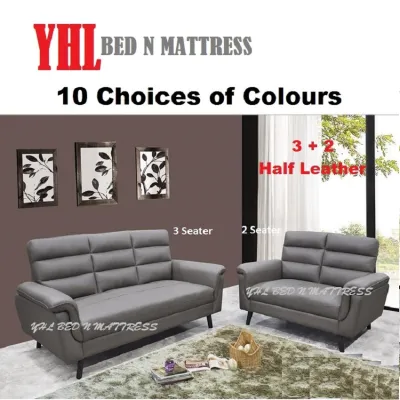

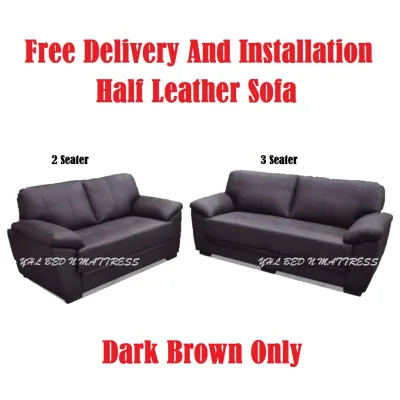
Prices are valid at publication and may change. Please refer to the product page for the latest price.
Understanding Leather Grades
Leather quality is categorized into distinct grades based on how the hide is processed:
- Full-Grain Leather: This is the highest quality leather available. It utilizes the entire thickness of the hide, retaining the natural surface grain and all its unique markings, such as scars, stretch marks, and insect bites. Because the surface is left completely intact, full-grain leather is incredibly strong and highly breathable. Over time, it develops a rich patina, which many collectors and design enthusiasts highly value.
- Top-Grain Leather: This grade is the most common choice for premium sofas. The outermost layer of the hide is lightly sanded or buffed to remove natural imperfections and blemishes. This process creates a more uniform appearance and makes the leather more pliable. While slightly less durable than full-grain leather, top-grain leather remains highly robust and is typically treated with protective finishes, making it an excellent balance of comfort and practicality.
- Genuine and Bonded Leather: Consumers should exercise caution when encountering these terms. "Genuine leather" is a broad, often misleading marketing term that typically refers to lower-grade split leather (the under-layers of the hide) that has been heavily processed, embossed with an artificial grain, and coated with polyurethane. "Bonded leather" is not genuine leather at all; it consists of shredded leather scraps mixed with polyurethane binders and backed by a fabric layer. Bonded leather lacks the durability of true cowhide and is highly prone to peeling and cracking within a few years of use.
Finish Types and Singapore’s Climate
The finish applied to the leather determines its resistance to stains, moisture, and wear. This is particularly critical in Singapore, where high ambient humidity (often exceeding 80%) and frequent transitions between hot outdoor air and air-conditioned indoor spaces create a challenging environment for natural materials.
- Aniline Finish: Aniline leather is dyed using soluble dyes without any protective topcoat or pigment. This allows the natural beauty of the hide to show through completely. However, because the pores remain open, aniline leather is highly porous. It easily absorbs body oils, sweat, spills, and atmospheric moisture, making it susceptible to staining, darkening, and mold growth in humid conditions.
- Semi-Aniline Finish: This finish represents a compromise, featuring a very light application of matching pigment and a thin protective topcoat. It retains much of the natural softness and breathability of aniline leather while offering moderate resistance to spills and fading.
- Pigmented or Protected Finish: This leather is coated with a heavy layer of pigment and a durable protective topcoat. The surface is often embossed with a uniform grain pattern. While it feels less soft and cool than aniline leather, pigmented leather is highly resistant to spills, scratches, fading from UV exposure, and moisture absorption. For most households in Singapore, protected top-grain leather is the most practical choice, as it resists mold and is easy to wipe clean.
What to Check on the Tag and Spec Sheet
To verify a brand’s leather claims, always request the technical specification sheet and check the following details:
- Hide Thickness: High-quality leather sofas typically use hides with a thickness of 1.2mm to 2.0mm. Thicker hides offer superior structural stability, resist stretching or sagging over time, and hold stitching much better under daily load.
- Origin of the Hide: Hides sourced from Northern Europe (such as Italy, Germany, or Switzerland) are widely regarded as premium due to the region's climate and farming practices, which minimize insect bites and scars. However, the quality of the tanning process is just as important as the hide's origin.
- 100% Leather vs. Leather Match: Many mid-range brands lower production costs by using "leather match" construction. This means that while the seating surfaces, armrests, and backrests (areas that touch your body) are made of genuine top-grain cowhide, the sides and back are covered in a color-matched synthetic material like PVC or polyurethane. Over time, the synthetic parts may age, fade, or peel differently than the genuine leather, leading to a noticeable mismatch in color and texture. Always ask the retailer if the sofa is "full leather" (100% genuine leather all over) or "half leather" (leather match).
Evaluating Warranty Coverage: What is Actually Protected?
A premium cowhide sofa is a long-term investment, and the warranty provided by the brand is a direct reflection of its confidence in the product’s durability. However, warranty terms in the furniture industry can be complex and highly segmented. Buyers must carefully analyze the fine print to understand what is genuinely covered and what is excluded.

The Tiered Warranty Structure
Reputable furniture brands in Singapore rarely offer a single, blanket warranty for the entire sofa. Instead, they utilize a tiered structure that covers different components for varying lengths of time:
- The Internal Frame: The structural frame, usually constructed from solid hardwood (such as kiln-dried birch or larch) or metal, typically carries the longest warranty. Reputable brands often cover the frame for 5 to 10 years, and some premium manufacturers offer lifetime structural warranties.
- Suspension and Mechanisms: Components such as pocket springs, elastic webbing, and reclining mechanisms are subject to constant mechanical stress. These are usually covered under a medium-term warranty, typically ranging from 2 to 5 years.
- Leather Surface and Stitching: The leather upholstery, stitching, and foam cushioning almost always carry the shortest warranty period, typically 1 to 2 years. This is because these surfaces are directly exposed to daily wear, friction, and environmental factors that the manufacturer cannot control.
Leather Surface Exclusions
It is a common misconception that a leather sofa warranty covers any damage to the leather surface. In reality, manufacturers exclude almost all forms of surface wear and tear. Common exclusions include:
- Direct Sunlight and Heat Exposure: If your sofa is placed near a sun-facing window in a typical HDB flat or condominium, the intense UV rays can cause the leather to fade, dry out, and crack. Such damage is universally excluded from warranty coverage.
- Pet Damage and Puncture Marks: Scratches, claw marks, and punctures caused by pets are considered accidental damage and are not covered.
- Chemical and Cleaning Damage: Using unapproved leather cleaners, household detergents, or alcohol-based wipes can strip away the protective topcoat of the leather, leading to discoloration or cracking. Always check the applied product's label and the treated item's manufacturer care instructions before applying any cleaner or conditioner. If instructions conflict, the item is unidentified, or the use is not covered, stop and consult the manufacturer or a qualified professional.
- Natural Markings: Natural variations in the leather, such as insect bites, healed scars, stretch marks, and color shading differences, are considered proof of genuine leather rather than manufacturing defects, and are therefore not eligible for warranty claims.
Structural vs. Comfort Warranties
When evaluating the warranty on foam and cushioning, it is important to distinguish between structural failure and normal softening. Over time, polyurethane foam cushions will naturally soften and lose some of their initial firmness. This is considered normal wear and tear and is not covered by most warranties. A warranty claim for foam sagging is typically only approved if the foam has suffered a structural collapse or if the permanent indentation exceeds a specific depth threshold (such as 2cm or 3cm) when no weight is applied, as measured according to the manufacturer’s testing guidelines.
Transferability and Service Logistics
Before finalizing your purchase, verify the logistical details of the warranty service:
- Original Purchaser Clause: Almost all furniture warranties in Singapore are strictly non-transferable. They apply only to the original purchaser and require a valid proof of purchase or invoice.
- On-Site Service vs. Transport Fees: If a structural issue arises, does the brand send a technician to your home to assess and repair the sofa, or are you responsible for transporting the heavy furniture to their workshop? Some brands cover both transport and repair costs during the first year, but may charge a transport fee (often ranging from S$100 to S$200) for subsequent years, even if the repair itself is covered under the warranty.
Decision Framework: Matching Leather and Warranty to Your Lifestyle
To select the right cowhide sofa brand, you must align the leather specifications and warranty terms with your household’s daily lifestyle, environmental conditions, and maintenance preferences.
Choose Premium Natural Leather Brands if:
- You prioritize the luxurious, cool feel of natural leather and want a sofa that develops a unique, beautiful patina over time.
- Your living room has a controlled climate, such as consistent air conditioning or low humidity, and is shielded from direct afternoon sunlight.
- There are no young children or pets in the household who might cause accidental spills, sharp punctures, or scratches.
- You are willing to invest time and effort into regular, specialized leather conditioning using manufacturer-approved care kits.
Choose High-Durability Protected Leather Brands if:
- You have a busy household with pets, young children, or frequent guests, requiring a sofa that can easily resist liquid spills, food stains, and daily friction.
- You prefer a low-maintenance lifestyle where the sofa can be easily wiped clean with a damp cloth and mild, approved soapy water.
- Your living room is exposed to natural ventilation and varying humidity levels, making a highly resistant, pigmented topcoat essential to prevent mold growth.
- You value long-term peace of mind and prioritize brands that offer robust, multi-year warranties on the internal frame and reclining mechanisms.
Verify First Before Purchasing:
- Construction Type: Check if the sofa is a "leather match" model to ensure you are comfortable with the synthetic panels on the non-contact areas.
- Access and Dimensions: Ensure the finished dimensions of the sofa (length, width, and height) can safely clear your doorway, hallway, and HDB or condominium lift. Measure the lift door height and internal depth carefully, as delivery fees may increase significantly if the delivery team has to carry a heavy sofa up multiple flights of stairs. Also check the load capacity, stability, and assembly conditions if you expect heavy use.
- Maintenance Requirements: Confirm if the brand's warranty terms require you to use their specific brand of leather cleaner or professional cleaning services to keep the warranty active.
Frequently Asked Questions (FAQ)
Is top-grain cowhide better than full-grain for Singapore's weather?
Top-grain cowhide with a protective pigment finish is generally more practical for Singapore’s high humidity and warm climate. While full-grain leather offers superior natural breathability and a cooler initial feel, its open pores make it highly susceptible to absorbing atmospheric moisture, sweat, and body oils, which can lead to mold growth and staining. Protected top-grain leather features a sealed surface that resists moisture absorption and humidity-induced damage, making it much easier to maintain in local homes.
Do sofa warranties cover leather peeling?
Genuine, high-quality cowhide does not peel. Peeling, flaking, or cracking of the surface layer is a primary indicator of bonded leather, low-grade bicast leather, or synthetic materials like polyurethane (PU) that have degraded over time. Because reputable brands use genuine top-grain or full-grain cowhide on contact surfaces, peeling should not occur under normal use. If a sofa begins to peel, it is typically because the material is synthetic or heavily blended, and such degradation is rarely covered under standard leather warranties. Always verify that the sofa is upholstered in 100% genuine cowhide before purchasing.
How can I test the leather quality in the showroom?
To evaluate leather quality in a showroom, you can perform several low-risk checks. First, perform a simple touch and press test: press your finger firmly into the leather surface. Genuine cowhide will form fine, natural wrinkles around the point of pressure that disappear when you release it, whereas synthetic leather or heavily coated low-grade leather will often feel rigid or stretch uniformly without fine wrinkling. Second, check the backing material of a leather sample if one is available; genuine leather will have a fuzzy, suede-like underside, not a woven fabric or mesh backing. Finally, check the scent: genuine cowhide has a distinct, rich, and earthy aroma, whereas synthetic materials or poorly processed leathers will emit a strong chemical, petroleum, or plastic odor. Always check the manufacturer instructions or consult a showroom representative before performing any physical tests on display models to avoid damaging the material.
Community discussion
Share your experience or ask a question. Comments are reviewed before publication.