
Selecting the ideal counter stool style for your kitchen island requires aligning its materials, silhouette, and visual weight with the dominant design elements of your home. For instance, warm oak and woven paper cord suit Scandinavian and Japandi spaces, sleek black steel and distressed leather complement industrial lofts, and clean, geometric, monochromatic profiles fit modern minimalist interiors. By matching these physical characteristics to your existing cabinetry, flooring, and lighting, you transform a simple kitchen island into a cohesive, intentional design statement.
In modern open-plan residential layouts, the kitchen island has evolved from a simple food preparation zone into the social hub of the home. It is where morning coffee is shared, quick weekday meals are eaten, and guests gather while dinner is being prepared. Because the seating at these islands is highly visible from the living and dining areas, the choice of counter stool plays a critical role in bridging the gap between functional kitchen workspaces and comfortable living zones.
Achieving visual harmony across these connected spaces does not mean every piece of furniture must match perfectly. Instead, it involves deciding whether your counter stools should blend seamlessly into the background to highlight other architectural features, or stand out as bold, intentional accent pieces that anchor the room. By carefully evaluating the existing design language of your home, you can select seating that enhances your interior theme without overwhelming the layout.
Products mentioned in this guide
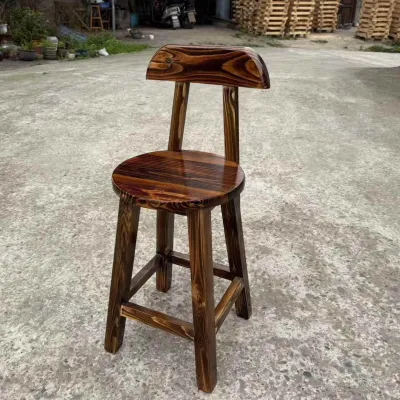
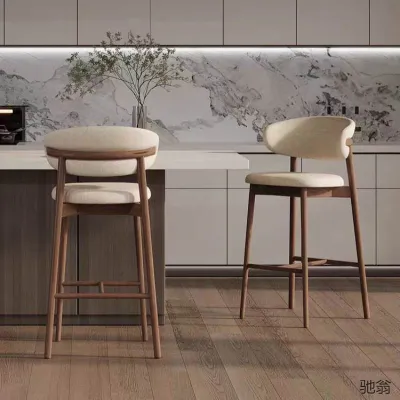
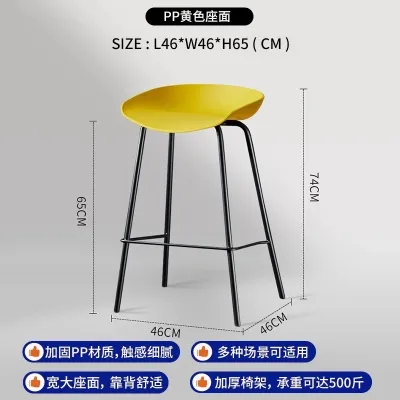
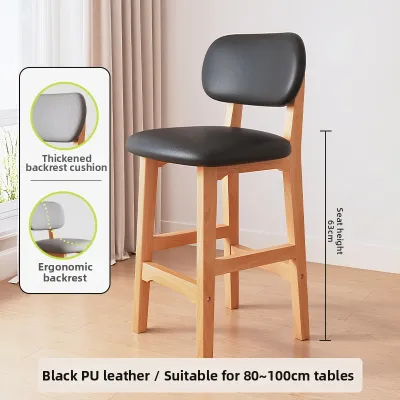
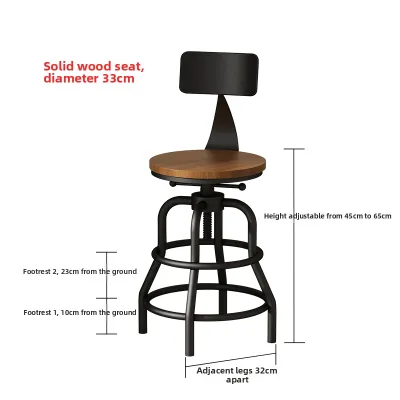
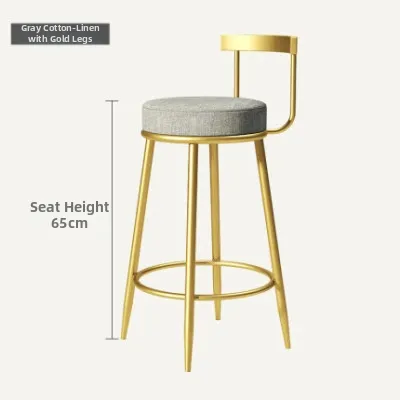
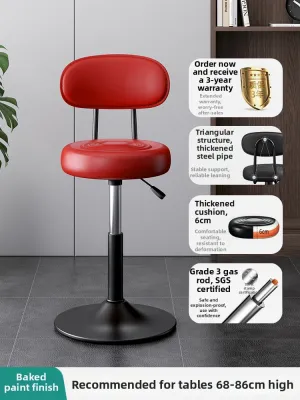
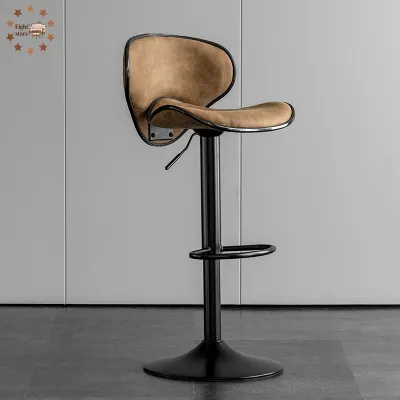
Prices are valid at publication and may change. Please refer to the product page for the latest price.
Core Principles for Matching Counter Stools to Your Decor
The first step in selecting the right seating is understanding how a counter stool functions as a visual bridge in an open-concept living space. In homes where the kitchen, dining, and living rooms flow into one another, the kitchen island is often the central transition point. The stools you place around this island are visible from multiple angles, meaning their design must complement not just the kitchen cabinetry, but also the surrounding living room furniture.
When deciding on a style, you must choose between integration and contrast. An integration approach involves selecting stools that mirror the colors, materials, and lines of your kitchen island and cabinetry. This makes the seating disappear visually, which is ideal for smaller spaces where you want to emphasize an open, uncluttered feel. Conversely, a contrast approach uses stools with distinct textures, bold colors, or unique silhouettes to create an eye-catching focal point, breaking up monochromatic surfaces and adding depth to the room.
To establish a baseline for your search, perform a quick visual audit of the room where the stools will be placed. Take note of the dominant wood tones, the finish of your cabinet hardware, the material of your countertops, and the overall architectural lines of the space. If your kitchen features clean, straight-lined cabinetry and polished quartz countertops, introducing stools with soft, organic curves can soften the look. If your space is dominated by warm, natural textures, matching those tones with wooden stools will reinforce a cozy, grounded atmosphere.
Key Design Dimensions to Evaluate Before Buying
To choose the perfect counter stool, you must look beyond generic style labels and analyze the specific physical attributes of each design. Breaking down a stool into its core design dimensions allows you to make a practical, aesthetic decision that suits your everyday lifestyle and spatial constraints.

Material and Texture The materials used in a counter stool dictate its tactile feel and visual warmth. Organic materials, such as light oak, ash wood, woven rattan, and natural paper cord, bring warmth and a sense of nature indoors. These materials soften hard kitchen surfaces like engineered stone, polished concrete, or stainless steel. On the other hand, cool and structured materials, such as matte black iron, brushed steel, and molded plastics, offer a clean, industrial, or contemporary look. Pairing a cold, polished marble countertop with warm wooden stools creates a balanced, layered aesthetic, while pairing a concrete countertop with metal stools emphasizes a raw, utilitarian vibe.
Color Palette and Contrast Color selection directly influences how spacious or compact your kitchen island area appears. Tonal matching involves choosing stools in a color that closely matches your island’s base or cabinetry. For example, placing white or light grey stools against a white kitchen island creates a seamless, low-contrast look that keeps the space feeling airy and expansive. High-contrast styling, such as placing matte black or dark walnut stools against a bright white island, draws the eye directly to the seating. This approach works well when the stools themselves have a beautiful, sculptural silhouette that you want to highlight as a key design feature of the home.
Silhouette and Visual Weight Visual weight refers to how much attention an object demands and how much physical space it appears to occupy. Bulky, fully upholstered stools with wide seats, solid backs, and thick legs have high visual weight. They command attention, offer high comfort, and work best in large, open kitchens that can accommodate substantial furniture without feeling crowded. Slender, open-frame designs with thin metal legs and low-profile seats have low visual weight. They allow light and sightlines to pass through them, making them an excellent choice for compact kitchens, narrow walkways, or open-plan layouts where you want to maintain an airy, unobstructed feel.
Backrest and Upholstery Profiles The height and shape of the backrest affect both the comfort of the stool and the clean lines of your kitchen. Backless counter stools offer the cleanest sightlines because they can be tucked completely under the counter when not in use. This keeps walkways clear and prevents the visual clutter of multiple backrests rising above the island surface. However, backless designs are generally suited for shorter sitting periods. Low-back stools offer a compromise, providing a small amount of lumbar support while remaining relatively unobtrusive. Full-backrest stools, especially those with generous upholstery, provide maximum support and comfort for long dinners or remote work, but they remain permanently visible above the counter, making their design style a prominent feature in the room.
Best Counter Stool Styles for Popular Home Themes
Different interior design themes rely on specific materials, colors, and shapes to establish their unique atmospheres. By understanding the core characteristics of these popular styles, you can select counter stools that perfectly complement your home’s aesthetic direction.
Scandinavian and Japandi Interiors
Scandinavian and Japandi design themes focus on simplicity, natural light, functional minimalism, and a deep appreciation for organic materials. While Scandinavian design emphasizes cozy comfort through light woods and soft textiles, Japandi introduces the Japanese philosophy of wabi-sabi, which finds beauty in natural imperfections, rustic textures, and clean, balanced lines.
To complement these themes, look for counter stools crafted from light-toned woods such as oak, ash, or beech. Stools featuring woven rattan or hand-woven paper cord seats are excellent choices, as they showcase natural craftsmanship and add a subtle, organic texture to the kitchen. The silhouettes should be clean and simple, featuring gently tapered legs and smooth, rounded edges that feel warm and inviting to the touch.
For upholstered options, the Japandi and Scandinavian palettes favor neutral, low-contrast tones such as cream, beige, soft grey, and muted taupe. Fabrics like linen, cotton blends, or lightly textured bouclé enhance the cozy, tactile experience of the space. However, because the kitchen is a high-use dining area prone to spills, light-colored natural fabrics require careful consideration. Before purchasing, check the manufacturer’s care instructions to verify if the fabric has been treated with a stain-resistant finish, or opt for stools with removable, machine-washable slipcovers to ensure long-term practicality.
Industrial and Urban Loft Spaces
Industrial and urban loft aesthetics celebrate raw, utilitarian elements, exposed architectural details, and a sense of rugged history. This style relies heavily on structural metals, weathered woods, concrete, and leather, creating a bold, edgy atmosphere that values functionality and structural honesty.
Counter stools that match this theme typically feature robust frames made of matte black iron, gunmetal, or brushed steel. The seats are often constructed from reclaimed wood-look surfaces with visible grain patterns, or upholstered in distressed leather in rich shades of tobacco, charcoal, or deep tan. Visible rivets, weld marks, and mechanical adjustment details, such as swivel screw seats, enhance the authentic, workshop-inspired character of the stool.
Because industrial furniture can sometimes look heavy and imposing, managing the visual weight of your seating is crucial. If your kitchen island features a solid concrete or dark wood base, pairing it with heavy, solid-backed industrial stools can make the kitchen feel dark and cramped. To prevent this, choose stools with open, slender metal frames that allow light to pass through, and balance the space by pairing them with open kitchen shelving or glass pendant lights.
Additionally, keep in mind the maintenance boundaries of industrial materials in humid home environments. Raw, untreated metals are susceptible to oxidation over time, so it is important to confirm with the manufacturer that metal frames have been finished with a protective clear coat or a rust-inhibiting powder coating. Similarly, genuine, untreated leather seats will require periodic conditioning with specialized leather balms to prevent drying and cracking, ensuring the material remains supple and durable.
Modern Minimalist and Contemporary Homes
Modern minimalist and contemporary interiors are defined by sleek lines, monochromatic color schemes, and highly curated spaces where clutter is eliminated and every object serves a clear aesthetic or functional purpose. In these homes, the focus is on geometric purity, hidden details, and high-quality materials that speak for themselves.
When selecting counter stools for a minimalist kitchen, prioritize clean, continuous lines and geometric silhouettes. Stools made from molded composite materials, single-piece bentwood, or seamless metal frames work beautifully in these environments. Look for designs with hidden joinery and integrated footrests that do not disrupt the continuous flow of the frame. Monochromatic color schemes, such as all-black, all-white, or cool grey, help the stools integrate seamlessly into the surrounding architecture.
For upholstery, contemporary designs often utilize smooth, top-grain leather, sleek faux leather, or modern high-performance fabrics with a flat, tight weave. Bouclé can also be used to add a touch of modern texture without introducing visual clutter. The goal is to maintain clean, unobstructed sightlines across the kitchen island, allowing the architectural beauty of your countertops and cabinetry to remain the focal point of the room.
A common trade-off in minimalist counter stools is that their sleek, low-profile designs often prioritize architectural form over deep cushioning. Slender, hard-angled seats or low-back options may not offer the same level of comfort as thick, fully upholstered chairs. If your kitchen island is a primary spot for long meals, working from home, or entertaining guests, you must carefully assess your comfort needs. Look for minimalist stools that incorporate subtle, high-density foam padding within a slim profile, or choose designs with a gently curved, ergonomic seat pan that supports the body naturally without relying on bulky cushions.
Practical Sizing and Material Checks for Singapore Homes
While aesthetics are essential, your counter stools must also fit the physical dimensions of your kitchen and withstand the local environmental conditions. In Singapore, where residential layouts in HDB flats and condominiums require smart space utilization, and the tropical climate brings high humidity, practical considerations are just as important as design styles.
Height and Clearance The most critical technical step in buying counter stools is ensuring they match the height of your kitchen island. In Singapore, standard built-in kitchen counters and islands typically stand at a height of 90 cm from the floor. To sit comfortably with adequate legroom, you need a clearance of 25 to 30 cm between the underside of the countertop and the seat of the stool. This means you should search specifically for counter-height stools, which feature a seat height of 60 to 65 cm. Avoid commercial bar stools, which usually have a seat height of 75 to 80 cm and are designed for taller bar tables (around 100 to 105 cm); using bar-height stools at a standard 90 cm kitchen counter will leave you with virtually no legroom and an uncomfortably cramped seating position.
Space Optimization for HDBs and Condos Compact open-concept layouts in HDB flats and condominiums require careful planning to maintain smooth traffic flow around the kitchen. If your kitchen island is located next to a primary walkway or a narrow corridor, bulky stools with high backrests and wide legs can block paths and make the home feel smaller. For these spaces, consider backless counter stools or low-profile designs that can be slid entirely underneath the overhang of the kitchen island when they are not in use. This simple space-saving tactic keeps your walkways completely clear, preserves the open feel of your floor plan, and prevents accidental bumps in high-traffic areas. When ordering counter stools, especially fully assembled models, always verify the finished dimensions against your doorway and lift access to ensure smooth delivery, and check the manufacturer’s specified load capacity and base stability to guarantee safe daily use.
Climate and Durability Checks Singapore’s year-round tropical climate, characterized by high temperatures and elevated humidity levels, can take a toll on furniture materials. When selecting wooden stools, verify with the retailer or manufacturer that the timber has been properly kiln-dried and treated with a moisture-resistant sealant to prevent warping, cracking, or mold growth. For metal-framed stools, ensure the frames feature a high-quality powder coating rather than basic painted metal, as powder coating provides a durable barrier against moisture and prevents rust. If your kitchen island doubles as a main dining table, prioritize high-performance synthetic fabrics (such as polyester blends or treated acrylics) that resist moisture, staining, and wear, or opt for easy-to-wipe materials like polyurethane (PU) leather or molded polypropylene.
Frequently Asked Questions (FAQ)
How many counter stools should I buy for my kitchen island?
To ensure everyone can sit comfortably without bumping elbows, you should allow approximately 60 to 75 cm of linear counter space for each stool. This measurement is taken from the center of one stool to the center of the next. For example, if your kitchen island is 180 cm long, you can comfortably fit two to three stools, depending on their width. Additionally, ensure you leave at least 15 cm of space between the end stools and the edge of the countertop to maintain comfortable clearance and stable seating.
Can I mix and match different counter stool styles?
Yes, you can mix and match different counter stool styles, provided there is a clear, unifying design element that ties them together and maintains visual order. To prevent the arrangement from looking chaotic, ensure all the stools share at least one common characteristic, such as the exact same seat height, identical frame materials (such as matching matte black metal legs), or a cohesive color palette. For instance, you might pair two different stool designs that are both upholstered in the same shade of grey fabric, or use the same stool model in two alternating, complementary colors.
What is the difference between a counter stool and a bar stool?
The primary difference between a counter stool and a bar stool is the seat height, which is designed to match different surface heights. Counter stools are designed for standard residential kitchen counters and islands that stand around 90 cm high, and they feature a seat height of 60 to 65 cm. Bar stools are taller, designed for commercial bar counters or elevated home wet bars that stand around 100 to 105 cm high, and they feature a seat height of 75 to 80 cm. Always measure the height of your counter from the floor to the underside of the surface before purchasing to ensure you select the correct stool category.
Community discussion
Share your experience or ask a question. Comments are reviewed before publication.