
Selecting the perfect seating for an elevated kitchen island or home bar requires more than finding an appealing aesthetic. The most critical factor is choosing a bar chair high enough to provide a comfortable seating posture while ensuring your legs fit easily beneath the tabletop. If you purchase stools without verifying their exact height specifications, you risk choosing seats that are either too low to reach the surface comfortably or too high to allow adequate legroom.
To make an accurate decision, you must understand the technical distinction between counter height and bar height. While these terms are sometimes used interchangeably in casual conversation, they represent distinct, standardized industry measurements. By learning how to measure your space and calculate the necessary clearance, you can select seating that integrates seamlessly into your layout and supports comfortable, ergonomic daily use.
Understanding Counter Height and Bar Height Specifications
In the furniture industry, “counter height” and “bar height” are precise technical classifications rather than general descriptors. Manufacturers design these categories to match standard architectural features found in modern homes. Knowing these standard dimensions prevents the common mistake of buying a generic tall chair that ultimately fails to fit your counter.
Products mentioned in this guide
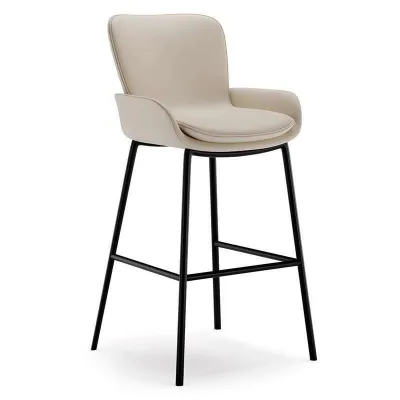
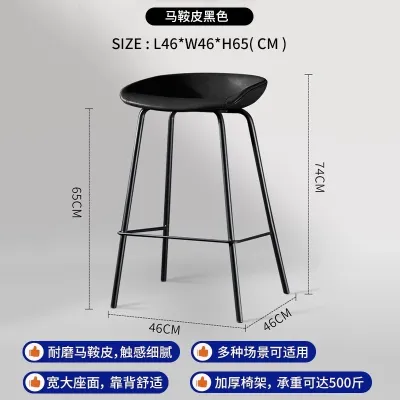
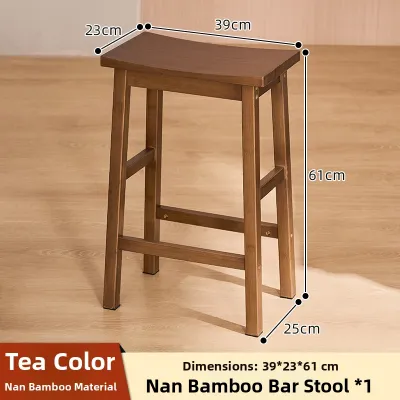

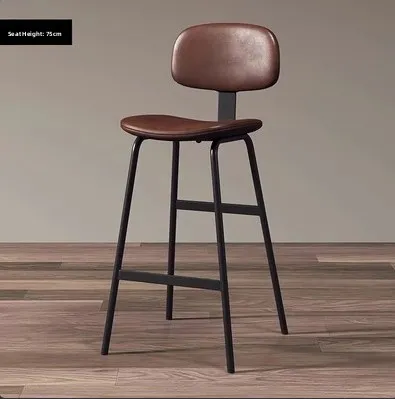
![[Free Shipping]High Chair Bar Chair Dining Chair Coffee Shop Bar Stool Platform Simple Chair](https://img.lazcdn.com/g/p/ff1a169badfd581f5353a8d7aff54508.jpg_400x400q80.jpg_.webp)
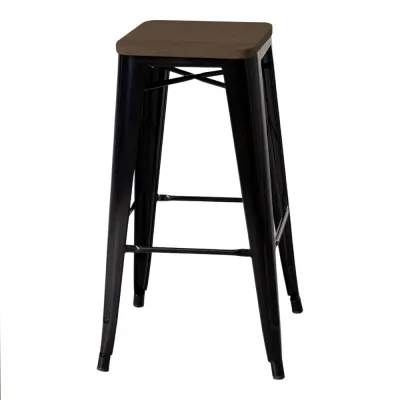
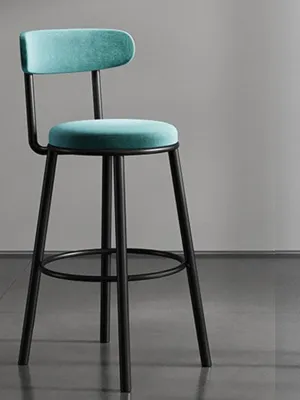
Prices are valid at publication and may change. Please refer to the product page for the latest price.
Standard counter height tables and kitchen islands typically stand between 34 and 36 inches (86 to 91 cm) from the floor. To complement this height, a counter-height bar chair features a seat height ranging from 24 to 26 inches (61 to 66 cm). This combination provides a proportional gap that allows average-sized adults to sit comfortably while keeping their forearms level with the countertop surface.
Conversely, standard bar height tables and commercial bar tops are significantly taller, measuring between 40 and 42 inches (101 to 107 cm) from the floor. Seating designed for these surfaces—often labeled as extra-high bar chairs—requires a seat height of 28 to 30 inches (71 to 76 cm). Utilizing a counter-height stool at a true bar-height table will leave you sitting far too low, making dining or working highly uncomfortable.
When reviewing product specifications, always verify how the manufacturer measures the seat height. The industry standard is to measure from the floor directly to the top of the seat cushion or the highest point of a solid seat. This measurement excludes the backrest, which only contributes to the overall height of the chair rather than the seating position itself.
How to Measure Your Counter and Calculate Seat Height
To determine the exact height your new seating requires, you must take precise measurements of your existing counter or table. Do not rely on standard assumptions, as custom renovations, unique countertop materials, and flooring choices can alter standard dimensions. Grab a reliable tape measure and follow a systematic approach to evaluate your space.

Begin by measuring the vertical distance from the floor to the absolute underside of the counter overhang. It is a common mistake to measure to the top surface of the counter; however, your legs must fit beneath the structure, making the clearance height the only measurement that dictates legroom. If your floor is uneven, take measurements at multiple points along the counter and use the lowest value to ensure your chairs fit across the entire length.
Once you have this measurement, apply the “9 to 12-inch rule” to calculate your ideal seat height. This rule states that the optimal gap between the top of the seat cushion and the underside of the table surface is between 9 and 12 inches (23 to 30 cm). For example, if the underside of your kitchen island measures 36 inches from the floor, subtracting 10 inches gives you an ideal seat height of 26 inches.
You must also consider the thickness of your tabletop or counter material. A thick, solid wood butcher block or a heavy concrete slab reduces the available vertical clearance compared to a thin quartz, marble, or glass top. If your counter has a deep supporting apron or trim underneath, measure from the bottom of that apron to the floor, as this trim acts as the true barrier to your thighs.
Ensure your counter overhang has a depth of at least 10 inches (25 cm) for comfortable knee space. If you plan to place stools on a thick rug, measure from the top of the rug pile rather than the hard floor, as thick textiles can compress and slightly alter the effective seat height.
Crucial Specs to Check Beyond the Bar Chair High Standard
While matching the seat height to your counter is the primary step, several secondary specifications dictate how comfortable and practical the chairs will be during daily use.
Footrest Position and Legroom
For any elevated seating, a sturdy footrest is an absolute necessity rather than an optional design detail. When sitting on a high stool, your feet cannot reach the floor; without support, the weight of your legs pulls on your lower back and can compress nerves, leading to numbness and poor circulation.
A well-designed footrest should ideally sit approximately 9 to 12 inches (23 to 30 cm) below the top of the seat. When shopping, check if the footrest is positioned at a height that allows your knees to bend at a comfortable, natural angle. For fixed-height stools, look for built-in footrest rings or bars made of durable materials like steel, which can withstand constant pressure and scuffing from shoes.
Backrest and Armrest Clearance
If you want the ability to tuck your chairs completely under the counter to save floor space, you must carefully evaluate the overall dimensions of the chair. Measure the total height of the backrest and the highest point of the armrests to ensure they do not collide with the edge of your countertop.
In open-concept homes, backless or low-back stools are highly beneficial because they slide fully underneath the counter, preserving clean sightlines. However, if you plan to use the stools for long dining sessions, a full backrest provides essential lumbar support. Ensure any armrests are at least one inch lower than the underside of the counter to prevent scratches.
Fixed vs Adjustable Mechanisms
Deciding between a fixed-height stool and an adjustable gas-lift mechanism depends on who will use the space. Fixed-height stools offer superior stability, have fewer moving parts to maintain, and generally feature a higher weight capacity, making them ideal for permanent kitchen islands. Adjustable stools utilize a gas-lift cylinder to raise or lower the seat, making them highly versatile for households with family members of varying heights. However, adjustable mechanisms do introduce some visual bulk, require occasional maintenance, and can gradually lose pressure over years of use.
Choosing the Right Height for Your Space and Lifestyle
Selecting the appropriate height category also requires looking at how your household uses the room and the overall layout of your home. The right choice should match both the architectural flow of your living space and the physical capabilities of the residents.
Counter height setups are generally preferred for multi-functional kitchen islands, breakfast bars, and family-centric spaces. Because these surfaces are closer to standard table height, they facilitate a seamless transition between standing prep work and seated dining. This height is also highly practical for households with young children or older adults, as the shorter step up makes mounting and dismounting the chair significantly safer and more stable.
Bar height configurations are ideal for dedicated home bars, entertainment zones, and pub-style tables where the primary focus is socializing. Sitting at a bar-height stool places your eye level closer to that of a standing person, making it easier to converse with guests who are mingling around the room. Furthermore, if your kitchen counter overlooks a living area with a television or a scenic window view, the extra elevation of a bar-height stool can prevent your line of sight from being blocked.
In compact living environments, such as modern apartments and HDB flats in Singapore, visual weight is a major design consideration. Counter height stools have a lower physical profile, which helps keep a small kitchen or dining area looking open and airy. Tall bar stools, especially those with high, solid backrests, can dominate the visual field and make a narrow room feel cramped. Consider whether your space can accommodate the vertical presence of taller furniture before making a final purchase.
Frequently Asked Questions (FAQ)
Can I use counter height stools for a bar height table?
Using a standard 24-inch counter stool at a 40-inch bar table is highly unviable. This combination leaves a massive 16-inch gap between the seat and the tabletop, forcing you to reach up uncomfortably to eat, write, or rest your elbows, leading to rapid shoulder and neck strain.
How much space should I leave between each bar chair?
To ensure comfortable elbow room and easy movement, leave 26 to 30 inches (66 to 76 cm) from the center of one stool to the center of the next. For stools that swivel or have wide armrests, increase this spacing to 30 inches to prevent the chairs from bumping into each other.
How do I measure a stool with a curved or padded seat?
When measuring a stool with a curved, sloped, or heavily padded seat, measure from the floor to the highest point of the front edge where your legs will naturally rest. For thick, plush cushions, compress the padding slightly with your hand while measuring to account for how much the seat will sink when occupied.
Community discussion
Share your experience or ask a question. Comments are reviewed before publication.