
Evaluating zero gravity massage chairs across different brands requires looking past showroom aesthetics and marketing buzzwords to focus on mechanical architecture, physical dimensions, and long-term service support. Because individual body types, spatial constraints, and therapeutic needs vary significantly, there is no single brand or model that serves as a universal solution. A systematic comparison of core specifications—such as track design, roller technology, and spatial footprint—will help you identify which chair delivers the most effective performance and value for your home.
By understanding how these mechanical systems interact with your body and your living space, you can avoid common purchasing pitfalls. This guide establishes a practical framework for comparing models, assessing build quality, and understanding the total cost of ownership before making an investment.
Core Features to Evaluate in Zero Gravity Massage Chairs
The therapeutic effectiveness of a massage chair depends heavily on its internal track design, which dictates how far the rollers travel along your body. Standard S-track models follow the natural curve of your spine from the neck down to the lower back, typically stopping at the lumbar region. In contrast, L-track models extend the roller path further down, wrapping under the seat to target the glutes and hamstrings. Many modern chairs employ an SL-track, which combines the spinal contouring of an S-track with the extended reach of an L-track, offering the most comprehensive coverage for full-body relief.
Products mentioned in this guide
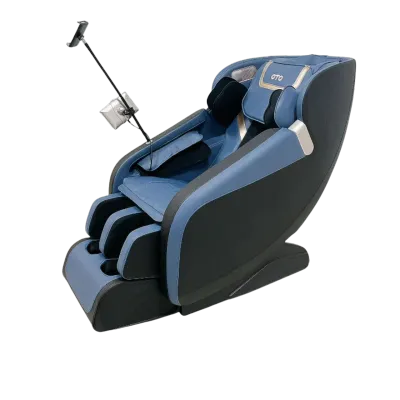
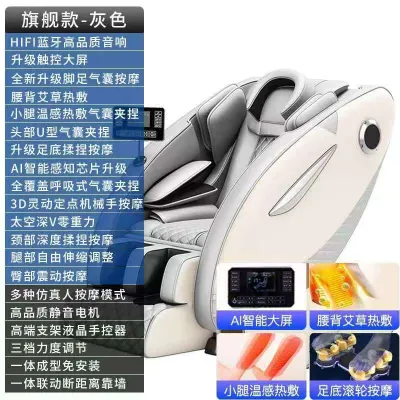
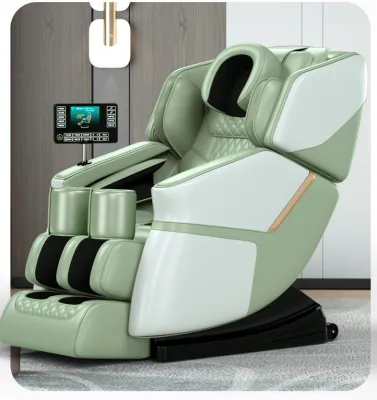
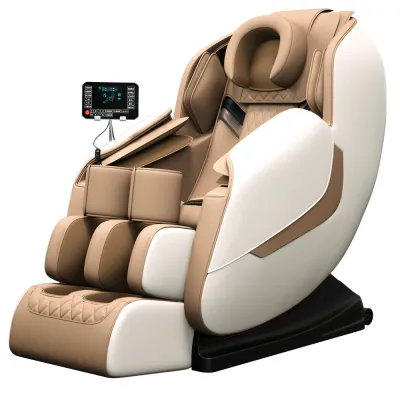
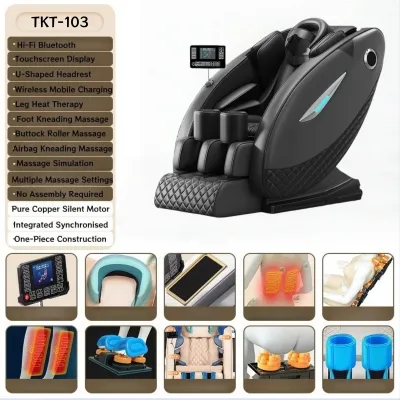
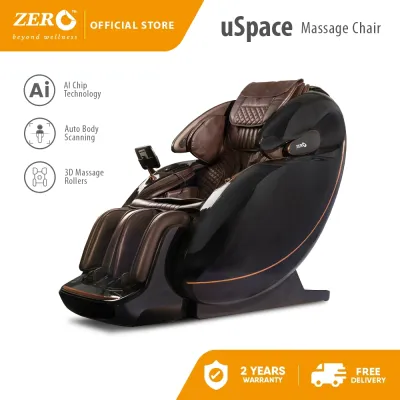
Prices are valid at publication and may change. Please refer to the product page for the latest price.
True zero gravity recline is another critical feature that varies by manufacturer. Inspired by NASA research, this position reclines the chair to an angle where your thighs and calves are elevated above the level of your heart. This alignment distributes your body weight evenly across the chair, reducing gravitational pressure on your spine and allowing the rollers to deliver a deeper, more effective massage. When comparing brands, verify whether a model offers a true zero gravity angle (typically between 120 and 128 degrees) or simply a standard recline function labeled as zero gravity.
The roller mechanism itself determines the precision and intensity of the massage. Basic chairs use 2D rollers that move vertically and horizontally along a fixed plane. Upgraded models feature 3D rollers, which can also move inward and outward to adjust the depth of the massage, mimicking the pressure of human hands. Premium chairs offer 4D rollers that introduce real-time speed and rhythm variations, allowing the mechanism to accelerate or slow down based on the selected program. These rollers work in tandem with multi-chambered airbag compression systems that target the shoulders, forearms, calves, and feet, squeezing and releasing muscles to promote circulation.
Customization options are essential for ensuring the chair remains comfortable for multiple users in a household. Look for models equipped with automatic body scanning technology, which uses sensors to map your spinal curvature and shoulder height before a session begins. This ensures the rollers align correctly with your pressure points. Additionally, check for manual override settings that allow you to adjust roller width, speed, and airbag intensity, or to park the rollers on a specific sore spot for targeted relief.
Assessing Build Quality, Space, and Safety Requirements
Before purchasing a zero gravity massage chair, you must carefully measure your designated room and the delivery pathway. Because these chairs require significant space to recline, standard models can demand up to 80 centimeters of clearance between the backrest and the wall. If space is limited, look for brands that feature zero-wall-clearance technology. These models are engineered on a sliding base that glides forward as the chair reclines, requiring as little as 5 to 10 centimeters of clearance from the wall, making them highly suitable for compact living rooms or bedrooms.

Physical access during delivery is a frequently overlooked constraint. Massage chairs are heavy, often weighing between 80 and 150 kilograms, and are shipped in large, bulky crates. You must measure the clear width of all doorways, hallways, elevator entrances, and stairwells along the delivery route. Many premium chairs require a minimum door width of 75 to 80 centimeters to pass through safely. Check if the side panels or armrests of the chair can be temporarily detached by the delivery team to facilitate transit through tight spaces.
Weight and height capacities are critical safety indicators found on the manufacturer’s specification label. Most standard chairs are rated for user weights up to 120 kilograms and heights ranging from 150 to 190 centimeters. Exceeding these limits can strain the motors, accelerate wear on the internal drive belts, and compromise the stability of the frame. Ensure the chair features a heavy-duty steel chassis and a wide, balanced base to prevent any tipping or wobbling when the chair transitions into a full recline.
Upholstery material directly impacts both comfort and long-term durability. While genuine leather is highly durable, it is susceptible to cracking in warm, humid climates and requires regular conditioning. Most manufacturers utilize high-grade polyurethane (PU) synthetic leather, which is engineered to withstand the constant friction, stretching, and heat generated by the internal rollers and heating pads. When evaluating different brands, inspect the stitching quality along high-wear areas, such as the shoulder panels and footrests, and verify that the fabric can be easily wiped clean with a damp cloth.
Comparing Price Tiers and Long-Term Value
Massage chairs generally fall into three distinct price tiers, each offering a different balance of features and mechanical sophistication. Entry-level models, typically priced between S$1,000 and S$2,500, generally offer 2D rollers, shorter S-tracks, and basic airbag compression. Mid-range models, ranging from S$2,500 to S$6,000, introduce SL-tracks, 3D rollers, zero-wall-clearance designs, and localized heating elements. Premium models, which can exceed S$8,000, feature advanced 4D rollers, comprehensive body scanning, specialized foot rollers, and highly customizable touch-screen control panels.
When comparing these price points, it is vital to factor in the warranty terms and the availability of local after-sales service. A lower upfront price on an online marketplace can quickly lose its appeal if the brand lacks a dedicated local service center or replacement parts inventory. Look for brands that offer at least a two-year comprehensive warranty covering both parts and on-site labor. Inquire about the availability of replacement upholstery covers and roller assemblies, as these are the components most likely to require maintenance over a five-to-ten-year lifespan.
Total cost of ownership should also include delivery, assembly, and disposal fees. Some retailers include professional white-glove delivery and installation in the purchase price, while others charge extra for carrying heavy equipment up stairs or assembling the chair on-site. If you are replacing an old chair, check if the retailer offers a disposal service to safely remove and recycle your existing furniture.
To protect your investment, always purchase through authorized local dealers rather than unauthorized gray-market importers on ecommerce platforms. Gray-market chairs may not comply with local electrical safety standards, often feature incompatible voltage configurations, and are rarely covered by the manufacturer’s local warranty. Verifying the dealer’s credentials ensures you receive a product certified for safe home use and backed by reliable local technical support.
Decision Framework: Matching Profiles to Chair Specifications
To narrow down your choices, match your physical requirements and household environment to specific mechanical features rather than relying on generic brand recommendations:
- For Taller Users or Full-Body Coverage: Prioritize models with an extended SL-track (at least 125 centimeters) and an extendable footrest. This ensures the rollers can reach from your neck down to your hamstrings, and that your legs are not uncomfortably cramped during the massage.
- For Compact Living Spaces: Focus exclusively on models equipped with zero-wall-clearance sliding bases. This technology allows you to maximize your floor space without sacrificing the ability to enjoy a full zero gravity recline.
- For Deep-Tissue Massage Seekers: Select a chair featuring 3D or 4D rollers with adjustable depth settings. This allows you to increase the roller protrusion for a firmer, deeper massage, or soften the intensity for more sensitive users.
- For Households with Multiple Users: Look for chairs with robust automatic body scanning and multiple memory profiles. This allows different family members to quickly save and recall their preferred roller depth, recline angle, and airbag pressure settings.
Before finalizing any purchase, it is highly recommended to perform an in-person test of the short-listed models. Spend at least 15 to 20 minutes in the chair to evaluate how the rollers feel against your spine, whether the airbag pressure is comfortable, and if the control interface is intuitive to operate. If you have pre-existing medical conditions, such as severe osteoporosis, spinal disorders, a pacemaker, or recent surgeries, consult a healthcare professional before using any mechanical massage equipment.
Frequently Asked Questions (FAQ)
Are zero gravity massage chairs safe for daily use?
Yes, zero gravity massage chairs are generally safe for daily use when operated according to the manufacturer’s guidelines. Most manufacturers recommend limiting sessions to 15 or 20 minutes, up to twice a day, to prevent muscle fatigue or overstimulation. Using the chair for excessive periods or at an intensity level that is too high can lead to muscle soreness, bruising, or localized discomfort. If you experience any sharp pain or unusual discomfort during a session, stop using the chair immediately and consult a medical professional.
How do I maintain the upholstery and mechanical parts?
To maintain the synthetic leather upholstery, regularly wipe down the surface with a dry or slightly damp microfiber cloth to remove dust, sweat, and body oils. Avoid using harsh chemical solvents, alcohol-based cleaners, or abrasive polishes, as these can degrade the protective polyurethane coating and cause the material to peel. Keep the chair away from direct sunlight, high-humidity areas, and direct heat sources to prevent the upholstery from fading or cracking. For the mechanical components, ensure the area around the base remains free of dust and pet hair, and do not attempt to lubricate the internal roller tracks yourself unless specifically instructed by the manufacturer’s manual.

Community discussion
Share your experience or ask a question. Comments are reviewed before publication.