
In a compact Singapore home, the ideal umbrella stand holder depends entirely on your entryway’s spatial layout and your household’s daily habits. For narrow Housing & Development Board (HDB) corridors or tight condominium foyers where floor space is at a premium, wall-mounted holders offer a zero-footprint solution that keeps walkways completely clear. If you live in a rental property or prefer not to drill into your walls, a slim, corner-optimized freestanding stand provides excellent flexibility and can be tucked neatly beside a shoe cabinet. For homeowners looking to maximize vertical storage, a multi-functional coat rack and umbrella stand combo consolidates multiple entryway needs into a single unit, provided there is sufficient clearance. Regardless of the style you choose, effective water management—specifically a reliable, easy-to-clean drip tray—is a non-negotiable feature to handle Singapore’s frequent tropical downpours and high humidity levels without damaging your flooring.
Core Comparison Dimensions for Compact Entryways
Selecting the right storage solution requires a careful evaluation of how a product interacts with your specific living environment. In Singapore’s high-density housing, entryways are often high-traffic zones where poorly planned furniture can quickly become a daily frustration or a safety hazard.
Footprint and Spatial Efficiency
Products mentioned in this guide
![[HOUZE] BrollyMate Umbrella Stand Rack with Removable Drip Tray (15 Compartments)](https://img.lazcdn.com/g/p/b769a5f7a2a5da56fc903f38c4354d32.jpg_400x400q80.jpg_.webp)
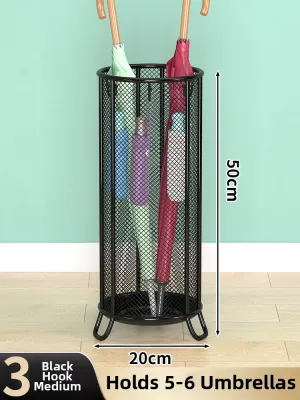
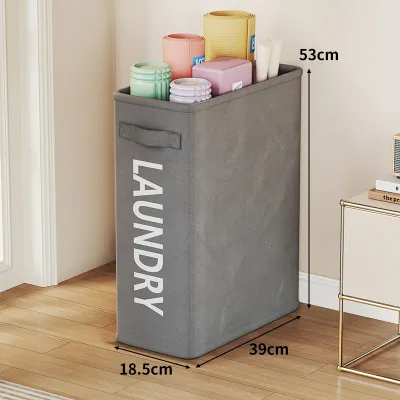
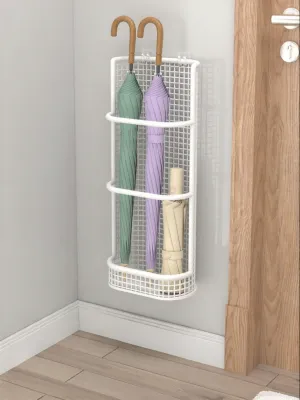
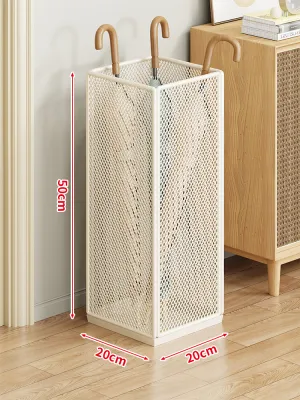
Prices are valid at publication and may change. Please refer to the product page for the latest price.
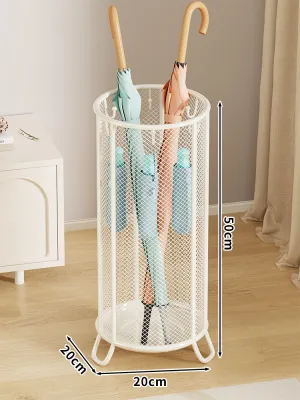
The physical dimensions of the holder must match the available clearance of your foyer or corridor. When measuring your space, consider not just the static footprint of the stand, but also the dynamic space required to insert and retrieve umbrellas. A long golf umbrella requires significant vertical clearance and a wider swing radius, whereas compact, foldable umbrellas need shallow, accessible compartments. In narrow walkways, every centimeter matters; choosing a design that sits flush against the wall or fits into an underutilized corner ensures that residents and guests can pass through the front door without bumping into the stand.
Water Management and Drainage
Singapore’s tropical climate brings sudden, heavy rainstorms, meaning your umbrella stand will frequently hold soaking-wet items. Unmanaged water can pool on your entryway floor, posing a slipping hazard and causing irreversible damage to sensitive flooring materials like laminate, engineered wood, or parquet. When evaluating a stand, look closely at its drainage system. Removable drip trays are highly practical because they allow you to carry collected water directly to the sink. Some modern designs incorporate absorbent stone inserts, such as diatomaceous earth, which soak up moisture rapidly, though these still require periodic airing out to maintain performance.
Capacity vs. Stability
A compact stand must balance the number of umbrellas it can hold with its structural stability. Wet umbrellas, especially large family-sized models, are surprisingly heavy and can easily make a lightweight stand top-heavy. In a narrow, busy entryway, a tipping stand is both a nuisance and a safety concern. To mitigate this risk, look for freestanding models that feature a weighted base or a low center of gravity. If you opt for a wall-mounted unit, the stability relies entirely on the quality of the mounting hardware and the structural integrity of the wall itself.
Material Durability in Humid Environments
The persistent high humidity in Singapore accelerates rust, mold, and material degradation. A material’s name alone does not guarantee long-term durability; instead, you must verify the specific finishes and protective coatings applied by the manufacturer. For metal stands, look for powder-coated or rust-resistant treated finishes, and inspect the joints for exposed steel where moisture could penetrate. For wooden or bamboo options, check that the surface has been sealed with a moisture-resistant lacquer. If choosing plastic or polymer materials, ensure they are thick and structurally reinforced to prevent warping over time under the weight of heavy umbrellas.
Freestanding vs. Wall-Mounted Umbrella Holders
Understanding the fundamental structural differences between freestanding and wall-mounted designs is the first step toward narrowing down your options. Both configurations offer distinct advantages depending on your home ownership status and spatial constraints.

Freestanding Cylindrical and Square Stands
Freestanding umbrella stands are the traditional choice, valued primarily for their plug-and-play convenience. They require absolutely no installation, drilling, or permanent alteration to your home, making them the default option for tenants or those who like to rearrange their furniture periodically. During the dry season, a freestanding stand can easily be moved into a storeroom or closet, freeing up precious entryway space when it is not needed.
However, freestanding models do occupy valuable floor space, which can be a significant drawback in a compact foyer. To make these stands work in tight quarters, look for geometric profiles like slim rectangles, semi-circles, or triangular corner units. These shapes can be pushed flush against walls, shoe cabinets, or door frames, minimizing the risk of them becoming a tripping hazard.
When selecting a freestanding model, always verify the weight of the base. A quality stand should have a heavy bottom—often constructed with cast iron, weighted plastic, or dense stone—to ensure it remains upright when loaded with multiple tall, wet umbrellas. If the manufacturer does not specify the base weight, check user reviews or product specifications for signs of top-heaviness, especially if you plan to store long golf umbrellas.
Wall-Mounted and Over-the-Door Options
Wall-mounted and over-the-door umbrella holders represent the ultimate space-saving solution by completely freeing up your floor. By utilizing vertical wall space or the back of an entryway door, these units keep wet umbrellas off the ground, allowing for easier floor cleaning and a highly streamlined, minimalist aesthetic.
The primary trade-off with wall-mounted systems is the installation process. Before purchasing, you must assess the type of wall in your entryway. Singapore homes commonly feature solid concrete structural walls or brick walls, which require a masonry drill bit and heavy-duty wall plugs for a secure mount. If you are mounting onto a drywall partition, which is more common in newer condominium layouts, you must use specialized toggle bolts or hollow-wall anchors to prevent the unit from pulling out of the plaster under load.
Another critical consideration is water containment. Because wall-mounted stands hold wet umbrellas directly against or close to the wall, any overflow or dripping can run down your paintwork, wallpaper, or skirting boards, leading to unsightly water stains or mold growth. It is absolutely essential to choose a wall-mounted design that includes a secure, integrated drip cup at the base, and to mount the unit at a height that allows wet umbrellas to hang freely without touching the wall surface.
Multi-Functional Designs and Coat Rack Combos
For homeowners who want to streamline their entryway organization, multi-functional furniture pieces offer an integrated approach. These designs typically combine an umbrella holder with other practical elements, such as hanging hooks for coats and bags, a small shoe rack, or a built-in bench.
The main benefit of a multi-functional unit is the consolidation of visual clutter. Instead of purchasing three separate items—a shoe rack, a coat hook, and an umbrella stand—you can invest in a single, cohesive piece of furniture that serves all these purposes. This can make a small entryway feel more organized and intentional, utilizing vertical height to maximize storage capacity on a relatively compact footprint. By combining these functions, you also reduce the number of individual furniture legs on the floor, which simplifies sweeping and vacuuming in your foyer.
However, these combined units carry significant spatial trade-offs. They have a much larger physical presence and visual weight than a dedicated, slim umbrella stand. Before buying, carefully measure your entryway to ensure the unit will not block doorways, light switches, or the path of your main door’s swing. If you live in a high-rise development, you must also verify that the packaged dimensions of the furniture can easily fit through your building’s lift doors and your home’s entryway during delivery, as returning oversized items can be a costly and frustrating process.
Stability is a paramount concern for tall, multi-functional units. When fully loaded with wet umbrellas at the base and heavy bags or wet raincoats at the top, the center of gravity shifts upward, creating a serious tip-over hazard. Always check if the manufacturer includes a wall-anchoring kit, and commit to installing it securely. Additionally, pay close attention to the physical layout of the unit: there should be adequate clearance and separation between the wet umbrella compartment and the hanging sections to prevent moisture from transferring onto dry coats, hats, or leather bags. Ensure that the drip tray in these combined units is easily accessible; if it is blocked by shoe shelves or hanging garments, you may find yourself neglecting regular maintenance, leading to water accumulation in hard-to-reach areas.
Water Management and Maintenance in Humid Climates
In Singapore’s persistently warm and humid climate, proper water management is not just about protecting your floors; it is also a matter of household hygiene and health. Standing water combined with high ambient temperatures creates an ideal environment for mold, musty odors, and mosquito breeding.
Different drip-handling mechanisms require varying levels of attention. Removable plastic or silicone trays are highly recommended because they do not absorb moisture; instead, they collect it in a shallow pool that you can easily slide out and empty. Absorbent stone inserts made of diatomaceous earth are popular for their rapid drying capabilities, but they are not maintenance-free. Over time, these stones can become saturated or clogged with dust, reducing their absorbency and requiring you to take them out to dry completely in a well-ventilated area.
To keep your entryway clean and safe, establish a simple, low-risk maintenance routine. After every heavy rain, make it a habit to empty the drip tray immediately. This simple action is a crucial step in preventing mosquito breeding, aligning with local vector control efforts to eliminate stagnant water. Once the tray is emptied, wipe down the body of the stand with a clean, dry microfiber cloth. This is especially important for metal stands, as wiping away residual moisture prevents the gradual breakdown of protective powder coatings and keeps rust at bay.
For routine cleaning, avoid using harsh chemical sprays, bleach, or abrasive scrubbing pads, which can scratch painted finishes, strip protective lacquers on wood, or degrade plastic components. Instead, use a soft cloth dampened with a mild, diluted dish soap. Gently wipe the surfaces, rinse with a clean damp cloth, and allow the stand to dry completely in a well-ventilated spot before returning it to its usual corner. Always refer to the manufacturer’s specific care instructions, particularly for specialized materials or finishes.
Final Decision Framework: Which Type Should You Buy?
To make your final decision, evaluate your living situation against these practical scenarios:
Choose a Wall-Mounted Holder if:
- You have near-zero available floor space in your entryway and need to keep the floor completely clear for foot traffic.
- You own your home or have permission to drill into solid concrete or drywall surfaces using appropriate, load-rated anchors.
- Your household typically only needs to store two to four umbrellas at any given time.
Choose a Slim Freestanding Stand if:
- You live in a rental property where drilling holes into walls or doors is prohibited.
- You want the flexibility to move the stand out of sight during dry periods or relocate it when cleaning the floors.
- You have a small, underutilized corner or a narrow gap directly adjacent to your shoe cabinet.
Choose a Multi-Functional Coat Rack Combo if:
- You are setting up a new entryway from scratch and want to consolidate your shoe storage, coat hanging, and umbrella organization into one cohesive unit.
- You have verified that your entryway has sufficient vertical and horizontal clearance, and the unit will not obstruct doorways or walkways.
- You are able to securely anchor the tall unit to the wall to eliminate any risk of tipping when fully loaded.
Verify First if:
- You are unsure of your wall's load-bearing capacity or the exact structural material behind your entryway plaster.
- You need to confirm the exact doorway or lift access dimensions before ordering a larger, pre-assembled multi-functional unit.
- You want to check the manufacturer's product specifications to ensure the finish has been treated for rust resistance and high-humidity environments.
Frequently Asked Questions (FAQ)
Can I place an umbrella stand outside my HDB door?
In Singapore, the common corridors of HDB estates are strictly regulated fire escape routes managed by the Singapore Civil Defence Force (SCDF) and local Town Councils. SCDF guidelines require a minimum clear escape passage of 1.2 meters along common corridors to ensure safe evacuation during emergencies. Before placing any furniture, including an umbrella stand, outside your front door, you must check your local Town Council’s specific bylaws regarding corridor obstructions. If outdoor placement is permitted in your block, ensure the stand is constructed from highly weather-resistant materials that can withstand direct sunlight and rain, and choose a heavily weighted model that will not tip over or blow away during strong monsoon winds.
How do I stop my umbrella stand from smelling musty?
A musty odor is caused by mold and bacteria thriving in stagnant water and poor ventilation, which is common in enclosed entryways during Singapore’s wet seasons. To prevent this, empty the drip tray immediately after every rainstorm and wipe it dry. Do not store umbrellas in the stand while they are still tightly folded and soaking wet; instead, leave them partially open in a well-ventilated area until they are dry before placing them back in the holder. Additionally, avoid choosing umbrella stands with fabric liners or untreated wooden components that trap moisture. Opt for non-porous materials like plastic, metal, or sealed ceramic that can be easily wiped down and sanitized with mild soap.
Community discussion
Share your experience or ask a question. Comments are reviewed before publication.