
Selecting the right ergonomic office chair for a home office in Singapore requires balancing physical comfort, spatial constraints, and long-term durability. Because a single chair rarely suits every body type or workspace layout, identifying the ideal brand category depends on your daily usage patterns, budget, and specific comfort priorities.
To simplify the decision-making process, you can categorize your options into three primary brand segments:
- Premium Heritage Brands: Best if you spend eight or more hours daily at your desk, view your chair as a long-term health investment, and prioritize highly adjustable, corrective support with extensive warranty coverage.
- Hybrid and Gaming Crossovers: Ideal if you prefer a plush, cushioned feel, require a chair that transitions seamlessly between work and leisure, and appreciate integrated, adjustable lifestyle features.
- Budget and Accessible Brands: Best if you have a limited budget, require immediate availability, or need a functional, basic seating solution for shorter, intermittent working sessions.
While upfront cost is a major differentiator, the true value of an ergonomic chair lies in how well its materials, dimensions, and adjustability mechanisms align with your physical requirements and the unique environment of a Singapore home.
Products mentioned in this guide
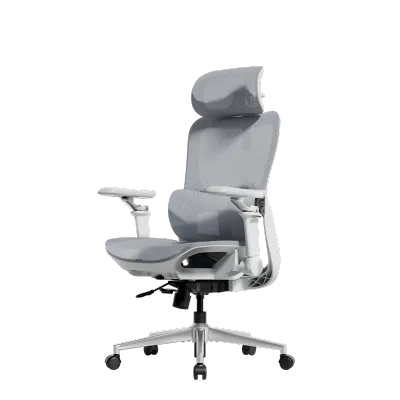
![[SG Ready Stocks] Ergonomic Office Chair - 8.5cm Thick Cushion + Antislip Surface Adjustable Backrest & Detachable Headrest Flip-Up Arms Rocking & Lock Function 15-Min Easy Assemble for Home/Office](https://img.lazcdn.com/g/p/056ecb65b2a442dd9a476ff654362085.jpg_400x400q80.jpg_.webp)
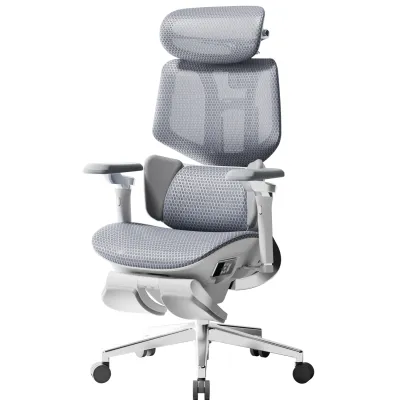
![[✅SG Ready Stock] Ergonomic Office Chair Mesh Gaming Chair with Adjustable Backrest Armrest Home Desk Chair 办公椅](https://img.lazcdn.com/g/p/944b7a3f936041f6f7f3c91bf3573b9f.jpg_400x400q80.jpg_.webp)
Prices are valid at publication and may change. Please refer to the product page for the latest price.
Key Comparison Dimensions for Singapore Home Offices
Evaluating an ergonomic chair requires looking past marketing buzzwords and focusing on concrete design specifications. In Singapore, these specifications must be evaluated against local climate conditions and typical residential layouts.
Adjustability and Long-Hour Comfort
True ergonomic support relies on a chair’s ability to be tailored to your precise physical proportions. Standard fixed chairs force your body to adapt to the furniture, which often leads to poor posture and muscular strain over extended working hours.
When comparing brands, prioritize three critical adjustment features:
- Seat Depth Adjustment: This allows you to slide the seat pan forward or backward. Proper seat depth ensures your thighs are fully supported without the front edge of the seat pressing into the back of your knees, which can restrict blood circulation.
- 4D Armrests: Armrests that adjust in four dimensions—height, width, depth, and angle—help keep your shoulders relaxed. They allow you to position your elbows close to your body and at a 90-degree angle, reducing strain on your neck and upper back.
- Dynamic Lumbar Support: Rather than a static cushion, dynamic lumbar support adapts to the natural curvature of your spine as you shift positions. Look for systems that allow you to adjust both the height and the depth of the lumbar support curve.
Before purchasing, always check the manufacturer’s user manual or specification sheet to verify the exact range of these adjustments, ensuring they accommodate your height and torso length.
Material Breathability in Tropical Climates
Singapore’s hot and humid climate makes material selection a vital comfort factor, especially if your home office is not continuously air-conditioned. The materials wrapping your chair directly influence heat retention, airflow, and maintenance requirements.
High-elastomer mesh is highly regarded for its superior breathability. Suspended mesh designs eliminate the dense foam layers that trap body heat, allowing continuous airflow across your back and thighs. However, the quality of mesh varies; premium elastomer mesh retains its tension for years, whereas lower-grade nylon mesh can sag over time, compromising support.
Fabric and PU leather options offer a softer, more traditional cushioned feel but behave differently under tropical conditions. High-density molded foam covered in breathable fabric provides excellent pressure distribution but will retain more heat than mesh. PU leather offers a sleek aesthetic and is highly resistant to spills, but low-quality synthetic leathers are prone to peeling in high humidity.
Always review the manufacturer’s care instructions to understand how to clean and maintain the upholstery, particularly regarding moisture resistance and sweat degradation.
Footprint and Space Constraints
Unlike spacious corporate offices, home workspaces in Singapore—especially within HDB flats and condominiums—often demand a compact footprint. A chair that is too bulky can restrict movement, block walkways, or fail to fit under your desk.
Before making a purchase, measure three critical spatial dimensions:
- Base Diameter: The five-star caster base is typically the widest part of the chair, often ranging from 65 to 75 centimeters. Ensure your floor space can accommodate this footprint without colliding with desk legs or walls.
- Maximum Armrest Width and Height: Measure the clearance between your desk's drawers or legs to ensure the chair's armrests can slide underneath when not in use. This is crucial for maintaining a clean pathway in multi-use rooms.
- Recline Clearance: If you choose a chair with a deep recline or a synchro-tilt mechanism, verify the clearance behind the chair. Some models slide the seat pan forward as you recline to minimize the rear footprint, while others require significant space behind the backrest.
Additionally, consider delivery logistics. Confirm the finished dimensions of the shipping box or the fully assembled chair against your home’s doorway widths and lift access to prevent delivery complications.
How Popular Ergonomic Brands Position Themselves
Understanding how different manufacturers approach ergonomic design helps narrow down your search based on your lifestyle, aesthetic preferences, and budget.

Premium Ergonomic Specialists
Heritage brands like Herman Miller and Steelcase dominate the premium tier. These companies invest heavily in orthopedic research and human factors engineering, resulting in chairs designed to actively promote healthy sitting postures over long periods.
Rather than relying on thick foam padding, premium specialists typically use advanced suspension systems, such as elastomeric membranes or flexible back shells that mimic the movement of the human spine. These designs distribute body weight evenly and react dynamically to micro-movements, reducing pressure points.
Because these chairs are built for heavy commercial use, they feature robust build quality, utilizing glass-filled nylon, die-cast aluminum, and heavy-duty steel mechanisms. This durability is reflected in extensive manufacturer warranties, which often cover both parts and onsite labor for up to 12 years.
While the upfront investment in this premium tier is substantial—often representing a significant portion of a home office budget in SGD—these chairs are engineered for users who view their seating as a critical health intervention and a long-term asset.
Hybrid and Gaming-Ergonomic Crossovers
Brands like Secretlab have bridged the gap between traditional office seating and gaming culture, creating hybrid designs that prioritize plush comfort and versatile lifestyle features.
These chairs typically feature a steel frame paired with dense, cold-cure molded foam, which provides a firmer, more supportive cushion than standard furniture foam. Instead of a minimalist office aesthetic, they offer high-back designs with integrated magnetic memory foam headrests, adjustable lumbar dials built directly into the backrest, and deep recline angles for relaxation.
This category appeals strongly to users who spend their days working and their evenings gaming or streaming. The flat, wide seat base designs found in modern hybrids also accommodate alternative sitting positions, such as crossing your legs, which is difficult to do in highly contoured ergonomic task chairs.
While they offer excellent immediate comfort and robust construction, these hybrid models tend to have a larger physical footprint and heavier weight, making them more suited to dedicated study rooms rather than small, shared living spaces.
Accessible and Budget-Friendly Options
For users seeking functional seating without a major financial commitment, accessible brands like IKEA and various online marketplace options provide entry-level ergonomic features.
These brands focus on essential adjustments, such as basic pneumatic seat height, simple synchro-tilt mechanisms, and fixed or height-adjustable lumbar support. They are highly accessible, widely available for immediate purchase, and generally straightforward to assemble at home.
However, budget-friendly options involve clear trade-offs. To keep costs low, manufacturers often use lighter materials, such as standard plastics instead of reinforced nylon, and lower-density foam that may compress permanently over a few years of daily use.
Warranty periods for budget models are typically much shorter, often ranging from one to three years, and may require you to transport the chair to a service center yourself for repairs. These chairs are best suited for light or secondary use, where the chair is occupied for only a few hours at a time.
Specification Checklist and Comparison Matrix
To make an objective decision, compare the general specifications of these brand categories side-by-side. Use this matrix to evaluate how different tiers align with your physical needs and home office setup.
| Feature / Metric | Premium Ergonomic Specialists | Hybrid & Gaming Crossovers | Budget & Accessible Brands |
|---|---|---|---|
| Primary Lumbar Support | Dynamic, auto-adjusting or highly tunable | Integrated adjustable dial or memory foam pillow | Fixed tension band or manual height slide |
| Seat Material | High-elastomer mesh or flexible suspension | Cold-cure molded foam with fabric/PU cover | Standard polyurethane foam with fabric cover |
| Armrest Adjustability | 4D (Height, Width, Depth, Pivot) | 4D or 3D adjustable | 1D (Height only) or completely fixed |
| Base & Frame Materials | Die-cast aluminum, glass-filled nylon | Reinforced steel, aluminum | Standard nylon, lightweight plastics |
| Typical Weight Capacity | Up to 136 kg – 159 kg (verify per model) | Up to 120 kg – 150 kg (verify per model) | Up to 100 kg – 110 kg (verify per model) |
| Typical Warranty Length | 10 to 12 years (often includes onsite service) | 3 to 5 years (dependent on registration) | 1 to 3 years (often carry-in or parts-only) |
When reviewing these specifications, pay close attention to weight capacity and maximum user height. These are critical safety and structural metrics. Operating a chair near or beyond its rated capacity can compromise the stability of the gas lift cylinder and accelerate wear on the tilt mechanism. Always verify these limits on the official product label or manufacturer specification sheet before purchasing.
Evaluating Value, Warranties, and Local Support
Calculating the true cost of ownership requires looking beyond the initial purchase price. A cheaper chair that needs replacement every two years can ultimately cost more than a premium chair that lasts over a decade.
Carefully read the warranty terms before finalizing your purchase. A long warranty is only as good as its coverage details and local support network. Check for the following details:
- Component Exclusions: Some warranties offer a headline-grabbing duration but restrict coverage on high-wear components like gas lifts, armrest pads, and mesh upholstery to just one or two years.
- Service Logistics: Determine whether the manufacturer provides onsite repair services in Singapore or if you must disassemble and transport the chair to a local service center yourself.
- Transferability: If you plan to sell the chair in the secondary market later, check if the warranty is transferable to the next owner, as this significantly preserves the chair's resale value.
Whenever possible, visit local showrooms in Singapore to test chairs in person. Sitting in a chair for even fifteen minutes allows you to assess critical factors that spec sheets cannot convey, such as the tension of the mesh, the firmness of the seat foam, and whether the lumbar curve matches your spine.
If you must buy online, research the retailer’s return policy. Verify if they allow returns for change-of-mind, who covers the return shipping costs for a heavy item, and whether restocking fees apply to opened or assembled furniture.
Finally, factor assembly into your budget. Some premium brands deliver chairs fully assembled, while others charge an additional fee for onsite assembly. If you choose to assemble the chair yourself, follow the manufacturer’s step-by-step instructions carefully to ensure structural stability and maintain your warranty coverage.
Frequently Asked Questions (FAQ)
Are gaming chairs suitable for ergonomic home office use?
Yes, many modern gaming chairs are suitable for home office use, provided they offer sufficient adjustability. High-quality gaming chairs utilize dense, supportive cold-cure foam and offer robust tilt and recline mechanisms that help distribute body weight.
However, traditional bucket-seat designs feature raised side bolsters that can restrict natural shoulder and leg movement, and they may lack the advanced seat depth adjustments found on dedicated task chairs. If you choose a gaming chair, look for models with flat seat bases and integrated, adjustable lumbar systems rather than simple strap-on pillows.
Is it necessary to test an ergonomic chair in a showroom before buying?
While purchasing online is highly convenient, testing a chair in a showroom is strongly recommended. Comfort is entirely subjective; a chair praised by reviewers may feel uncomfortable to you due to differences in hip width, torso length, or personal sensitivity to mesh tension.
Testing a chair in person allows you to verify that the seat pan depth adjusts correctly for your leg length, the lumbar support aligns with your lower back, and all adjustment levers are easy to reach and operate. If visiting a showroom is not possible, carefully measure your current comfortable seating setups and compare those dimensions against the manufacturer’s detailed sizing guides.
Community discussion
Share your experience or ask a question. Comments are reviewed before publication.