
Quick Answer: Which Brand Profile Fits Your Home?
Selecting the right massage chair for home use in Singapore requires balancing personal therapeutic needs with the physical realities of local residential spaces. There is no single brand that serves as a universal solution for every household. Instead, the right choice depends on your budget, the size of your living room or bedroom, and the level of mechanical sophistication you expect from the roller systems.
If you prioritize highly customized therapeutic sessions, advanced body-scanning technology, and long-term structural reliability, premium established brands are generally the most suitable choice. These manufacturers invest heavily in multi-axis roller assemblies and secure comprehensive, multi-year on-site warranties that protect your investment. Conversely, if you are working with a tighter budget or trying to maximize floor space in a compact HDB flat, value-oriented or space-saving brands provide excellent, streamlined alternatives that focus on essential relaxation features.
Regardless of which category you lean toward, local after-sales service and physical showroom access remain the ultimate tie-breakers in Singapore. Because a massage chair is a complex mechanical and electronic appliance, having a dedicated local service center ensures you can easily secure replacement parts and professional technicians. Testing a chair in person at a local showroom is also indispensable, as it allows you to verify that the physical dimensions, seat depth, and roller intensity align comfortably with your body shape before making a purchase.
Products mentioned in this guide
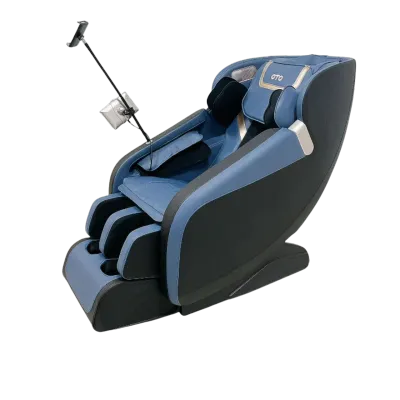
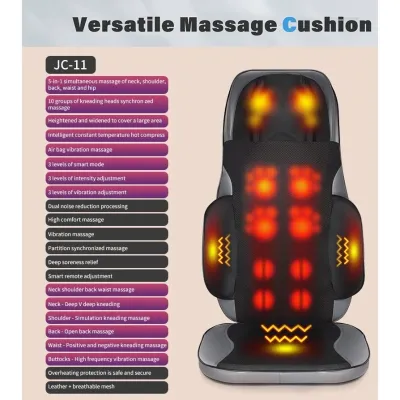
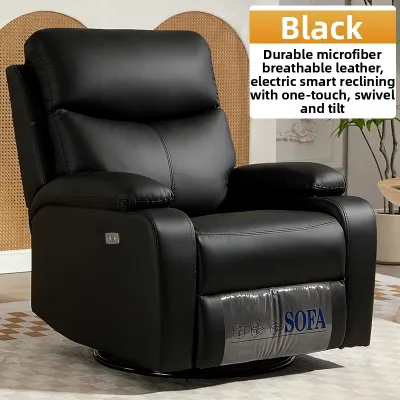
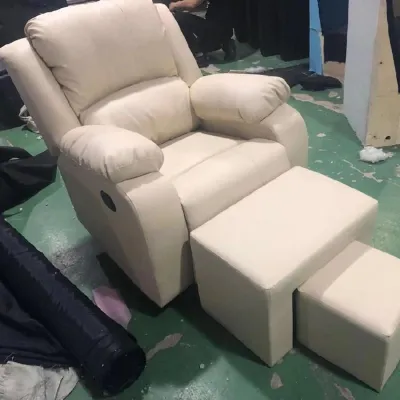
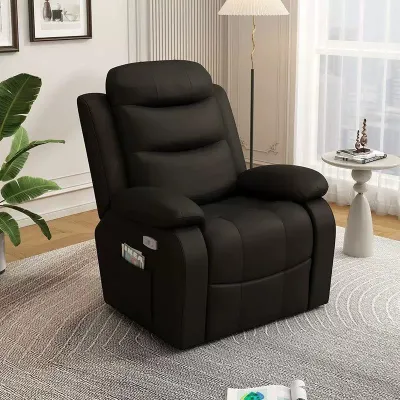
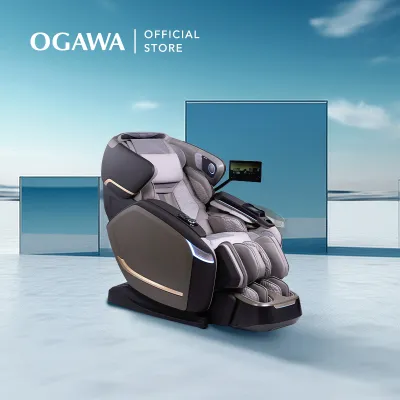
Prices are valid at publication and may change. Please refer to the product page for the latest price.
Key Dimensions for Comparing a Massage Chair for Home
To compare massage chair brands objectively, you must look past marketing buzzwords and focus on concrete technical specifications, material durability, and service agreements. Evaluating these factors systematically allows you to identify which brands offer genuine engineering quality and which ones rely on superficial features.

Massage Technology and Track Design
The core of any massage chair is its internal track and roller mechanism, which dictates the path and depth of the massage. Brands typically design chairs with either an L-track or an SL-track. An L-track extends from your neck down to your lower back and curves under your seat to reach your glutes and hamstrings, offering excellent coverage for lower-body tension. An SL-track combines this extensive coverage with an ergonomic “S” curve that closely follows the natural alignment of your spine, ensuring consistent pressure from the cervical vertebrae down to the lumbar region.
Beyond the track, the roller mechanism determines how the massage feels. Basic 2D rollers move along vertical and horizontal axes, offering a flat, reliable massage. Upgrading to 3D rollers introduces depth control, allowing the rollers to protrude forward into your muscles to simulate a deep-tissue massage. The most advanced 4D rollers add speed variations and real-time adjustments to these three-dimensional movements, mimicking the rhythmic, accelerating, and decelerating strokes of a professional massage. Because roller intensity and depth are highly subjective, you should never rely solely on spec sheets; testing the rollers in person is the only way to ensure the pressure is therapeutic rather than painful.
Build Quality and Material Care
The durability of a massage chair’s exterior is just as critical as its internal motors, especially in Singapore’s hot and humid climate. Most massage chairs are upholstered in synthetic leathers like Polyurethane (PU) or Polyvinyl Chloride (PVC) because they are highly flexible and can withstand the constant stretching caused by moving rollers. However, high relative humidity can accelerate the degradation of these materials through a process called hydrolysis, which causes synthetic leather to crack, peel, and flake over time.
When comparing brands, do not accept generic claims that an upholstery material is completely “sweat-proof” or “indestructible.” Instead, review the manufacturer’s care instructions and material specifications to see if the synthetic leather has been treated with anti-hydrolysis coatings. To preserve the lifespan of the upholstery, you should check if the brand recommends specific water-based cleaners and avoid using harsh chemical solvents or alcohol wipes, which strip away protective topcoats. Additionally, planning to keep the room well-ventilated or utilizing a dehumidifier can significantly extend the life of the synthetic leather.
Warranty and Local After-Sales Service
A massage chair contains a complex network of electric motors, air compressors, pneumatic valves, and printed circuit boards, all of which are subject to mechanical wear and tear. Therefore, the structure and reliability of a brand’s warranty are major indicators of its long-term value. When comparing warranties, look closely at the breakdown of coverage: some brands offer a long overall warranty period but limit the coverage for expensive parts, labor, or on-site transportation fees after the first year.
In Singapore, prioritize brands that operate their own dedicated local service centers and employ in-house technicians. Brands with an established local presence can dispatch technicians directly to your home with the correct proprietary spare parts, minimizing downtime. In contrast, brands that outsource their after-sales support to third-party repair networks often suffer from longer wait times, communication delays, and difficulties in sourcing specific components, which can leave you with an unusable, bulky appliance in your living room for weeks.
Evaluating Massage Chair Brand Categories in Singapore
Navigating the Singapore massage chair market is much simpler when you group the available options into distinct categories based on their design philosophy, target audience, and price points. This categorization helps you align your personal priorities with the strengths of specific brand segments.
Premium and Established Brands
Premium and established brands dominate the high-end segment of the Singapore market, appealing to homeowners who view a massage chair as a long-term investment in their physical well-being. These brands focus heavily on technological innovation, incorporating advanced body-scanning systems that use optical or pressure sensors to map your spine’s curvature, shoulder height, and body width. This scanning ensures that the rollers target your specific pressure points accurately, rather than executing a generic, pre-programmed routine.
In addition to precise scanning, premium brands frequently feature multi-stage zero-gravity positioning. This design reclines the chair to an angle where your knees are elevated slightly above your heart, distributing your body weight evenly across the chair to reduce spinal pressure and enhance the depth of the massage. These manufacturers also build their chairs with heavy-duty steel frames, high-torque brushless motors, and multi-layered air cell systems that provide consistent compression therapy to your arms, calves, and feet.
While these premium models offer an unparalleled level of customization and therapeutic relief, they come with clear trade-offs. They require a substantial initial financial investment, with prices often starting in the mid-to-high thousands of Singapore dollars. Furthermore, they feature larger physical footprints and require significant clearance space, making them best suited for spacious condominiums, landed properties, or larger HDB flats where they can serve as a permanent fixture without obstructing daily foot traffic.
Value-Oriented and Space-Saving Brands
Value-oriented and space-saving brands cater directly to the modern Singaporean lifestyle, where optimizing square footage in HDB flats and smaller apartments is a primary concern. These brands design their chairs with compact, wall-hugging mechanisms that slide the frame forward as it reclines, allowing the chair to sit just centimeters away from a wall. Many of these models also feature multi-functional designs, such as foldable or retractable footrests that allow the massage chair to double as an elegant lounge chair or recliner when not in use.
To maintain a compact profile and an accessible price point, these brands streamline their control interfaces and focus on essential relaxation programs. While you may not find highly complex 4D roller systems or independent multi-zone heating pads, these chairs typically offer reliable 2D or 3D massage tracks that effectively target the neck, back, and waist. They are highly efficient options for users who want a quick, convenient way to unwind after a long day at work without dedicating a massive portion of their living space to a single appliance.
However, choosing a budget or compact model requires careful verification of certain physical specifications. You must check the manufacturer’s stated weight capacity and motor noise levels, as smaller frames and lighter motors can sometimes struggle under heavier loads or emit a louder hum during operation. It is also wise to inspect the durability of the moving parts and the stability of the frame during a vigorous massage cycle, ensuring that the space-saving design does not compromise structural integrity.
Space, Clearance, and Delivery Checks for Singapore Homes
Integrating a large, heavy piece of furniture like a massage chair into a Singapore home requires careful logistical planning. Failing to measure your space accurately can lead to delivery failures, damaged walls, or an unusable appliance.
Delivery and Access
Before finalizing your purchase, you must map out the entire delivery path from the unloading bay to the exact spot where the chair will sit in your home. Measure the height and width of your HDB or condominium lift doors, the interior dimensions of the lift cabin, the width of any corridor turns, and the clear opening of your main entrance door. Many high-end massage chairs are delivered fully assembled and can weigh well over 100 kilograms, making them extremely difficult to maneuver through narrow doorways or tight 90-degree hallway corners.
If your home has restricted access, look for brands that offer modular delivery options, where components like the side panels, armrests, or foot massage units are transported separately and assembled on-site by trained technicians. Confirming these delivery details with the retailer beforehand prevents the frustration of a delivery team arriving only to find that the chair cannot physically pass through your front door frame.
Footprint and Wall Clearance
The space a massage chair occupies changes dramatically between its upright state and its fully reclined position. When reviewing product specifications, distinguish between the “upright dimensions” and the “fully reclined dimensions.” Many modern chairs feature “wall-hugging” technology, which pivots the chair forward on its base as it reclines, minimizing the empty space required behind the backrest.
Do not rely on generic marketing terms like “zero-wall clearance” without verifying the exact measurements. Check the manufacturer’s technical specifications for the precise clearance required behind the chair, which typically ranges from 5cm to 15cm. You must also measure the clearance required at the front of the chair to accommodate the extension of the leg rest, ensuring that you can walk comfortably around the room even when the chair is in full operation.
Power and Heat Dissipation
Massage chairs are motorized electrical appliances that require a stable power supply and proper ventilation to operate safely. In Singapore, these chairs run on the standard 230V residential electrical grid and utilize a Type G three-pin plug. You should plug the chair directly into a dedicated wall outlet rather than using overloaded extension cords or multi-way adapters, which can pose electrical fire risks.
Because the internal motors, air pumps, and optional heating elements generate heat during a massage session, adequate air circulation is vital. Ensure there is a gap of at least 10cm to 15cm around the sides and rear of the chair to allow heat to dissipate effectively, especially if you plan to place the chair in a room without continuous air conditioning. Additionally, avoid placing the chair in direct sunlight near large windows, as UV rays and solar heat can degrade the synthetic leather upholstery and cause the internal electronics to run hotter than intended.
How to Make Your Final Brand Decision
Making your final choice comes down to matching your household’s physical space and budget with the specific capabilities of each brand category. Use this clear decision framework to guide your purchase:
- Choose a premium established brand if: You have a flexible budget, a spacious living area, and want the highest level of therapeutic customization, including advanced body-scanning, zero-gravity reclining, and the security of a comprehensive, multi-year local on-site warranty.
- Choose a compact value brand if: You live in a smaller HDB apartment, need a chair with a minimal footprint and wall-hugging capabilities, and prioritize basic daily relaxation programs over highly specialized deep-tissue therapies.
- Verify first if: The brand has a physical showroom in Singapore where you can sit in the chair, test the roller intensity, check the seat depth and shoulder width, and speak directly with sales representatives about delivery logistics and after-sales support.
Before signing any purchase agreement, always read the fine print of the warranty policy. Pay close attention to exclusions, as many warranties do not cover cosmetic wear and tear on the synthetic leather, damage caused by household pets, or use of the chair in non-residential settings.
Frequently Asked Questions (FAQ)
How much electricity does a massage chair use in Singapore?
The power consumption of a home massage chair is relatively low compared to other major household appliances like air conditioners or clothes dryers. Most models have a power rating ranging between 100 and 250 watts, which varies depending on whether you are running heated therapy pads, multiple air pumps, and high-intensity roller programs simultaneously. To estimate your exact running costs, check the manufacturer’s wattage label on the back of the specific model and calculate the usage based on the current residential electricity tariffs regulated by SP Group. For example, using a 150-watt chair for 30 minutes a day will generally contribute only a few cents to your monthly utility bill.
Can I place a massage chair directly on vinyl or parquet flooring?
It is highly recommended to place a protective, non-slip mat underneath your massage chair rather than resting it directly on vinyl or parquet flooring. Because massage chairs are heavy—often weighing between 80kg and 150kg without an occupant—the concentrated pressure from their small base wheels or leveling feet can leave permanent indentations on vinyl and deep scratches on natural parquet. A dedicated, dense foam or rubber mat not only distributes this weight evenly to protect your floors, but also dampens motor vibrations and prevents the chair from shifting or sliding during intense, high-impact massage programs.
Community discussion
Share your experience or ask a question. Comments are reviewed before publication.