
Finding the right swivel study chair in Singapore is not about chasing a single brand name, but rather matching your daily sitting habits, body proportions, and home environment to a verified set of specifications. With many of us balancing hybrid work, home-based learning, or long personal study sessions, a chair’s value is defined by how well it supports your posture over time without requiring premature replacement. In Singapore’s warm and humid climate, material choices like breathable mesh and durable seat cushions become just as critical as mechanical adjustability.
To determine which brand or category offers the best value for your home, you must look beyond marketing claims and evaluate three core pillars: ergonomic adjustability, material longevity, and structural stability. The ideal choice depends heavily on your budget tier and how many hours you intend to spend in the chair daily. By understanding what to look for in gas lifts, base construction, and caster materials, you can make an informed decision that protects both your physical well-being and your wallet.
Key Factors for Evaluating Swivel Study Chairs
When shopping for a study chair swivel model, the term “value” can be highly subjective. A budget-friendly chair that needs replacement after a year of heavy use often costs more in the long run than a mid-range model backed by a solid warranty. To establish a reliable baseline for comparison, you should focus on how a brand addresses ergonomic support, material durability, and practical usability within a typical Singapore home.
Products mentioned in this guide
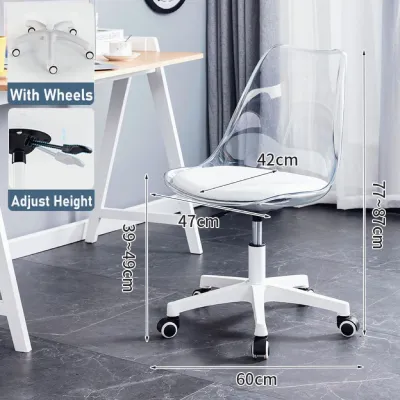
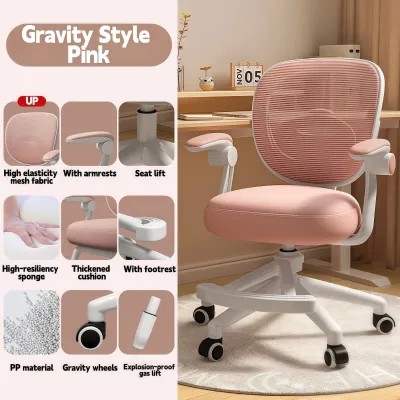
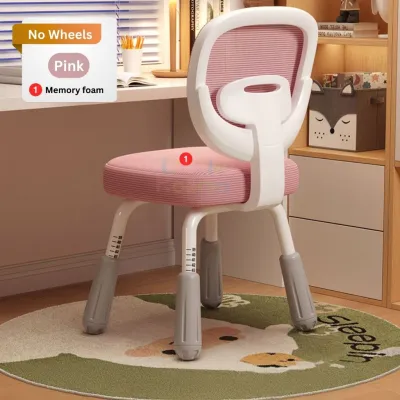
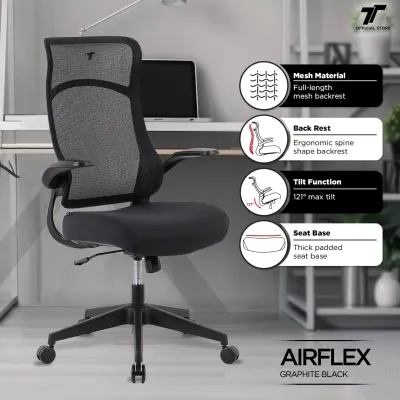

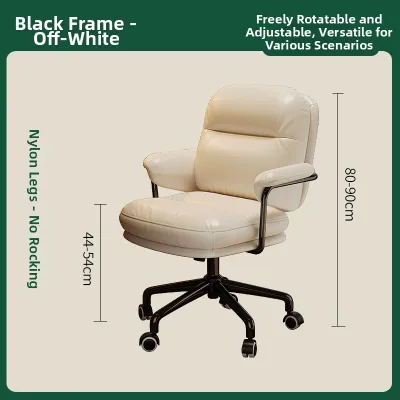
Prices are valid at publication and may change. Please refer to the product page for the latest price.
Ergonomic support is the foundation of any good study chair. A high-value model should offer adjustable seat height, lumbar support, and armrests to accommodate different body types and desk heights. Without these adjustments, you may find yourself slouching or straining your shoulders, which can lead to discomfort during long study sessions. Look for brands that provide clear specifications regarding the range of these adjustments, allowing you to verify if the chair can be tailored to your specific physical dimensions.
Material longevity is particularly crucial in Singapore’s tropical climate. High humidity can accelerate the degradation of low-quality synthetic leathers, leading to peeling and cracking within a few years. Similarly, cheap foam cushions can lose their density and sag, reducing support. Breathable mesh backrests are highly favored locally because they promote airflow, keeping you cool without relying constantly on air conditioning. When evaluating brands, check whether they use high-tensile mesh that resists stretching and molded foam that retains its shape under daily use.
Base stability and mechanical components form the backbone of a swivel chair. The gas lift cylinder, the five-star base, and the caster wheels bear your full weight and experience constant friction. High-value brands invest in certified components that ensure smooth swiveling and height adjustments over years of operation. Rather than relying on generic brand reputation, the smartest approach is to evaluate these physical specifications against your daily study duration and budget.
Comparing Swivel Chair Tiers for Home Study Needs
The Singapore market offers a wide array of swivel study chairs, which can generally be categorized into three distinct tiers based on price, features, and intended usage. Understanding these tiers helps you align your expectations with your budget, ensuring you do not overspend on unnecessary features or underspend on a chair that fails to support your daily routine.

Entry-level options, typically priced under S$150, are widely available from budget furniture retailers and online marketplaces. These chairs generally feature basic pneumatic height adjustment, fixed armrests, and standard nylon casters. While they are highly affordable and compact, they often lack dedicated lumbar support and advanced tilt mechanisms. These models are best suited for short, intermittent study sessions of one to two hours daily, or for secondary study spaces where intensive ergonomic support is not a primary requirement.
Mid-range ergonomic models, usually ranging from S$150 to S$500, represent the sweet spot for many students and home professionals. Brands in this tier focus heavily on adjustable features, offering dedicated lumbar support that can be moved vertically or depth-wise, adjustable armrests, and tilt-tension control. The materials in this category often include durable polyester mesh and high-density molded foam. If you spend four to six hours a day at your desk, a mid-range chair provides the necessary adjustability to maintain good posture without a premium price tag.
Premium ergonomic brands, which typically start above S$500 and can exceed S$1,000, are engineered for intensive, long-hour use. These manufacturers utilize advanced materials, such as self-adjusting elastomeric mesh, synchronized tilt mechanisms that mimic the body’s natural pivot points, and highly customizable armrests. They also tend to offer extensive warranties covering both the frame and moving parts. If you study or work for eight or more hours daily and view your chair as a long-term investment in your physical health, verifying these premium features against your actual usage can justify the higher upfront cost.
To make the right choice, use a simple decision framework. Opt for an entry-level model if your study space is highly constrained and your daily usage is minimal. Step up to a mid-range model if you require balanced, everyday comfort for standard study sessions. Only invest in a premium model if your daily sitting hours are exceptionally high and you require specialized ergonomic adjustments backed by a long-term manufacturer warranty.
How to Verify Build Quality and Comfort Before Buying
Whether you are browsing options in a physical showroom in Singapore or comparing specifications on an ecommerce platform, verifying build quality is essential to avoid buyer’s remorse. Marketing photos can make different chairs look remarkably similar, but a close inspection of the components and policies will reveal their true value and durability.
First, inspect the gas lift cylinder, which is the pressurized chamber responsible for height adjustment. This is a critical safety and functional component. Look for recognized safety certification marks, such as BIFMA (Bifma International) or TÜV LGA, on the product label or within the manufacturer’s official documentation. A certified Class 3 or Class 4 gas lift indicates that the cylinder has undergone rigorous pressure and durability testing, ensuring it can safely support daily adjustments over several years.
Next, evaluate the structural stability of the chair’s base and connections. A reliable swivel chair should feature a robust five-star base made of reinforced nylon, aluminum, or steel. When testing a chair in person, sit down and gently rock from side to side; there should be minimal wobble or creaking at the joints. Check the armrests and backrest connections to ensure they feel solid and do not flex excessively under pressure. If shopping online, look for detailed user reviews or specifications that detail the base material and joint construction.
You must also review the manufacturer’s stated weight capacity limits and material care instructions. Ensure the chair’s weight rating comfortably exceeds your actual weight to prevent premature wear on the mechanical parts. Additionally, check the care labels; some mesh materials require specific cleaning methods, while certain fabric seats may benefit from water-resistant treatments. Matching these requirements to your lifestyle ensures the chair remains in good condition.
Finaly, always confirm the retailer’s policies before finalizing your purchase. Check the return policy and whether they offer a home trial period, which is incredibly valuable for assessing comfort over a full day of study. Verify the assembly requirements as well; some brands deliver chairs fully assembled, while others require self-assembly with included tools. Understanding these logistics helps you avoid unexpected hassle or additional assembly fees.
Space and Setup Considerations for Singapore Homes
Selecting a high-quality swivel study chair is only half the battle; it must also fit seamlessly into your specific home environment. Singaporean homes, particularly HDB flats and condominiums, often require careful space planning to ensure that furniture does not obstruct walkways or make a room feel cramped.
Begin by measuring your desk clearance. You need to ensure that the chair’s armrests can slide smoothly underneath your work surface when the chair is not in use. Measure the height from the floor to the underside of your desk drawer or tabletop, and compare this with the chair’s maximum seat height and armrest height. If the armrests are adjustable, verify their lowest setting to ensure they can be tucked away, allowing you to sit close enough to your desk to maintain a comfortable typing posture.
Next, calculate the floor clearance required for the chair to operate safely. A swivel chair needs room not just to sit, but to rotate 360 degrees and roll backward when you stand up. Ensure there is a clear radius behind your desk that is free from obstructions like beds, wardrobes, or low shelves. Having to constantly lift or awkwardly maneuver your chair because of tight quarters can damage both the chair and your surrounding furniture.
The type of flooring in your study area dictates the kind of caster wheels you should use. Most standard swivel chairs come equipped with hard nylon casters, which are ideal for carpeted floors but can easily scratch and scuff hard surfaces like vinyl, parquet, or homogenous tiles common in Singapore homes. To protect your floors and reduce rolling noise, look for brands that offer soft polyurethane or rubber casters. Alternatively, you can purchase aftermarket caster wheels designed specifically for hard floors, or use a protective chair mat to safeguard your flooring.
Frequently Asked Questions (FAQ)
How do I clean and maintain the swivel base and casters?
To keep your study chair swivel mechanism rolling smoothly, perform basic maintenance every few months. Hair, dust, and fiber debris frequently wrap around the caster axles, causing friction and resistance. You can remove these obstructions using a simple tool like a utility knife or tweezers to carefully cut away tangled debris. Once clear, wipe down the five-star base and the exterior of the casters with a damp microfiber cloth, using a mild detergent if the manufacturer’s material label permits. If you notice the swivel mechanism grinding, sticking, or making unusual noises despite cleaning, avoid applying household lubricants like WD-40 directly to the internal bearings unless specified by the manufacturer. Instead, consult the retailer or brand service center for appropriate replacement parts or maintenance advice.
What should I look for in a chair warranty?
When reviewing a study chair warranty, it is important to distinguish between the coverage periods for different components. Manufacturers often offer long warranties on the structural frame, but much shorter coverage for moving parts such as the gas lift cylinder, caster wheels, and tilt mechanism. Carefully read the terms to identify conditions that could void your warranty, such as exceeding the stated weight capacity, making unauthorized modifications, or using a residential chair in a commercial setting. Finally, verify the exact process for claiming repairs or replacements. High-value brands typically have local service centers in Singapore, making it much easier to drop off components or arrange for a technician to handle repairs without incurring high shipping fees.

Community discussion
Share your experience or ask a question. Comments are reviewed before publication.