
Selecting a swivel chair sofa that delivers genuine comfort and long-term ergonomic support requires looking past brand names and aesthetic appeal. Because comfort is highly subjective, the ideal model depends on how its internal construction, mechanical adjustments, and physical dimensions align with your body type and daily habits. Comparing these structural elements systematically allows you to make an informed decision that protects your posture and enhances your living space.
To find the right fit, you must evaluate how the cushioning materials, adjustable joints, and rotating bases are engineered. Rather than relying on marketing claims, focusing on verifiable physical specifications and testing methods will ensure your investment provides lasting relaxation and physical support.
Core Comfort Dimensions to Compare Across Brands
Evaluating the seat cushion construction is the first step in comparing different swivel chair sofa models. High-resiliency (HR) foam and pocket springs are the two primary support systems used in quality seating. High-resiliency foam offers consistent, firm support that distributes body weight evenly, reducing pressure points across your hips and thighs. Pocket springs, which consist of individually wrapped coils, provide a more responsive, localized bounce that contours to your body shape. When comparing models, check the density rating of the foam; higher density typically correlates with better shape retention and resistance to sagging over years of use.
Products mentioned in this guide
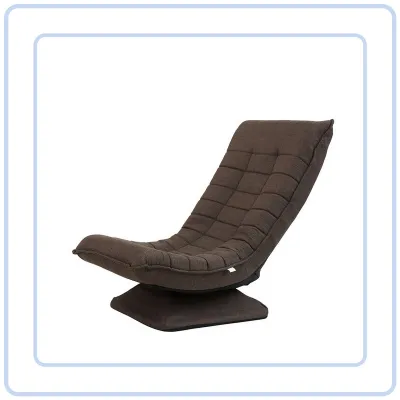
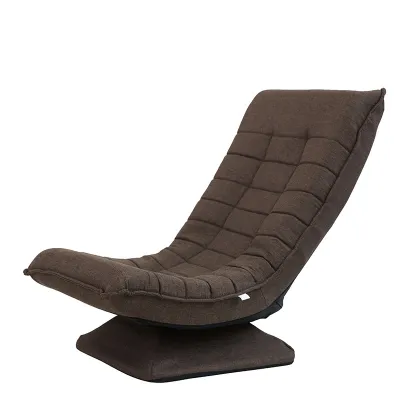
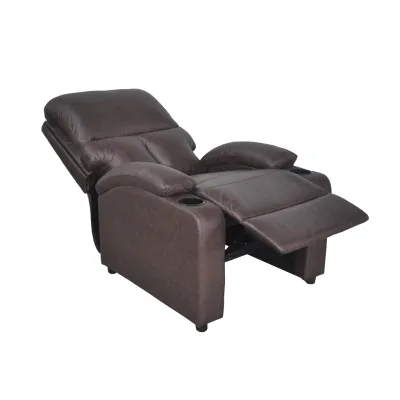
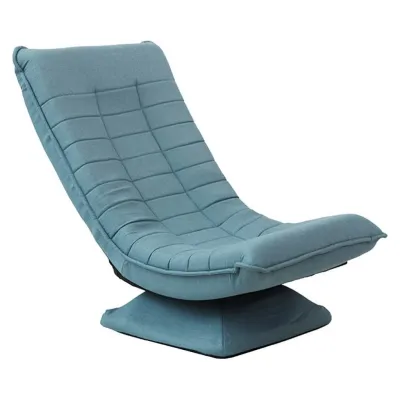
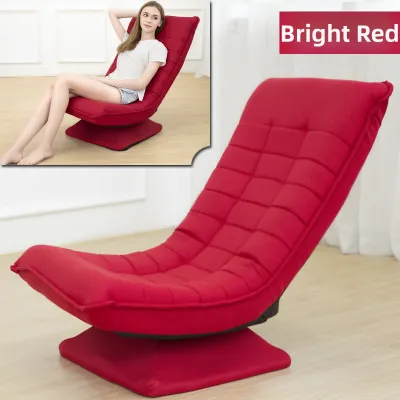
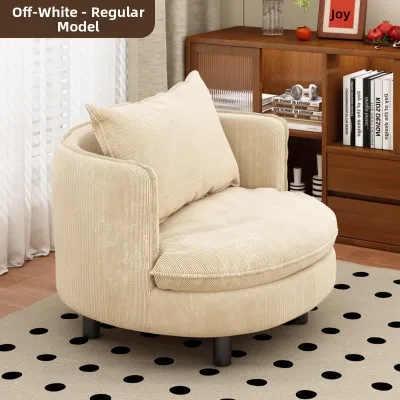
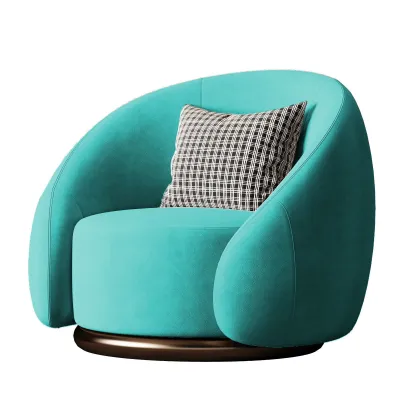
Prices are valid at publication and may change. Please refer to the product page for the latest price.
Seat depth is another critical factor that directly impacts your sitting posture. A seat that is too deep forces you to slouch to find back support, straining your lumbar spine, while a seat that is too shallow leaves your thighs unsupported, increasing pressure on your sit bones. To verify the fit, sit fully back against the backrest. There should be a small gap—roughly the width of two to three fingers—between the back of your knees and the front edge of the seat cushion.
Backrest contouring and built-in lumbar support are essential for maintaining the natural S-curve of your spine. Look for models with segmented cushioning that mirrors the thoracic and lumbar regions. Some premium swivel recliners feature adjustable lumbar support systems that allow you to increase or decrease the firmness in the lower back area via a manual dial or an electronic control, preventing the lower back from flattening during extended sitting sessions.
Upholstery choice directly impacts comfort, especially during long lounging sessions. In warm, humid climates like Singapore, heat dissipation is a primary concern. Top-grain leather offers natural breathability and conforms to body temperature over time, but it requires regular conditioning to prevent cracking. High-quality woven fabrics provide excellent airflow and a cozy texture, though they may require protective treatments to resist stains. Synthetic leathers are easy to clean but can trap heat, making them less comfortable for long periods without air conditioning. Always check the manufacturer’s care instructions and fabric rub-test ratings to assess long-term wear resistance.
Ergonomic Adjustments for Different Body Types
An ergonomic swivel chair sofa must adapt to different body proportions to prevent muscle strain. Headrest and neck support adjustability is particularly important for households with multiple users of varying heights. A fixed headrest that sits too low can push a taller person’s shoulders forward, while one that is too high provides no support for a shorter user. Look for models with articulating headrests that tilt forward and backward, allowing you to maintain a comfortable line of sight to a television screen or book while fully reclined.

Footrest design and leg support angles are equally vital. The footrest should extend seamlessly from the seat cushion without leaving a wide, unsupported gap under your knees or calves. For taller individuals, look for models that offer extended footrest options to prevent the feet from hanging awkwardly off the edge, which can cause pressure build-up in the lower legs. The angle of the footrest when fully extended should support a relaxed, slightly bent knee position rather than locking the joints straight.
Recline mechanisms rely on either manual tension or motorized controls. Manual tension controls, usually located underneath the seat or integrated into a side lever, allow you to adjust the resistance of the backrest based on your body weight. If the tension is too loose, the chair may recline too quickly, causing a jarring sensation; if it is too tight, you will constantly struggle to maintain a reclined position. Motorized models offer precise, incremental adjustments at the touch of a button, though they require proximity to an electrical outlet. Always verify the manufacturer’s specified weight capacity to ensure the internal gears and motor operate within safe limits.
Swivel Base Stability and Spatial Clearances
The rotating base is what distinguishes a swivel chair sofa from a traditional recliner, but it also introduces unique structural demands. A stable base footprint is essential to prevent tipping, especially when the chair is fully reclined and the center of gravity shifts backward. Look for heavy-duty steel or solid wood disc bases, or wide five-star pedestal bases. The wider the diameter of the base relative to the seat width, the more stable the chair will remain during sudden movements.
The swivel mechanism itself should operate silently and smoothly. High-quality models utilize sealed ball-bearing systems that minimize friction and eliminate squeaking. Some bases feature a 360-degree free rotation, while others include a tension brake or a limited rotation angle to prevent power cords from twisting or tangling. An auto-return mechanism, which gently rotates the chair back to its forward-facing position when you stand up, is a convenient feature that keeps your living room looking tidy.
Spatial clearance is a critical practical consideration that is easily overlooked. Traditional recliners require significant clearance behind the backrest to fully recline, often forcing you to place the chair far from the wall. “Wall-hugger” or “zero-wall” designs slide forward as they recline, requiring only a few centimeters of rear clearance. Additionally, you must calculate the full 360-degree rotational clearance to ensure the footrest or headrest does not strike nearby side tables, lamps, or walls. Before purchasing, measure your doorways, hallways, and lift dimensions to guarantee the delivery team can safely transport the fully assembled frame into your home.
Decision Framework: Matching Features to Your Lounging Habits
To narrow down your options, match the structural features of the swivel chair sofa to your primary lounging habits. If your main activities include reading, working on a laptop, or socializing, prioritize models with firm, high-density foam cushions, pronounced lumbar support, and an upright tilt lock. These features keep your pelvis neutral and prevent slouching during active sitting.
If your primary goal is relaxation, watching movies, or napping, look for models with deep seating, plush pocket-spring cushioning, and a zero-gravity recline function. Zero-gravity positioning elevates your legs slightly above your heart level, which helps distribute your body weight evenly and reduces pressure on your spine.
For individuals with specific physical needs, such as chronic back pain, limited mobility, or strict space constraints, a careful review of manufacturer specifications is essential. Power-lift swivel recliners, which gently tilt forward to assist you in standing up, can be highly beneficial for those with limited lower-body strength. Always consult a medical professional or physical therapist to determine which ergonomic features will best support your specific health requirements before making a final selection.
Frequently Asked Questions (FAQ)
How do I test a swivel chair sofa for long-term comfort in a showroom?
To conduct an effective showroom test, spend at least 15 to 20 minutes sitting in the chair in various positions. Do not just sit upright; fully extend the footrest, recline the backrest, and rotate the chair completely. Pay attention to whether your lower back feels supported without a gap behind your pelvis. Check if your feet rest flat on the floor when the chair is upright, and listen closely for any squeaks, clicks, or resistance in the swivel mechanism. Finally, test how easy it is to exit the chair; you should not feel like you are struggling to climb out of deep, unsupportive cushioning.
What maintenance is required for the swivel and recline mechanisms?
Keeping the mechanical components of your swivel chair sofa in top condition requires minimal but regular maintenance. Every few months, vacuum around the base and the internal reclining tracks to remove dust, pet hair, and debris that can clog the gears. Periodically inspect the underside of the chair to ensure all bolts, screws, and mounting brackets remain tight. If the mechanism begins to squeak or feel stiff, refer to the manufacturer’s guidelines before applying any lubricant; using the wrong type of oil or grease can attract dust and damage nylon bushings. Never exceed the specified weight limit, as overloading can warp the steel frame and permanently misalign the swivel bearings.
Community discussion
Share your experience or ask a question. Comments are reviewed before publication.