
Finding the ideal study chair cover for your home office is not about chasing a single “best brand” label. Because home office chairs vary wildly in shape, size, and adjustment mechanisms, a cover that fits a streamlined task chair perfectly will likely rip or bunch up when stretched over a bulky ergonomic chair. The right choice depends on matching your specific chair’s physical dimensions with the correct fabric composition, weave density, and securing mechanisms.
In Singapore’s warm and humid climate, a study chair cover serves a dual purpose. It protects expensive office furniture from sweat, skin oils, and accidental spills, and it can breathe new life into an older chair whose polyurethane (PU) leather has begun to peel. To find a cover that delivers both a snug fit and long-term durability, you must look past generic marketing claims and evaluate specific material weights, elastane percentages, and seam constructions.
Core Comparison Dimensions for Chair Covers
When comparing different study chair cover options on online marketplaces or specialty furniture sites, you will encounter a massive variety of materials and designs. To make an objective comparison, evaluate them across four primary dimensions.
Products mentioned in this guide
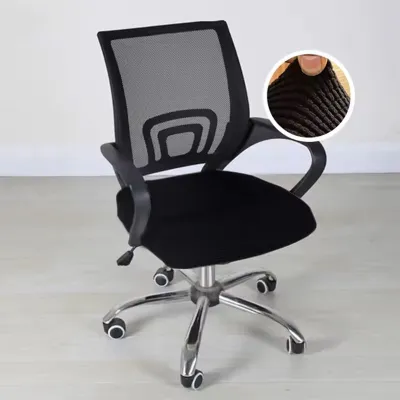
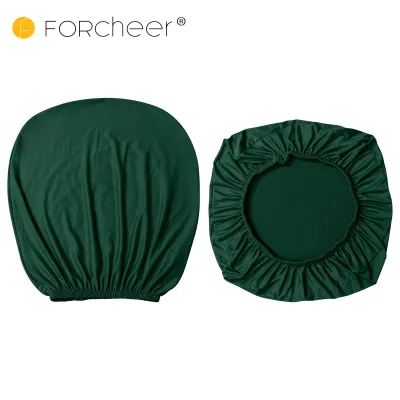
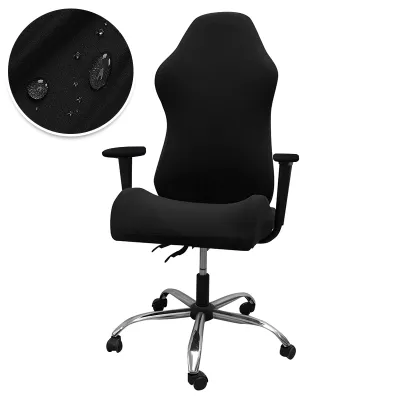
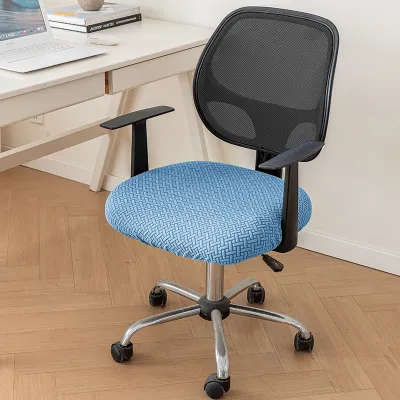
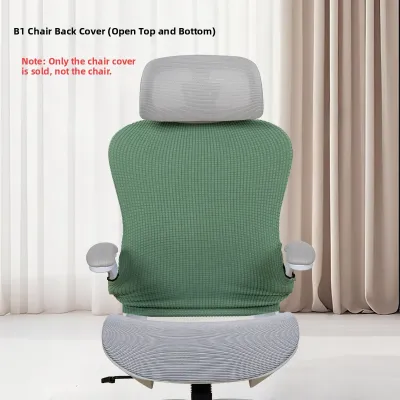
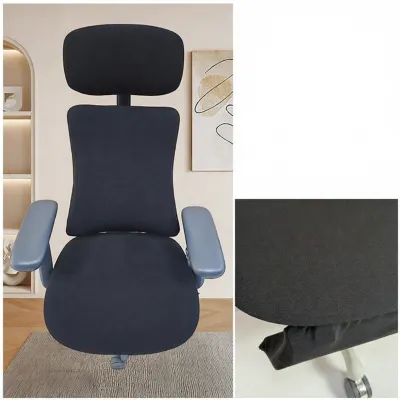
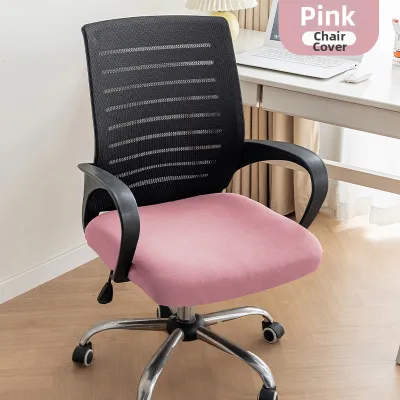
Prices are valid at publication and may change. Please refer to the product page for the latest price.
Fit and Elasticity
Chair covers generally fall into two categories: universal stretch covers and tailored slipcovers. Universal stretch covers rely on synthetic elastic fibers like spandex (elastane) to stretch and conform to the contours of your chair. This elasticity allows a single cover design to accommodate various backrest curves and seat depths.
When evaluating stretch covers, pay close attention to the seam placement. The seams should align naturally with the edges of your chair’s frame. If a cover is stretched too tightly across a deep curve, it can create a “bridging” effect where the fabric cuts straight across the gap, leaving an unsightly air space and putting immense tension on the seams. Tailored slipcovers, usually made from woven cotton or linen, offer a structured, classic look but require highly precise chair dimensions, as they have zero stretch recovery.
Material and Weave Durability
Daily use subjects a study chair cover to constant friction, stretching, and pressure. The durability of the fabric is determined by its fiber composition and weave density.
- Polyester-Spandex Blends: These are the most common materials for stretch covers. Polyester provides excellent tensile strength, wrinkle resistance, and quick-drying properties, while spandex allows the cover to stretch. However, low-grade polyester is highly prone to pilling—the formation of tiny, unsightly balls of fiber on the surface—due to friction from your clothing.
- Cotton-Canvas and Duck Fabrics: These heavy-duty woven fabrics are incredibly resistant to tears and punctures, making them excellent if you have pets. However, they lack elasticity and are prone to shrinking if washed in hot water.
- Velvet and Plush Synthetics: These fabrics offer a soft, luxurious texture and are surprisingly durable due to their dense pile. The short, thick fibers resist snagging, but they can trap significant amounts of dust and pet hair.
While commercial-grade upholstery fabrics are rated using the Wyzenbeek double-rub test, residential chair covers rarely publish these test results. Instead, look for the fabric weight, which is expressed in grams per square meter (GSM). A higher GSM (such as 240 GSM or above) indicates a thicker, more tightly woven fabric that will withstand daily friction far better than a thin, translucent 120 GSM cover.
Breathability and Climate Suitability
For home offices in Singapore, climate suitability is a critical comfort factor. If you work in a room that relies on natural ventilation or a ceiling fan rather than continuous air conditioning, a non-breathable synthetic cover will trap body heat and moisture. This leads to a sticky, uncomfortable seating experience and can accelerate the degradation of the underlying chair cushion.
To maximize airflow, look for covers featuring a waffle-knit or jacquard texture. These textured weaves create tiny air pockets between your body and the fabric, promoting ventilation. Alternatively, seek out cotton-rich blends that offer natural moisture absorption and breathability, keeping you cool during long study or work sessions.
Maintenance and Washability
Because study chair covers absorb sweat, skin oils, and dust, they require regular laundering. A durable cover must withstand frequent machine washing without losing its shape, fading, or shrinking.
When synthetic elastic fibers are exposed to high heat, the elastane degrades, causing the cover to lose its snap-back recovery and sag over time. Therefore, verify that the cover can be washed in cold water and air-dried. Avoid covers that require dry cleaning or those with delicate decorative elements that might tear in a standard washing machine cycle.
How to Measure and Verify the Perfect Fit
To avoid the hassle of returns, take precise physical measurements of your home office chair before purchasing any cover. Do not rely on generic size labels like “Medium” or “Large,” as sizing standards vary significantly between manufacturers.

Identifying Your Chair Type
First, identify the structural category of your study chair, as this dictates the type of cover you need:
- Standard Task Chairs: These typically feature a separate backrest and seat pan. They are best served by two-piece cover sets, which allow you to adjust the backrest height and tilt mechanisms independently without stretching the fabric.
- High-Back Executive Chairs: These have a tall, continuous backrest that is permanently joined to the seat. They require a large, single-piece cover, often featuring side zippers to make installation over wide shoulders easier.
- Ergonomic Mesh Chairs: These chairs have pronounced, suspended frames and complex lumbar support curves. Standard slipcovers can flatten these ergonomic contours or slip off the slick plastic frame. They require highly elastic covers with adjustable securing straps that run underneath the seat pan to maintain the chair's ergonomic profile.
Taking Accurate Measurements
Using a flexible sewing tape measure, record the following dimensions of your chair:
- Backrest Height: Measure from the top edge of the backrest down to the point where it meets the seat cushion.
- Backrest Width: Measure across the widest part of the backrest, which is typically near the shoulder area or the lower lumbar region.
- Seat Cushion Depth: Measure from the very front edge of the seat pan (the waterfall edge) to the rear joint where it meets the backrest.
- Seat Cushion Width: Measure across the widest part of the seat cushion from left to right.
- Seat Cushion Thickness: Measure the vertical height of the seat cushion padding, as thick cushions require extra fabric depth to cover the sides fully.
- Armrest Dimensions: If you plan to cover the armrests, measure their length, width, and maximum thickness.
Checking Manufacturer Specifications
Compare your recorded measurements against the brand’s detailed size chart. If your chair’s dimensions fall at the absolute maximum limit of a size range, always opt for the next size up. Stretching a cover to its absolute limit puts constant tension on the fabric and seams, which drastically reduces its lifespan and can cause the fabric to become semi-transparent.
Evaluating Attachment Mechanisms
How a cover attaches to your chair determines whether it stays in place or slides around every time you shift your weight. Look for these securing features:
- Thick Elastic Hems: A robust, sewn-in elastic band around the bottom edge of the cover is essential to grip the underside of the seat pan.
- Under-Seat Tie Straps: Adjustable straps that clip or tie together underneath the seat cushion provide excellent stability, preventing the cover from sliding forward when you stand up.
- Zipper Closures: High-back covers should feature heavy-duty, hidden plastic zippers on the sides. Plastic zippers are preferred over metal ones, as they will not scratch the chair's plastic or metal frame.
- Hook-and-Loop Fasteners: These are highly useful for securing armrest covers or routing straps around complex frame joints and adjustable lumbar supports.
Evaluating Material Durability for Daily Use
To ensure your chosen study chair cover lasts through years of daily use, learn to read product labels and inspect physical characteristics for quality.
Reading Fabric Composition Labels
For a stretch cover, look for a fabric composition that balances strength and elasticity. An ideal blend consists of 85% to 92% polyester and 8% to 15% elastane (spandex).
If the elastane content is below 5%, the cover will quickly lose its recovery strength, leading to permanent sagging and wrinkles after just a few weeks of use. If you prefer natural fibers, look for cotton-polyester-spandex blends, which offer the breathability of cotton combined with the durability and stretch of synthetic fibers.
Assessing Stitching and Edge Finishing
If you are able to inspect the cover physically, or upon receiving your delivery, turn the cover inside out to inspect the construction quality. Look for overlock (serged) stitching along all raw fabric edges. This stitching technique wraps thread around the edge of the fabric to prevent fraying during washing.
Check the high-tension zones, such as the corners where the backrest meets the seat cushion. These areas should feature double-stitching or reinforced seam tape. If you see loose threads, skipped stitches, or single-line stitching, the cover is highly susceptible to seam blowouts under the weight of daily seating.
Checking for Protective Treatments
Some premium chair cover brands apply specialized finishes to enhance durability and user comfort. Look for specifications indicating:
- Water and Stain Repellency: A hydrophobic coating causes spilled liquids (like your morning coffee) to bead up on the surface, giving you time to wipe them away before they soak into the cushion.
- Anti-Microbial Treatments: These treatments inhibit the growth of odor-causing bacteria, which is particularly beneficial in humid environments where sweat can quickly lead to musty smells.
Always check the manufacturer’s care instructions to see how these treatments hold up over time. Many chemical coatings degrade after 10 to 20 wash cycles, especially if washed with harsh detergents or fabric softeners.
Observing Wear Indicators
When browsing customer reviews on online marketplaces, look past the initial “out-of-the-box” impressions and search for feedback from users who have owned the cover for six months or longer. Watch out for these common long-term wear indicators:
- Color Transfer: Low-grade dyes can bleed, transferring color onto your clothing or, worse, permanently staining a light-colored original chair upholstery.
- Fabric Thinning: Check if reviews mention the fabric thinning out or developing holes along the front edge of the seat, where friction is highest.
- Elastic Dry Rot: In humid climates, cheap elastic bands can undergo dry rot, becoming brittle, losing their stretch, and leaving white, powdery residue under your chair.
Decision Framework: Choosing the Right Cover for Your Setup
To finalize your decision, match your specific home office setup and personal preferences against this practical framework.
Choose Stretch-Blend Covers If:
- You own an ergonomic chair with complex, curved contours (such as a mesh-backed task chair) and need a tight, wrinkle-free fit that conforms to the lumbar support.
- You want an affordable, easy-to-install option that can be quickly slipped off and tossed into the washing machine.
- Your chair has standard dimensions that easily align with universal size charts.
Choose Heavy-Duty Canvas or Tailored Covers If:
- You share your home workspace with pets, as the thick, tightly woven fibers resist pet claws and prevent punctures.
- You prioritize maximum abrasion resistance and want a cover that will last for years without thinning or pilling.
- Your study chair has simple, boxy dimensions (like a traditional wooden or metal dining-style study chair) that do not require elastic stretching to look neat.
- You want a structured, high-end aesthetic that resembles custom upholstery.
Choose Breathable Mesh or Waffle-Knit Blends If:
- You work long hours in a study room that relies on natural ventilation or ceiling fans, where heat buildup is a constant issue.
- You are prone to sweating and need a fabric that allows maximum airflow and quick moisture evaporation.
- You want to protect a polyurethane (PU) leather chair from sweat, which can accelerate the peeling and cracking of the synthetic leather.
Verify First If:
- Your chair features highly adjustable parts, such as 4D armrests, integrated headrests, or external adjustable lumbar dials. Standard universal covers may block these mechanisms or restrict their movement. In these scenarios, look for specialized two-piece covers or designs with dedicated zipper openings that leave the adjustment tracks clear.
- Your chair is made of genuine leather. Before installing any synthetic cover, check the chair manufacturer's care instructions. Some leather finishes can react with synthetic backing materials or trap moisture, leading to mold growth or finish degradation.
Frequently Asked Questions (FAQ)
Can I use a dining chair cover for my study chair?
Using a dining chair cover on a study or office chair is generally not recommended due to significant structural differences. Dining chairs typically have flat, narrow seats and straight, upright backrests without armrests or adjustment levers. Office chairs, by contrast, feature much wider and deeper seat pans, contoured lumbar supports, and prominent armrest attachments. Attempting to force a dining chair cover onto an office chair will result in a poor fit, restricted mechanical adjustments, and excessive tension that will likely rip the seams.
How often should I wash my study chair cover to maintain its elasticity?
For daily home office use in Singapore’s humid climate, wash your study chair cover every two to four weeks. Regular washing removes accumulated body oils and sweat, which can slowly degrade both synthetic fibers and elastic bands if left unchecked. To preserve the cover’s elasticity, always wash it in cold water (below 30°C) on a gentle cycle using a mild detergent. Avoid fabric softeners, as they leave a chemical coating that ruins both synthetic stretch recovery and moisture-wicking properties. Always air-dry the cover away from direct, harsh sunlight, and never put it in a clothes dryer.
Will a chair cover void my office chair's warranty?
In almost all cases, using a removable fabric cover will not void your office chair’s warranty. However, you must ensure that the cover’s straps, zippers, or excess fabric do not interfere with the chair’s mechanical components, such as the hydraulic gas lift cylinder, tilt tension knobs, or recline lock levers. If a cover gets caught in these moving parts and causes physical damage, that specific mechanical failure may not be covered under warranty. Additionally, if you own a genuine leather chair, check the manufacturer’s care guidelines first, as trapping moisture under a non-breathable cover can damage the leather finish and void the upholstery warranty.

Community discussion
Share your experience or ask a question. Comments are reviewed before publication.