
Finding the right study chair in Singapore is a critical decision for students who spend hours reading, writing, and attending online lectures. The concept of value is highly subjective, as it depends on an individual’s daily study habits, physical space constraints, and budget. A chair that works well for a primary school student doing light homework may not provide sufficient support for a university student preparing for exams.
Value is not merely about finding the lowest price tag on an e-commerce platform. Instead, it represents the balance between ergonomic adjustability, structural durability, and long-term comfort. Investing in a supportive chair can help prevent poor posture and fatigue, making it an essential component of a productive study environment.
In Singapore’s diverse retail market, options range from basic flat-pack furniture to highly specialized ergonomic chairs. Navigating these choices requires understanding what features are truly necessary for your body and workspace. Rather than searching for a single universal winner, students should focus on identifying the specific category of chair that aligns with their daily routine.
Products mentioned in this guide
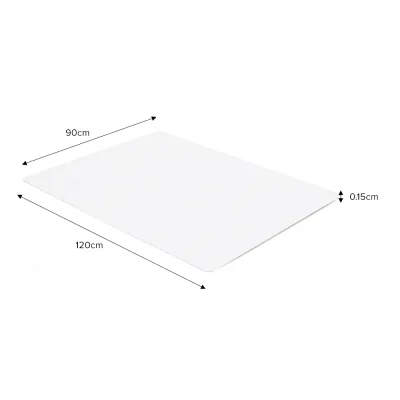
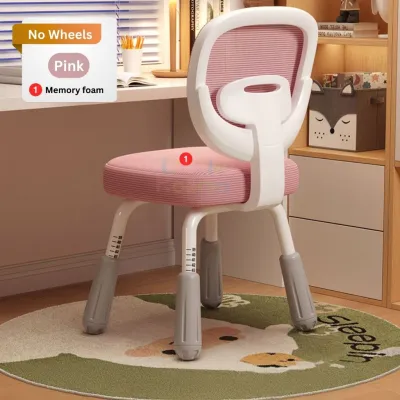
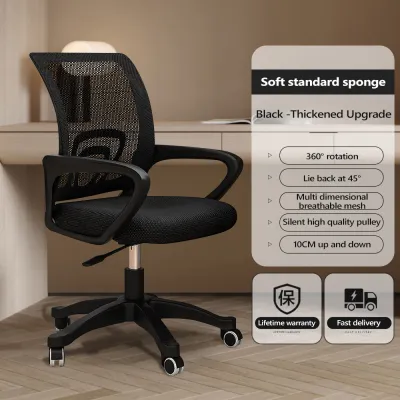
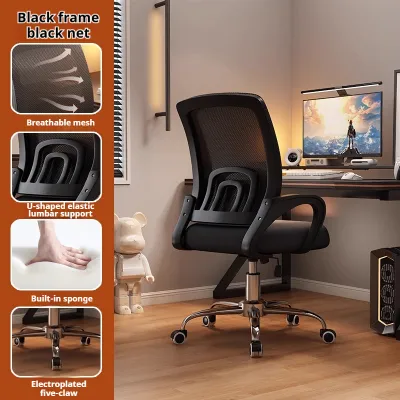
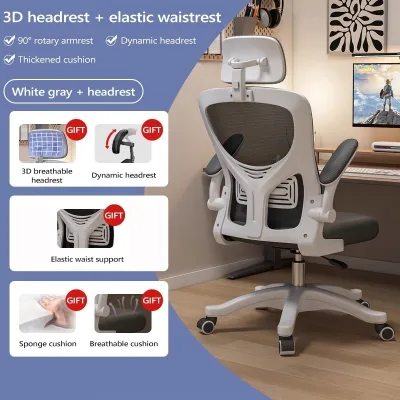

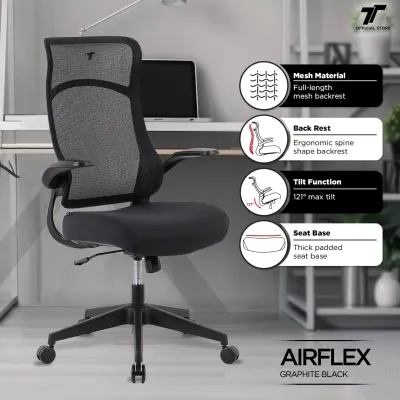
![[SG Ready Stocks] Ergonomic Office Chair - 8.5cm Thick Cushion + Antislip Surface Adjustable Backrest & Detachable Headrest Flip-Up Arms Rocking & Lock Function 15-Min Easy Assemble for Home/Office](https://img.lazcdn.com/g/p/056ecb65b2a442dd9a476ff654362085.jpg_400x400q80.jpg_.webp)
Prices are valid at publication and may change. Please refer to the product page for the latest price.
This guide breaks down the local study chair market into distinct brand categories, highlights the essential specifications you must verify before purchasing, and provides a clear decision framework. By focusing on objective criteria like adjustability, material quality, and dimensions, you can make an informed choice that supports both your academic goals and your physical well-being.
Defining "Best Value" for Student Study Chairs
To evaluate the value of a study chair, you must first understand the core ergonomic features that support a student’s body. The most critical element is adjustable seat height, which allows your feet to rest flat on the floor while keeping your thighs parallel to the ground. This position minimizes pressure on your lower back and promotes healthy blood circulation during long study sessions.
Lumbar support is another essential feature that helps maintain the natural inward curve of your lower spine. Some chairs offer fixed lumbar curves, while others feature adjustable lumbar bands that can be moved vertically or horizontally to match your unique anatomy. Proper lumbar alignment prevents slouching, which is a common cause of neck and shoulder tension.
Desk clearance is equally important for maintaining good posture. If a chair’s armrests are too high or cannot be adjusted downward, they may strike the edge of your desk, preventing you from sitting close enough to your workspace. This gap often forces students to lean forward, straining their back and neck muscles over time.
Durability is a key component of value, as a cheap chair that needs replacement after a year is ultimately more expensive than a durable mid-range option. Look for indicators of robust construction, such as a heavy-duty nylon or steel wheelbase, sturdy frame joints, and high-quality casters. Checking the manufacturer’s stated weight capacity can also give you a reliable indication of the chair’s structural integrity.
In Singapore, price-to-value expectations generally align with three distinct budget tiers. Entry-level options under S$150 typically offer basic seating with minimal adjustability. Mid-range chairs priced between S$150 and S$500 introduce customizable ergonomic features and more durable materials. Premium models exceeding S$500 focus on advanced engineering, dynamic support systems, and extensive warranties.
Comparing Study Chair Brand Categories in Singapore
Singapore’s furniture market offers a wide array of study chairs, ranging from mass-market home retailers to specialized ergonomic brands. Each category serves a different segment of the student population, offering distinct trade-offs between upfront cost, adjustability, and long-term durability.

Mass-market retailers focus on affordability and aesthetic appeal, making them popular choices for quick setups. However, these chairs often lack the advanced adjustability required for extended sitting. Dedicated ergonomic brands, on the other hand, prioritize physical support and customizable components, though they require a larger initial financial investment.
Because product availability, promotional pricing, and stock levels fluctuate, buyers should always verify current details directly with official local retailers. Visiting a physical showroom to test a chair in person is highly recommended to ensure the seat depth and backrest shape suit your body before making a purchase.
Budget and Mass-Market Furniture Brands
Budget and mass-market brands are highly accessible and popular among students with limited space or strict financial constraints. These chairs are commonly found in major home furnishing stores and online marketplaces across Singapore. They typically feature clean, minimalist designs that blend easily into standard bedroom decors.
The standard features in this category include basic pneumatic height adjustment, fixed armrests, and standard foam or simple mesh backrests. While these chairs provide a functional place to sit, their ergonomic adjustments are highly limited. The lumbar support is usually a fixed curve built into the backrest, which may not align correctly with every user’s spine.
Furthermore, the materials used in budget chairs are generally less durable under heavy daily use. The seat foam may compress permanently over time, reducing cushioning, and the plastic components may wear out faster than those on higher-end models. These chairs are best suited for younger students, secondary study areas, or individuals who spend less than two hours a day at their desks.
Mid-Range Ergonomic and Office Brands
Mid-range brands represent the sweet spot for many university students and remote learners in Singapore. These brands focus on delivering essential ergonomic adjustments without the premium price tag associated with executive office chairs. They are designed to support the body through extended periods of academic work.
Typical features in this tier include adjustable lumbar support, multi-directional armrests, tilt tension control, and high-density molded foam or high-tension mesh seats. The ability to adjust the armrests and lumbar height allows students to customize the chair to their specific body measurements and desk height, significantly reducing physical strain.
Additionally, mid-range chairs often utilize breathable mesh backrests, which are highly advantageous in Singapore’s warm and humid climate. The mesh allows air to circulate freely, helping to dissipate body heat during long study sessions. These chairs offer excellent value for students who study for four or more hours daily.
Premium and Specialized Ergonomic Brands
Premium and specialized ergonomic brands cater to users who prioritize maximum adjustability, advanced materials, and long-term durability. These brands invest heavily in research and development to create chairs that dynamically adapt to the user’s movements throughout the day.
Key features of premium chairs include dynamic lumbar tracking systems that automatically adjust as you lean, high-grade elastomeric mesh that retains its tension for years, and highly customizable armrests. These models are often constructed with polished aluminum bases and heavy-duty components, allowing them to support higher weight capacities and withstand intense daily use.
While the upfront cost of a premium chair can be substantial, it is often offset by an extensive manufacturer’s warranty, sometimes covering up to ten or twelve years. This makes them a highly durable investment for families looking for a chair that will support a student from secondary school through university and into their professional career.
Essential Specifications to Verify Before Purchase
Before purchasing a study chair, it is crucial to verify several physical specifications to ensure it fits both your body and your study environment. Start by measuring your study desk. Measure the vertical distance from the floor to the underside of the desk frame, as well as the width between the desk legs to ensure the chair’s base can slide in easily.
Compare your desk measurements with the chair’s seat height range and armrest height. If you prefer to rest your arms on the armrests while typing, ensure the armrests can be adjusted to match the height of your desk surface. If the armrests are fixed, verify that their maximum height is lower than the underside of your desk so the chair can be pushed fully inward when not in use.
Next, check the manufacturer’s recommended user height and weight capacity. A chair that is too large will prevent your back from reaching the lumbar support, while a chair that is too small can cause discomfort and put excessive strain on the adjustment mechanisms. These specifications are typically listed on the product label or the manufacturer’s official website.
You should also consider the materials and care instructions based on your home environment. Mesh backrests are excellent for ventilation but can accumulate dust in the weave, requiring periodic vacuuming. Fabric seats offer a plush feel but are susceptible to stains from spilled drinks, meaning they may require specialized fabric protectors or regular spot cleaning.
Finally, evaluate the assembly requirements and the type of casters provided. Some chairs are delivered fully assembled, while others require manual setup using included tools. Ensure the casters are compatible with your flooring; soft polyurethane casters are recommended for delicate parquet or vinyl floors to prevent scratching, while hard nylon casters are suitable for carpeted areas.
Decision Framework: Choosing the Right Brand Category
To simplify your decision, you can use a conditional framework based on your daily study habits, budget, and physical requirements. This approach ensures you select a chair category that provides the best practical value for your specific situation.
Choose a Budget Brand if your daily study sessions are short, typically under two hours. This category is also ideal if you have highly restricted bedroom space that requires a compact, lightweight chair, or if minimizing your upfront financial outlay is your primary objective.
Choose a Mid-Range Brand if you study for four or more hours daily and require adjustable lumbar support to prevent back fatigue. This tier is the most practical choice for university students who need a durable, highly adjustable chair that balances cost with comprehensive ergonomic features.
Choose a Premium Brand if you spend eight or more hours at your desk daily, have pre-existing back discomfort that requires specialized support, or want a long-term warranty that guarantees the chair’s performance for a decade. This option is best viewed as a long-term investment in your physical health.
Before making your final purchase, always verify if you have any specific medical recommendations from a healthcare professional regarding your posture. Additionally, if your study desk has a non-standard height or a built-in drawer unit, prioritize chairs with highly adjustable armrests and a wide seat-height range to ensure a safe and comfortable fit.
Frequently Asked Questions (FAQ)
How do I know if a study chair will fit under my desk?
To determine if a study chair will fit under your desk, measure the vertical distance from the floor to the lowest point underneath your desk frame. Next, check the chair’s specifications for its maximum armrest height and seat height. If the armrests are fixed, their height must be lower than the underside of your desk to allow the chair to slide fully forward. For adjustable armrests, verify that they can be lowered sufficiently to clear the desk edge.
Are mesh or cushioned seats better for long study sessions?
The choice between mesh and cushioned seats depends on your personal comfort preferences and your study environment. Mesh seats offer excellent breathability, which is highly beneficial in Singapore’s warm climate, but you must check that the mesh tension is firm enough to prevent you from bottoming out against the frame. Cushioned seats provide even pressure distribution and a softer feel, but they can retain body heat over long periods and require regular care to prevent staining and fabric wear.
Community discussion
Share your experience or ask a question. Comments are reviewed before publication.