
Quick Answer: What Defines the Best Value Study Chair?
When setting up a productive home office in Singapore, finding the right study chair is one of the most critical decisions you will make. True value in a chair is not simply a matter of finding the lowest price tag. Instead, the best value represents the optimal intersection of ergonomic support, material longevity in a tropical climate, and a price that fits your household budget.
What constitutes the ideal chair depends entirely on your specific daily usage patterns, physical proportions, and spatial constraints. A chair that is perfect for a student typing for two hours a day may cause severe discomfort for a remote professional sitting for nine hours. Additionally, Singapore’s unique environmental factors, such as high relative humidity, demand careful material selection to prevent premature wear and tear.
To navigate the market, it helps to understand the three primary brand categories available locally:
Products mentioned in this guide
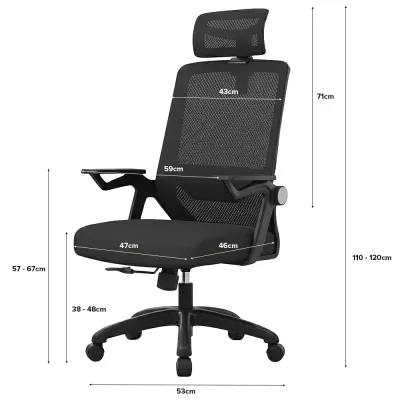
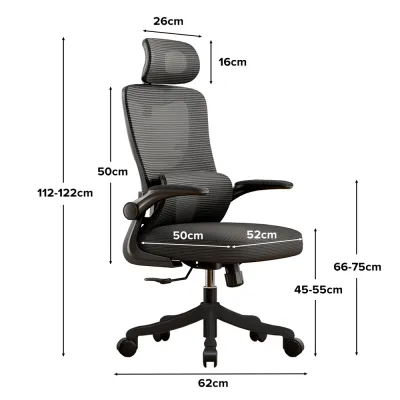
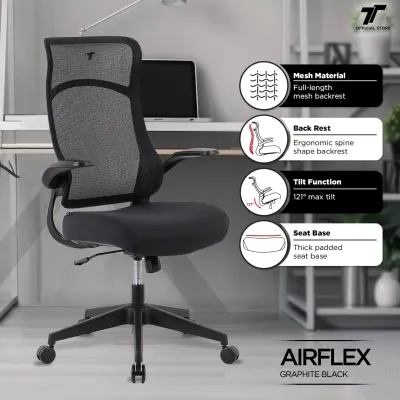
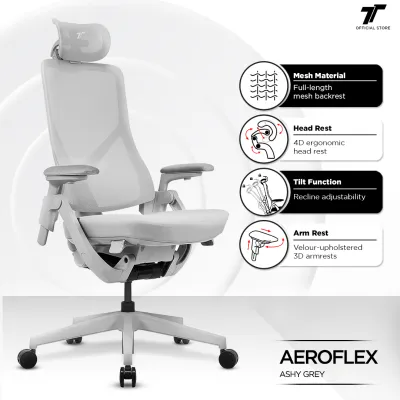
![[SG Ready Stocks] Ergonomic Office Chair - 8.5cm Thick Cushion + Antislip Surface Adjustable Backrest & Detachable Headrest Flip-Up Arms Rocking & Lock Function 15-Min Easy Assemble for Home/Office](https://img.lazcdn.com/g/p/056ecb65b2a442dd9a476ff654362085.jpg_400x400q80.jpg_.webp)
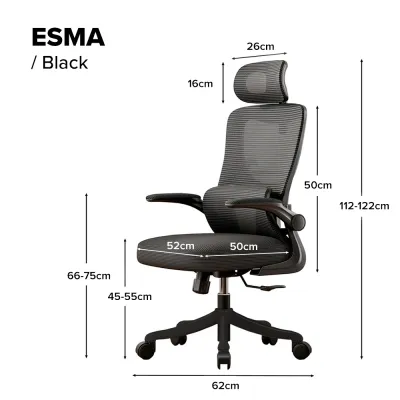

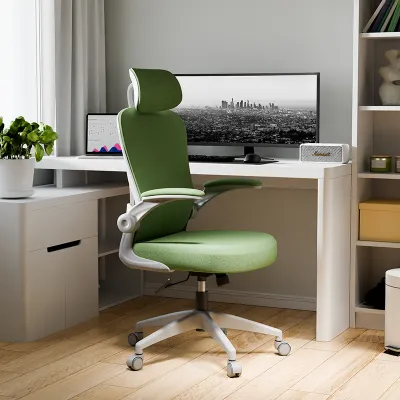
Prices are valid at publication and may change. Please refer to the product page for the latest price.
- Specialized Ergonomic Brands: Regional and international manufacturers focusing entirely on adjustable seating built for long-term spinal health.
- Local and Regional Furniture Retailers: Established Singaporean showrooms offering curated designs that balance modern home aesthetics with dependable utility.
- Global Flat-Pack and Budget Brands: Large-scale mass retailers providing highly accessible, clean-lined designs optimized for compact spaces and lighter usage.
Beyond the initial purchase price, true value must also account for after-sales support and warranty coverage. A cheaper chair that needs to be replaced every year due to a sinking gas lift or sagging foam quickly becomes more expensive than a well-built model backed by a multi-year local warranty.
Comparing Brand Categories Available in Singapore
Navigating the diverse options in Singapore requires understanding what each brand category does best. By identifying the core focus of these categories, you can quickly narrow down your search based on your daily habits and budget.

Specialized Ergonomic Brands
Specialized ergonomic brands design seating specifically for prolonged, intensive use. These manufacturers prioritize anatomical support, utilizing advanced mechanics that allow users to fine-tune almost every element of the chair. You will find highly adjustable lumbar support systems, synchro-tilt mechanisms, and multi-directional armrests designed to reduce muscular fatigue.
In Singapore’s tropical climate, these brands are particularly popular because they extensively feature high-grade elastomeric mesh. This material allows maximum airflow, keeping you cool even in rooms without air conditioning. Furthermore, specialized brands typically offer long-term warranties ranging from 5 to 12 years. While the upfront investment is higher, the cost per year of use is often exceptionally low due to this extended lifespan.
Local and Regional Furniture Retailers
Local and regional furniture retailers offer a compelling middle ground for Singaporean homeowners. These brands curate furniture specifically for local living spaces, meaning their chairs are styled to complement contemporary HDB and condominium interiors. They provide a balanced mid-range pricing structure, making ergonomic seating accessible without premium international shipping markups.
One of the greatest advantages of local retailers is the accessibility of physical showrooms across Singapore. You can visit these locations to sit in the chairs, test the adjustment levers, and feel the materials firsthand before committing. Additionally, because these companies operate local warehouses and customer service teams, scheduling delivery, requesting assembly, or resolving warranty claims is generally straightforward and fast.
Global Flat-Pack and Budget Brands
Global flat-pack brands and budget-focused online manufacturers cater to those who need immediate, cost-effective solutions. These brands excel at minimalist, Scandinavian, or modern designs that integrate seamlessly into multi-purpose rooms. Their chairs feature a compact physical footprint, making them ideal for small study corners or guest bedrooms.
However, these budget-friendly models usually offer limited adjustability, often restricted to basic seat height and a simple tension tilt. The cushioning typically relies on standard polyurethane foam, which can compress permanently under heavy daily use, and the fabrics are often less breathable than premium mesh. Consequently, these chairs are best suited for light use of under four hours a day, or for users working within a strict, short-term budget.
Core Dimensions: Evaluating Study Chair Comfort, Durability, and Climate Fit
To make an objective decision, you must look past marketing buzzwords and evaluate a study chair based on verifiable engineering and material specifications. Focusing on three core dimensions will ensure your selection supports your body and fits your home environment.
Ergonomic Adjustability for Long Sessions
If you sit for six or more hours daily, a highly adjustable chair is essential for preventing chronic back, neck, and shoulder strain. When reviewing product specification sheets, look for these non-negotiable features:
- Adjustable Lumbar Support: The human spine has a natural inward curve. Look for lumbar support that can be adjusted both vertically (to align with your lower back) and in depth (to control the level of pressure).
- Seat Depth Adjustment (Seat Slider): This allows you to slide the seat pan forward or backward. Proper seat depth ensures your thighs are fully supported without the front edge of the seat pressing into the back of your knees, which can restrict blood circulation.
- Multi-Directional Armrests (3D or 4D): Armrests should adjust in height, depth, angle, and sometimes width. This versatility allows you to rest your elbows comfortably while typing, keeping your shoulders relaxed and preventing carpal tunnel strain.
- Synchro-Tilt Mechanism: Unlike simple tilt mechanisms where the backrest and seat tilt at the same angle, a synchro-tilt mechanism reclines the backrest at a 2:1 ratio to the seat. This keeps your feet flat on the floor and maintains proper spinal alignment as you stretch.
Material Durability in a Tropical Climate
Singapore’s persistent heat and high humidity present a harsh environment for furniture materials. The choice of upholstery directly impacts both your daily comfort and the chair’s lifespan:
- Mesh: High-quality elastomeric mesh is the gold standard for tropical climates. It promotes continuous ventilation, preventing sweat buildup. Ensure the mesh is tightly woven and resilient; cheap nylon mesh can feel abrasive against skin and sag over time.
- PU Leather (Polyurethane): While PU leather looks professional and is easy to wipe clean, standard grades are highly susceptible to hydrolysis—a process where humidity breaks down the polyurethane, causing it to crack and peel within one to three years. If you prefer a leather look, verify that the brand uses high-grade, hydrolysis-resistant synthetic leather.
- Fabric: Woven fabric offers a soft, cozy feel, but it easily absorbs sweat, body oils, and ambient moisture. In non-air-conditioned spaces, fabric chairs can develop odors and require regular deep cleaning to prevent dust mite buildup.
- Frame and Base Materials: The structural integrity of the chair relies on its base. Polished aluminum alloy bases offer superior strength, rust resistance, and weight capacity compared to standard nylon bases. Always check the manufacturer's rated load capacity to ensure long-term stability.
Spatial Footprint and Flooring Compatibility
Before purchasing, measure your study area carefully. HDB study rooms and built-in desks often have tight clearances. Ensure the chair’s maximum width (including the armrests and the star base) can slide completely under your desk when not in use. If the chair cannot slide in, you will be forced to sit too far from your desk, leading to forward-leaning posture and neck strain.
Additionally, consider the type of wheels (casters) installed on the chair base. Standard hard nylon casters are designed for carpets; on local hard flooring like vinyl, laminate, or engineered wood, they can leave permanent scratches and create a loud rolling noise. For these surfaces, look for soft polyurethane (PU) or rubberized casters, which glide quietly and protect sensitive floor finishes from wear.
Price Tiers and Value Assessment in SGD
To align your expectations with market realities in Singapore, it is helpful to categorize study chairs into three distinct price brackets. Understanding what each tier offers prevents you from overpaying or buying an inadequate product.
| Price Tier (SGD) | Typical Features | Warranty Length | Best Suited For |
|---|---|---|---|
| Entry-Level (Under S$150) | Basic height adjustment, fixed armrests, standard foam cushion, nylon frame. | 0 to 1 Year | Light, occasional study sessions (under 3 hours/day), temporary setups, or tight budgets. |
| Mid-Range (S$150 to S$500) | Adjustable lumbar, 2D/3D armrests, synchro-tilt, breathable mesh, Class 4 gas lift. | 2 to 5 Years | Daily work-from-home professionals, tertiary students, and general multi-hour use. |
| Premium (S$500 to S$1,500+) | Advanced synchronous mechanisms, 4D armrests, aluminum frame, premium elastomeric mesh. | 5 to 12 Years | Heavy daily use (8+ hours), users prioritizing maximum ergonomic customization and long-term durability. |
When shopping in the entry-level tier, be cautious of ultra-cheap chairs sold on generic online marketplaces that lack clear brand backing. These products often omit independent safety certifications. Reliable office chairs should meet industry standards such as BIFMA (Business and Institutional Furniture Manufacturers Association) or SGS certification, ensuring the pneumatic gas lift and structural joints can safely withstand daily pressure.
When evaluating a chair’s value, read the warranty terms carefully. Some brands advertise a “10-year warranty” but limit full coverage to the steel frame, while offering only one year of coverage for the gas cylinder, caster wheels, and mesh. Always verify whether the brand provides local repair services in Singapore or if they merely ship replacement parts that you must install yourself.
Decision Framework: Which Brand Category Fits Your Home Office?
To finalize your decision, match your personal circumstances against these clear, conditional recommendations:
- Choose Specialized Ergonomic Brands if: You spend eight or more hours a day at your desk, have a budget of S$500 or more, and prioritize long-term spinal health. These brands are ideal if you want a highly adjustable, breathable mesh chair that is backed by a robust, multi-year local warranty, ensuring you will not need to shop for another chair for a decade.
- Choose Local Furniture Retailers if: You have a mid-range budget of S$150 to S$500, want to physically test the chair in a showroom before purchasing, and prefer a design that coordinates beautifully with your home decor. This option is excellent if you value straightforward local delivery, professional assembly services, and accessible local customer support.
- Choose Global Flat-Pack Brands if: You have a strict budget under S$150, use your study space for less than four hours a day, or are furnishing a highly compact room. These chairs are best when aesthetic cohesion, ease of transport, and low upfront costs are more important than advanced ergonomic adjustments.
Verify first if purchasing from online marketplaces: If you decide to purchase a study chair from an online marketplace or e-commerce platform, always check the seller’s return policy and assembly requirements. Read verified buyer reviews specifically looking for mentions of long-term issues, such as squeaking frames, sinking gas lifts, or unstable bases. Confirm whether the seller has a physical service center or contact point in Singapore to handle any potential warranty claims smoothly.
Frequently Asked Questions (FAQ)
How do I test a study chair for comfort before buying online?
When visiting a showroom to test a study chair, do not just sit down for a few seconds. Spend at least 10 to 15 minutes in the chair while simulating your typical working posture. Adjust the seat height so your feet rest flat on the floor with your knees bent at a 90-degree angle.
Check that the seat cushion or mesh pan does not press hard against the back of your knees; there should be a gap of about two to three fingers between the seat edge and your calves. Finally, lean back to test the recline tension, ensuring the chair supports your back smoothly without making you feel like you are tipping over or struggling to push back.
What wheel casters are best for HDB vinyl or laminate flooring?
For HDB flats with vinyl, laminate, or engineered wood flooring, you should use soft polyurethane (PU) or rubberized wheel casters. Standard hard nylon wheels can trap tiny dust particles between the wheel and the floor, grinding them into the surface and leaving permanent grey scratch marks over time. Soft PU casters compress slightly under weight, allowing them to roll quietly and smoothly over hard surfaces without scratching or damaging the floor’s protective top layer.
Is a headrest necessary for a home office study chair?
A headrest is not strictly necessary if you spend most of your time upright, actively typing, writing, or leaning slightly forward, as your head will not naturally make contact with it. However, if your daily routine involves reading long documents, taking frequent video calls, or reclining to rest, an adjustable headrest can significantly reduce neck strain. If you choose a model with a headrest, ensure it is fully adjustable in both height and angle so it supports the natural curve of your neck rather than pushing your head uncomfortably forward.

Community discussion
Share your experience or ask a question. Comments are reviewed before publication.