
Finding the right sintered stone coffee table in Singapore involves looking past marketing buzzwords to evaluate the physical specifications of the slab, the engineering of the supporting base, and the reliability of the retailer’s local services. Because different brands source their materials from various global manufacturers and use different fabrication standards, there is no single “best” brand for every home. Instead, the ideal choice depends on how well a brand’s offerings align with your specific living room layout, aesthetic preferences, and daily usage habits. By focusing on verifiable quality indicators, structural stability, and delivery logistics, you can identify a table that offers genuine long-term value.
Key Criteria for Evaluating Sintered Stone Quality
To assess the quality of a sintered stone coffee table, start by examining the surface finish and texture consistency. Sintered stone is manufactured under extreme heat and pressure, but the visual pattern is applied to the surface. High-quality slabs feature high-definition digital printing that aligns with the physical texture of the slab, creating a realistic depth. Lower-quality alternatives often display pixelation, repetitive patterns, or a flat, artificial sheen. When visiting showrooms, inspect the slab under direct lighting to check for pattern clarity and depth.
Slab thickness is another critical specification that affects both aesthetics and safety. Coffee tables typically use slabs ranging from 6mm to 12mm or more. Thinner slabs (6mm) are often backed by a support board (such as MDF or tempered glass) to distribute weight safely, while thicker slabs (12mm and above) can sometimes stand alone on a robust frame. Edge profiling is another critical safety and aesthetic factor. Look for chamfered, rounded, or bullnose edges rather than sharp, raw cuts, which are more prone to chipping and present safety hazards in high-traffic living areas.
Products mentioned in this guide
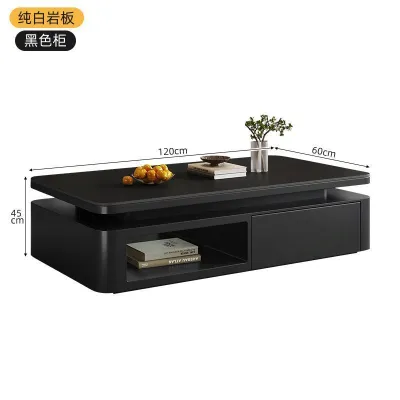
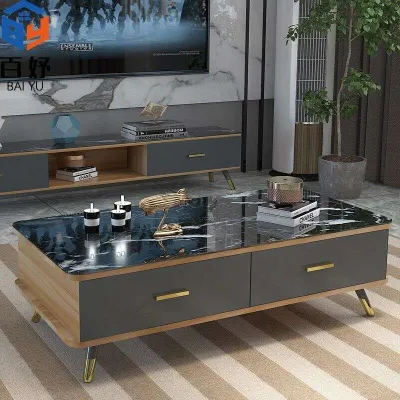
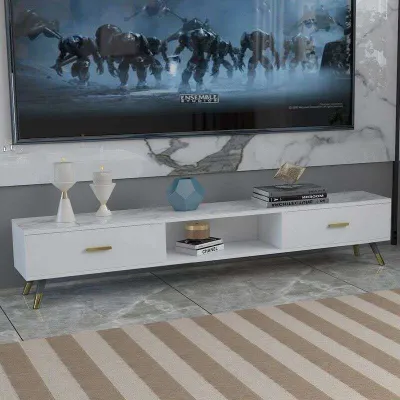

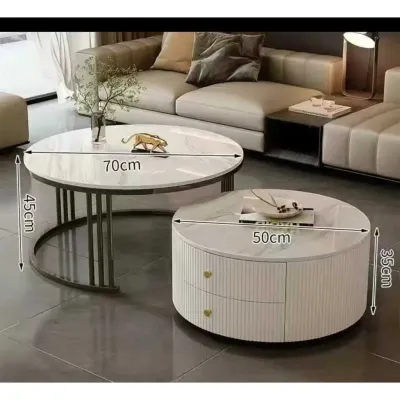
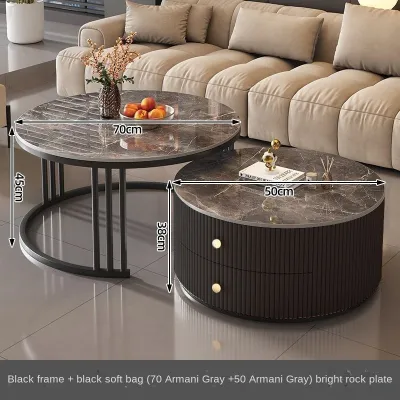
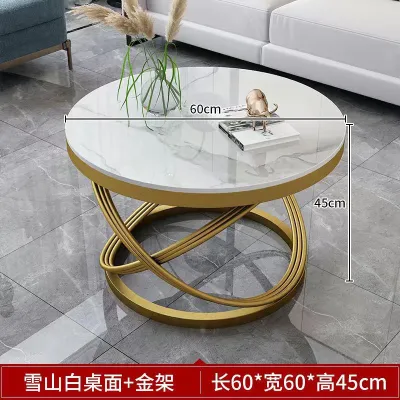
Prices are valid at publication and may change. Please refer to the product page for the latest price.
Common edge profiles include a flat polished edge, a chamfered edge (which features a slight bevel to reduce sharpness), and a full bullnose edge (which is completely rounded). Mitered edges, where two pieces are joined at a 45-degree angle to create the illusion of a thicker slab, require precise craftsmanship; inspect the seams closely to ensure they are tight, smooth, and free of excess adhesive.
While sintered stone is naturally non-porous, you must verify the specific stain resistance of a brand’s product by reviewing their official care labels and warranty terms. Do not assume all finishes behave identically; polished finishes may require different care compared to matte or textured surfaces. Check if the manufacturer’s warranty explicitly covers staining from common household liquids like coffee, tea, or red wine, or if it excludes chemical damage from specific household cleaners.
Assessing Durability and Structural Integrity
The slab is only as reliable as the base supporting it. Evaluate the base material carefully. Common options include powder-coated carbon steel, stainless steel, and solid wood. Inspect the connection points where the sintered stone top meets the frame. High-quality tables use specialized adhesive pads, suction mounts, or integrated screw-in brackets that secure the slab without creating localized stress points that could lead to cracking.

A secure connection is vital. Some manufacturers use a full-surface substrate, gluing the entire underside of the sintered stone to a wooden or glass board, which is then screwed to the metal frame. This method provides excellent support and dampens sound. Other designs use localized brackets or suction cups. When evaluating these, ensure the brackets are made of non-corrosive materials and that the adhesive used is rated for long-term structural bonding.
Weight capacity and stability are paramount, especially in dynamic households. Check the manufacturer’s specified load capacity before purchase. A top-heavy design with a narrow base increases tipping risks. If you have active children or pets, prioritize coffee tables with a low center of gravity, wide leg distribution, and rounded corners. Avoid designs where the stone top simply rests on the frame without secure mechanical or adhesive anchoring.
Impact resistance is a physical limitation of all sintered stone and ceramic materials. While highly scratch-resistant, the edges and corners remain vulnerable to chipping if struck by heavy, hard objects like metal toys or vacuum cleaner attachments. Always follow the manufacturer’s weight limits and usage guidelines. Avoid sitting or standing on the table, and check if the brand offers edge-protection designs or frame-enclosed tops that shield the vulnerable perimeter of the stone.
Navigating Price and Value Across Brands
Understanding cost drivers helps you identify fair value. The price of a sintered stone coffee table in Singapore is primarily driven by slab thickness, the complexity of the edge profile, custom sizing requirements, and the origin of the materials. Imported European slabs fabricated locally often command a premium, whereas pre-fabricated, standard-sized tables imported directly from regional manufacturers offer a more budget-friendly entry point.
When comparing prices, look beyond the initial tag and evaluate the total cost of ownership, including delivery and installation services. In Singapore’s high-density housing landscape, professional delivery is highly recommended. Verify whether the final S$ price includes white-glove delivery, professional assembly, and the disposal of your old furniture. Sintered stone is exceptionally heavy and brittle during transport; professional handling minimizes the risk of transit damage.
Warranty terms are a strong indicator of a brand’s confidence in its product. Carefully read the fine print regarding coverage duration and after-sales support. A robust warranty should cover structural defects, such as frame warping or joint failure, and clarify the process for addressing surface issues. Be aware of exclusions; most warranties do not cover accidental impact chips or damage caused by using unapproved abrasive cleaning agents.
Space, Sizing, and Practical Fit for Your Home
Before committing to a purchase, precise spatial planning is essential. Measure your available floor space and ensure you maintain a comfortable walkway clearance of at least 30 to 45 centimeters between the coffee table and your sofa, as well as surrounding TV consoles or armchairs. This ensures comfortable legroom and easy movement through the living room.
Logistical access is a frequently overlooked bottleneck in Singapore. Sintered stone coffee tables, particularly large rectangular or round designs, can be incredibly heavy and difficult to maneuver. Measure your apartment’s elevator door width, interior height, and weight capacity. If your building requires staircase delivery, check the turning radiuses of the stairwells and the width of your front doorway to ensure the delivery team can safely transport the table without damaging your walls or the product.
The shape of the table also impacts spatial flow, particularly in compact HDB flats or condominiums. Round or oval sintered stone coffee tables eliminate sharp corners, making it easier to navigate tight spaces and reducing the risk of painful bumps. Rectangular or square tables align well with L-shaped sofas but require wider walkways to prevent the space from feeling cramped. Ensure you map out the footprint on your floor using masking tape before purchasing.
Proportion and height are key to both comfort and visual balance. Ideally, the height of your coffee table should match or sit slightly below the seat cushion height of your sofa—typically between 40 and 45 centimeters. A table that is too high or too low disrupts the ergonomics of reaching for items, while a table that is disproportionately large or small can make the entire seating arrangement feel unbalanced.
Decision Framework: Choosing the Right Brand for Your Needs
To narrow down your options, use a conditional decision framework based on your primary purchasing goals. If your living room requires exact dimensions, a specific edge profile, or a highly customized shape to match a unique layout, prioritize brands that specialize in custom fabrication. These brands allow you to select individual slabs and customize the base to your exact specifications, though they typically carry a higher price tag and longer lead times.
If you prioritize physical verification, choose brands with comprehensive local showrooms. This allows you to personally inspect the surface texture, feel the smoothness of the edge profiling, and test the physical stability of the table base by gently shaking it. Seeing the slab under natural and artificial light also ensures the color and veining match your expectations.
For budget-conscious buyers who are satisfied with standard dimensions and classic designs, direct-to-consumer or online-focused furniture brands offer excellent value. By cutting out showroom overheads, these retailers can provide high-quality sintered stone tops on standard metal frames at a lower price point.
Regardless of the path you choose, always verify the brand’s operational support before finalizing your purchase. Confirm that they provide clear assembly instructions, have an accessible local customer service channel, and offer a clear, localized warranty process to handle any issues that may arise post-delivery.
Frequently Asked Questions (FAQ)
Does sintered stone require special sealing or polishing?
Unlike natural stones such as marble or granite, sintered stone is highly non-porous and typically does not require periodic sealing, waxing, or polishing to maintain its appearance. However, you must always verify the specific care instructions provided on the product label. Some polished or textured finishes may have unique maintenance guidelines, and using unapproved acidic or abrasive cleaning agents can dull the surface or void your warranty.
Can I place hot items directly on a sintered stone coffee table?
Sintered stone is manufactured under extreme temperatures, giving it excellent inherent heat resistance. However, to prevent potential thermal shock or localized stress on the underlying support board or adhesive joints, it is highly recommended to check the manufacturer’s specific thermal shock guidelines. As a standard safety precaution, always use trivets, coasters, or heat pads under hot mugs, pots, or dishes to protect the table’s structural integrity over time.
Community discussion
Share your experience or ask a question. Comments are reviewed before publication.