
Finding the most comfortable single recliner sofa in Singapore requires looking beyond brand names and focusing on how a chair supports your unique body shape, fits your living space, and withstands the local tropical climate. While many brands claim to offer the ultimate lounging experience, true comfort is highly subjective and depends on a combination of ergonomic dimensions, mechanism quality, and material selection. To make an informed decision, you must evaluate how different models perform during physical showroom tests and verify their specifications against your home’s layout. By understanding what to look for in terms of support, durability, and space efficiency, you can confidently navigate the market and select a recliner that provides lasting relaxation.
Identifying Ergonomic Features That Define Personal Comfort
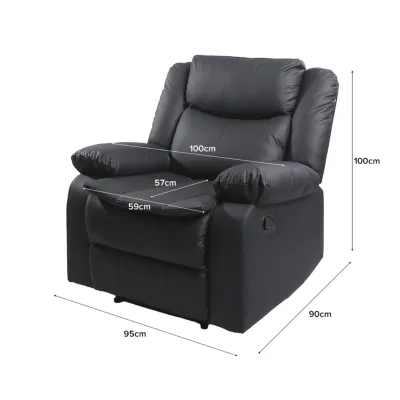
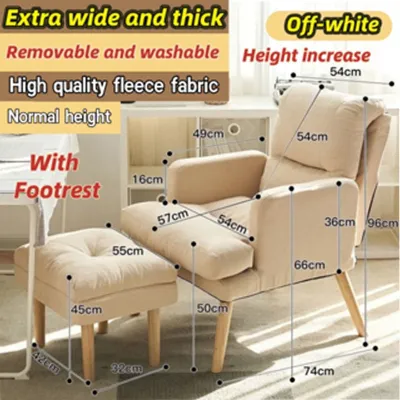
Seat depth and height are critical starting points for ergonomic comfort. When sitting upright, your feet should rest flat on the floor while the back of your knees clear the edge of the seat cushion. A seat that is too deep can cut off circulation behind your knees, while a seat that is too shallow fails to support your thighs adequately. This balance is essential for preventing lower back strain during extended periods of sitting.
Proper spinal alignment relies heavily on the lumbar support and headrest design. Look for a recliner where the lower back cushion fits snugly into the natural curve of your spine without forcing you to slouch. Adjustable headrests are particularly valuable, as they allow you to maintain a comfortable viewing angle for reading or watching television when the chair is fully reclined, preventing neck strain.
Products mentioned in this guide
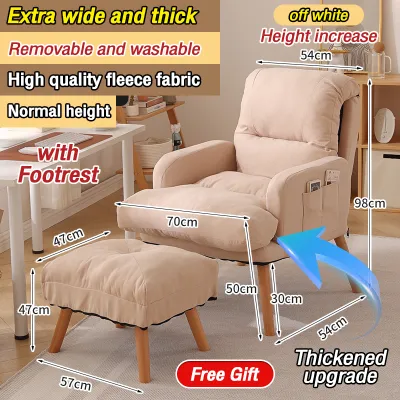
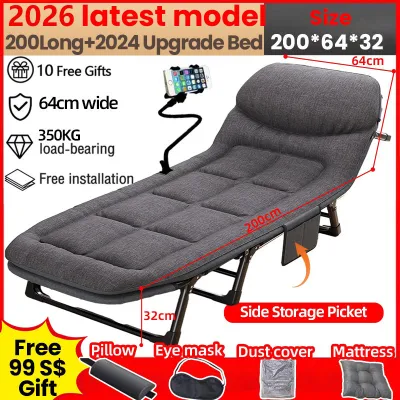
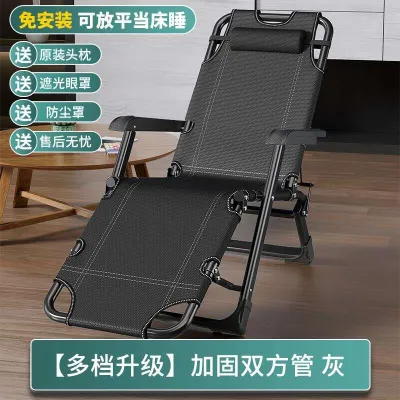
Prices are valid at publication and may change. Please refer to the product page for the latest price.
Armrest dimensions also play a significant role in shoulder and neck relaxation. The armrests should support your elbows naturally without forcing your shoulders upward or causing you to lean to one side. Wider, padded armrests offer a more cushioned feel, but they also increase the overall footprint of the sofa, which is an important trade-off to consider for smaller living rooms.
Comparing Reclining Mechanisms and Structural Build Quality
Reclining mechanisms generally fall into three categories: manual levers, push-back designs, and power systems. Manual levers offer quick operation without electrical cords, while push-back models rely on your body weight to transition, requiring more physical effort. Power recliners provide the most precise control, allowing you to stop the recline at any angle, though they require proximity to an electrical outlet and involve more complex components.

During showroom visits, pay close attention to the stability of the base and the smoothness of the transition. The chair should feel securely anchored to the floor without tipping or wobbling as you shift your weight or extend the footrest. Listen carefully for any squeaking, grinding, or clicking sounds, which can indicate poor alignment or low-quality components in the moving parts.
The longevity of a recliner depends heavily on its internal frame and joint construction. High-quality models typically feature kiln-dried hardwood or reinforced steel frames that resist warping and bending over time. Because these internal components are hidden from view, you should verify the materials by checking the manufacturer’s technical specifications and reviewing the warranty coverage for the frame and mechanism.
Evaluating Cushioning and Upholstery for Tropical Climates
The internal cushioning determines both the initial softness and the long-term support of the sofa. High-resilience foam offers a supportive, bouncy feel that quickly regains its shape, while memory foam contours closely to your body but can retain heat. Pocket spring systems, often used in premium models, provide excellent localized support and help prevent the sagging that can occur with lower-density foams over years of use.
Singapore’s humid climate makes upholstery selection a vital factor for daily comfort. Genuine leather is highly durable and develops a beautiful patina, but it requires regular conditioning and can feel warm if your living room is not air-conditioned. High-performance fabrics and breathable synthetic blends offer a cooler seating surface and are often treated to resist stains, making them practical options for everyday use.
Before finalizing your purchase, always review the manufacturer’s care labels and cleaning instructions. Some delicate fabrics require professional dry cleaning, while others can be spot-cleaned with mild water-based detergents. Understanding these maintenance requirements beforehand ensures you choose a material that fits your lifestyle and cleaning habits without degrading over time.
Measuring Space, Clearance, and Delivery Constraints
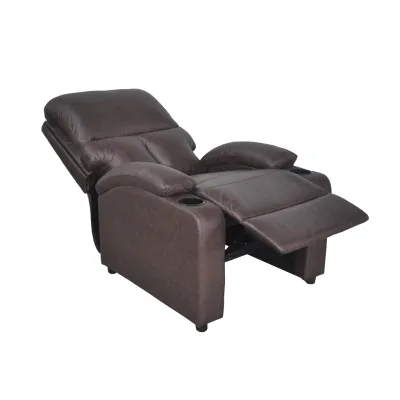
A common mistake is measuring only the upright footprint of the recliner. You must account for the full recline footprint, which includes the extended footrest at the front and the backward tilt of the backrest. Mark these maximum dimensions on your living room floor using masking tape to ensure you still have clear walking paths when the chair is fully extended.
If you are working with a compact living area, look specifically for zero-clearance or wall-hugger designs. These specialized recliners slide forward on their tracks as they recline, requiring only a few centimeters of clearance from the wall behind them. This design maximizes your usable floor space without sacrificing the depth of the recline, making them ideal for modern apartments.
Beyond the room itself, you must verify the delivery path from the building entrance to your living room. Measure the height and width of all doorways, hallways, elevator cabins, and staircase turns to ensure the delivery team can safely maneuver the sofa. Many recliners are shipped with detachable backrests, so ask the retailer about the assembly conditions and packaged dimensions before scheduling delivery.
Testing and Verifying Brand Claims Before Purchase
To truly assess comfort, spend at least fifteen to twenty minutes testing the recliner in the showroom. Sit in various positions, operate the mechanism multiple times, and check for any pressure points along your back, thighs, and shoulders. Do not hesitate to ask the showroom staff about the density of the foam and the specific materials used in the frame.
Carefully read the warranty terms provided by the retailer or brand official store. A robust warranty should offer separate, clearly defined coverage periods for the structural frame, the reclining mechanism, and the electrical motor or power components. Be wary of vague guarantees that do not specify which parts are covered or who handles the labor costs for repairs.
Finally, confirm the retailer’s return policies, estimated delivery timelines, and after-sales support services. Ask whether they offer home installation, how they handle potential manufacturing defects upon delivery, and what fees apply if you need to return or exchange the item. Securing these details in writing protects your investment and ensures a smooth purchasing experience.
Frequently Asked Questions (FAQ)
Can I reupholster a single recliner sofa if the fabric wears out?
Reupholstering a single recliner is possible but significantly more complex than working on a standard stationary sofa. The moving parts, internal mechanisms, and tight clearances require precise fabric tension and tailoring to prevent jamming. It is highly recommended to consult a professional upholsterer who specializes in motion furniture to obtain a detailed quote, which you can then compare against the cost of purchasing a new unit.
Do power recliners require a specific type of electrical outlet?
Most power recliners operate on standard household electrical outlets and do not require specialized wiring. However, because these chairs contain sensitive electronic motors and control boards, using a high-quality surge protector is highly recommended to safeguard them against power fluctuations. Avoid daisy-chaining multiple extension cords, and ensure the power cable is routed safely away from the moving metal parts of the reclining mechanism to prevent accidental damage.
Community discussion
Share your experience or ask a question. Comments are reviewed before publication.