
Finding the ideal single bed mattress in Singapore requires looking beyond generic firmness labels. Because mattress brands use subjective, proprietary scales to rate their products, a “medium-firm” model from one manufacturer might feel significantly softer or firmer than a competitor’s equivalent. To secure the best support and comfort, you must evaluate how a mattress’s internal construction, material density, and design align with your individual sleeping posture and body weight. By focusing on verifiable specifications and utilizing risk-mitigating options like sleep trials, you can confidently select a single mattress that maintains its structural integrity and comfort over years of use.
Understanding Mattress Firmness for Single Beds
Mattress firmness is typically measured on a standard industry scale from 1 to 10, where 1 represents an extremely soft surface with minimal resistance, and 10 represents an exceptionally rigid, floor-like surface. For a single bed mattress, which accommodates a single sleeper’s concentrated weight over a smaller surface area, understanding where you fall on this scale is the first step toward a restful night. Most high-quality mattresses sold in Singapore target the medium to firm range (5 to 8), as these levels generally provide the necessary spinal alignment for the widest variety of sleepers.
Your primary sleeping position dictates the level of firmness your body requires to prevent chronic aches. Side sleepers generally benefit from a medium-soft to medium mattress (3 to 6 on the scale) because the shoulders and hips must sink slightly into the comfort layers to keep the spine straight. Back sleepers typically require a medium-firm surface (5 to 7) that supports the natural curve of the lower back while cushioning the shoulder blades and buttocks. Stomach sleepers need a firm mattress (7 to 9) to prevent the pelvis from sagging, which can strain the lower back and lead to morning stiffness.
Products mentioned in this guide
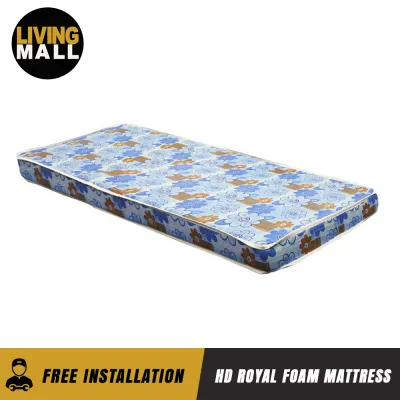
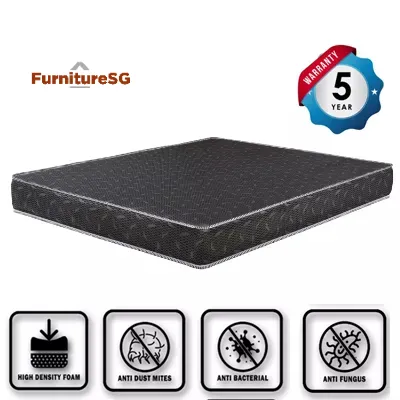
![[1-2 day delivery ] Single size and Queen Size Foam Mattress](https://img.lazcdn.com/g/ff/kf/S53f34f438945453bac9eb7ad88f413a5N.jpg_400x400q80.jpg_.webp)

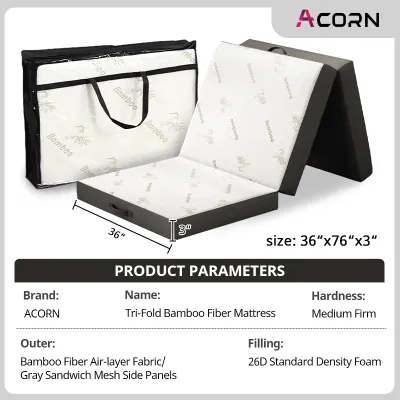
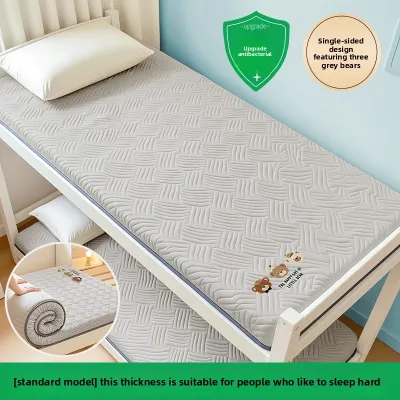
![[Bulky] DREAMAX Equinox Rest 8 Inch Comfort Pocket Spring Mattress / 20cm / Bed (SG) / sd](https://img.lazcdn.com/g/p/c25e074503162de8fade85f5c4b33c8d.jpg_400x400q80.jpg_.webp)
Prices are valid at publication and may change. Please refer to the product page for the latest price.
Body weight is a critical, often overlooked variable that alters how you perceive a mattress’s firmness. A lighter sleeper weighing under 60 kg does not exert enough downward force to compress deep support layers, meaning a standard medium mattress may feel quite firm to them. Conversely, a sleeper weighing over 80 kg will sink deeper into the comfort layers, potentially bottoming out on a soft mattress and feeling the rigid support core underneath. When comparing single mattresses, always adjust your firmness target based on your physical profile to ensure the comfort layers perform as intended.
Key Dimensions to Compare Across Mattress Brands
When comparing different mattress brands in Singapore, looking at marketing descriptions is rarely sufficient. Instead, you should examine the technical specifications of the materials used in the mattress’s construction. For foam-based layers, check the foam density, which is expressed in kilograms per cubic metre (kg/m³). High-density foams (typically 50 kg/m³ or higher for memory foam) offer superior durability and retain their original firmness and contouring properties much longer than low-density alternatives, which tend to soften prematurely.

For mattresses that incorporate coil systems, the coil gauge is the primary indicator of firmness and support. Coil gauge refers to the thickness of the steel wire used to create the springs, with lower numbers indicating thicker wire. A mattress utilizing a 12-gauge or 13-gauge coil system will provide a highly robust, firm feel with minimal give, making it excellent for heavy sleepers or those who prefer maximum support. A 14-gauge or 15-gauge system uses thinner wire, resulting in a more contouring, responsive, and slightly softer sleep surface.
Because trying a mattress for a few minutes in a showroom cannot replicate the experience of sleeping on it night after night, evaluating a brand’s sleep trial policy is essential. Many reputable brands in Singapore offer home sleep trials ranging from 100 to 120 nights. Before purchasing, verify the exact terms of these trials: check if the brand charges a return pickup fee, whether you must keep the mattress for a minimum adjustment period (often 3 to 4 weeks), and if a mattress protector must be used to keep the mattress in pristine, returnable condition.
Finally, scrutinize the manufacturer’s warranty terms, focusing specifically on how they define mattress sagging. Over time, all mattresses experience some degree of compression, but premature softening can ruin the sleep experience. A strong warranty will cover visible indentations or sagging that exceed a specific depth—typically 2.5 cm or more—without any weight applied. Avoid brands that do not clearly define the threshold for warranty-eligible sagging, as this makes it difficult to claim a replacement if the mattress loses its firmness prematurely.
Evaluating Mattress Types by Firmness Profile
The core construction of a mattress largely determines its inherent firmness profile and how it responds to your body. Innerspring and hybrid mattresses combine pocketed coil systems with comfort layers of foam, latex, or fiber. These models are highly regarded for their responsive bounce and exceptional edge support, which prevents the sensation of rolling off the side of a single bed. Hybrid models are particularly versatile, offering a balanced medium-firm feel that keeps the sleeper positioned on top of the mattress rather than sinking deeply into it.
Memory foam mattresses are renowned for their deep contouring and pressure-relieving properties, making them an excellent choice for sleepers who suffer from joint pain. However, traditional memory foam responds to body heat by softening, which can sometimes lead to an uncomfortably warm sleep environment, especially in Singapore’s tropical climate. To counter this heat retention, look for brands that utilize open-cell foam structures, gel-infused memory foam, or breathable cover fabrics like Tencel or bamboo, which help dissipate heat and maintain a consistent firmness level throughout the night.
Latex mattresses offer a distinct alternative, utilizing natural or synthetic latex to provide a highly responsive, buoyant sleep surface. Natural latex is inherently resilient, pushing back against body weight to keep the spine aligned while offering a medium-firm feel that does not trap heat. Because natural latex is highly breathable and resistant to dust mites and mold, it is an excellent option for Singaporean homes. When comparing latex options, verify whether the mattress uses 100% natural latex or a synthetic blend, as natural latex typically offers superior durability and consistent firmness over time.
How to Verify Firmness Claims Before Buying
If you prefer to test mattresses in person, visiting a physical showroom in Singapore requires a structured approach to get accurate results. Avoid the temptation to simply sit on the edge of the bed or lie down for a mere thirty seconds. Instead, spend at least 10 to 15 minutes resting on the mattress in your primary sleeping position. Pay close attention to whether your shoulders and hips feel compressed, and check if you can easily turn over without feeling stuck, which indicates whether the mattress provides adequate active support.
For online-only mattress brands, customer reviews are an invaluable resource for verifying firmness claims. Rather than focusing on overall star ratings, search the text of the reviews for specific keywords like “firmness,” “sagging,” “soft,” or “back pain.” Look for a consensus among reviewers regarding whether the mattress runs firmer or softer than the manufacturer’s official rating. Pay close attention to feedback from buyers who share your approximate height and weight, as their experience will closely mirror how the mattress will feel to you.
Before finalizing your purchase, always verify the exact physical dimensions of the single bed mattress. In Singapore, a standard single mattress measures 91 cm in width and 190 cm in length, but thickness can vary wildly from 15 cm to over 35 cm. Ensure the mattress’s height is compatible with your existing bed frame, especially if you have a recessed frame or a headboard with limited clearance. Additionally, check that your fitted sheets have deep enough pockets to accommodate the mattress’s thickness without slipping off the corners.
Final Decision Framework for Your Single Bed
To make your final decision, use a structured framework that prioritizes your physical needs and sleeping environment. If your primary goal is pressure relief, joint cushioning, and a body-hugging sensation, prioritize memory foam or latex hybrid models that offer a medium to medium-firm feel. These constructions excel at distributing body weight evenly, making them ideal for side sleepers and those who remain relatively still throughout the night.
If you tend to sleep hot, require strong edge support for sitting on the side of the bed, or prefer a mattress that makes it easy to move around, choose a pocketed spring or natural latex hybrid. These models facilitate excellent airflow to keep you cool in Singapore’s humidity while providing the active push-back support needed to keep your spine aligned. Ensure the model you select features reinforced edge coils to maximize the usable sleep surface of your single bed.
Before committing to any purchase, verify whether you have specific medical conditions, such as chronic lower back pain or neck issues, that require specialized ergonomic support. In such cases, it is highly recommended to consult a qualified healthcare professional or physiotherapist. They can provide personalized guidance on the exact level of spinal support you need, allowing you to select a mattress firmness that actively aids your physical recovery and long-term well-being.
Frequently Asked Questions (FAQ)
Is a firm mattress always better for back pain?
While a common belief persists that an extra-firm mattress is the best remedy for back pain, clinical comfort studies suggest that a medium-firm mattress generally provides the optimal balance of support and pressure relief for most individuals. An excessively rigid mattress can create pressure points on the shoulders and hips, forcing the spine into an unnatural alignment. Because individual body shapes and sleep positions vary, you should prioritize personal comfort and spinal alignment, and consult a healthcare professional for persistent or severe back pain.
Do single bed mattresses feel firmer than larger sizes?
The physical dimensions of a mattress do not inherently alter the firmness of its internal materials; a single bed mattress uses the same foam densities and coil gauges as its queen or king-sized counterparts. However, because a single mattress offers a smaller overall surface area, you may experience less lateral movement and a more confined sleep surface. This makes edge support particularly important, as a sturdy perimeter ensures you can utilize the entire width of the single mattress without feeling as though you might roll off the edge.

Community discussion
Share your experience or ask a question. Comments are reviewed before publication.