
Finding the right provider for a custom kitchen workbench in Singapore requires balancing spatial constraints, material durability, and design expertise. The ideal brand depends entirely on your layout complexity, material preferences, and budget. There is no single winner that suits every household.
Singapore’s market features three primary categories of kitchen providers: local custom carpentry firms, modular or semi-custom kitchen specialists, and international premium brands. Each category addresses different priorities, from highly bespoke cabinetry designed to fit irregular architectural columns to standardized modular units engineered for rapid installation. Understanding how these providers compare ensures you select a partner capable of executing your specific vision.
Key Dimensions for Comparing Custom Kitchen Workbench Solutions
Evaluating different brands requires a clear set of objective criteria. Because a kitchen workbench serves as both a high-traffic food preparation zone and a major visual anchor, the chosen solution must balance structural integrity with aesthetic appeal.
Products mentioned in this guide
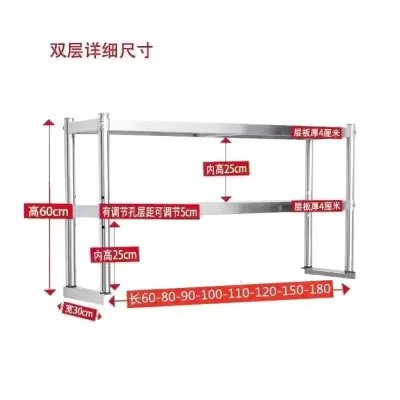
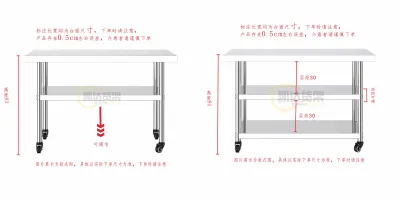
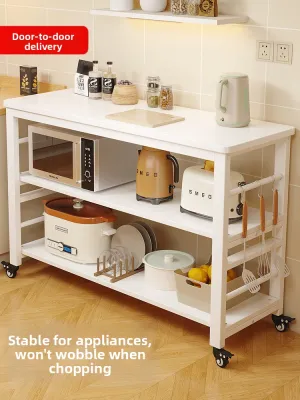
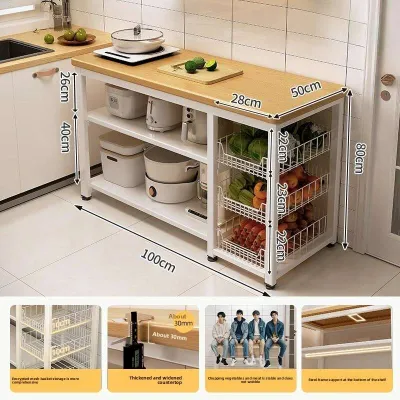
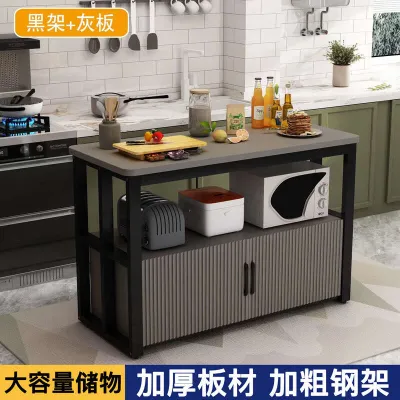
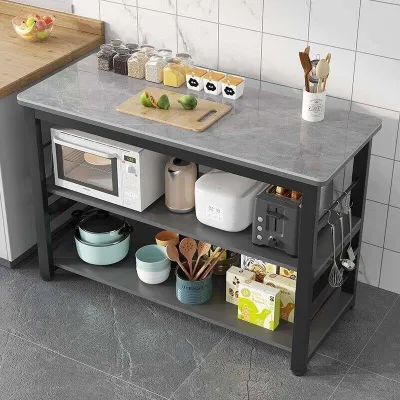
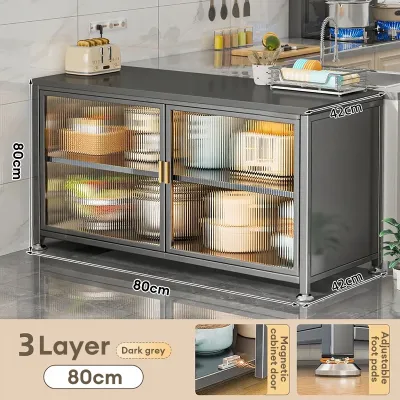
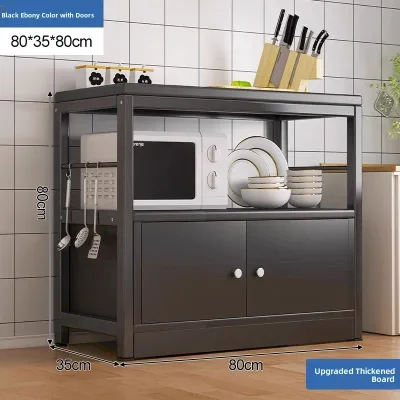
Prices are valid at publication and may change. Please refer to the product page for the latest price.
Space and Layout Adaptability
Singapore apartments often feature challenging layouts, including prominent structural pillars, narrow galley configurations, or awkward corners. A high-quality provider must demonstrate how effectively they can adapt their cabinet bases to these spatial anomalies. The integration process should ensure the workbench does not obstruct natural traffic flow or block access to essential appliances. When reviewing a brand, examine their portfolio to see how they handle non-standard angles and whether they can customize cabinet depths to maximize floor space.
Material and Countertop Options
Singapore’s hot and highly humid climate demands materials that resist warping, moisture ingress, and microbial growth. The choice of base cabinet materials—such as high-pressure laminates on marine-grade plywood, solid wood, or stainless steel—directly impacts the workbench’s lifespan. Similarly, the countertop surface must withstand heavy prep work, impact, and heat. Brands should offer a diverse selection of verified materials, including engineered quartz, sintered stone, and solid surfaces, allowing you to match the material characteristics to your cooking style.
Craftsmanship and Structural Stability
Heavy kitchen appliances, built-in hobs, and daily food preparation put constant physical stress on a workbench. You must evaluate the joint quality, carcass thickness, and load-bearing capacity of the brand’s cabinetry. Look for robust construction methods, such as dowelled or screwed joints rather than simple staple-and-glue assembly. Furthermore, consider the physical delivery process; the brand must ensure that large, pre-assembled workbench components can safely navigate your estate’s lift and doorway dimensions during installation.
Design and Consultation Process
An effective customization journey relies heavily on clear communication and accurate planning tools. Top-tier providers offer detailed 3D rendering or computer-aided design (CAD) services to help you visualize the final layout before fabrication begins. This phase is crucial for ergonomic planning, allowing you to adjust counter heights, plan drawer configurations, and position power outlets. Evaluate the brand’s willingness to accommodate design revisions and their ability to provide clear, itemized technical drawings.
Categories of Kitchen Cabinet Brands for Custom Workbenches
Navigating the Singapore kitchen renovation landscape is easier when you group providers into distinct market segments. Each segment offers a unique approach to manufacturing, pricing, and customization.

Local Custom Carpentry and Interior Firms
Local carpentry workshops and interior design firms specialize in fully bespoke, built-in millwork tailored on-site or in local workshops.
- Pros: These providers offer maximum spatial optimization. They can build cabinetry to fit any irregular nook, box in unsightly exposed pipes, and match the workbench aesthetics seamlessly with the rest of your home's custom furniture.
- Cons: Quality control can be highly variable. Because fabrication relies heavily on the skill of individual carpenters, finishes and joint alignments may lack the machine-perfect precision of factory-made systems. Standardized long-term warranties are also less common.
- Ideal Use Case: This option is best for homeowners with highly irregular kitchen footprints, older resale flats with unique structural layouts, or those undergoing comprehensive home renovations where cohesive, custom-built millwork is a priority.
Modular and Semi-Custom Kitchen Specialists
Modular specialists utilize factory-fabricated cabinet boxes in standardized dimensions, pairing them with customizable doors, hardware, and custom-cut workbench tops.
- Pros: These brands deliver highly consistent manufacturing quality, as components are produced in controlled factory environments. Installation is typically much faster than on-site carpentry, pricing structures are transparent, and products come with clear, multi-year manufacturer warranties.
- Cons: Modular systems are constrained by fixed width and depth increments. If your kitchen has highly irregular dimensions, you may end up with unused gaps or require filler panels, which can compromise spatial efficiency.
- Ideal Use Case: Homeowners with standard HDB BTO or condominium layouts who want reliable quality, predictable timelines, and transparent pricing without the premium cost of imported luxury brands.
International Premium Kitchen Brands
These high-end, imported brands focus on advanced German, Italian, or Japanese engineering, utilizing proprietary materials and luxury hardware.
- Pros: Premium brands offer exceptional ergonomic engineering, highly durable proprietary finishes, and superior hardware systems designed to glide smoothly under heavy loads. The aesthetic appeal is highly refined, featuring minimalist lines and seamless integrations.
- Cons: This segment requires a significant financial investment. Additionally, because components are manufactured overseas and shipped to Singapore, lead times can stretch over several months. These systems also demand precise site preparation and offer little tolerance for structural deviations.
- Ideal Use Case: High-budget residential projects with standard or spacious layouts where the homeowners prioritize cutting-edge design, long-term durability, and luxury European or Japanese craftsmanship.
Navigating Layout and Space Constraints in Singapore Kitchens
Designing a functional kitchen workbench requires a thorough understanding of local housing typologies. The physical limitations of your property will dictate what is structurally and legally feasible.
HDB vs. Private Condominium Layouts
Government-built flats and private condominiums present distinct design challenges. Standard HDB BTO kitchens are often compact and may feature structural shear walls that cannot be demolished or altered. This limits your ability to create open-concept island workbenches. Condominiums, while sometimes offering open-plan layouts, frequently come with pre-installed flooring and utility lines. Modifying these layouts requires careful coordination with the building’s Management Corporation Strata Title (MCST) to avoid damaging waterproofing layers or violating building codes.
Clearance and Traffic Flow
Maintaining adequate clearance around your workbench is vital for safety and comfort. In compact Singapore kitchens, a central workbench or island must have at least 90cm of clear walkway space on all active sides. This clearance allows cabinet doors, dishwashers, and ovens to open fully without blocking traffic. If your kitchen is a high-traffic zone or accommodates multiple cooks, aim for a clearance of 105cm to 120cm to prevent bottlenecks.
Utility Integration and Access
Integrating sinks, hobs, or power outlets into your workbench requires meticulous planning. Water lines and waste pipes must have the correct fall gradient to function properly, which can restrict how far a wet workbench can be positioned from the main utility stack. Furthermore, you must verify that the physical components of your custom workbench can actually reach your kitchen. Always measure your estate’s service lift dimensions, stairwell clearances, and main entryway widths before finalizing large, seamless countertop slabs or pre-assembled cabinet carcasses.
Budgeting and Cost Factors for Custom Workbenches
Understanding the financial drivers of a kitchen renovation helps you allocate your budget effectively and evaluate brand quotes accurately.
Primary Cost Drivers
- Carcass and Door Materials: High-pressure laminates on plywood are standard and cost-effective. Upgrading to moisture-resistant MDF, solid timber, or stainless steel carcasses will increase the base cost.
- Countertop Material Grade: The cost of your workbench surface varies widely based on the material and origin. Basic engineered quartz is generally highly accessible, whereas premium sintered stones or imported natural granites sit at the high end of the pricing spectrum.
- Hardware and Internal Organizers: Standard hinges and drawer runners are economical, but upgrading to heavy-duty soft-close systems, pull-out spice racks, or corner carousel units adds significant cost.
- Edge Profiles and Cutouts: Custom edge detailing, undermount sink cutouts, and flush-mounted hob installations require precise fabrication, increasing labor fees.
Hidden or Additional Costs
When budgeting, look beyond the cabinetry itself. Site preparation, including the demolition and disposal of existing kitchen fixtures, is rarely included in base cabinetry quotes. Electrical rewiring, plumbing hookups, and the installation of backsplashes are typically billed separately. Additionally, check if the brand charges extra for delivery to high-floor units, particularly if the components cannot fit into the building lift and must be manually carried up the stairs.
How to Compare Quotes
To ensure an apples-to-apples comparison between different brands, request fully itemized quotes. Ensure each quote specifies the exact materials used for both the carcasses and doors, the brand and model of the hardware, the precise thickness and brand of the countertop, and whether delivery, installation, and GST are included. Avoid quotes that lump these costs into a single, vague figure, as this often leads to unexpected variations and disputes during construction.
Decision Framework: Choosing the Right Provider for Your Project
Selecting the right brand involves matching your specific project parameters to the strengths of each provider category.
- Choose Local Custom Carpentry if: Your kitchen features highly irregular walls, structural columns, or non-standard angles that require millimeter-precise spatial optimization. This path is also ideal if you want your kitchen workbench to match other custom built-in furniture throughout your home.
- Choose Modular/Semi-Custom Specialists if: You have a standard kitchen layout, prefer a highly predictable installation timeline, and value the peace of mind that comes with standardized factory quality and clear, long-term manufacturer warranties.
- Choose International Premium Brands if: You have a flexible budget, prioritize advanced ergonomic design and proprietary high-end materials, and have a project timeline that can accommodate extended overseas shipping and fabrication lead times.
- Verify First if: You plan to integrate heavy appliances, cooktops, or plumbing into your workbench. Always check the manufacturer's load-bearing specifications, consult a licensed professional for utility routing, and ensure compliance with local housing authorities before finalizing your design.
Frequently Asked Questions (FAQ)
Do I need approval to install a kitchen workbench with a sink in an HDB flat?
Yes, installing a sink in a kitchen workbench that requires relocating or extending water and waste pipes typically requires compliance with HDB renovation guidelines. Any plumbing works must be carried out by a Public Utilities Board (PUB) licensed plumber. If the installation involves hacking the floor slabs to lay new concealed pipes, you must apply for an official HDB renovation permit. Always consult your chosen contractor or interior designer to verify the specific permit requirements for your flat’s layout before commencing work.
What is the recommended countertop material for a heavy-duty kitchen workbench?
For a heavy-duty workbench subjected to intense meal prep, engineered quartz and sintered stone are highly recommended due to their excellent scratch and stain resistance. However, material names alone do not guarantee performance. You must verify the specific product grade, thickness, and manufacturer care instructions. For example, while sintered stone offers superior heat resistance, some grades can be prone to chipping on sharp edges if struck with heavy pots. If you run a home baking business or perform heavy chopping, a high-grade stainless steel or a thick, professionally sealed engineered stone is often the most durable choice.
Community discussion
Share your experience or ask a question. Comments are reviewed before publication.