
An authentic shiatsu experience is highly subjective, meaning no single massage chair brand can claim a universal victory. True shiatsu relies on targeted, rhythmic finger-pressure application along the body’s meridian lines, a technique that mechanical systems attempt to replicate through complex roller movements and air compression. Whether a chair feels like a genuine human touch depends entirely on your personal pressure tolerance, body shape, and how a specific brand’s mechanical engineering aligns with your physical needs.
To evaluate authenticity, buyers must look past marketing buzzwords and focus on core mechanical specifications. The primary differentiators lie in roller dimensionality, track geometry, and the degree of customization available.
When comparing options, the critical decision criteria include the depth of pressure the rollers can exert, the ability to adjust kneading width, and the integration of heat therapy. By analyzing these physical features, you can determine which mechanical implementation will best simulate the hands of a skilled therapist for your specific body type.
Products mentioned in this guide
![[Snailax] Shiatsu Back Massager with Heat & Vibration Massage Seat Cushion](https://img.lazcdn.com/g/p/ea49d4d618186f996c358b2d1c5522b3.png_400x400q80.png_.webp)

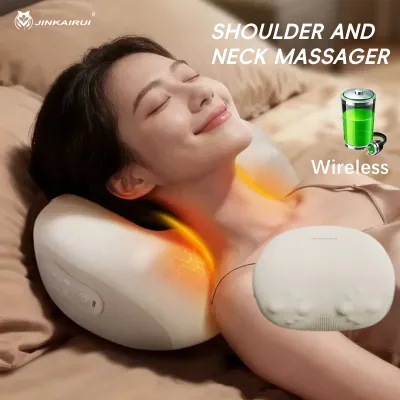

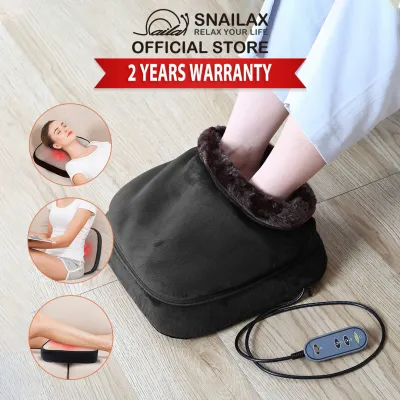
Prices are valid at publication and may change. Please refer to the product page for the latest price.
How Brands Engineer Shiatsu Mechanics
Replicating the precise, localized pressure of human thumbs and palms requires sophisticated mechanical engineering. Massage chair manufacturers address this challenge by designing multi-directional roller systems, often categorized as 2D, 3D, or 4D mechanisms. A standard 2D system operates on a flat plane, moving vertically and horizontally. While functional for basic kneading, 2D rollers cannot adjust their depth, often resulting in a flat, uniform pressure that lacks the nuanced intensity of traditional shiatsu.
To achieve a deeper, more realistic simulation, premium chairs utilize 3D or 4D roller mechanisms. A 3D system introduces depth control, allowing the rollers to protrude forward into the muscle tissue to mimic the firm press of a therapist’s thumbs. The term 4D typically refers to the addition of variable speed control within a single massage stroke, slowing down as the rollers climb over tight muscle knots and accelerating through broader sweeps. This speed variation is crucial for mimicking the intuitive rhythm of a human practitioner who adjusts their pace based on muscle resistance.
The path these rollers travel is determined by the internal track design, which significantly influences the overall massage coverage. S-track designs follow the natural curvature of the human spine, focusing exclusively from the neck down to the lower back. L-track designs extend this path further, curving under the seat to massage the glutes and upper hamstrings, though they sometimes sacrifice a bit of the deep spinal arching found in pure S-tracks. The modern SL-track combines these two approaches, offering both the ergonomic spinal contouring of an S-track and the extended reach of an L-track, making it a highly effective choice for comprehensive lower-body shiatsu.
Beyond the movement patterns, the physical material of the mechanical hands plays a vital role in how the massage feels against your skin. Hard plastic rollers, common in entry-level models, can feel sharp and unforgiving, often causing discomfort rather than relaxation. High-quality brands typically opt for dense, medical-grade silicone or rubber-coated rollers. These materials provide a slight yield and grip that closely resembles the soft yet firm texture of human fingertips, preventing the rollers from slipping or pinching during intense kneading sequences.
Key Dimensions to Evaluate Authenticity
To verify if a massage chair can truly replicate a personalized shiatsu session, you must examine its adjustment capabilities. A primary feature to check is kneading width adjustment. Because human spinal columns and shoulder widths vary dramatically, a fixed-width roller system may press directly against your shoulder blades or spine, causing pain. Look for models that offer manual or automatic width calibration, allowing the rollers to narrow or widen to match your specific skeletal structure.

Granular control over pressure intensity and speed is another essential dimension of authenticity. Traditional shiatsu is not a one-size-fits-all treatment; it requires gentle pressure on sensitive areas and deep, firm pressure on dense muscle groups. A high-quality chair should offer multiple levels of intensity adjustment, ideally controlled via a remote or an automated body-scanning system that measures muscle tension and adjusts the roller depth accordingly. Without these granular settings, the massage can quickly become either too painful or completely ineffective.
Airbag integration is a critical, often overlooked component that works in tandem with the mechanical rollers. In manual shiatsu, a therapist frequently holds one part of your body stable while applying pressure to another, or performs gentle joint stretches. Massage chairs replicate this by inflating air compression sleeves around the shoulders, arms, hips, and calves. These airbags temporarily pin your body in place, allowing the back rollers to push deeper into your muscles and execute more effective traction and stretching routines.
Finally, the placement and execution of heat therapy can dramatically enhance the authenticity of the experience. Heat relaxes tight muscle fibers, making them more receptive to deep tissue work and mimicking the natural warmth of human hands. When evaluating a chair, check whether the heating elements are static pads embedded in the backrest or if they are integrated directly into the moving rollers themselves. Roller-based heating provides a continuous, soothing warmth that travels along your muscles as the massage progresses, offering a far more immersive sensation than stationary heating pads.
Decision Framework: Choosing the Right Shiatsu Implementation
Selecting the right massage chair requires matching these mechanical features to your physical goals and living environment. If your primary objective is to relieve deep muscle tension along your entire spine and glutes, a 3D or 4D SL-track model is a highly suitable choice. This configuration provides the necessary depth adjustment to target stubborn knots while ensuring the rollers follow the natural contours of your lower body. This setup is ideal for those who appreciate a firm, therapeutic massage that can be customized to different daily fatigue levels.
Conversely, if you prefer a gentler, more traditional back massage and have limited floor space, a 2D S-track model may be the more practical option. These models focus their mechanical action strictly on the upper and lower back, avoiding the bulkier frame required for under-seat rolling. They offer a classic, relaxing knead that is less intense, making them highly suitable for casual users or those with a lower tolerance for deep tissue pressure.
Before committing to any high-intensity mechanical massage chair, it is vital to assess your physical health. If you have pre-existing spinal conditions, such as herniated discs, osteoporosis, or severe scoliosis, the aggressive pressure of 3D or 4D rollers can exacerbate your symptoms. In these scenarios, obtaining medical clearance from a healthcare professional is an absolute necessity before operating the equipment.
It is also important to manage expectations regarding mechanical precision. Even the most advanced 4D SL-track chairs cannot fully replicate the micro-adjustments and sensory feedback of a human therapist’s thumbs. If you require highly targeted, pinpoint pressure on specific small muscle groups, such as the soles of your feet or the base of your skull, a large massage chair might feel too broad. In such cases, supplementing your setup with a dedicated, smaller shiatsu massager designed specifically for spot treatment can provide the precise relief you need.
Pre-Purchase Checks and Space Requirements
Integrating a massage chair into your home requires careful spatial planning, particularly in compact urban living environments like Singapore apartments. Before purchasing, you must measure the exact dimensions of your doorways, hallways, and elevator entrances. Many premium massage chairs are delivered as large, heavy, single-unit structures that cannot be easily disassembled. Ensuring there is sufficient clearance for the delivery team to maneuver the boxed or assembled chair into your designated room is critical to avoiding costly delivery failures.
Another spatial factor is the clearance required behind the chair for its recline functions. While some modern models feature wall-hugging technology that slides the chair forward as it reclines, others require up to 50 centimeters of open space behind the backrest to achieve a full zero-gravity tilt. Mark out the chair’s fully reclined footprint on your floor to ensure it will not block walkways or interfere with other furniture.
Lastly, verify the manufacturer’s specified weight and height limits to ensure the chair’s internal sensors can function correctly. If a user’s height falls outside the recommended range, the automated body-scanning system may misalign the rollers, placing the neck massage nodes against the back of the head or missing the lower back entirely. Confirming these physical compatibility metrics beforehand ensures a safe, comfortable, and highly effective shiatsu experience.
Frequently Asked Questions (FAQ)
Can a shiatsu massage chair replace professional manual therapy?
While a high-quality shiatsu massage chair offers excellent convenience and consistent, daily muscle relaxation, it cannot fully replace a professional manual therapist. Human practitioners possess tactile sensitivity, allowing them to feel muscle knots, detect subtle changes in tissue tension, and adjust their pressure and technique in real time. A machine operates on pre-programmed algorithms and mechanical tracks, which lack this intuitive feedback. For general stress relief and daily maintenance, a chair is highly effective, but chronic pain or specific musculoskeletal injuries require the diagnostic expertise of a qualified healthcare professional.
How do I maintain the mechanical rollers and track?
Preserving the lifespan of your massage chair’s internal mechanisms requires regular, low-risk maintenance. Keep the chair positioned away from direct sunlight and areas of high humidity, as prolonged exposure can degrade the synthetic leather upholstery and damage sensitive electronic components. When cleaning the exterior, avoid using harsh chemical solvents or saturating the fabric; instead, use a soft, slightly damp microfiber cloth as recommended in the manufacturer’s manual. Periodically check the track area to ensure no dust or small objects have accumulated, which could obstruct the smooth movement of the rollers.

Community discussion
Share your experience or ask a question. Comments are reviewed before publication.