
When shopping for a sofa 3 seater recliner, it is easy to get swayed by brand names and aesthetic designs. However, true seat comfort and lumbar support are determined by what lies beneath the upholstery. Because comfort is highly subjective and individual body shapes vary, there is no single brand that suits everyone. Instead of relying on marketing promises, buyers must evaluate the internal engineering—such as foam density, spring configurations, and backrest mechanics—to find a model that provides lasting physical support.
Key Factors Defining Seat Comfort in 3-Seater Recliners
To understand how a sofa 3 seater recliner will feel over years of daily use, you must look closely at the cushion core. High-resiliency (HR) foam is the industry standard for premium seating because it retains its shape and offers a responsive bounce-back feel. In contrast, standard polyurethane foam is less dense and tends to sag or soften rapidly, leading to a hollowed-out seat that strains your hips and lower back.
Beneath the foam lies the suspension system, which distributes your weight across the three-seat frame. Sinuous springs, which are S-shaped steel wires running horizontally across the frame, provide a firm and uniform support base. For a more contouring feel, some high-end recliners incorporate pocketed coils—individually wrapped springs similar to those found in pocket-spring mattresses. Pocketed coils allow each seat to compress independently, which significantly reduces motion transfer when multiple people are sharing the sofa.
Products mentioned in this guide
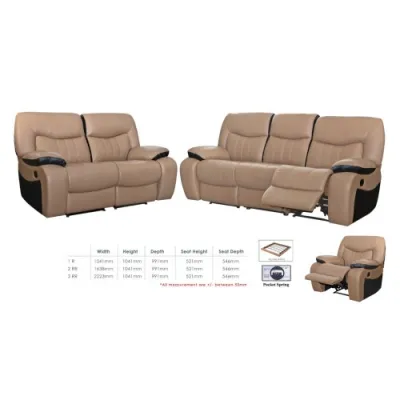
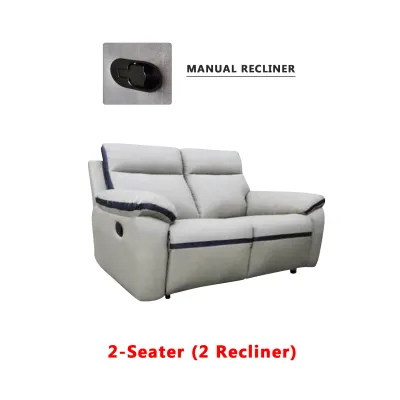
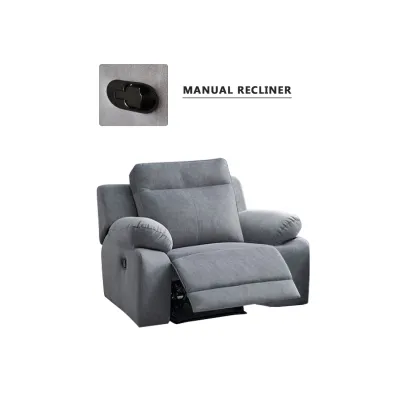
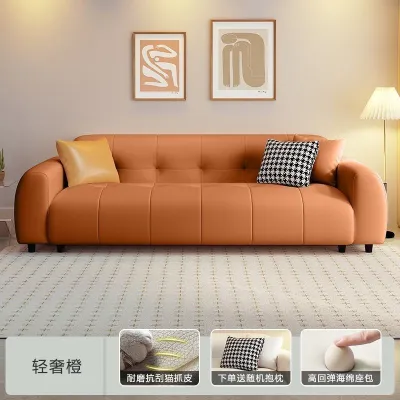
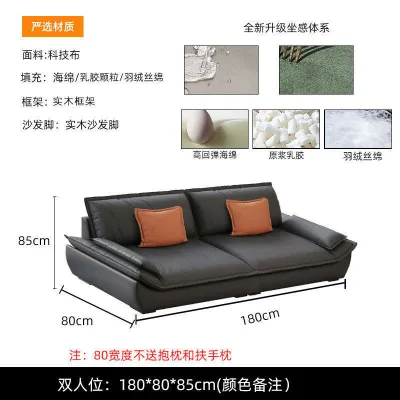
Prices are valid at publication and may change. Please refer to the product page for the latest price.
The top layer of the cushion determines the initial “sink-in” sensation. Manufacturers often use a fiber wrap, memory foam, or down-alternative layers over the core foam. While a thick fiber wrap creates a plush, inviting surface, it must be balanced by a high-density core. Without a supportive foundation, an overly soft top layer will cause your pelvis to tilt backward, leading to poor posture and muscle fatigue during long lounging sessions.
Evaluating Lumbar Support and Backrest Mechanics
Proper lumbar support is critical for preventing lower back pain, especially when sitting in a reclined position for extended periods. The human spine has a natural inward curve at the lower back, which a recliner must support to prevent slouching. When evaluating different models, distinguish between built-in lumbar contours and flat backrests. A well-designed backrest features a distinct, padded curve that nestles into the small of your back, maintaining your spine’s natural alignment.

The reclining mechanism itself plays a major role in how well this support is maintained. Manual recliners typically operate via a lever or body tension, moving the backrest and footrest in a fixed, synchronized ratio. This can sometimes leave a gap behind your lower back when you are partially reclined. Power recliners, on the other hand, often feature independent motors for the headrest, footrest, and lumbar support. This allows you to adjust the angle of the backrest while keeping the lumbar cushion firmly pressed against your lower spine.
Additionally, pay attention to the distribution of the back cushion filling. Over time, loose fiber fillings can settle downward, leaving the upper backrest stiff and the lower backrest empty. Look for channeled or baffled back cushions, which keep the filling securely in place and prevent the formation of uncomfortable gaps or hard pressure points when you transition from an upright to a fully reclined position.
How to Conduct a Standardized In-Store Comfort Test
Conducting a thorough, standardized physical test in a showroom is the most reliable way to assess a sofa 3 seater recliner. Do not simply sit down for a few seconds and make a decision. Plan to spend at least ten to fifteen minutes testing each candidate model. Sit in various positions that mimic how you actually relax at home, including sitting completely upright, lounging at a partial tilt, and lying fully reclined.
To evaluate the lumbar support, use the hand test. While seated in your preferred reclining angle, try to slide your flat hand behind your lower back. If your hand slides through easily without encountering any resistance, there is a lumbar gap. This indicates that your lower back is suspended without support, which will eventually lead to muscle strain. The backrest should firmly cradle your lower spine, leaving no empty space.
When testing a 3-seater configuration, it is essential to test all three seating positions individually. Sit in the left, right, and middle seats to check for consistency. Recline the outer seats while someone else sits in the middle to ensure there is no mechanical interference, squeaking, or structural shifting. A high-quality frame should remain perfectly stable and quiet, even when multiple mechanisms are operating simultaneously.
Verifying Specifications, Labels, and Warranty Coverage
Before making a purchase, ask the sales representative for the technical specifications of the sofa 3 seater recliner. Look for the foam density rating, which is typically expressed in kilograms per cubic meter (kg/m³). For a durable seat cushion that resists sagging, aim for a density of at least 30 kg/m³. You should also verify the maximum weight capacity per seat to ensure the frame and mechanisms are built to handle your household’s needs.
Warranty coverage is a strong indicator of a manufacturer’s confidence in their product’s durability. Recliner warranties are usually tiered, with different coverage periods for different components. The solid wood or metal frame often carries the longest warranty, followed by the reclining mechanism and motors, while the cushion foam and upholstery fabric typically have shorter coverage. Be sure to read the terms to understand what constitutes a manufacturing defect versus normal wear and tear, such as slight foam softening.
Upholstery materials also impact your overall comfort, particularly regarding temperature regulation. In warm and humid climates like Singapore, fabric upholstery is highly favored for its breathability and ability to remain cool to the touch. Leather, while exceptionally durable and easy to clean, can trap body heat and feel sticky if the room is not air-conditioned. If you prefer leather, look for top-grain genuine leather, which breathes better than synthetic alternatives, though it may require a brief break-in period to soften.
Decision Framework: Matching Recliner Features to Your Needs
To narrow down your choices, match the structural features of the recliner to your specific physical requirements and living space. If you suffer from chronic lower back pain or require firm, ergonomic support, prioritize power recliners equipped with adjustable power lumbar systems and high-resiliency foam cores. This setup allows you to customize the support level to match your spinal curve precisely.
If your primary goal is a plush, enveloping sensation for casual lounging, look for models featuring thick fiber wraps, memory foam toppers, and deeper seat depths. These specifications prioritize pressure relief and a soft initial feel, though you should still ensure there is a supportive foam base underneath to prevent bottoming out.
Finally, consider the physical constraints of your home. Measure your living room carefully, keeping in mind that recliners require extra clearance behind the backrest to fully extend, unless you select a specialized “wall-hugger” design. For motorized models, verify the proximity of power outlets to avoid running unsightly extension cords across your floor. Additionally, measure your doorways, hallways, and lift dimensions to ensure the delivery team can safely maneuver the bulky 3-seater frame into your home.
Frequently Asked Questions (FAQ)
Does the middle seat of a 3-seater recliner offer the same comfort as the outer seats?
In most 3-seater configurations, the middle seat feels slightly different from the outer seats. Because it lacks adjacent armrests, it provides less lateral support, which can make you feel less cradled. Structurally, the middle seat often sits directly over the central frame bracing and mechanical linkages, which can make the cushion feel firmer and less forgiving than the outer seats. Some models feature a stationary middle seat, while others allow it to recline; if the middle seat reclines, ensure its mechanism operates smoothly without rubbing against the outer seats.
Can I add aftermarket lumbar pillows to a flat-back recliner?
While you can use aftermarket lumbar pillows or rolled towels to fill a gap in a flat-back recliner, this is often a temporary fix rather than a permanent solution. An external pillow can easily slide out of place when the chair reclines, and if it is too thick, it may push your lower back too far forward. This misalignment can cause your upper back and neck to lose contact with the headrest, leading to neck strain. If you plan to use an external support, bring it to the showroom to test how it affects your overall spinal alignment on the specific model you are considering.
How does upholstery material affect the perceived comfort of a recliner?
Upholstery material directly influences your tactile and thermal comfort. Woven fabrics are highly breathable, making them excellent for maintaining a neutral temperature in warm climates. Genuine leather offers a luxurious, smooth texture that is highly durable, but it can feel cold when you first sit down and may become warm and sticky in humid conditions without air conditioning. Synthetic leathers are easy to maintain but generally offer the least breathability. Furthermore, leather upholstery tends to hold the foam tighter, which can make the seat feel slightly firmer initially compared to the same model upholstered in fabric.
Community discussion
Share your experience or ask a question. Comments are reviewed before publication.