
Finding the right swivel chair for a Singapore home office requires balancing long hours of sitting with the realities of local space constraints and a tropical climate. With numerous brands occupying different price tiers in the local market, making an informed choice comes down to verifying specific structural, material, and ergonomic features rather than relying on marketing claims. A methodical comparison of physical dimensions, adjustability mechanisms, and warranty terms will help you identify a chair that supports your posture and fits your workspace.
Evaluating these options systematically ensures you do not end up with a chair that is too bulky for your study nook or too warm for non-air-conditioned afternoons. By focusing on observable specifications and testing protocols, you can cut through the promotional noise of various brands. This guide establishes a practical framework for comparing swivel chairs available in Singapore, helping you match their design philosophies to your daily working habits.
Core Specifications to Compare Across Swivel Chair Brands
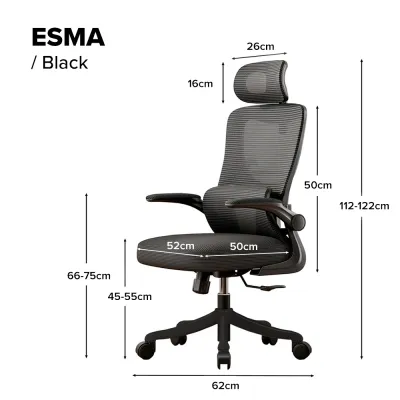
Before comparing brand aesthetics, you must establish a baseline of physical compatibility by checking the exact dimensions of each model against your home office layout. Start by measuring the seat width and depth, as well as the overall footprint of the chair’s base. Many home offices in Singapore are set up in multi-purpose rooms or compact study areas where a wide five-star base might collide with desk legs or nearby storage units. Ensure there is at least 10 to 15 centimeters of clearance around the chair’s maximum rotational path to prevent scuffing walls or furniture.
Products mentioned in this guide
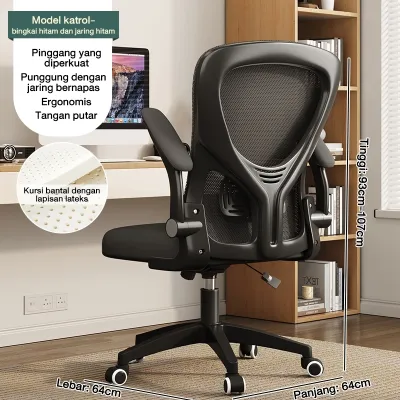
![[SG Ready Stocks] Ergonomic Office Chair - 8.5cm Thick Cushion + Antislip Surface Adjustable Backrest & Detachable Headrest Flip-Up Arms Rocking & Lock Function 15-Min Easy Assemble for Home/Office](https://img.lazcdn.com/g/p/056ecb65b2a442dd9a476ff654362085.jpg_400x400q80.jpg_.webp)
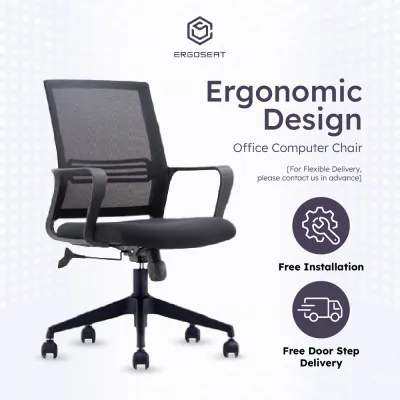
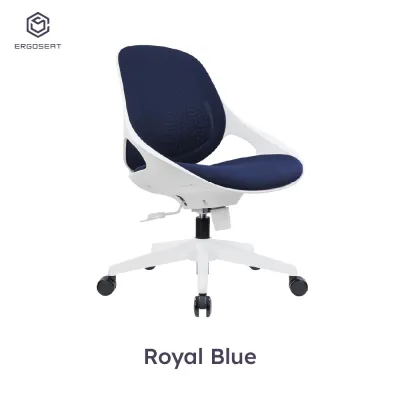
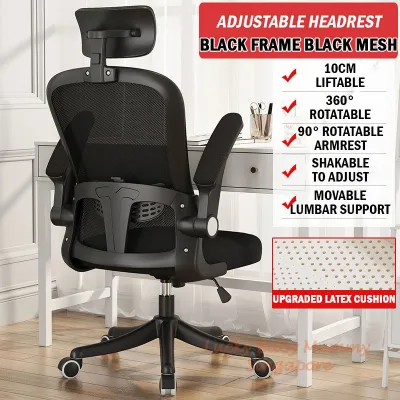
Prices are valid at publication and may change. Please refer to the product page for the latest price.
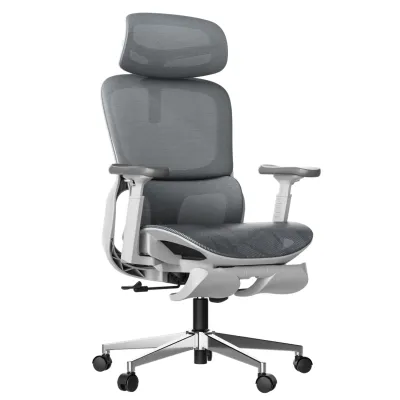
Adjustability ranges represent the next critical point of comparison between brands. Look closely at the minimum and maximum seat height limits specified in the product documentation. This range must allow your feet to rest flat on the floor while keeping your elbows at a 90-degree angle relative to your desk surface. Additionally, compare the armrest adjustability; while basic brands may only offer fixed or height-adjustable armrests, advanced models provide multi-directional adjustments—often referred to as 3D or 4D armrests—that slide forward, backward, and pivot inward to support your forearms during typing.
The recline tension mechanism is another specification that varies significantly across brands. Some chairs utilize a weight-activated system that automatically adjusts the tilt resistance based on your body weight, while others feature manual tension knobs or multi-position tilt locks. If you prefer a dynamic sitting style where you frequently transition between upright typing and a relaxed recline, prioritize brands that offer fine-grained tension control. This prevents the sensation of falling backward too quickly or having to push excessively hard to recline.
Finally, verify the weight capacity ratings and structural materials of the frame and base. High-quality swivel chairs typically feature bases made of reinforced nylon, polished aluminum, or steel, which offer stability compared to basic plastic alternatives. Check the manufacturer’s specifications for the maximum load capacity, ensuring it accommodates your weight with a comfortable safety margin. A robust base not only prevents tipping during sudden movements but also ensures the structural integrity of the swivel mechanism over years of daily rotation.
Comfort and Ergonomic Design Approaches
Different brands approach comfort through distinct material philosophies, which directly impact how the chair performs in Singapore’s warm and humid climate. Mesh backrests are highly favored locally because they promote continuous airflow, preventing heat and moisture buildup during long working sessions. However, not all mesh is created equal; premium brands often use elastomeric mesh that distributes weight evenly and retains its tension over time, whereas lower-end mesh may sag, leading to poor posture.

Conversely, high-density foam seats offer a different type of comfort that some users prefer over mesh. Foam provides a highly cushioned, contoured surface that distributes pressure away from the sit bones, making it ideal for those who find mesh seats too firm or restrictive. When comparing foam-seated brands, look for molded or high-density polyurethane foam rather than cut sheet foam. Molded foam retains its shape and supportive properties for much longer, preventing the “bottoming out” effect where you eventually feel the hard seat pan underneath.
Lumbar support mechanisms represent a major point of divergence in brand design. Some brands utilize a fixed, built-in curve in the backrest frame, which relies on the user fitting a specific height profile. Other brands feature height-adjustable lumbar pads or adaptive, auto-tuning support systems that flex as you shift your weight. If multiple family members of varying heights share the same home office chair, prioritizing a brand with an adjustable lumbar support system is essential to ensure everyone can position the support precisely in the curve of their lower back.
Headrest and neck support options should also be evaluated based on your typical screen height and working habits. Integrated headrests are common in executive-style chairs but may not align correctly if you are shorter or taller than average. Removable or highly adjustable add-on headrests allow you to customize the height and angle to support your head during phone calls or video meetings. If your daily work involves sitting upright and looking slightly downward at a laptop, a headrest may be less critical than if you use elevated dual monitors and frequently recline to read documents.
Evaluating Durability, Warranties, and Material Specs
A swivel chair is a long-term investment, and understanding the nuances of manufacturer warranties can save you from premature replacement costs. When comparing brands, look beyond the headline warranty period—such as “up to 12 years”—and read the fine print to see what is actually covered. Often, brands split their warranties: the structural steel frame and aluminum base might carry a long-term guarantee, while the moving mechanical parts, gas lift cylinder, mesh, and foam upholstery may only be covered for a fraction of that time.
Safety certifications are a vital indicator of build quality that you can verify directly on product labels or in user manuals. Look for compliance with international standards such as BIFMA (Business and Institutional Furniture Manufacturers Association) or TÜV SÜD. These certifications ensure the chair has undergone rigorous testing for structural strength, stability, and cyclic wear. A certified gas lift cylinder, typically rated as Class 3 or Class 4, is particularly important, as it guarantees the pressurized chamber can safely withstand daily height adjustments and weight loads without leaking or failing.
The choice of caster wheels is another detail that directly affects both the durability of the chair and the condition of your home flooring. Most standard swivel chairs come equipped with hard nylon casters, which are designed for carpeted floors but can easily scratch or gouge local flooring materials like parquet, engineered wood, or luxury vinyl tiles. When purchasing, check if the brand offers soft polyurethane or rubber-coated casters as an option. Alternatively, you can plan to use a dedicated chair mat to protect your flooring from the constant friction of rolling and swiveling.
Decision Framework: Matching Brand Profiles to Your Needs
To narrow down your choices among the swivel chair brands available in Singapore, it helps to categorize them based on your budget, space, and physical requirements. Premium ergonomic brands are highly suitable if you spend more than six hours a day at your desk, require highly specialized adjustments to manage back discomfort, and value a long-term warranty that covers both parts and labor. While these chairs require a higher initial S$ investment, their durability and customizable support often translate to a lower cost per year of use.
Value-oriented furniture brands are more appropriate if you have a limited budget, use the chair occasionally, or need a compact model that blends seamlessly into a living room or bedroom aesthetic. These brands often prioritize minimalist designs and smaller footprints, making them easier to position in tight corners. However, they typically offer fewer adjustment points and shorter warranty periods, meaning you may need to replace them sooner if subjected to heavy daily use.
Before finalizing any purchase, perform a physical compatibility check of your workspace. Measure the height of your desk from the floor to the underside of the desktop, and compare this to the maximum height of the chair’s armrests to ensure they can slide underneath when the chair is not in use. Additionally, verify that the fully assembled chair—or its packaging box if self-assembly is required—can easily pass through your home’s doorways, hallways, and lift access. Taking these measurements beforehand prevents the hassle of returns and ensures a smooth setup process.
Frequently Asked Questions (FAQ)
How do I measure my space for a swivel chair?
To measure your space accurately, start by determining the clearance zone behind your desk. You will need a clear floor area of at least 1 meter in depth and width to allow the chair to roll back and swivel without hitting walls or other furniture. If the chair has a reclining function, measure the maximum depth of the chair when fully tilted to ensure it does not obstruct walkways. Finally, measure the width of your desk’s seating well to confirm the chair’s base and armrests can fit comfortably inside.
What should I check regarding the gas lift cylinder?
When inspecting a swivel chair’s gas lift cylinder, look for a laser-etched manufacturer’s stamp or certification mark (such as DIN 4550 or BIFMA) on the outer metal tube. This indicates the cylinder meets international safety and durability standards. Over time, check for signs of wear such as slow sinking when seated, oil leaks around the cylinder shaft, or excessive wobbling at the connection points. If the chair begins to lose height automatically, consult the brand’s warranty terms, as the gas lift is often covered under a separate, shorter warranty period than the frame.
Community discussion
Share your experience or ask a question. Comments are reviewed before publication.